
The 4x4 That Dares You to Redraw the Map
Ineos Grenadier 1924 Belstaff
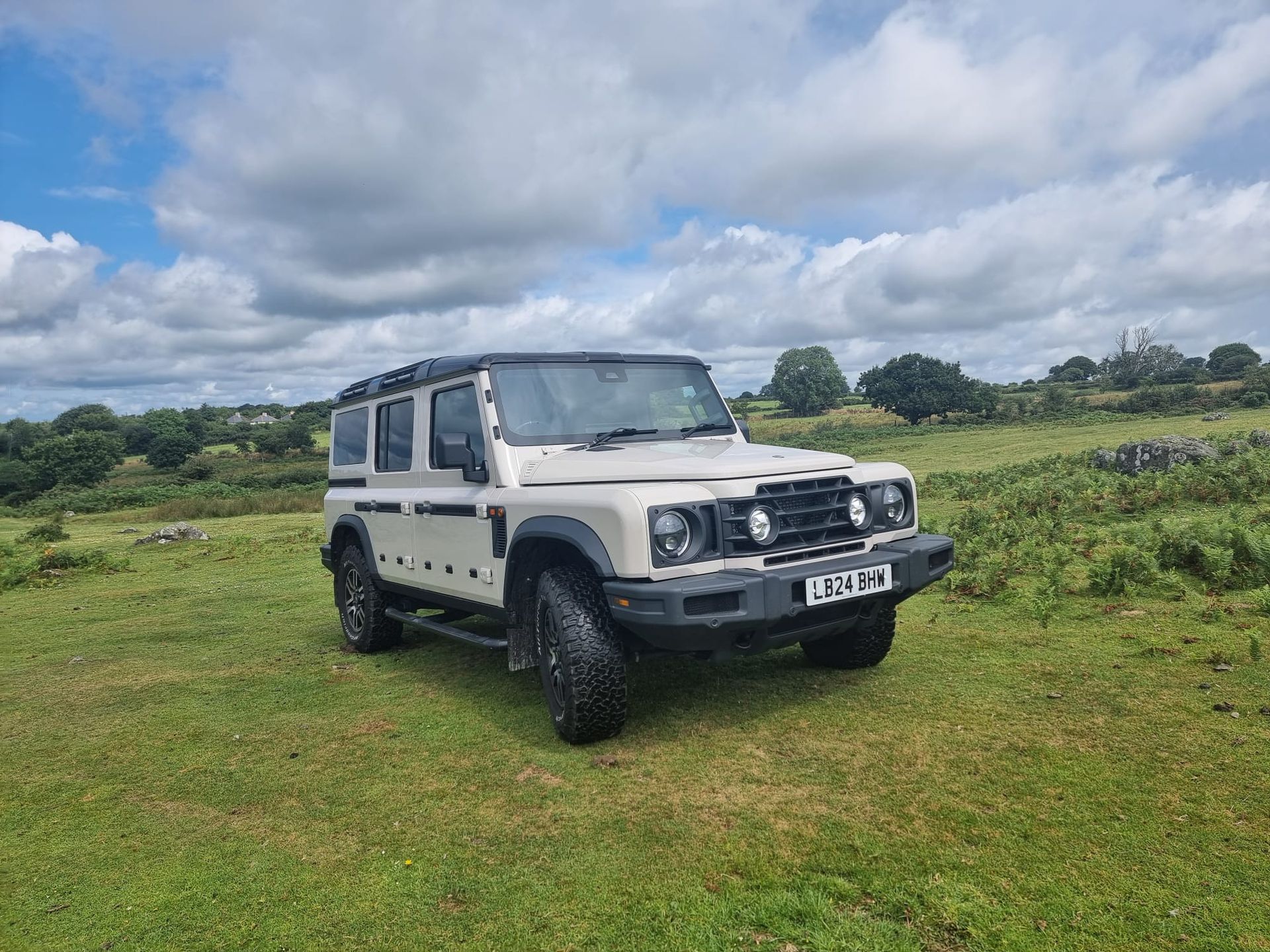
Dawn in the Cornish uplands has a way of sorting impostors from the real thing. The wind comes in salted and insistent off the Atlantic, the lanes are scarcely wider than a hedgehog’s ambition, and the tracks that peel away towards forgotten engine houses are as rutted as a miner’s palm. It was here, over a week of coastal switchbacks, granite-studded byways and boggy moorland, that the Ineos Grenadier 1924 edition proved its mettle. Later, with the salt washed off and pasties swapped for proper motorway coffee, we pointed its snub nose north-east, arrowed up to Warwickshire and back again. Flawless is an overused word in motoring circles. In this case, it feels almost insufficient.
The 1924 is no mere paint-and-stickers exercise. It is a considered celebration of Belstaff’s centenary, a brand whose waxed cotton and phoenix badge have sheltered explorers and racers for a hundred years. The Grenadier wears that heritage lightly but tellingly. Numbered plaques on the A-pillar and above the glovebox mark it as one of just 1,924 examples; an orange Belstaff centenary logo sits proudly on the side intake; a phoenix watches over proceedings from the overhead console. Diamond-cut alloys glint like the bezel on a well-loved chronograph, yet the overall effect is subdued, gentlemanly even. This is a truck that belongs as much outside a Cornish manor house or a Warwickshire shoot lodge as it does on a clifftop track above Zennor. Open the hefty door, and you step into a cabin that balances purpose with polish. The 1924’s black saddle leather wraps the steering wheel, handbrake, and grab handles, not to cosset but to develop a patina that will one day read like a travel diary.
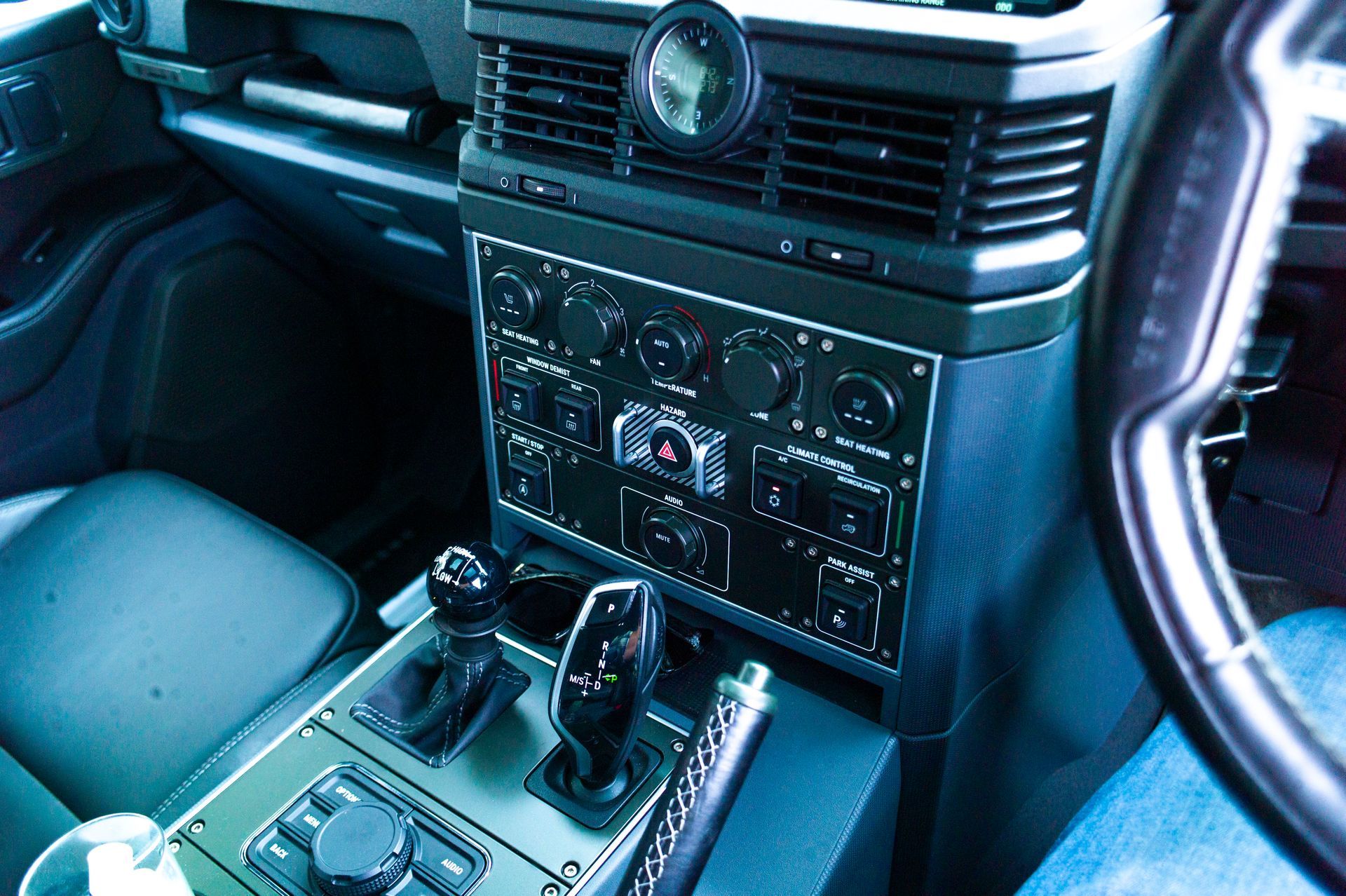
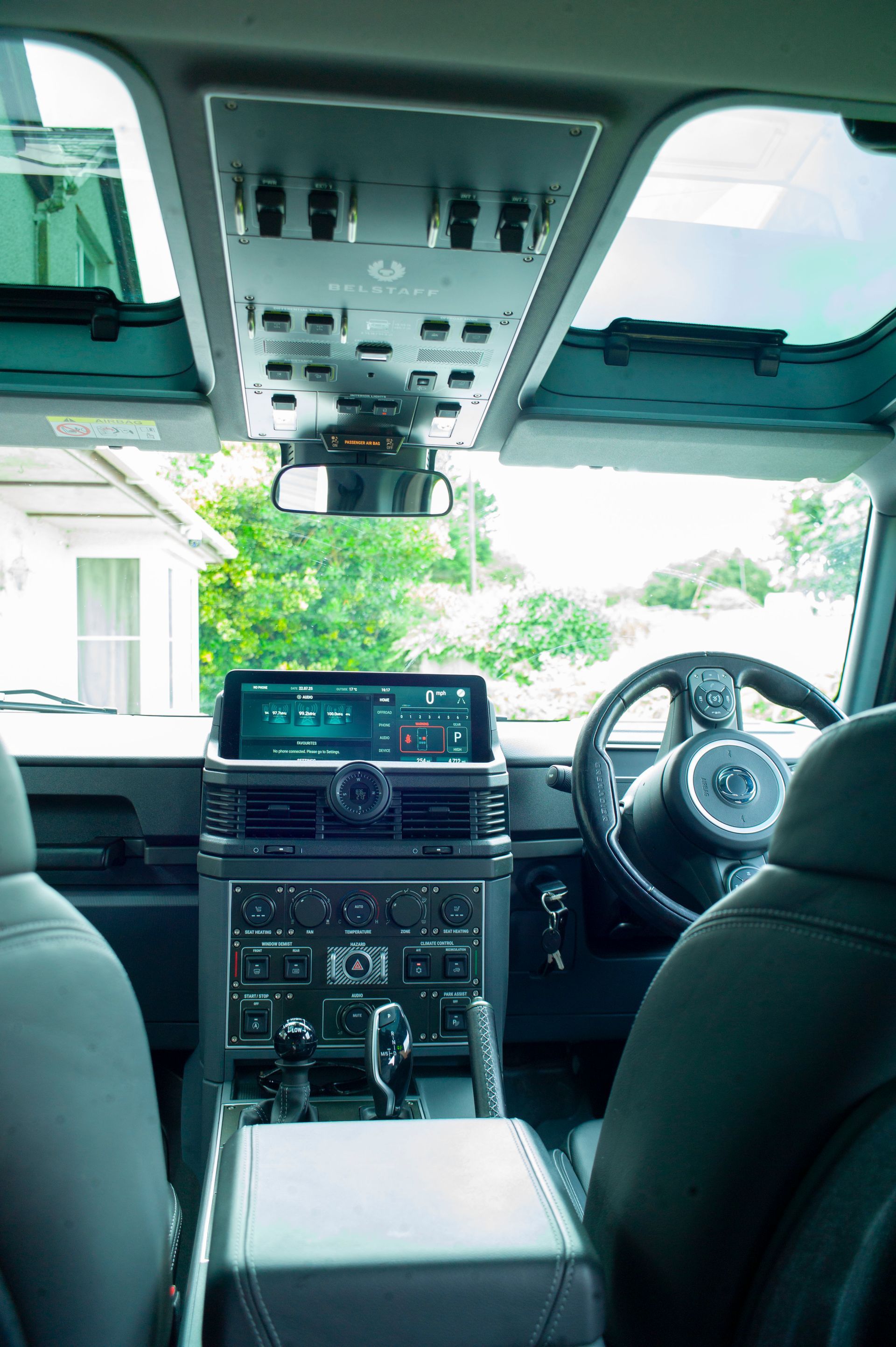
The dashboard, centre stack, overhead console, and door cards are finished in a deep Belstaff green, a nod to waxed jackets and oilskins, while a dark Orbit Grey headliner hushes the space and hides the inevitable fingerprints of children clambering in after a beach day. It feels like a proper working cockpit, but one with a knowing wink to luxury. Switchgear is satisfyingly analogue, the overhead panel begging to be flicked with gloved fingers on a January morning. It is a rare interior that invites mud on the mat and sand in the footwells without compromising its sense of occasion.
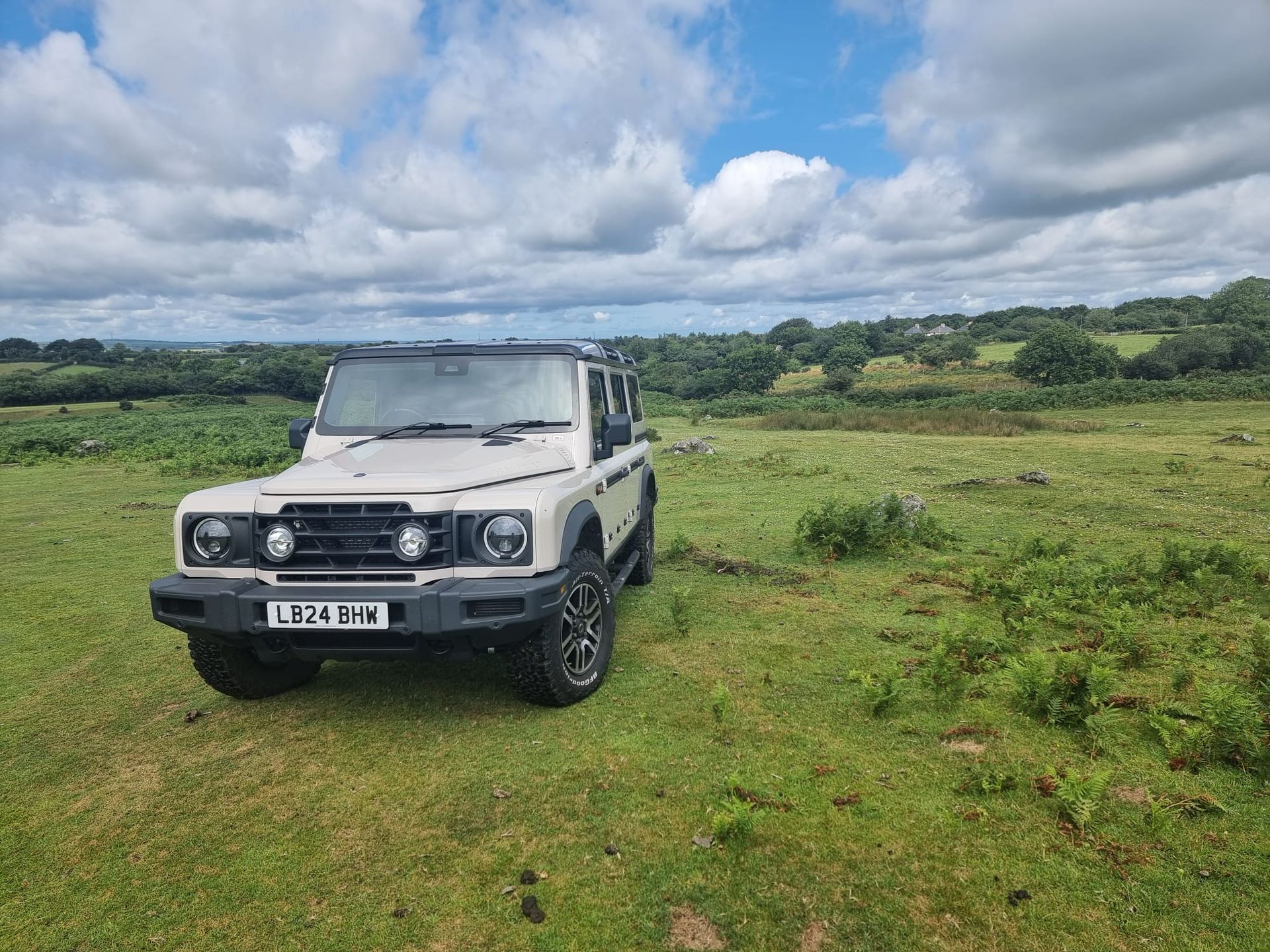
Cornwall offered a merciless test bed. Narrow lanes hemmed in by centuries-old hedgerows forced us to appreciate the Grenadier’s square-set proportions; visibility is excellent, the upright windscreen and honest corners making it easy to place even when tractors loom and holiday traffic has nowhere to go. On-road manners are better than any ladder-frame purist has a right to expect. The steering is deliberate rather than darting, body roll is controlled but never artificially suppressed, and the ride quality is firm enough to shrug off potholes yet compliant enough that rear-seat passengers can read or nap as the miles tick by.

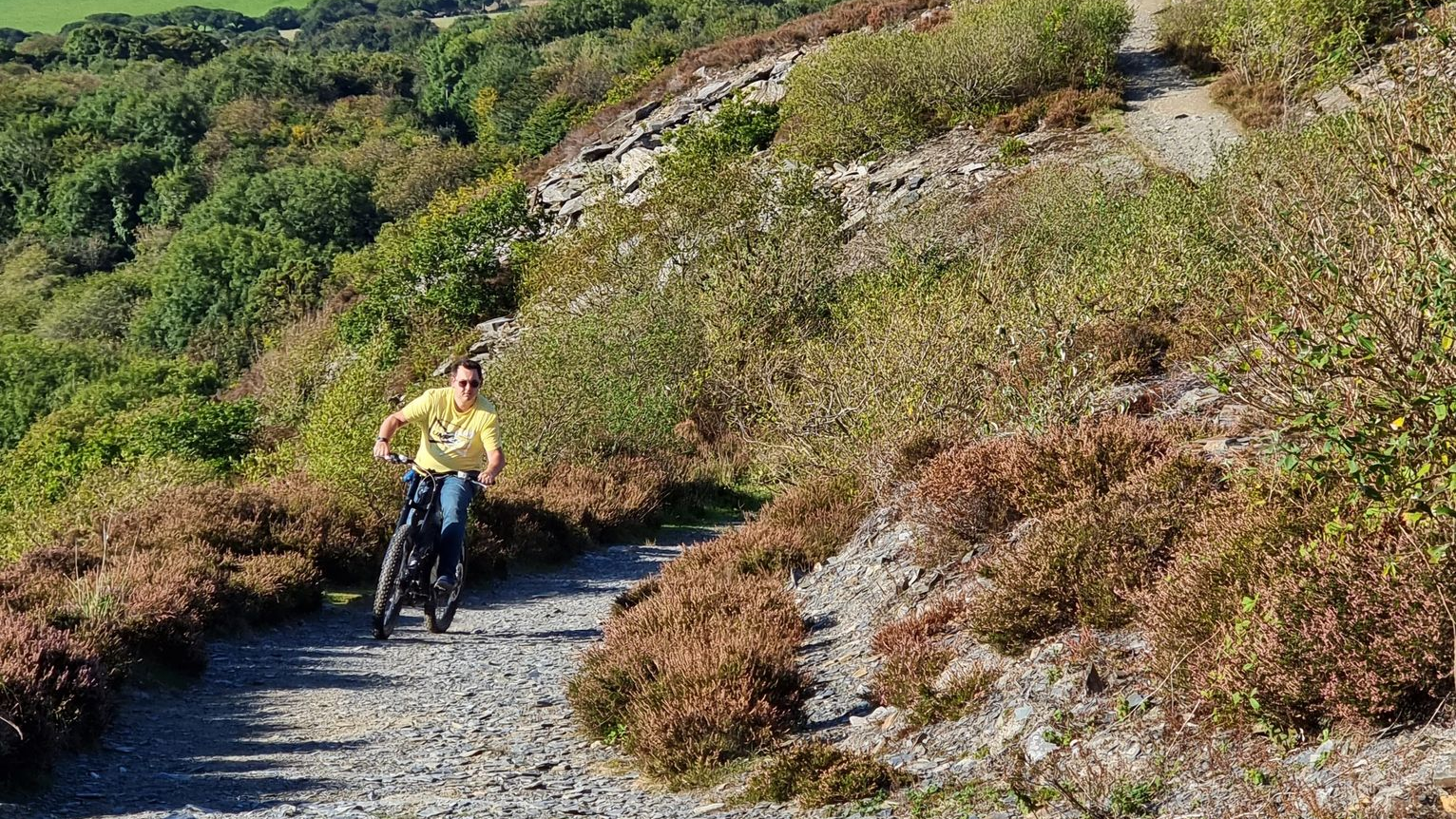
Over Bodmin Moor the crosswinds did their best, but the Grenadier’s mass and stance reduced gusts to a passing thought. Off-road, the county turned conspiratorial. We tackled clay-clogged farm tracks slicked by drizzle, rocky cut-throughs towards forgotten quarries, and sandy, seaweed-laced approaches to hidden coves where fishermen once dragged their boats. Here, the Grenadier’s fundamentals spoke louder than any marketing copy. A full ladder frame, Carraro solid axles, long-travel coils and a two-speed transfer case are not retro affectations but the sinews and bones of genuine capability. Engage the low range, lock the centre diff, and the thing simply hauls itself forward like a tugboat in a storm. Pick your line, ease over the ledge, feel each axle articulate and settle, then feed in torque from the BMW-sourced straight-six—petrol in our case, delivering effortless shove without the agricultural clatter some still expect from serious 4x4s. The ZF eight-speed picked ratios with unflappable calm, never hunting, never dithering.
Water crossings on sunken lanes, swollen by a spring tide and rain run-off, barely merited a raised eyebrow. Eight hundred millimetres of wading depth meant bow waves were theatre rather than threat. Mud packed itself into the tread blocks and was flung free again with each rotation, a satisfying percussion against the wheel arches that reminded us we were using the machine as intended. We aired down slightly for sections of soft sand near Gwithian, the permanent four-wheel drive and chunky diffs turning what might have been a beaching incident for lesser SUVs into a leisurely promenade to a windswept picnic spot.
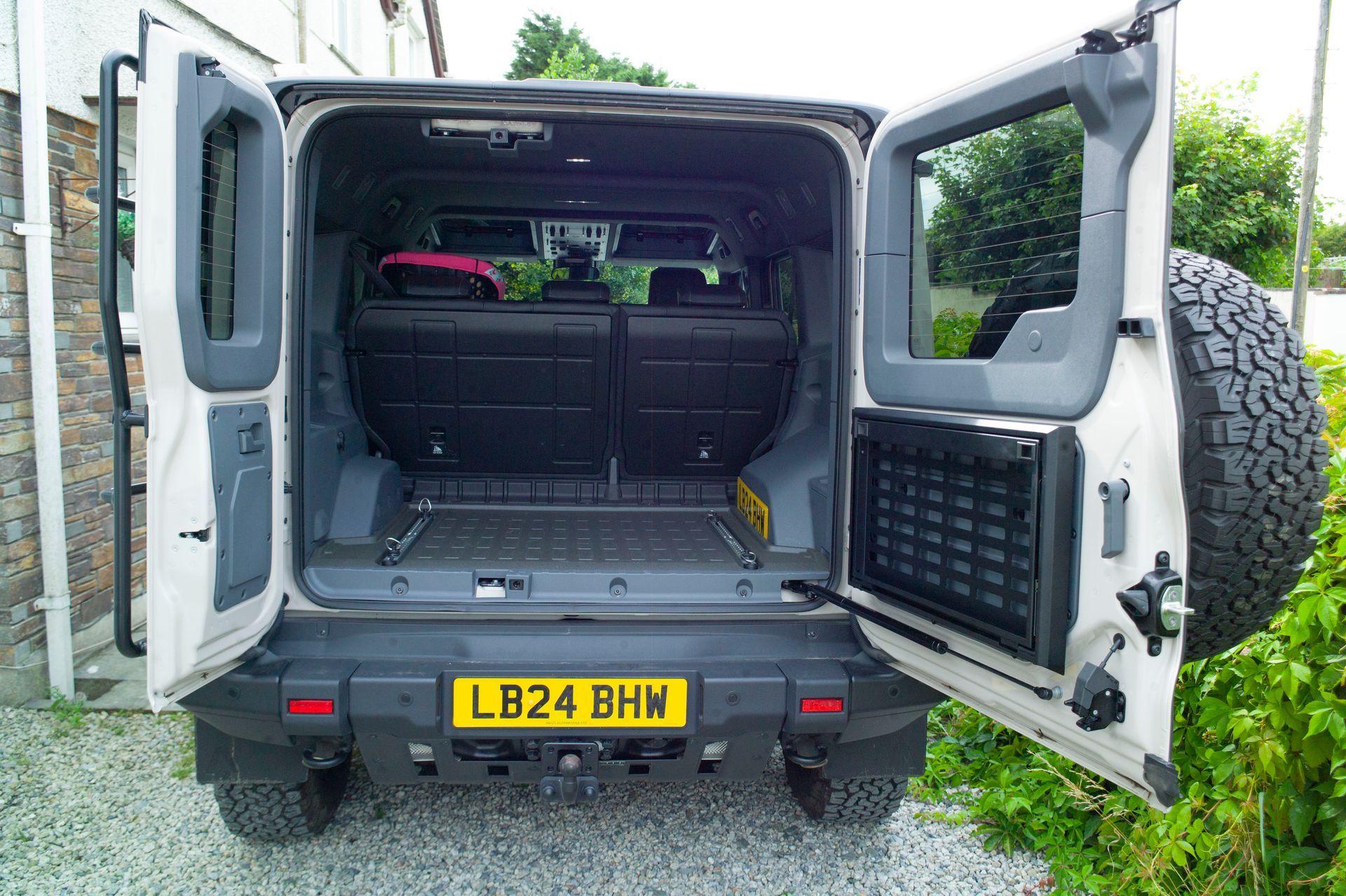
When the time came to leave the sea behind and head inland, the Grenadier shrugged off the transition. Cornwall’s A-roads can be a choppy mêlée of caravans, impatient locals and sudden bends; the 1924 took it all in stride. Children, damp-haired and sugar-hyped from seaside ice creams, dozed in the back while we set the cruise, the inline-six humming at a civilised murmur. Apple CarPlay piped in directions and playlists without fuss, and the cabin’s mix of hardwearing materials and carefully judged leather meant we never felt guilty about crumbs or wetsuits. The split tailgate proved its worth daily: crack the small door for a quick rummage, fold the larger one down as an impromptu bench for lacing boots or pouring coffee.
Then, with the salt washed off and the sand vacuumed away, we pointed the Grenadier’s bluff nose towards Warwickshire. Motorways highlighted a truth: this is not a sports saloon, nor does it pretend to be. Instead, it settles into a steady, almost nautical rhythm. The steering’s calm ratio that serves you so well on a sketchy hillside simply asks for gentle hands on the M5. Noise levels are impressively muted for such a square machine; conversation remains easy, podcasts clear, children blissfully quiet. Fuel stops are inevitable—no one buys two and a half tonnes of honest steel expecting Prius parsimony—but the range is perfectly acceptable, and the smiles you attract at the pumps remind you you’re piloting something rare.
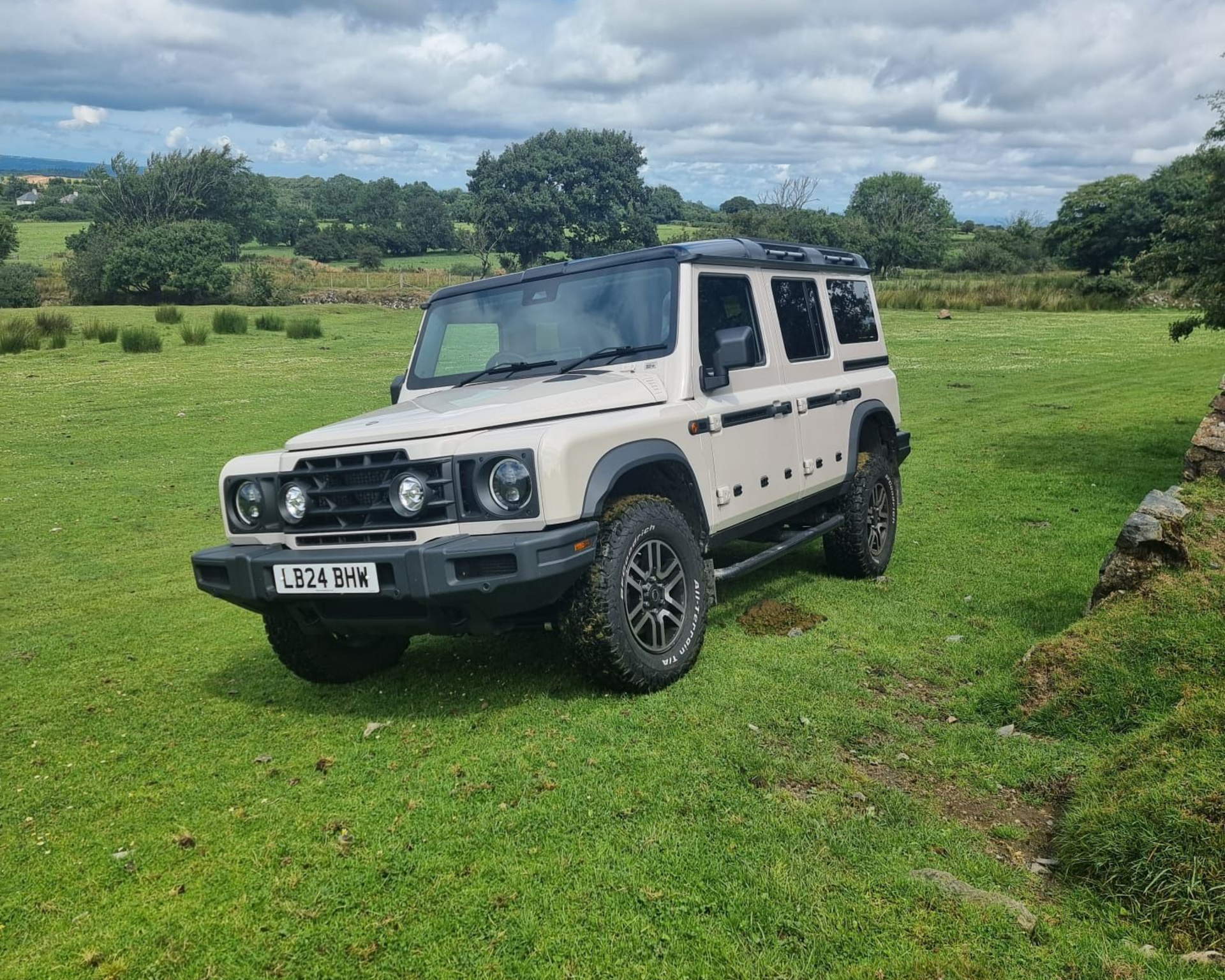
Warwickshire’s lanes, softer in edge but no less tricky when soaked, presented a different challenge. Estate tracks threading through copses, grassy ruts leading to pegs on a crisp morning, ancient byways that crumble to chalk dust in summer and clag to soup in winter—each was dispatched with the same quiet authority. The 1924’s unique trim never felt precious; a quick wipe here, a hoover there, and the cabin looked ready for a dinner run to a country house hotel. Pulling up at a shoot with the Belstaff phoenix glinting subtly overhead felt exactly right: no flashy ostentation, just the knowing presence of a tool made beautiful by intent. Not once, in all those miles from Atlantic cliff tops to the Heart of England, did the Grenadier miss a beat. No errant warning lights, no awkward hesitations in the gearbox software, no creaks from the ladder frame after a day of torsional punishment. It started each morning with the same gruff enthusiasm, took abuse on the chin, and rewarded mechanical sympathy with an almost uncanny sense that it wanted more. Flawless, yes, but more importantly, unfussed.
Family life suited it to perfection. Isofix points are easy to access thanks to those honest door apertures, and the near-vertical tailgate makes loading prams, coolboxes, shotguns in slips or Labrador crates a doddle. Dogs, incidentally, seem to love the height and the generous glass; noses smudged happily against side windows as Cornish hedgerows blurred by. For solo wanderers, the load bay becomes a flexible friend: roll out a self-inflating mat and you can bivvy inside on wild nights, while pre-wired accessory points mean fridges, light bars or air compressors plug in cleanly without a spaghetti of aftermarket solutions. The overhead switches, all satisfyingly clicky, are labelled for auxiliary kit from the factory. It feels like someone built the vehicle we’ve been bodging towards for years.
Luxury, in this context, is less about massage seats and more about the assurance that everything has been over-specified. The leather Driver’s Pack in the 1924 is deliberately untreated; it will show scratches from a ring, a smear from a wet glove, and in doing so it becomes yours, not just another showroom clone. The dark green dash paint takes on a gentle sheen after a week of Cornish sun, then looks moody and purposeful under Warwickshire drizzle. There is an almost country-house quality to it: use, maintain, cherish, but never pamper to the point of paralysis. Critics will mutter about fuel consumption and a turning circle that isn’t exactly London taxi-tight. They will note the steering is slower than their German saloon and that you feel the mass when changing direction at pace. All true, and all gloriously irrelevant once you accept what the Grenadier is. It is engineered, not styled into capability.
Its concessions to modernity—CarPlay, stable mapping, robust electronics—serve the mission rather than distract from it. You learn to drive it with measured inputs, to trust its immense reserves of traction, to let its gearbox do its work, and in return, it grants access to places and experiences that leave crossovers sobbing into their all-season tyres. The limited nature of the 1924 adds a frisson of community. On the A30 and later on the M40, other Grenadiers offered nods and waves; at a service station outside Banbury a chap strode over just to ask if it was “one of the Belstaff ones”. It is pleasant to be part of a discrete club, bound not by ostentation but by shared appreciation of engineering done right. You feel, perhaps smugly, that you’ve made a choice rather than followed a trend.
Hauling, too, was dispatched with ease. A borrowed trailer loaded with a vintage motorbike followed like a well-trained spaniel, the Grenadier’s 3.5-tonne towing capacity barely breaking a sweat over Dartmoor rises or the long drag past Gloucester. The trailer stability felt rock solid; the brakes, reassuringly firm and easy to modulate, never hinted at fade even after prolonged descents. Should you swap the bike for a horsebox or a wake boat, the drivetrain has reserves to spare, and the view from those square mirrors keeps everything in check. I found myself enjoying the small rituals. Checking the overhead switches before a night lane section, like a pilot running through a pre-flight list. Swinging down the split tailgate for a late lunch with steam rising from damp coats. Listening to the engine note shift ever so slightly as the gradient steepened, torque filling in without drama. Wiping sea spray off the Belstaff badge and feeling a faint thrill at being custodian of something with a numbered plaque. These are the tactile, emotional hooks that make an object earn its keep in your affections.
In Warwickshire, after a day on estate business, we pointed the Grenadier back towards the coast. Traffic snarls on the M5 would sap the soul of lesser vehicles; here they became opportunities to appreciate the cabin’s visibility, the comfort of those Recaro chairs, the fact that, despite its unashamedly rugged brief, the Grenadier remains a pleasant place to while away a delay. Darkness fell, auxiliary lights carved out a tunnel of clarity across the lanes towards home, and fatigue was held at bay by the quiet confidence radiating from the machine. When at last we rolled into the drive, red mud drying in pleasing patterns on the sills, there was the sense of a job not just done, but enjoyed.
What strikes you, looking back over the miles and the memories, is the coherence. The Grenadier 1924 is not a marketing bolt-on to an indifferent platform. It is a celebration of a way of doing things: purposeful, durable, handsome because it is honest. The Belstaff touches elevate the cabin without softening its edges, just as a good jacket keeps you dry without making a fuss. The chassis, drivetrain and off-road hardware are the real headline acts, and they are given the stage time they deserve. The on-road composure is the encore you didn’t expect but applaud all the same.
Would I take it again to Cornwall? In a heartbeat. Back to Warwickshire? Tomorrow, if you like. Across Europe with a family and a brace of bikes? Without hesitation. Into the Highlands in February, or the Alps in April, or a Northumberland beach in November? Yes, yes and yes.
The Grenadier 1924 doesn’t just expand your map; it dares you to redraw it entirely. It is the vehicle you choose when “anywhere, anytime” is not a boast but a plan. So here is the considered conclusion, typed with sand still in my boot treads and the scent of damp leather lingering on my fingertips: the Ineos Grenadier 1924 edition is a tool of rare integrity, dressed in heritage finery that feels utterly earned.
It carried us around Cornwall on-road and off, shouldered the miles to Warwickshire and back without a murmur, and did so with a grace rooted in engineering rather than artifice.
Flawless? For once, the word fits. And in an age of fragile promises and faux capability, that might just be the greatest luxury of all.
Read More:

































































































































































Just a few of the brands we work with