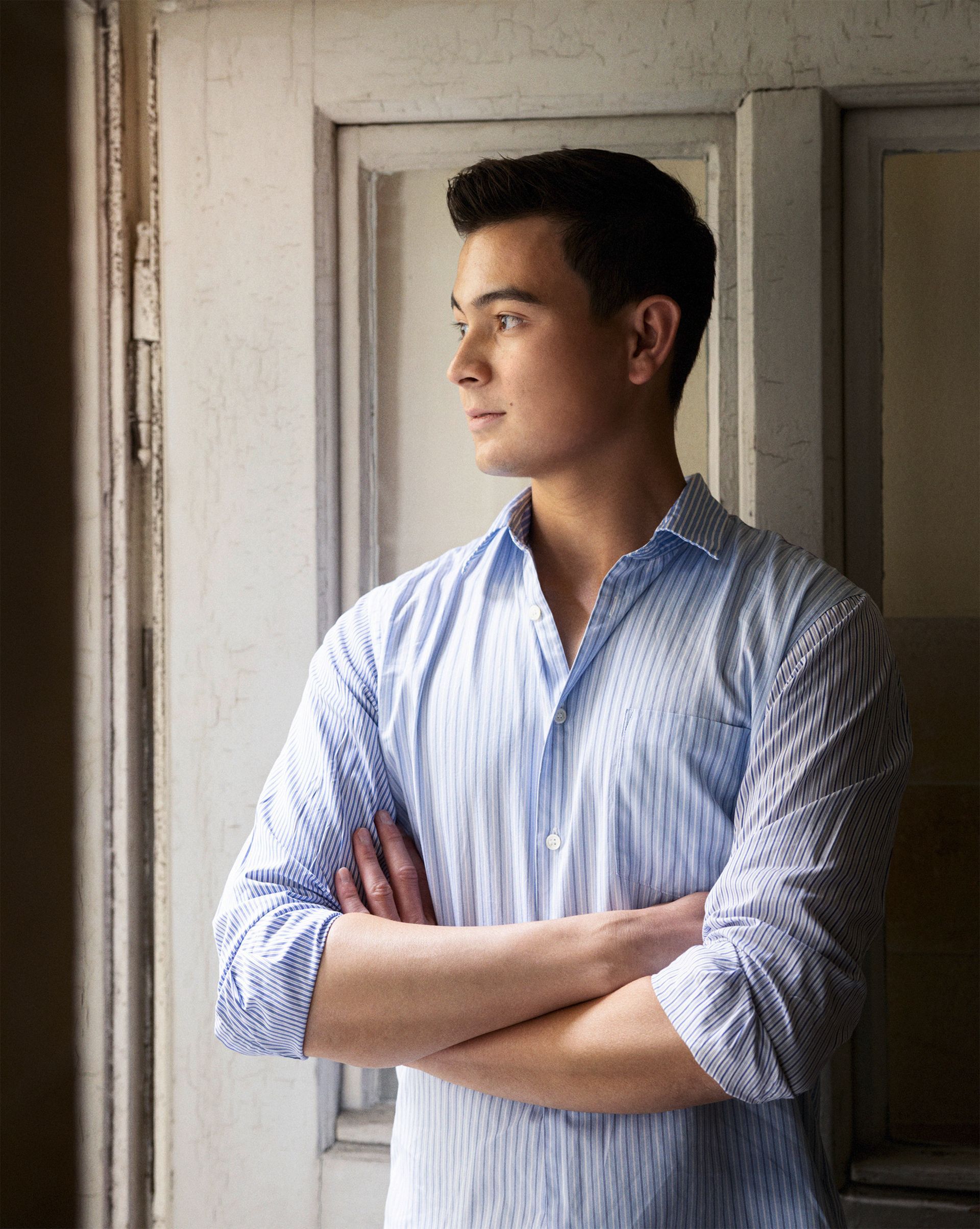
Hermes Gehnen, Founder of
N25 Caviar and Umai
1. You began experimenting with caviar ageing in your university dormitory. Looking back, what was the most surprising lesson you learned during those early days?
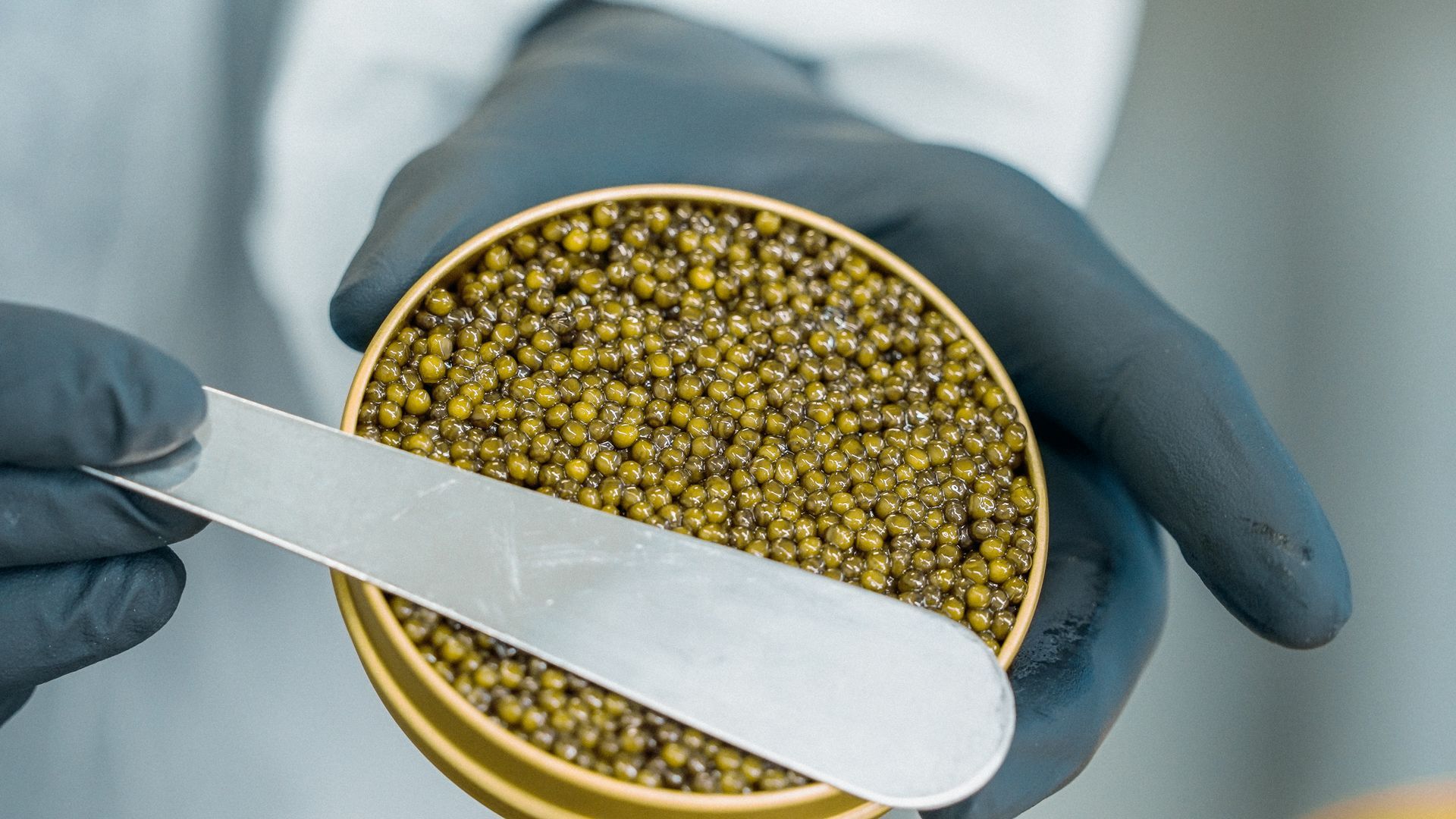
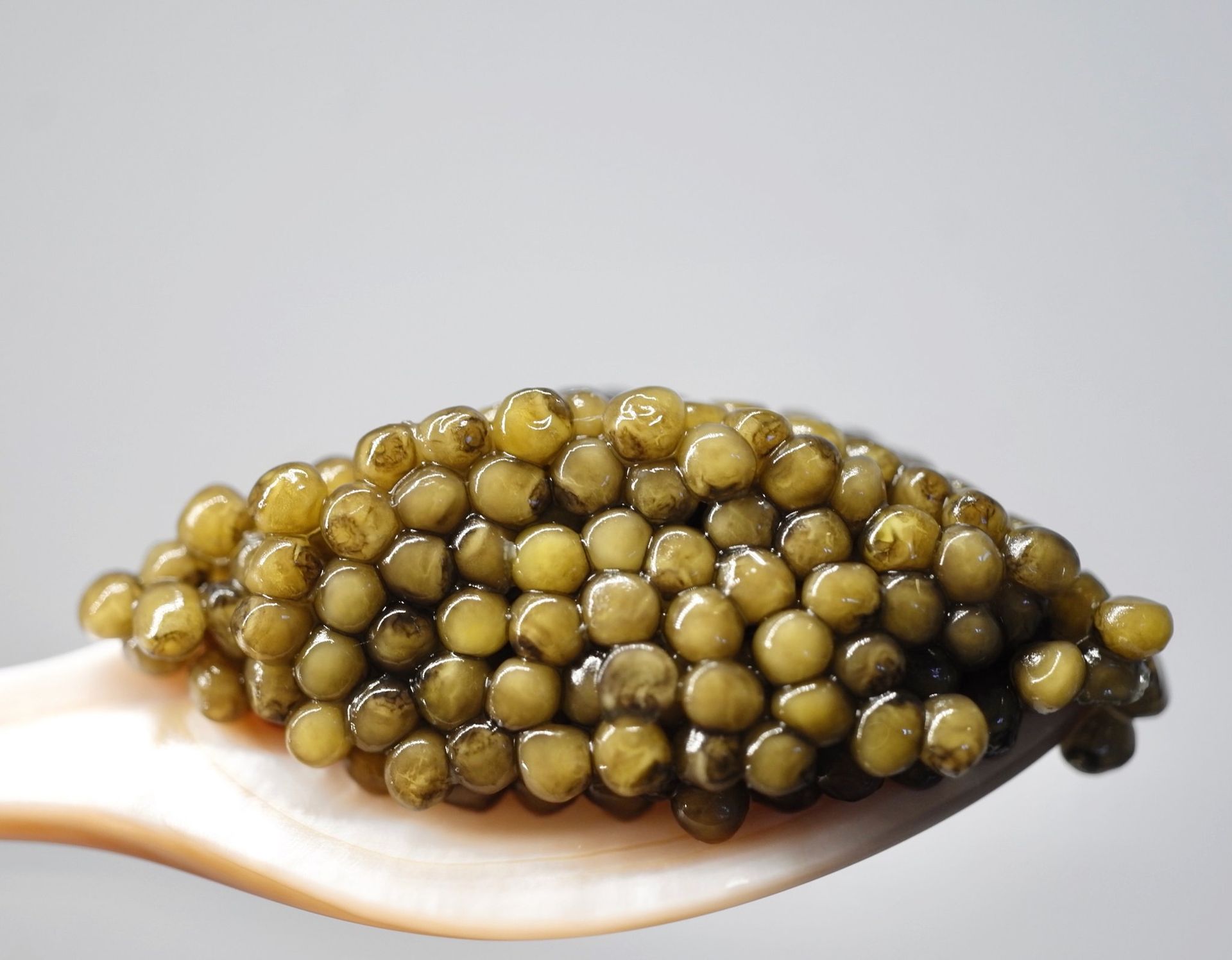
The most surprising lesson was the profound impact of time and temperature on the roe’s membrane and, subsequently, its flavour profile. I started treating caviar like a fine wine, focusing on maturation. What I learned in that dorm in Munich wasn't just about preserving the eggs, but actively guiding them into a new realm of texture and taste. The roe, initially a delicate sphere of protein and fat, could be transformed; the shell becoming firmer, the flavour developing a long, buttery, and nutty finish. This notion that caviar could be aged to highlight its complexity was the shift that birthed N25 Caviar.
2. With a background in biology, how do you integrate scientific principles into the art of caviar production?
Science is the foundation of our process. Looking at it through this lens taught me the absolute necessity of precision and control. This perspective translates into quantifiable protocols for every step; from calculating the salt content to initiate maturation, maintaining an exact constant temperature to slow enzymatic activity, and ensuring an impeccably sterile environment to let natural flavours develop unhindered. It is the application of scientific rigour that elevates the production to an art form, ensuring repeatable, high-quality products.
3. Growing up in Beijing and later studying in Munich, how have these diverse cultural experiences influenced your approach to flavour and luxury?
Beijing offered me an early and deep appreciation for food and traditional artisanal skill. Chinese cuisine focuses on flavours and umami; Munich and Europe as a whole introduced me to subtlety and emphasis on terroir that defines European luxury and fine dining. This duality allows me to bridge the gap between the German commitment to precision and quality control, which ensures consistency, while the Chinese pursuit of innovation and nuanced flavour drives our unique ageing process.

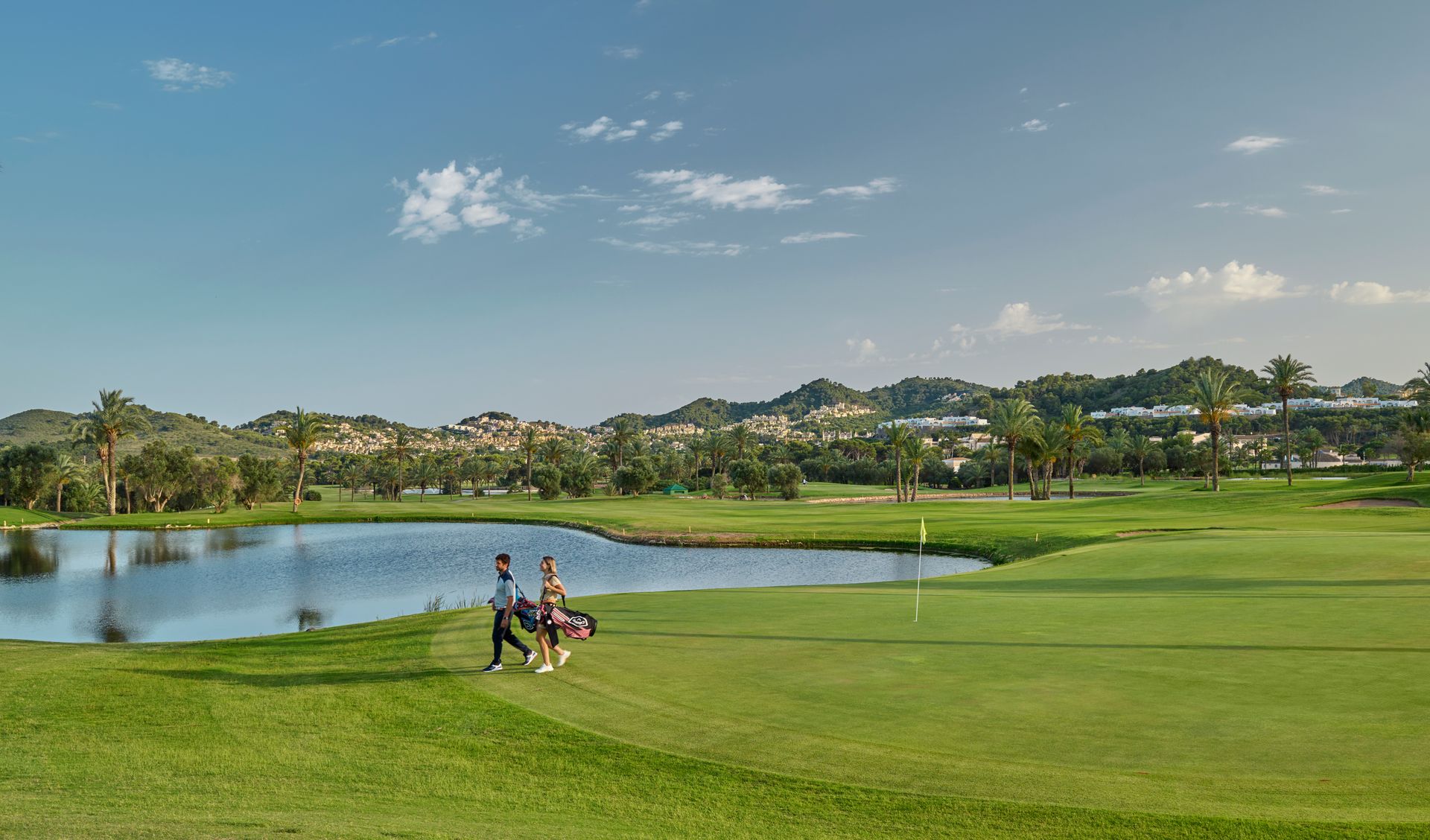
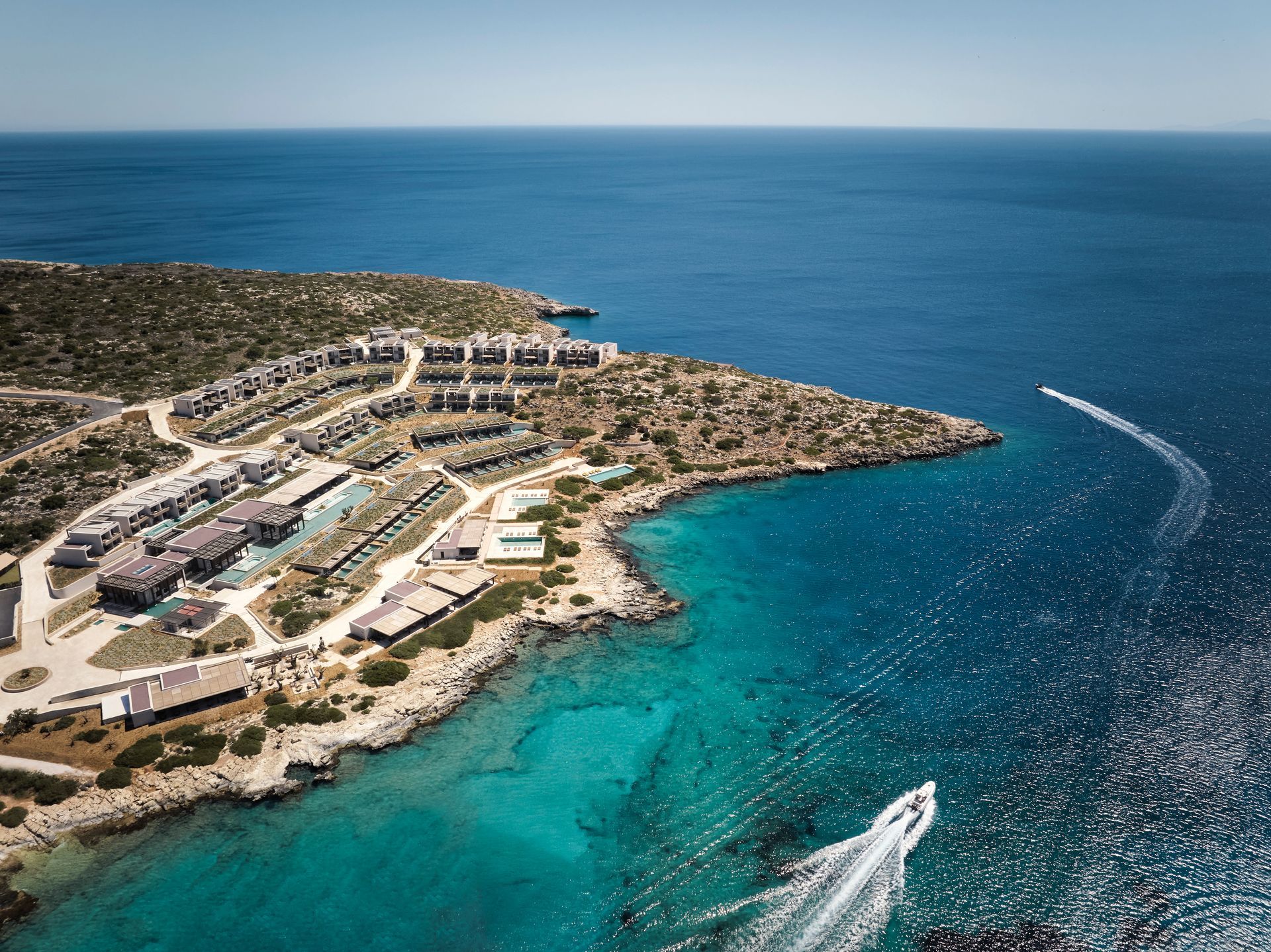
Host venue Grand Hyatt La Manga Club Golf & Spa opened in spring 2023 following an extensive transformation and has rapidly established itself as one of Europe’s leading luxury sport and leisure destinations. The five-star hotel offers 192 elegantly appointed rooms and suites, an 18,298-square-foot wellness centre with subterranean spa, and an adults-only infinity pool for serene downtime between rounds. Families are equally well catered for with interconnecting accommodation, a dedicated family pool, and a kids’ tennis academy that makes the tournament week as appealing for non-golfers as it is for players.
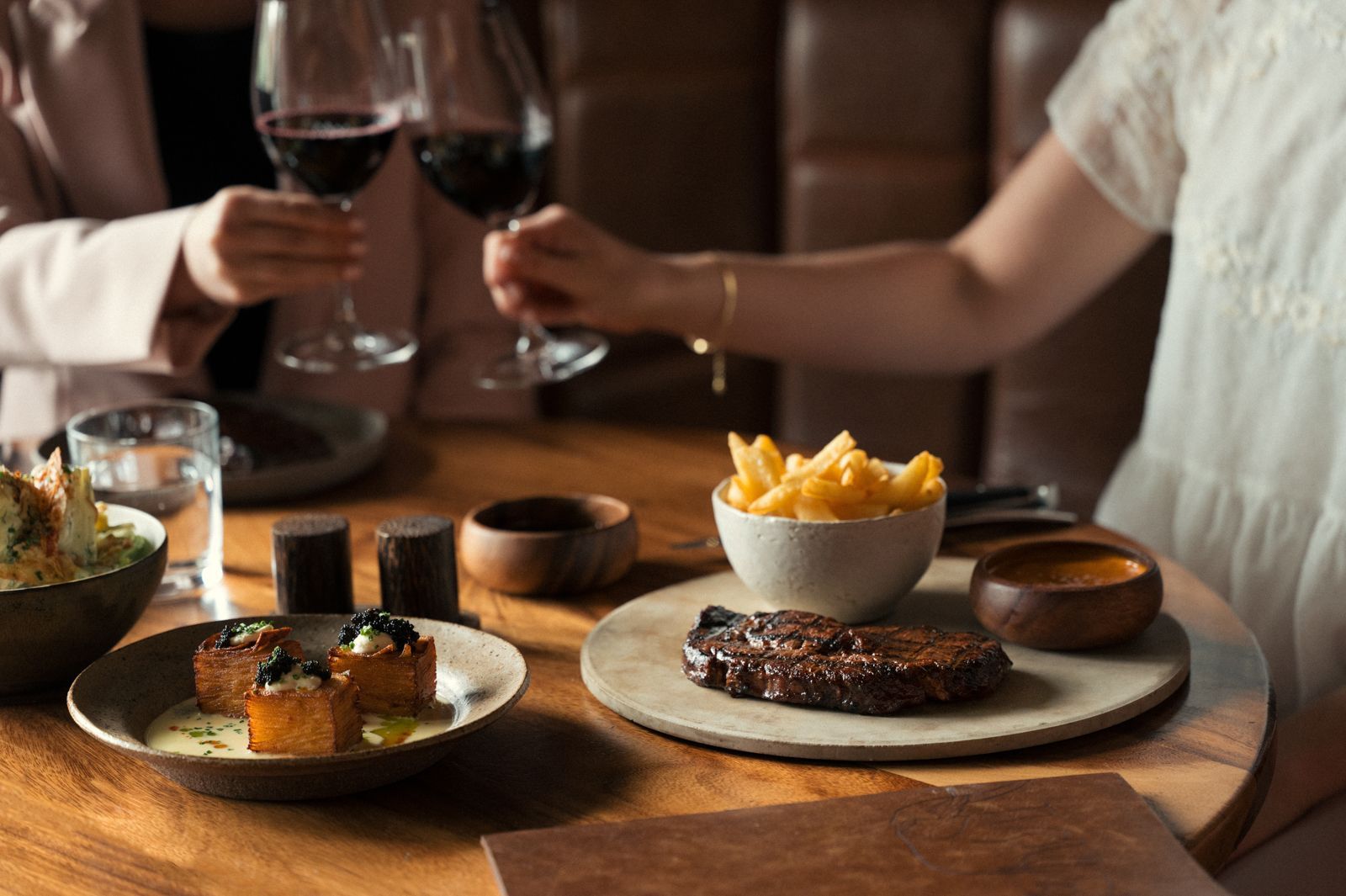
Dining is central to the Grand Hyatt experience, and tournament guests will have their pick of eleven distinctive culinary concepts. From the contemporary gastronomy of Amapola to an intimate izakaya-style sushi bar, the resort’s restaurants showcase Mediterranean produce, global technique and a sense of place. Throughout the week, participants can look forward to regionally inspired menus and convivial moments, including the traditional Caldero del Mar Menor—an emblematic rice dish of the Murcian coast—served as part of the tournament hospitality.
Beyond golf, La Manga Club’s sporting credentials are unmatched. Three 18-hole courses anchor a wider campus that includes a racquets centre, football facilities and access to cricket coaching, allowing guests to cross-train, warm up or simply enjoy the resort’s broader athletic offering. The property’s secluded setting provides the rare combination of championship-level sport, protected natural scenery and effortless access to the cultural riches of Cartagena and the wider Region of Murcia.
7. Partnering with Michelin-starred chefs like Jan Hartwig has been pivotal. What have these collaborations taught you about the evolving landscape of fine dining?
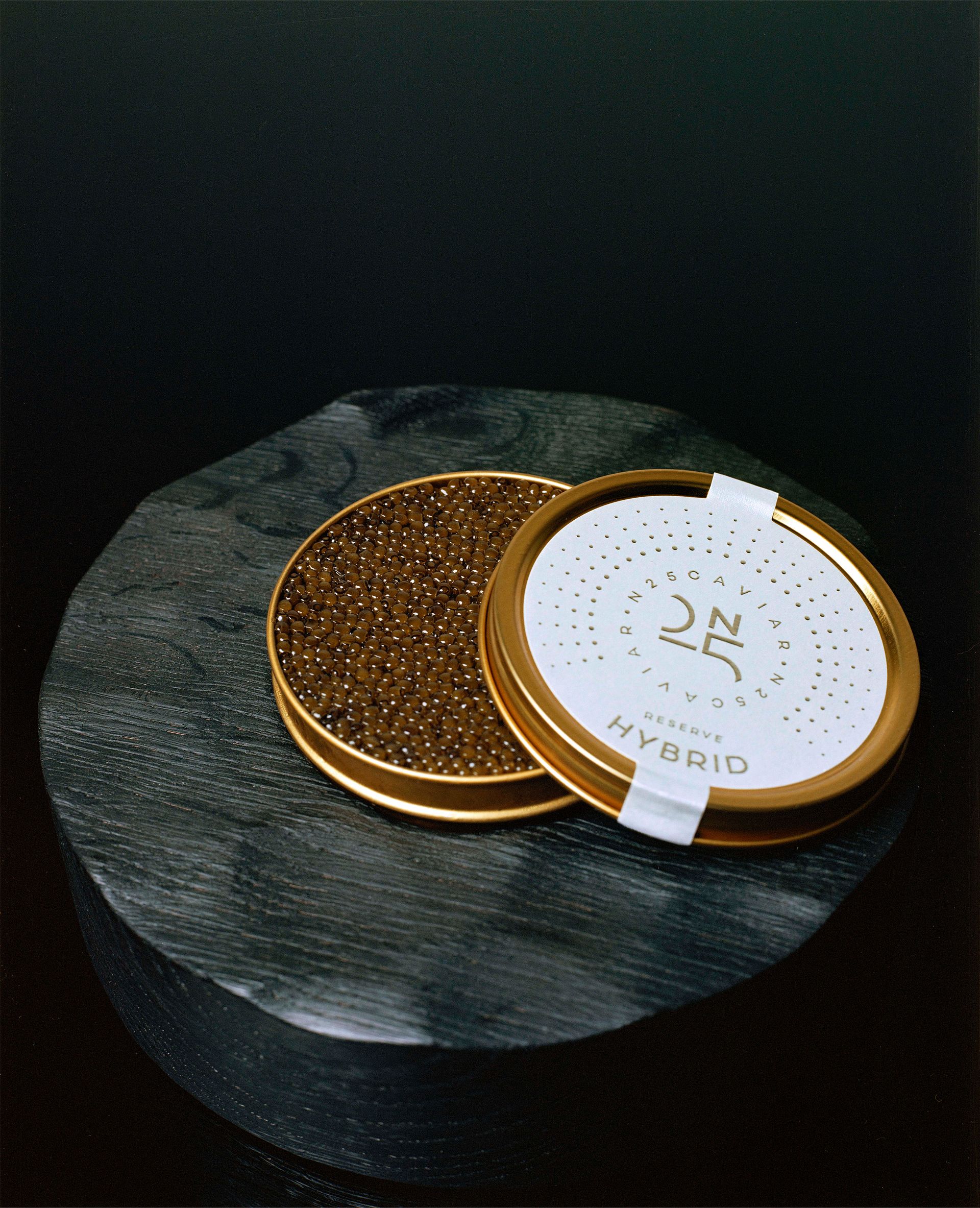
Partnering with Michelin-starred chefs like Jan Hartwig has been pivotal. These collaborations have been an invaluable dialogue, showing me how fine dining is evolving. Chefs aim to tell our stories through their creations, and their diners’ palates are developing a taste for more layered flavors and textures. Chefs like Jan Hartwig don’t just use our caviar as a garnish; they integrate it into dishes because they can rely on our consistent quality and flavor profiles.
8. Precision seems to define both your work and your demeanour. Outside the world of food, how do you disconnect or find inspiration?
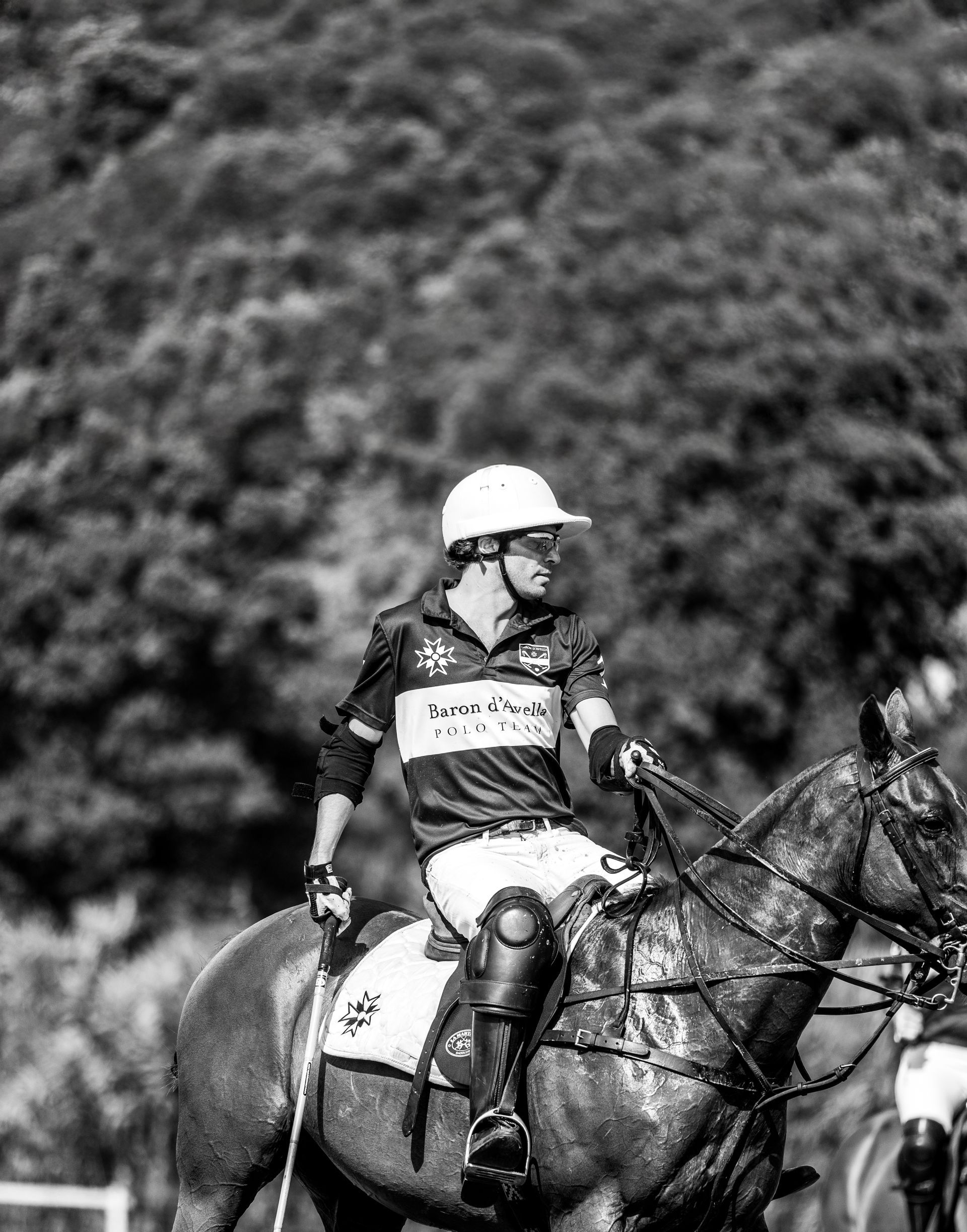
I play golf when I want to disconnect or simply to just relax. I have played the sport since I was a child, and I learned that the slightest change in any variable can change the outcome drastically. So when I started N25, I applied the same principle to everything I do, so I can make sure to deliver the best products to our clients.
9. Could you walk us through a typical day in the life of Hermes Gehnen?
Hmm. I wouldn’t say there is a ‘typical day’. It all depends on where I am. I travel frequently between London, China and Germany, but my business takes me to other countries like the US, Latin America, Australia, and other parts of Asia and Europe.
I think it’s important to nurture the connections we have with our chefs and be present and active in the processes, which is why I regularly visit our farms in China and our distributing partners all over the world. Other than that, a significant part of the business is evolving and learning, so my travels tend to coincide with and support this.
10. Looking ahead, how do you foresee the future of luxury dining evolving, and what role do you hope to play in that transformation?
I see luxury dining evolving into a realm defined by conscious consumption and hyper-personalisation. I hope to showcase that the most profound luxury lies in the integrity and the unique journey of our caviar, and continue to innovate through traditional, scientific and collaborative methods.
Read More:
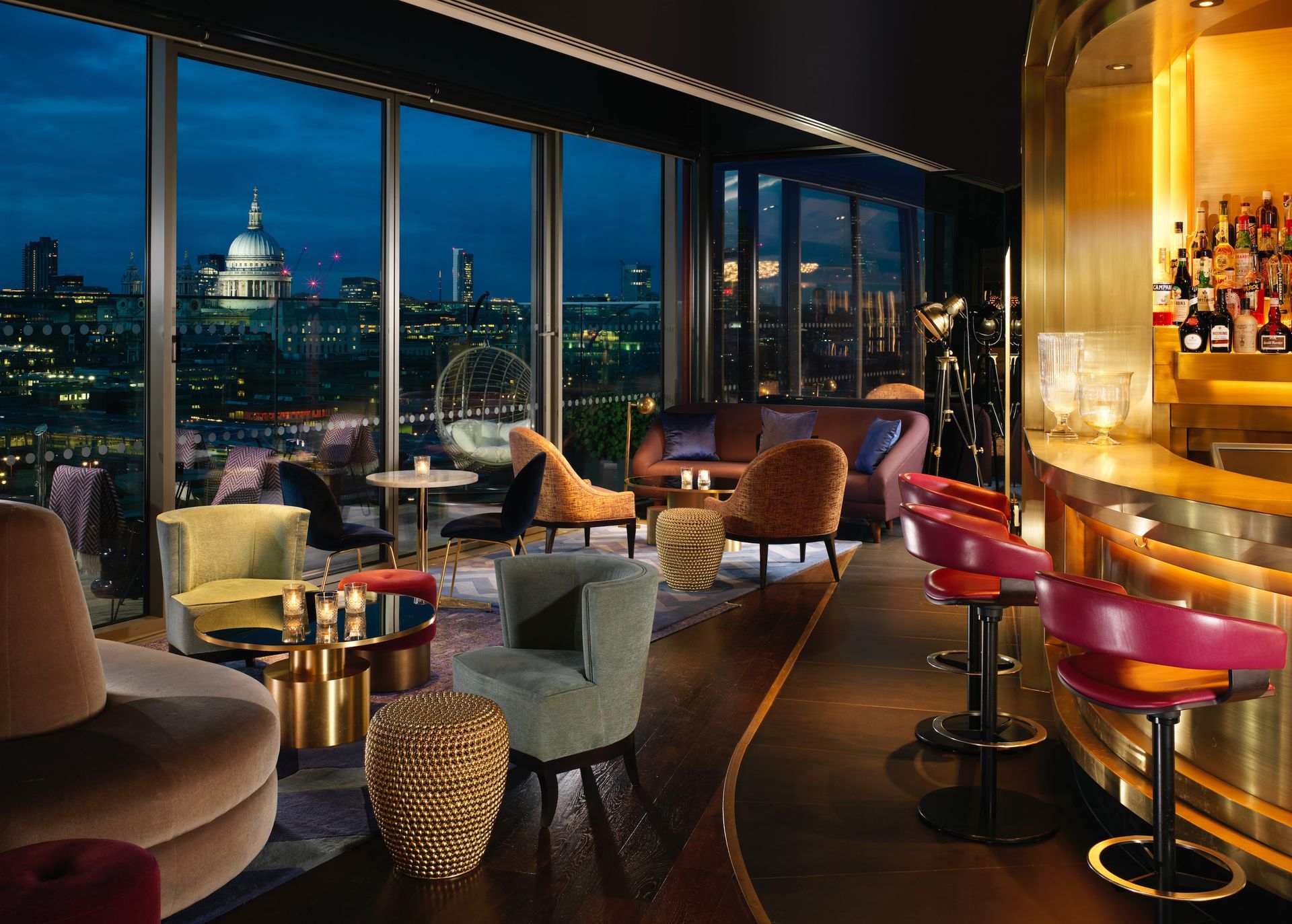
STANLEY’S THE RED CARNATION HOTEL COLLECTION UNVEILS ROOFTOPBAR AT THE CHESTERFIELD HOTEL MAYFAIR
By The Gentleman Magazine
Halcyon remastered Rolls-Royce Corniche embarks on a Grand Tour of the Arabian Peninsula, starting at the Bahrain Concours of Elegance
By The Gentleman Magazine

Audi Reveals Bold New Vision for Its 2026 Formula 1 Entry
Button
LEXUS ANNOUNCES MULTI-YEAR PARTNERSHIP WITH THE ATP
By The Gentleman Magazine


Ooni Koda 2 review: The luxury gas pizza oven that turns your garden into a pizzeria
Button
Best moisturiser for men in 2025
By The Gentleman Magazine
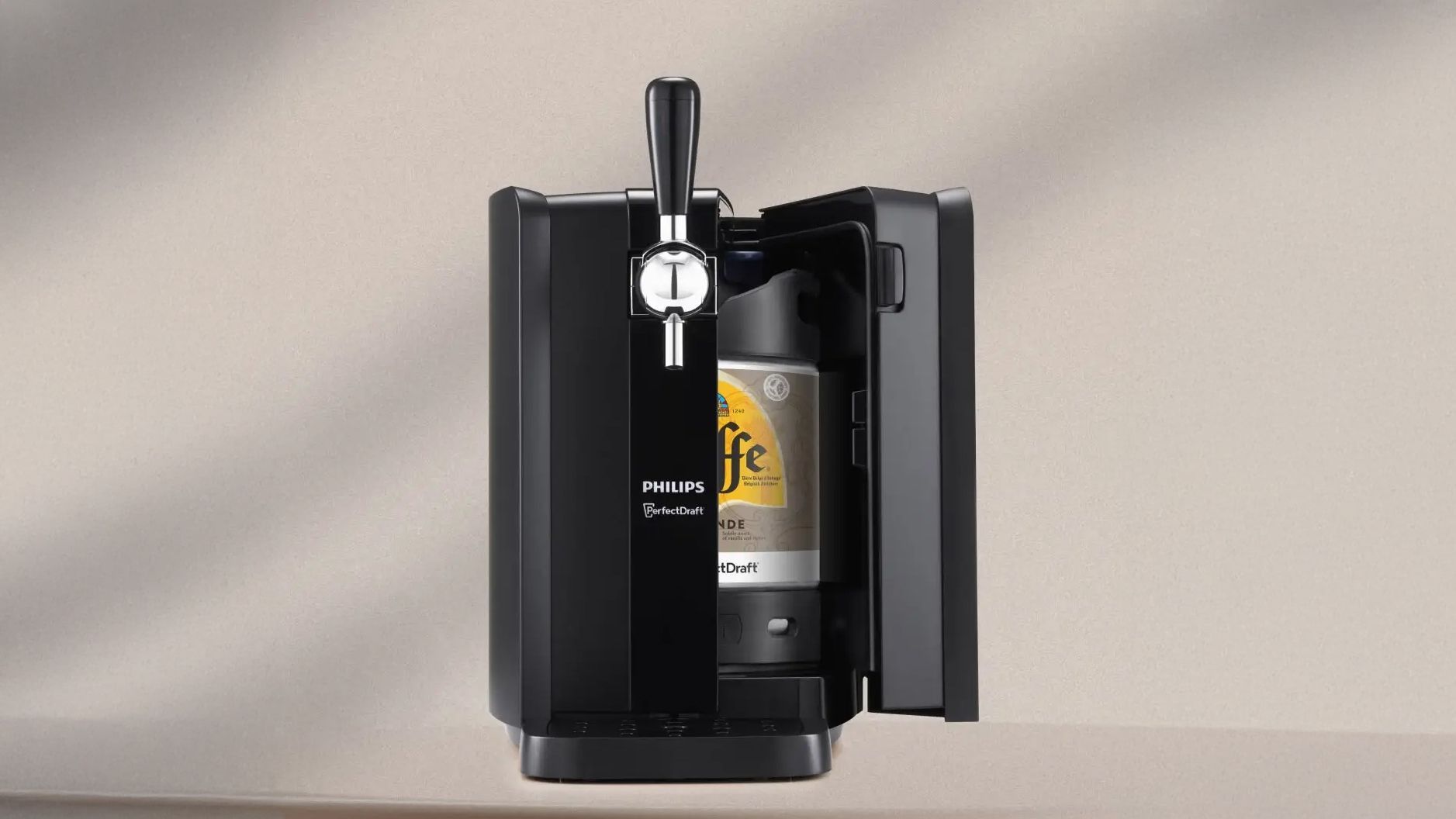
The PerfectDraft Black Bringing the Pub Home Perfectly, Pint After Pint
By The Gentleman Magazine
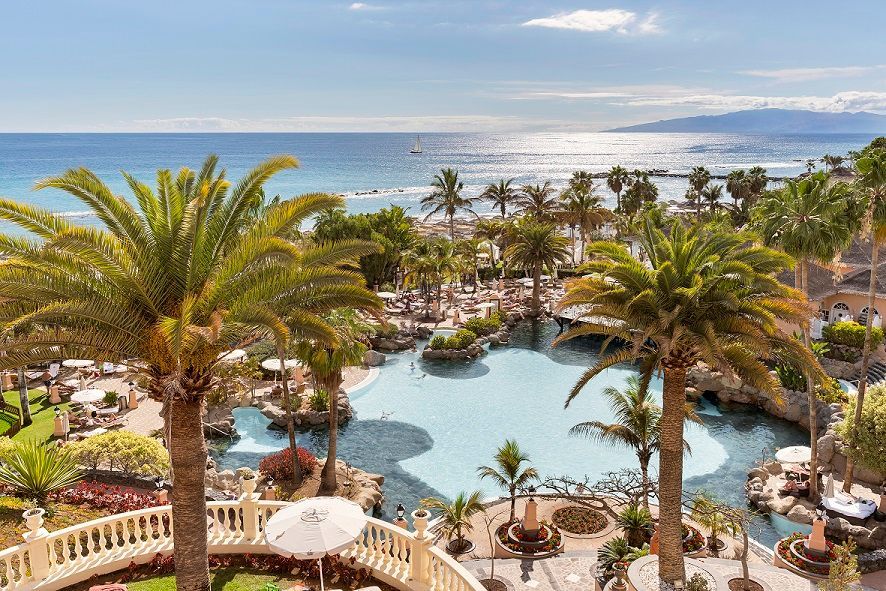
A Sunlit Symphony of Flavour at Bahía del Duque
By The Gentleman Magazine

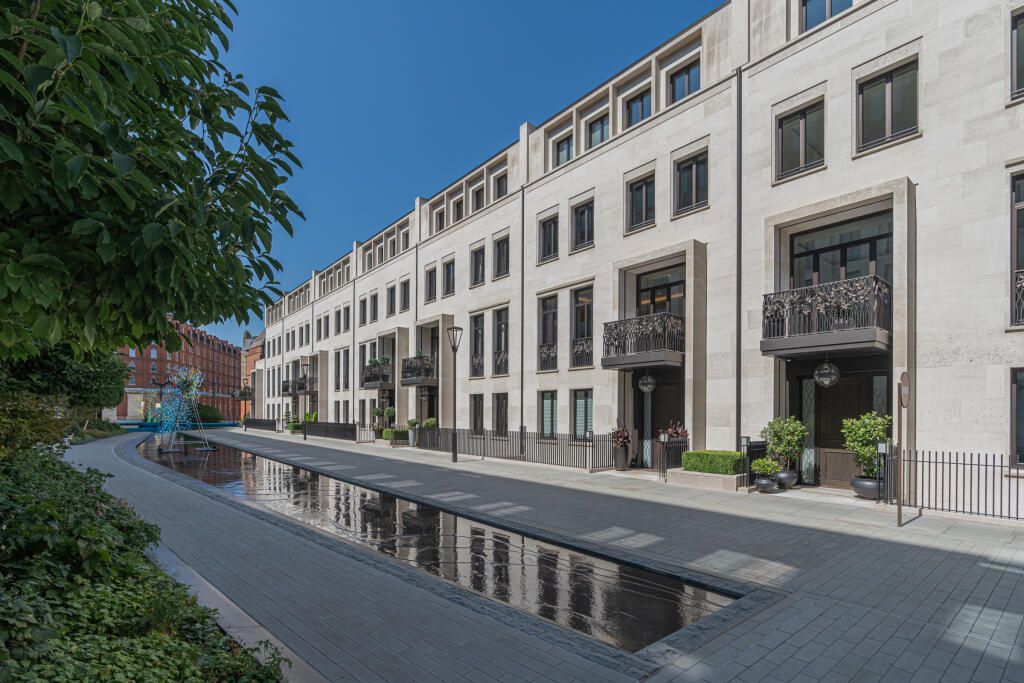
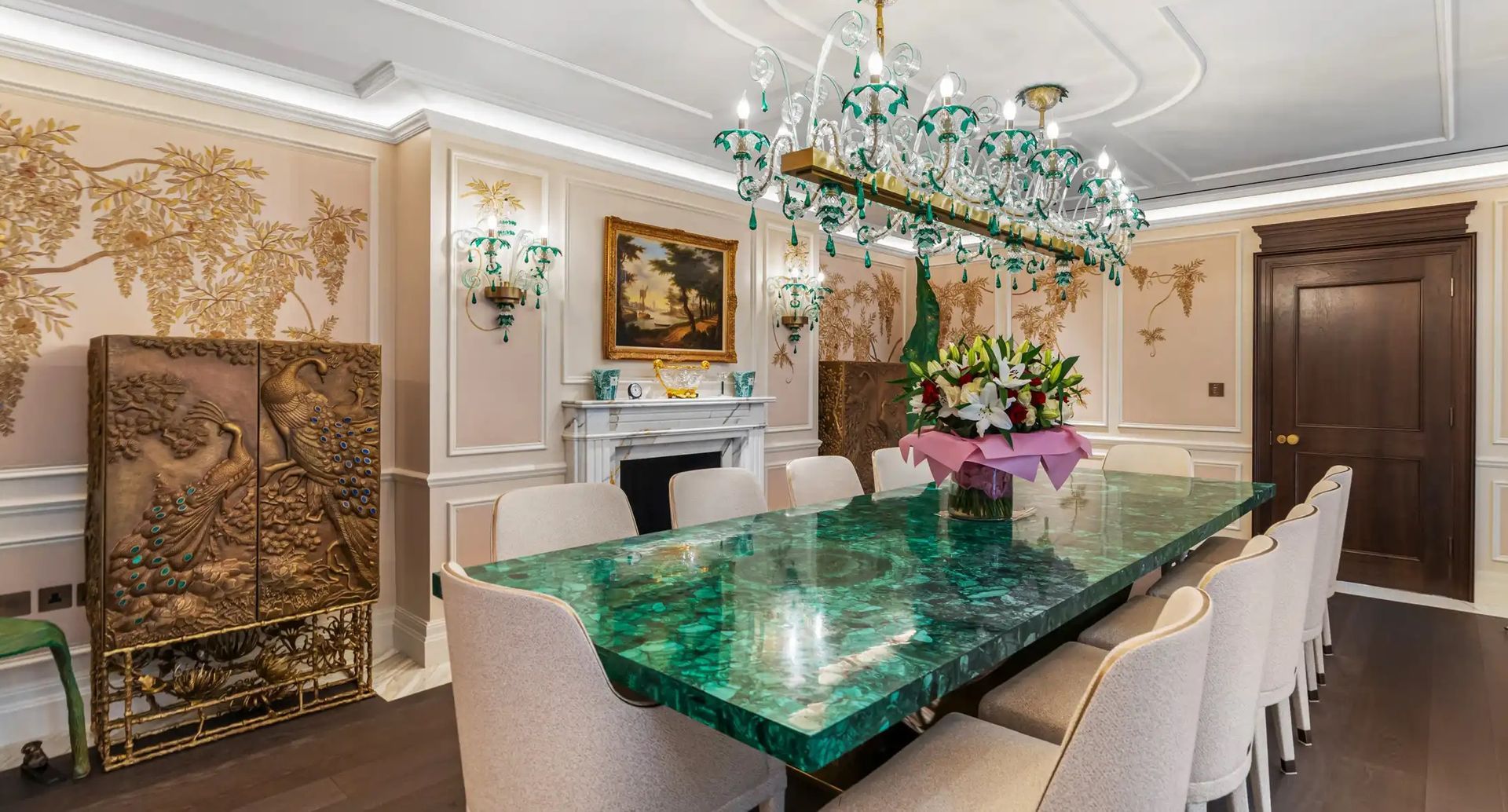
Unmatched Elegance and Serenity Explore This Chelsea Barracks Estate Residence for £47,000,000
By The Gentleman Magazine
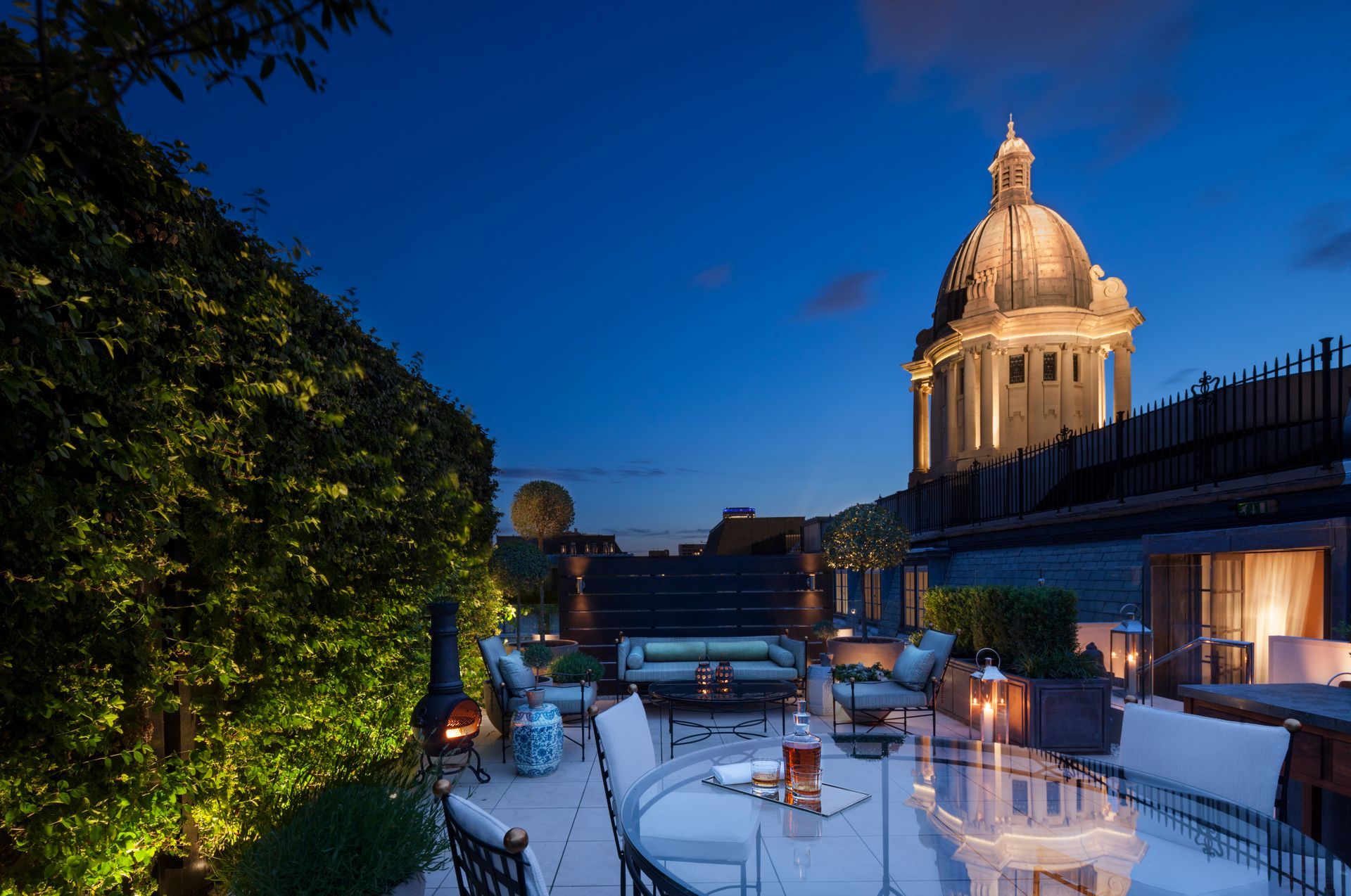
Rosewood London A Summer Residence Like No Other
By The Gentleman Magazine


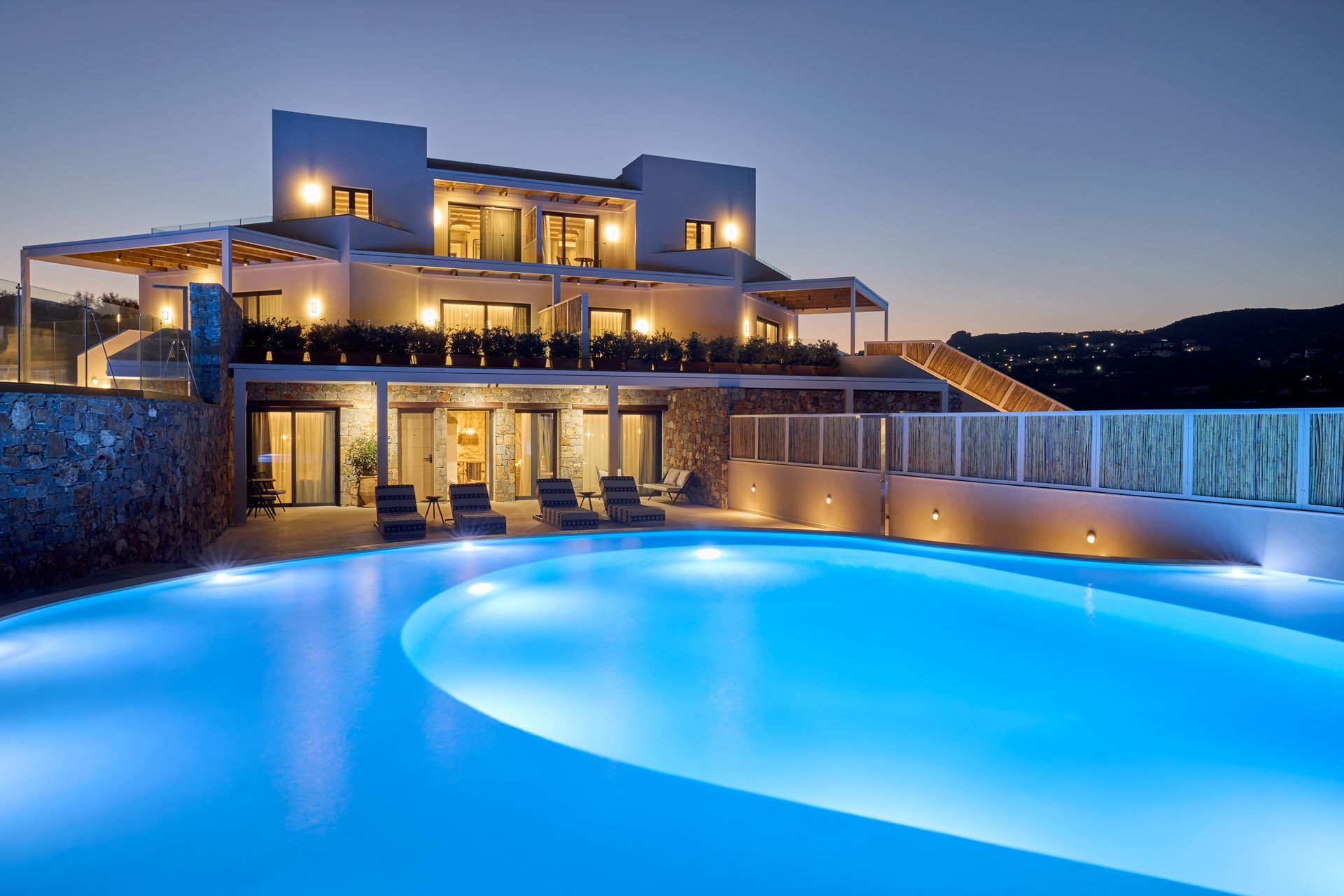
One Destination, Two Ways to Wander Greek Escapes for Curiosity and Calm
Button
East London Summer: Stella Artois × The Cardinal at Hotel Saint
Button

An English Summer in Full Bloom: Chapel Down x The Stafford London
By The Gentleman Magazine

Toyota to display its finest race, rally and road machines at the Goodwood Festival of Speed
Button

World debut of the all-new Toyota RAV4
By The Gentleman Magazine
Meet the Grand Soleil Blue: the ultimate weekender with a sustainable build
Button

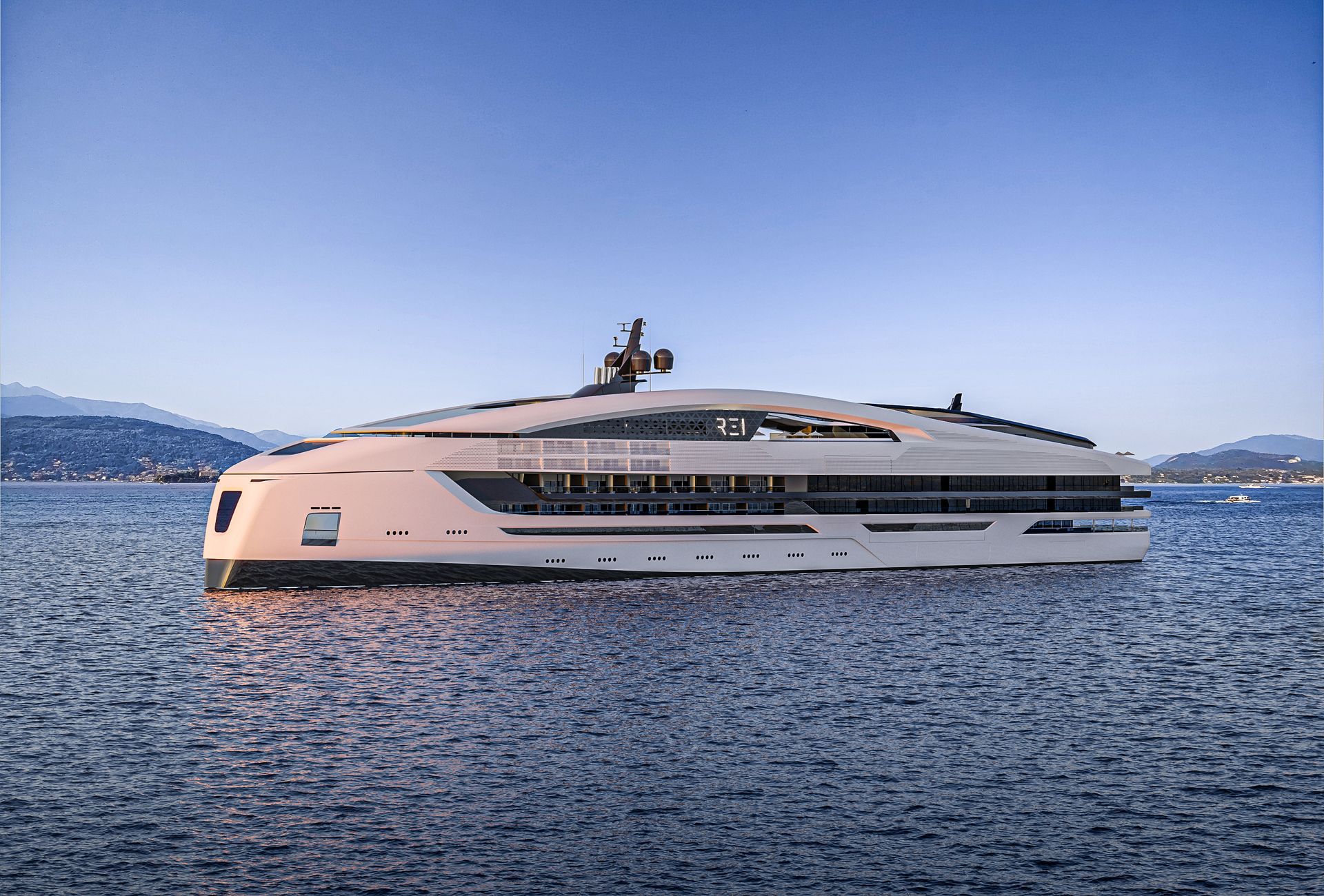
An ever-evolving journey: Viken Group introduces 196-metre cruise yacht project
Button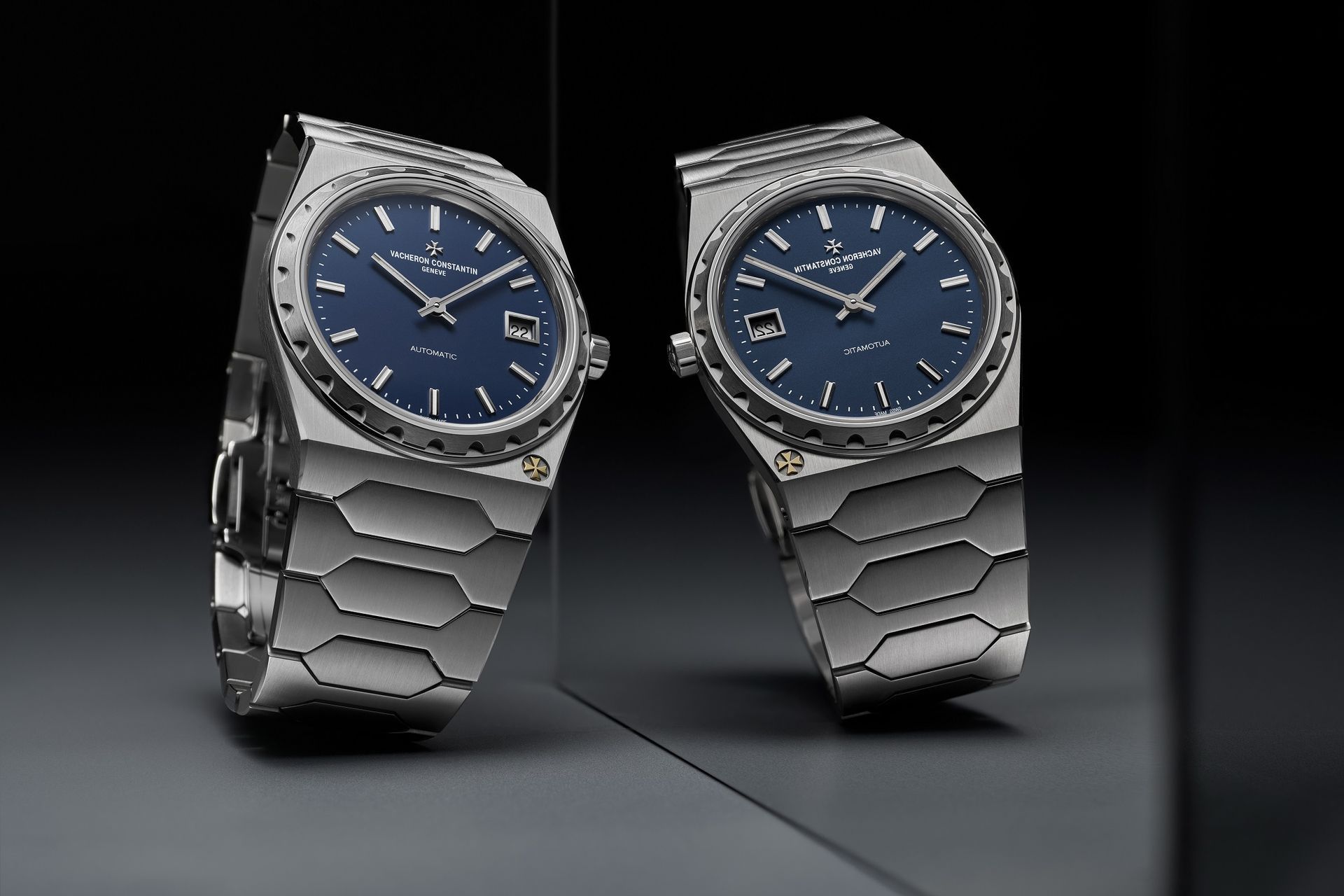
HISTORIQUES 222 STAINLESS STEEL WATCH, REINVENTING A SYMBOL OF DARING CREATIVITY
By The Gentleman Magazine

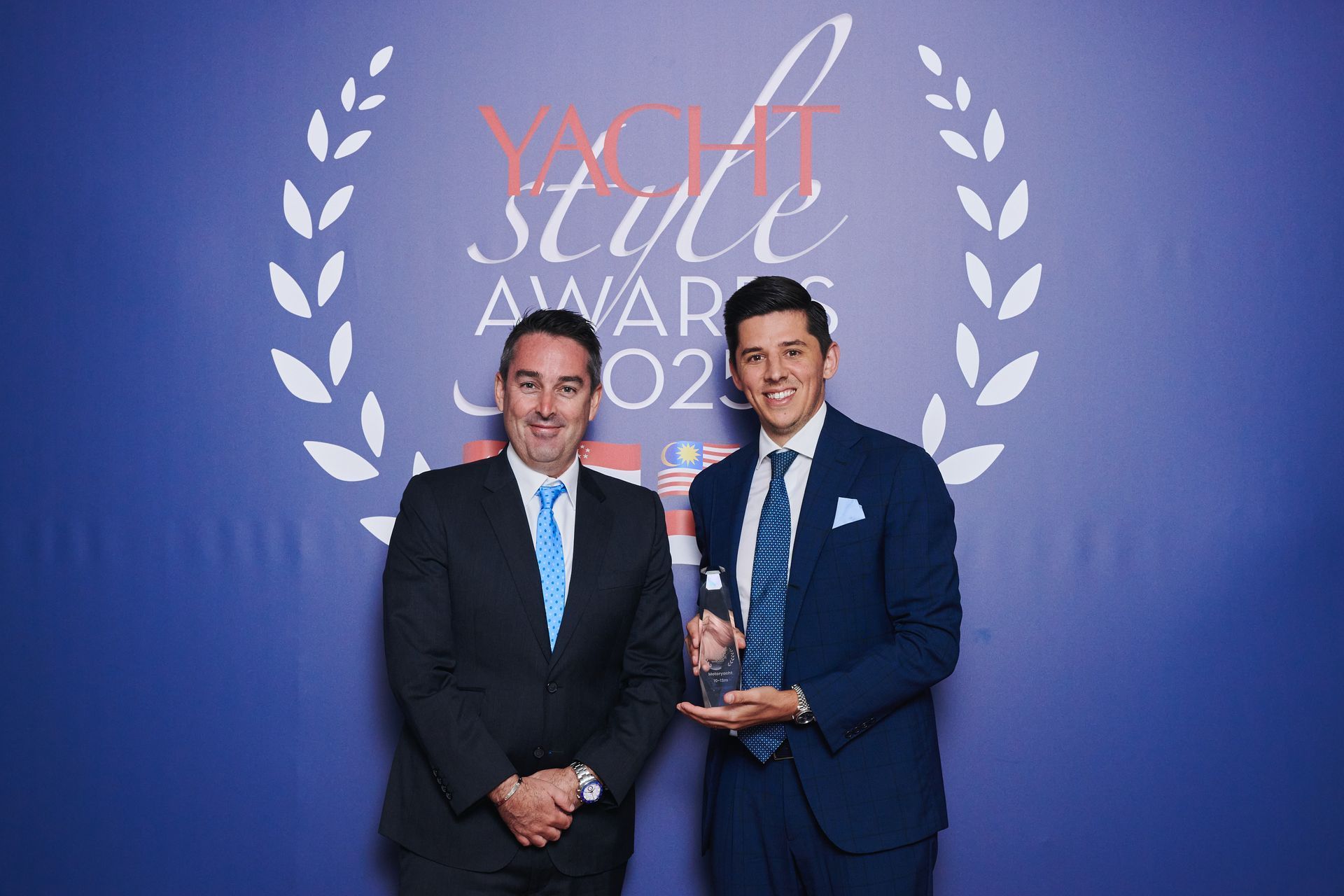
Saxdor 400 GTC Takes the Spotlight at the Yacht Style Awards 2025
By The Gentleman Magazine

F80: Ferrari’s new supercar
By The Gentleman Magazine

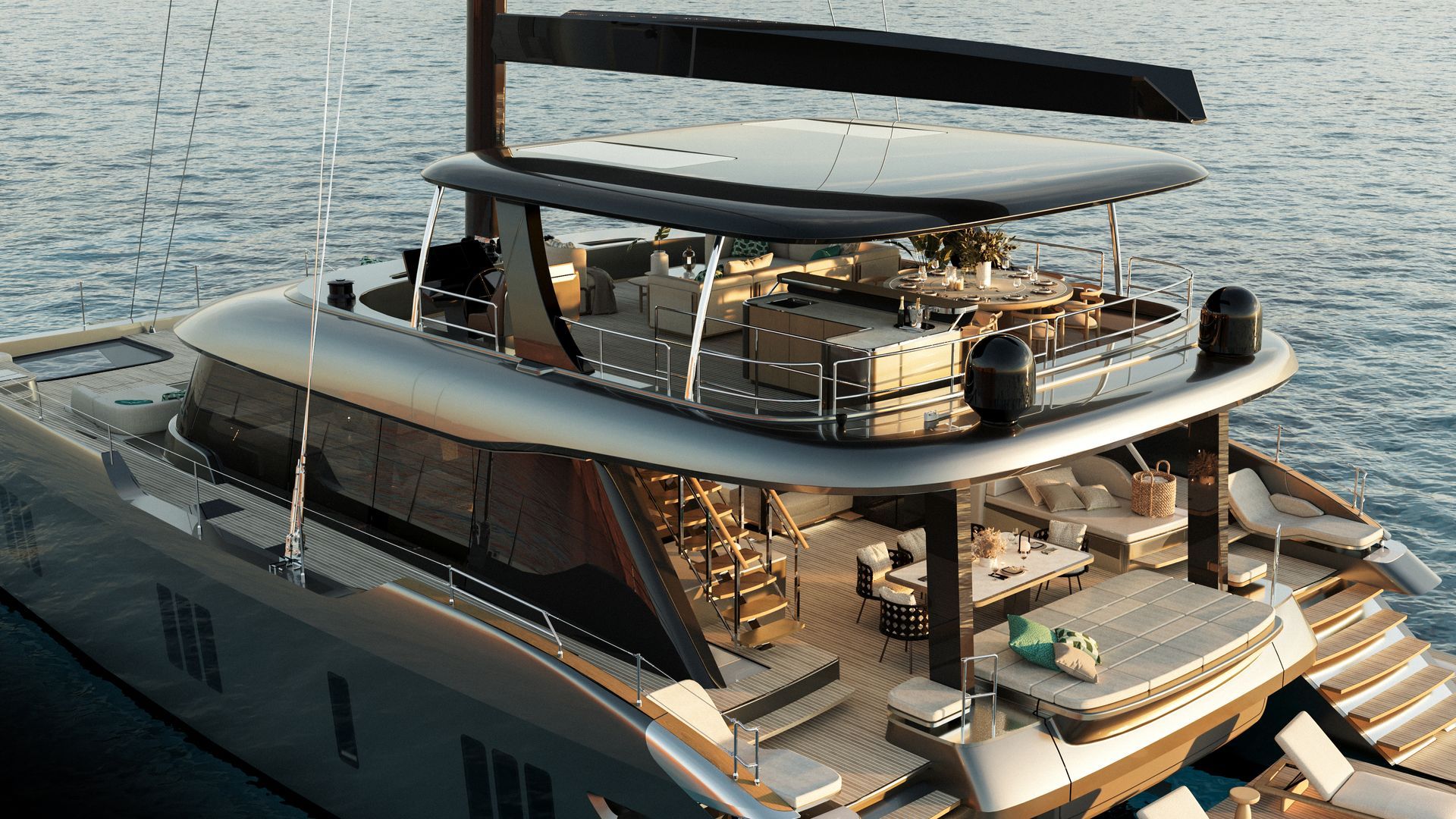
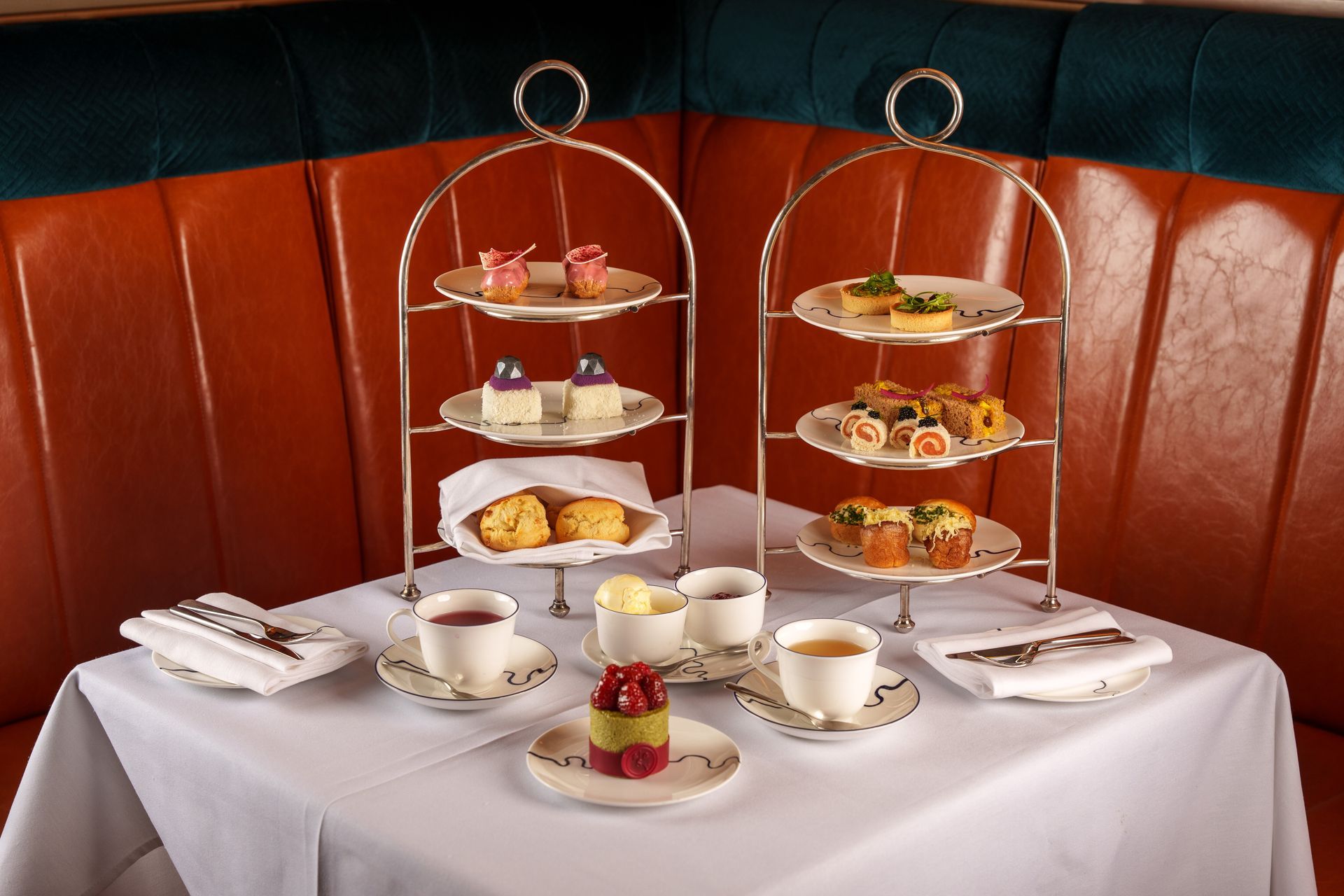

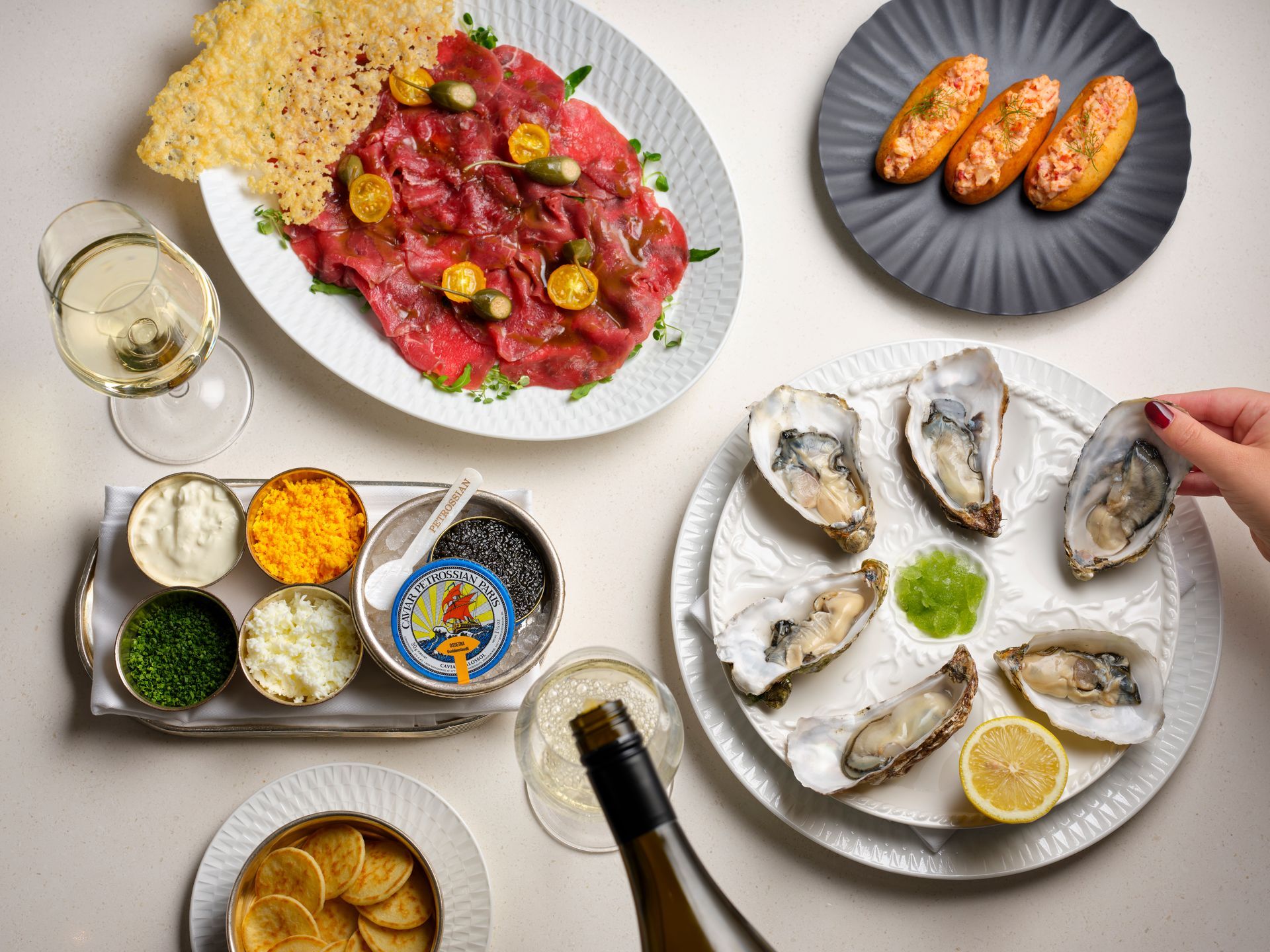
The Gallery at The Savoy: A Culinary Masterpiece for Every Occasion
Button
FRANCIS LAPP'S BUSINESS OF INNOVATION: TRANSFORMING YACHTING WITH SUNREEF YACHTS
Button

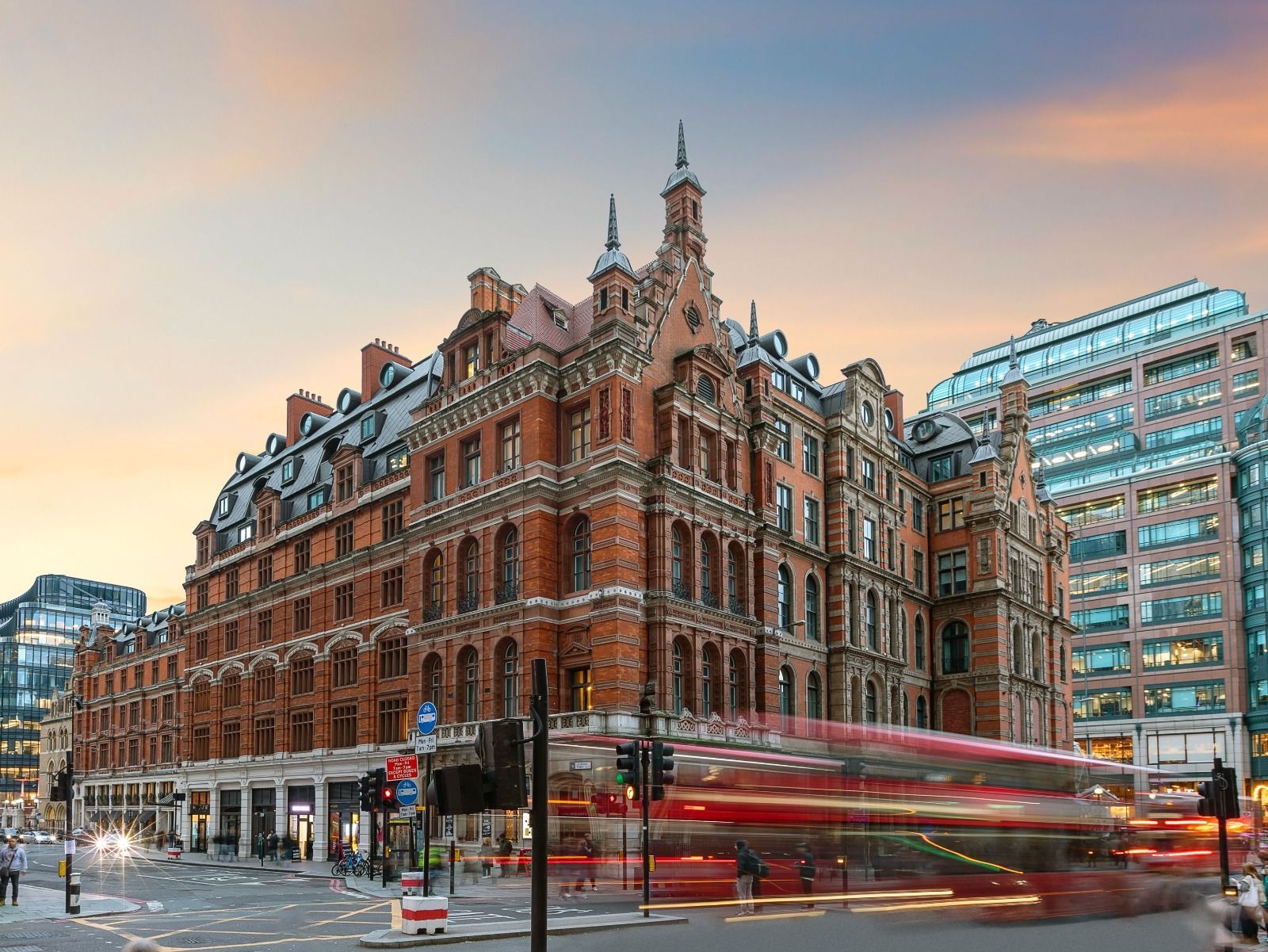
Andaz London Liverpool Street: A Luxury treat in Historic London
By The Gentleman Magazine

The Ultimate Mother’s Day Gift Guide Timeless Elegance from Fairfax & Favor
Button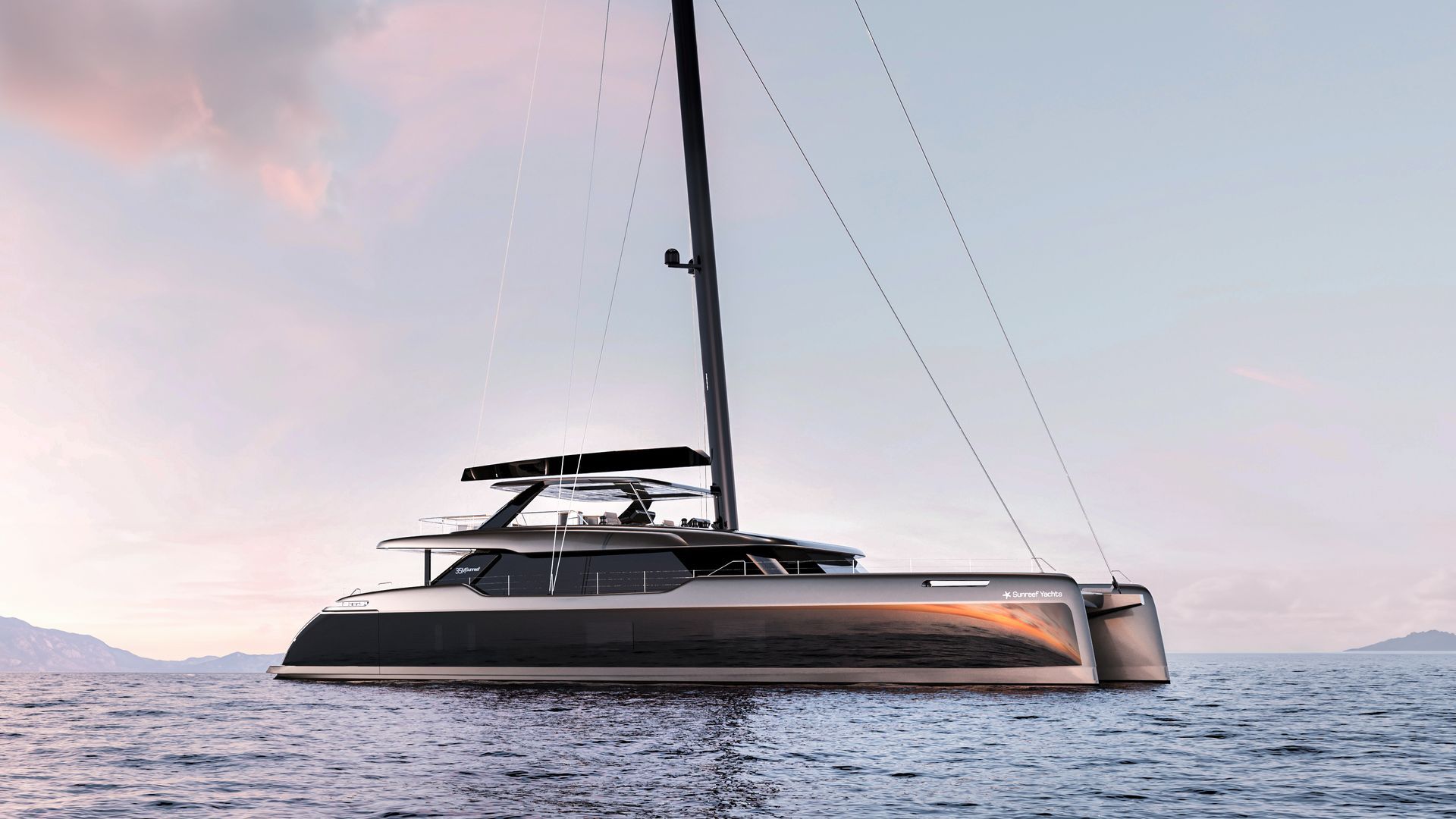

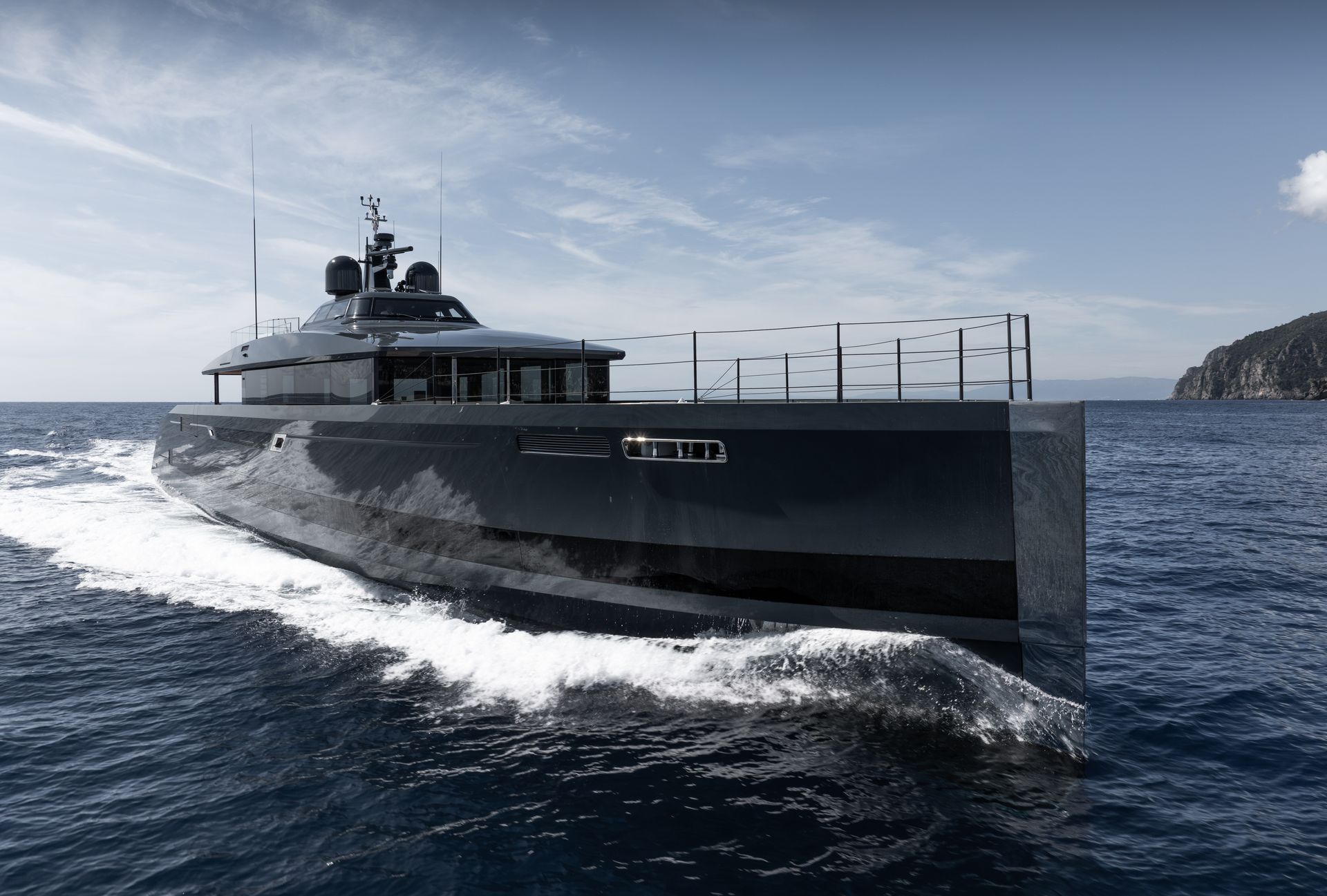
Alia Yachts debuts full-custom SAN
By The Gentleman Magazine
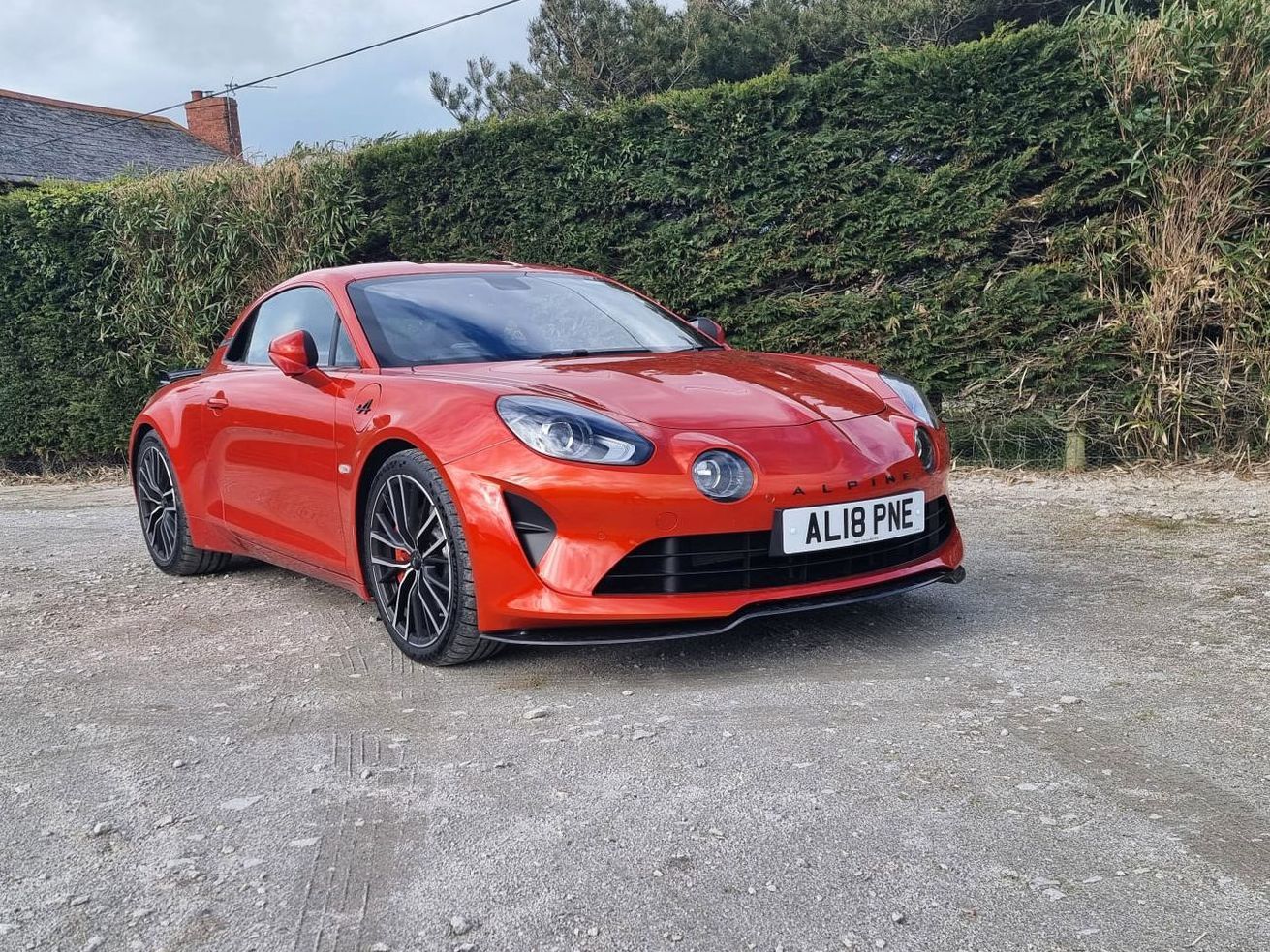
The Alpine A110S Reivew Unleashing Excitement in Sunburnt Orange
By The Gentleman Magazine
Brunch in London" Cookbook: The Perfect Christmas Gift
By The Gentleman Magazine
Exquisite Five-Floor Terrace House in Regent's Park £25,000,000
By The Gentleman Magazine


Luxury Private Dining at Blenheim Palace
By The Gentleman Magazine

THE BUGATTI TOURBILLON: AN AUTOMOTIVE ICON
By The Gentleman Magazine



Best action camera in 2024
By The Gentleman Magazine
The Orange: Belgravia's Culinary Jewel, Where Even Furry Friends Feel at Home
By The Gentleman Magazine



Guizhou and Its Cherry Blossom Wonderland
By The Gentleman Magazine
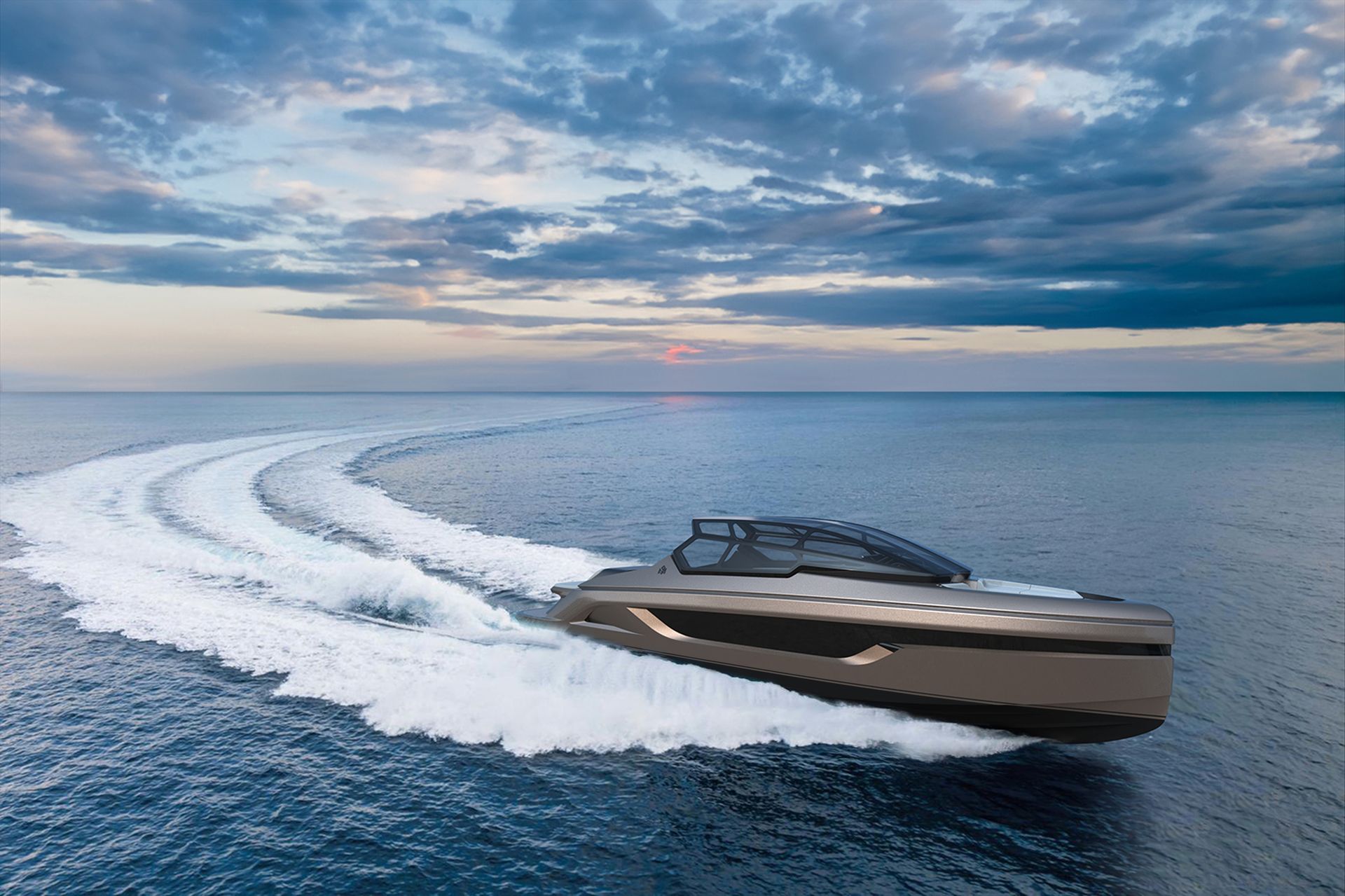
Enata is selected manufacturing partner for Mirarri yacht
By The Gentleman Magazine
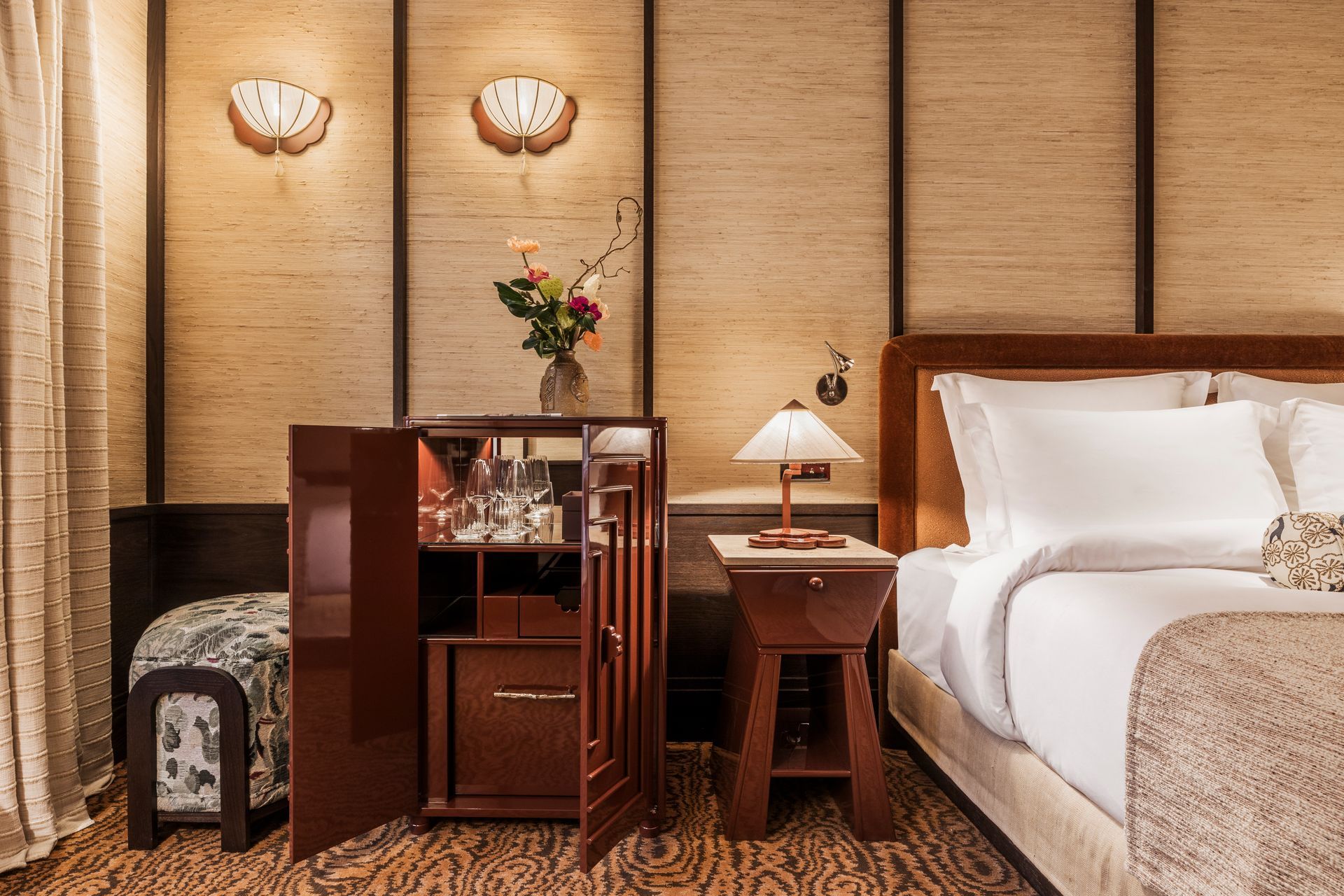
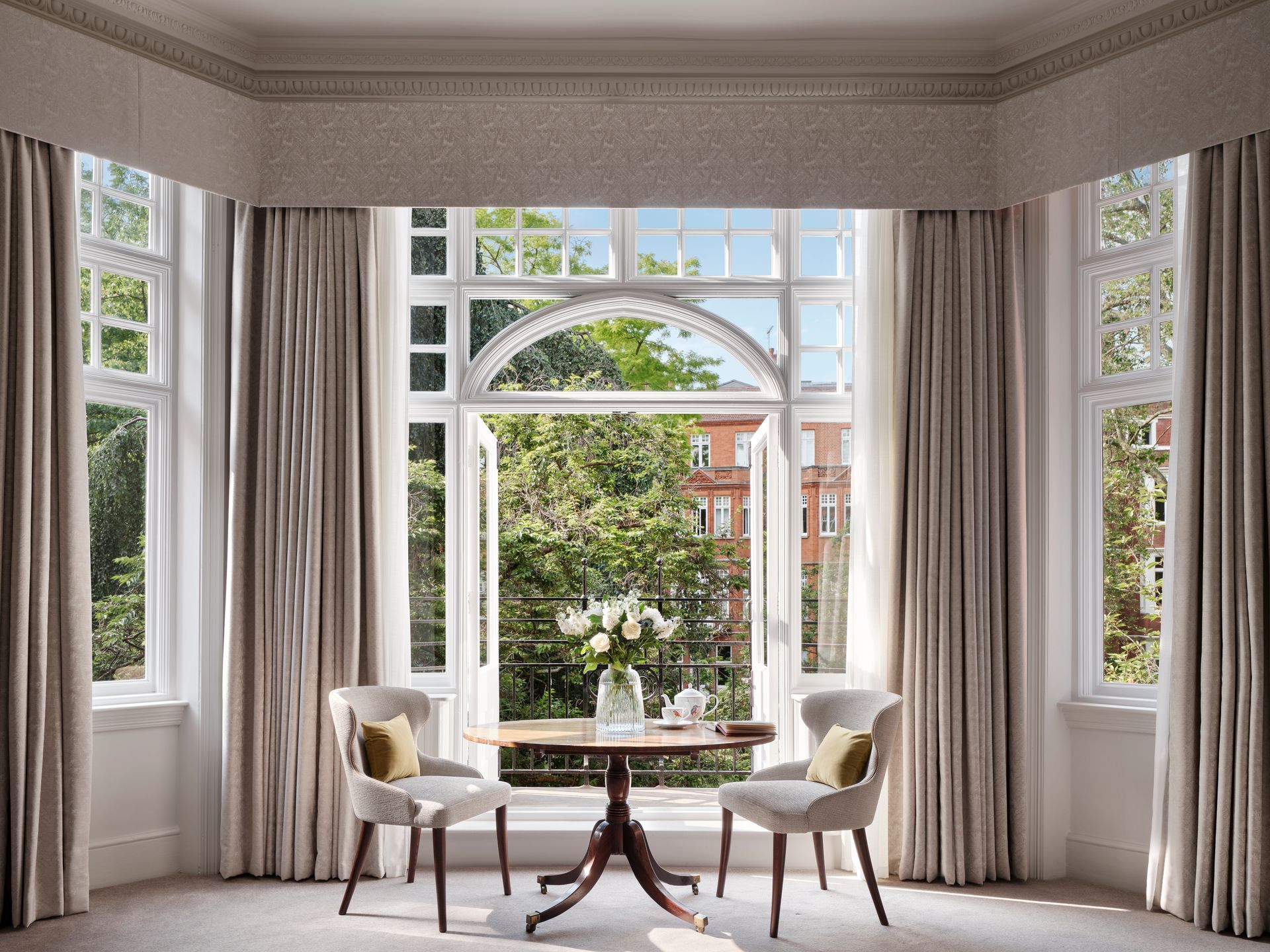
The opening of The Cocochine, Bruton Place, Mayfair
By The Gentleman Magazine

Gordon Murray Automotive makes Saudi Arabian debut with ultra-exclusive supercar trio
By The Gentleman Magazine

Lake Como: A Journey into Luxury
By The Gentleman Magazine
Luke Selby & 40 Years of Le Manoir aux Quat'Saisons
By The Gentleman Magazine


The Mariners: A Cornish Oasis Overlooking the Camel Estuary
By The Gentleman Magazine

Step into the future with the Honda e:Ny1
By The Gentleman Magazine



The new McLaren Artura Spider
By The Gentleman Magazine
How to make Tiramisu like a True Italian
By The Gentleman Magazine

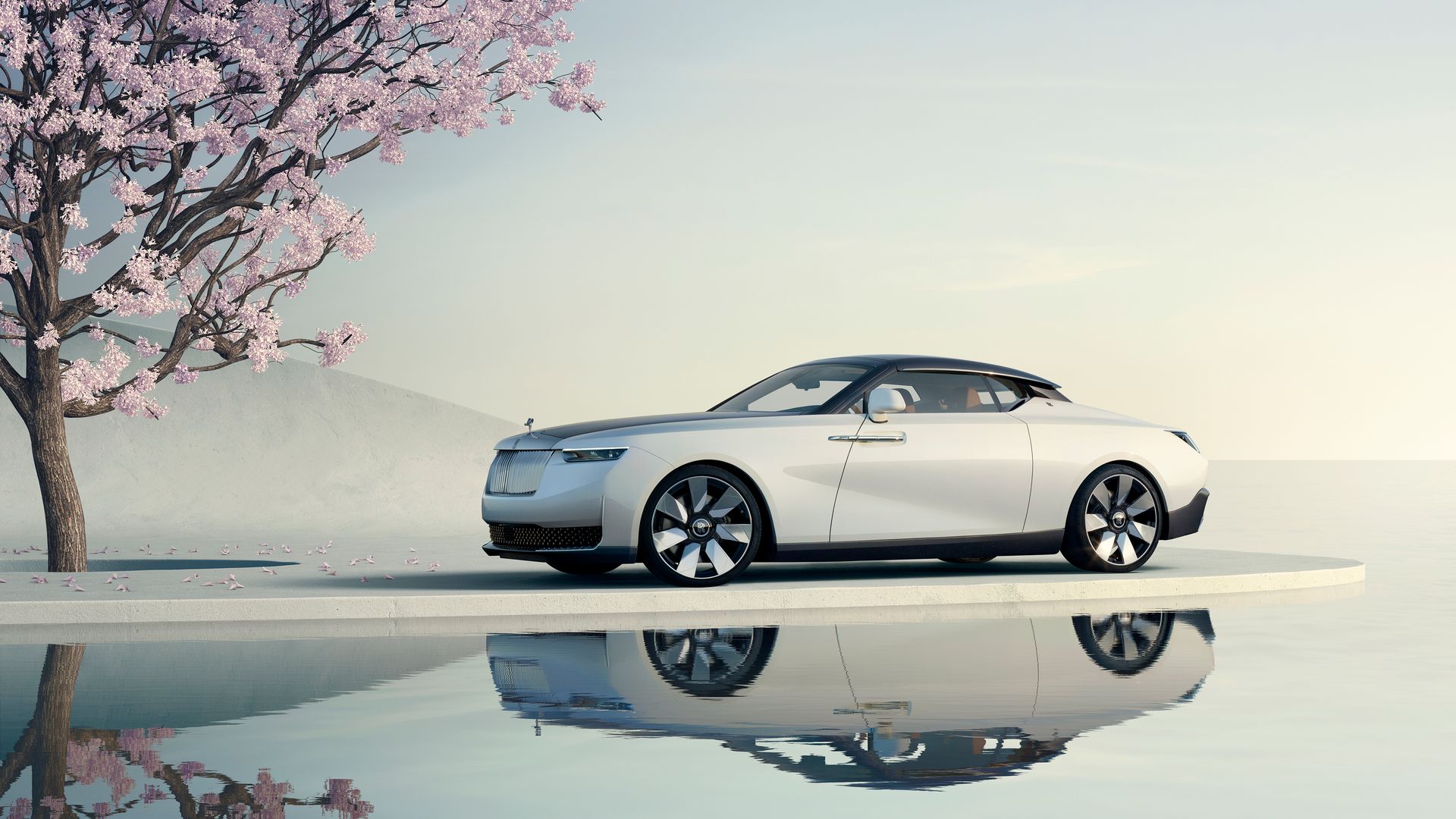
ROLLS-ROYCE UNVEILS ARCADIA DROPTAIL
By The Gentleman Magazine
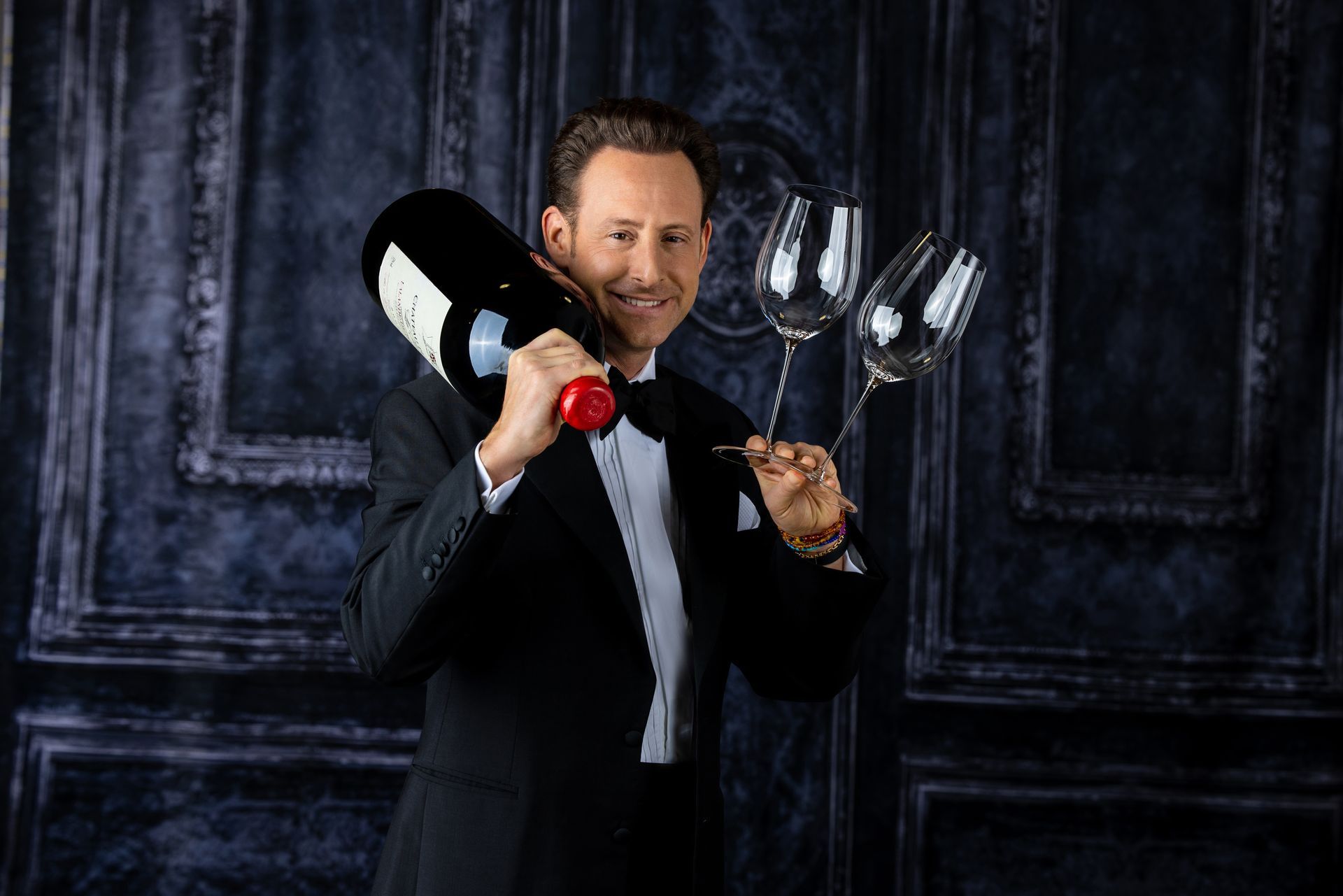
Interview with Maximilian Riedel
By The Gentleman Magazine
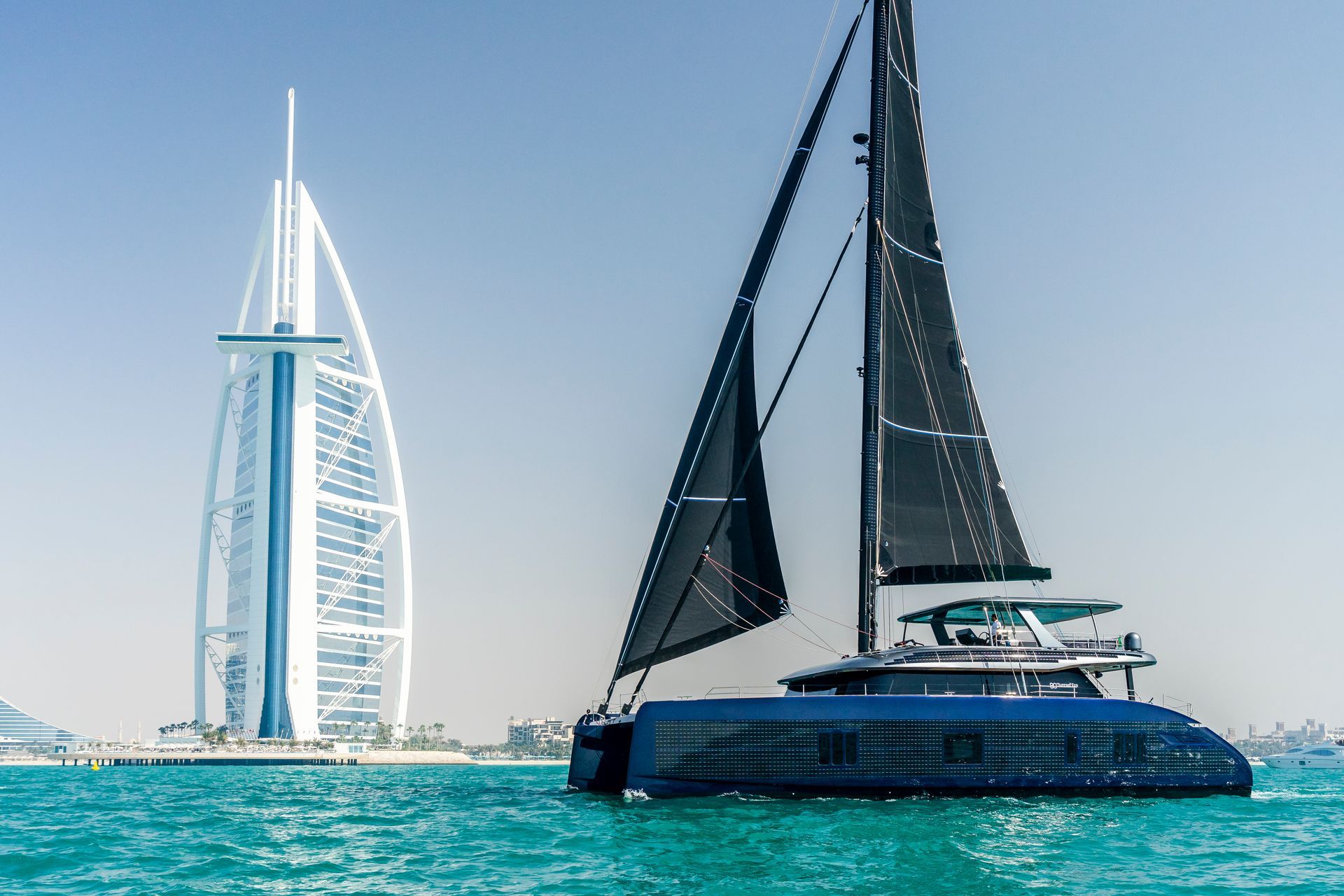


Unveiling the Timeless Elegance of Westminster
By The Gentleman Magazine
Review of The Savoy Grill by Gordon Ramsay
By The Gentleman Magazine

Amazing Knightsbridge 3-bed Apartment for £10,950,000
By The Gentleman Magazine

Best electric shaver
By The Gentleman Magazine
What is The Order of the Thistle: Honouring Scotland's Elite
By The Gentleman Magazine
Pretty in Pink: The Catamaran that stands out from the crowd
Button

5 minutes with Daphne Stepheson
By The Gentleman Magazine
Revolution in Mens Luxury Fashion Alexandra Wood reveals all
By The Gentleman Magazine


Discover Aranyani
By The Gentleman Magazine
DukesHill’s Easter Chocolate Selection
By The Gentleman Magazine



Perfect Gifts For Her From Pretty Polly
By The Gentleman Magazine

SW3 Unveiled: A Luxurious Escapade through London’s Prestigious Neighborhood
By The Gentleman Magazine
Best fragrances for Men
By The Gentleman Magazine
Meet The Chef: Alexandre MazziaMeet The Chef: Alexandre Mazzia
By The Gentleman Magazine

Easter Treats from DukesHill
By The Gentleman Magazine
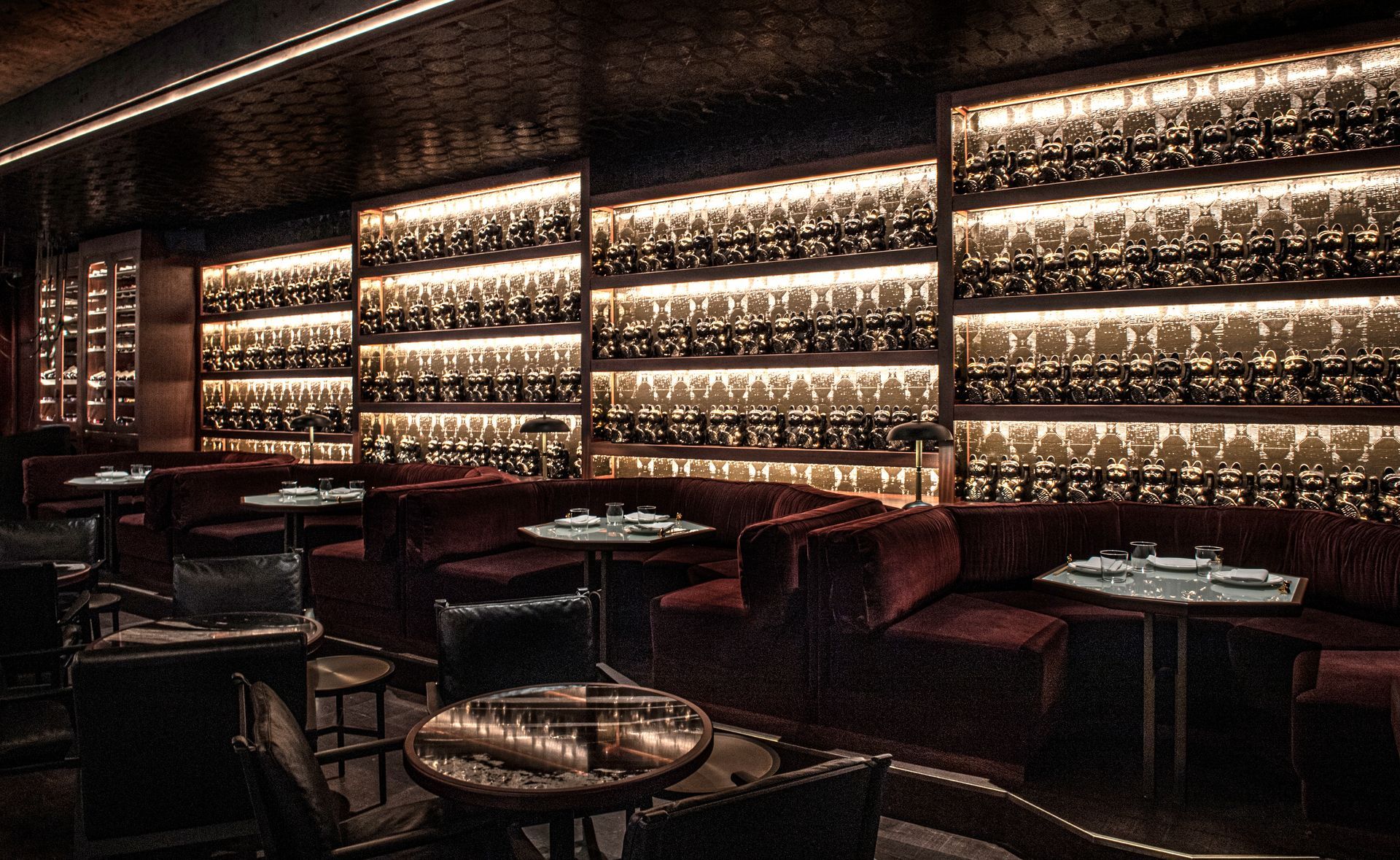
Lucky Cat is an Asian eating house combining exceptional dining with an amazing experience
By The Gentleman Magazine

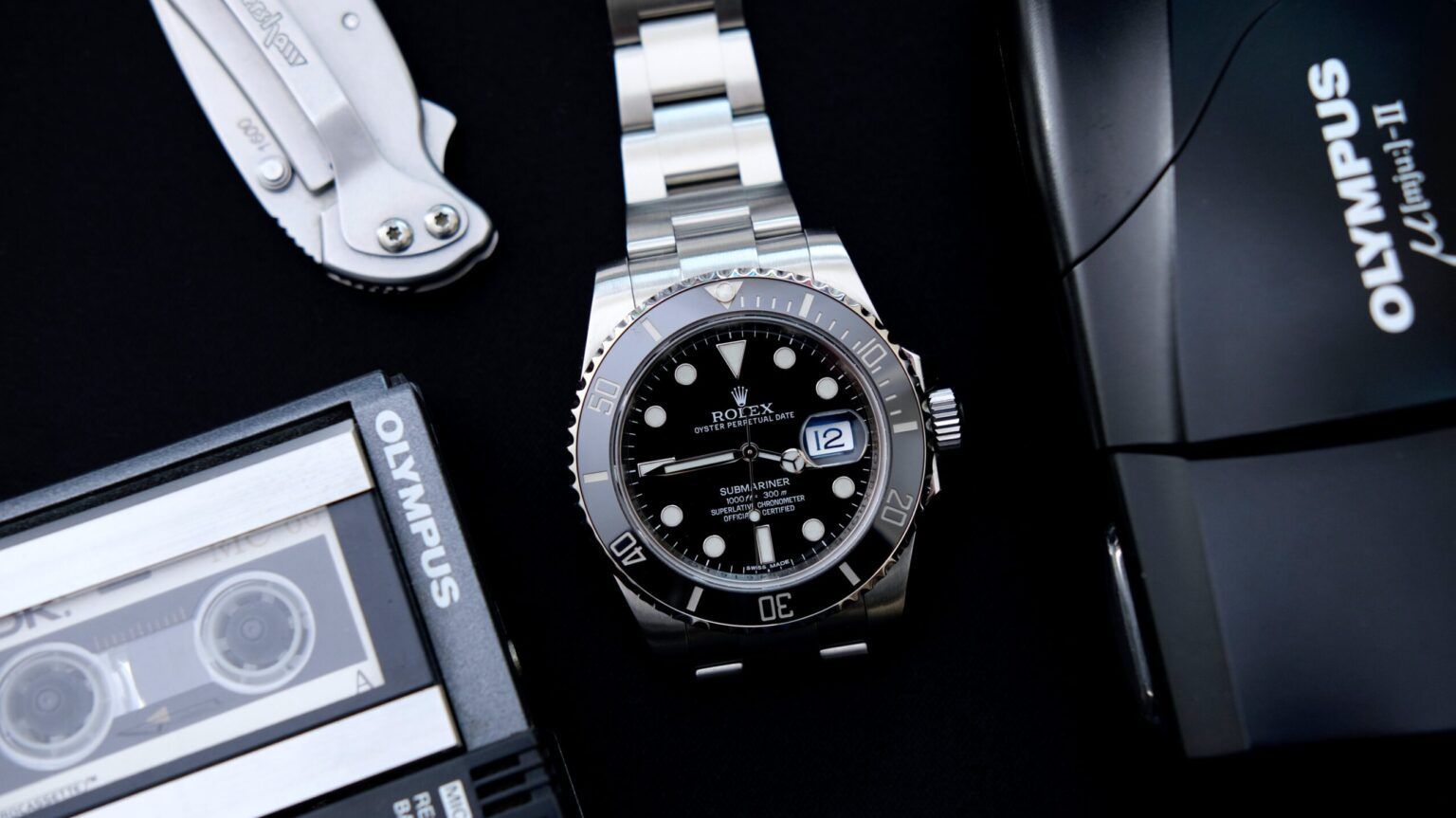

BIG BANG TOURBILLON SR_A BY SAMUEL ROSS
By The Gentleman Magazine
The Asprey Bugatti Egg Collection: Luxury at its finest
By The Gentleman Magazine


Interview with Yannis Stanisiere, Chief Operating Officer of COYA
By The Gentleman Magazine

The Pearl-Qatar: A Luxurious Haven of Elegance and Opulence
By The Gentleman Magazine


MASERATI MC20 NOTTE: A FIERCE CREATURE OF THE NOCTURNAL WORLD
By The Gentleman Magazine
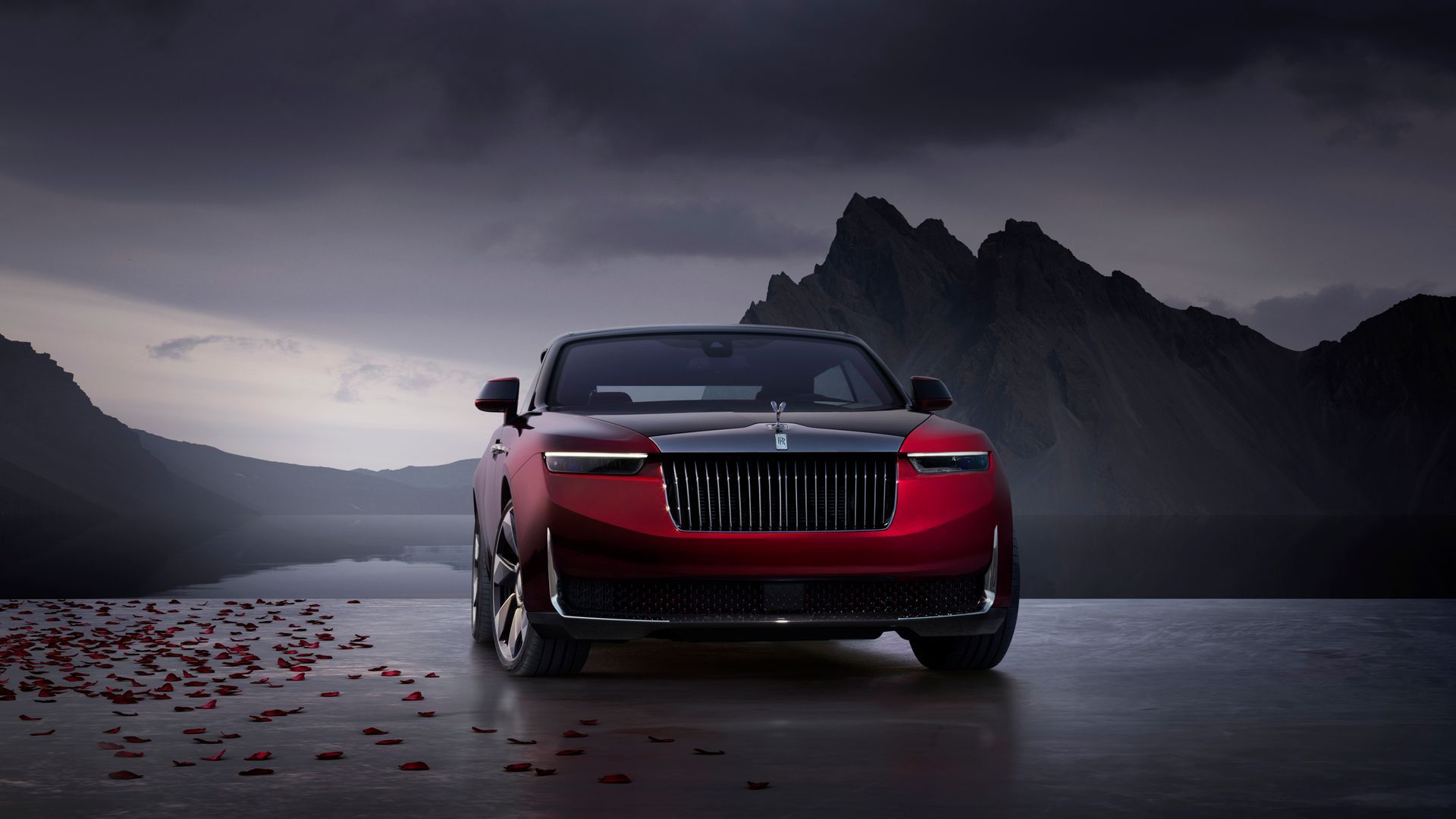
ROLLS-ROYCE LA ROSE NOIRE
By The Gentleman Magazine

BENTAYGA EXTENDED WHEELBASE MULLINER BENTLEY’S NEW FLAGSHIP
By The Gentleman Magazine
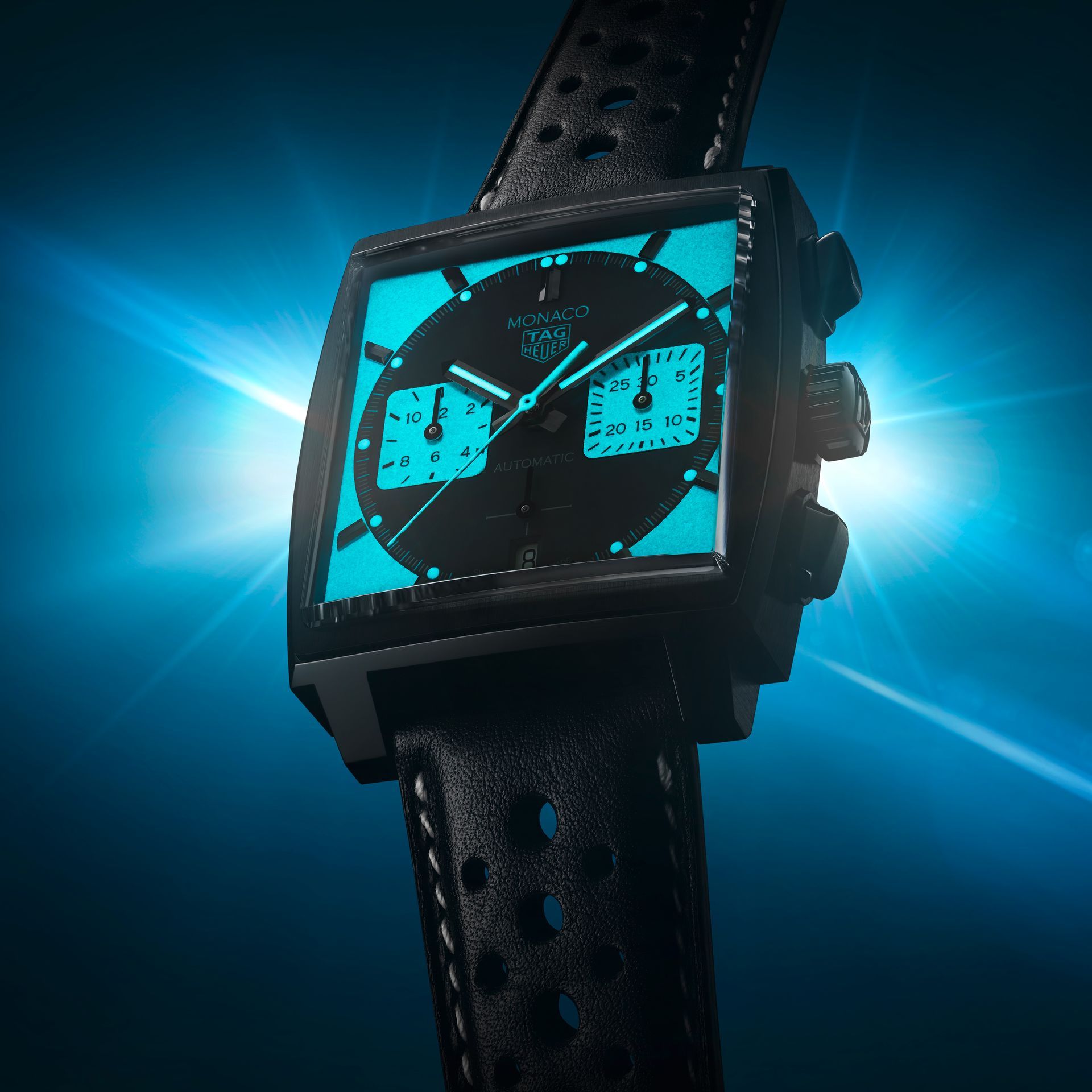
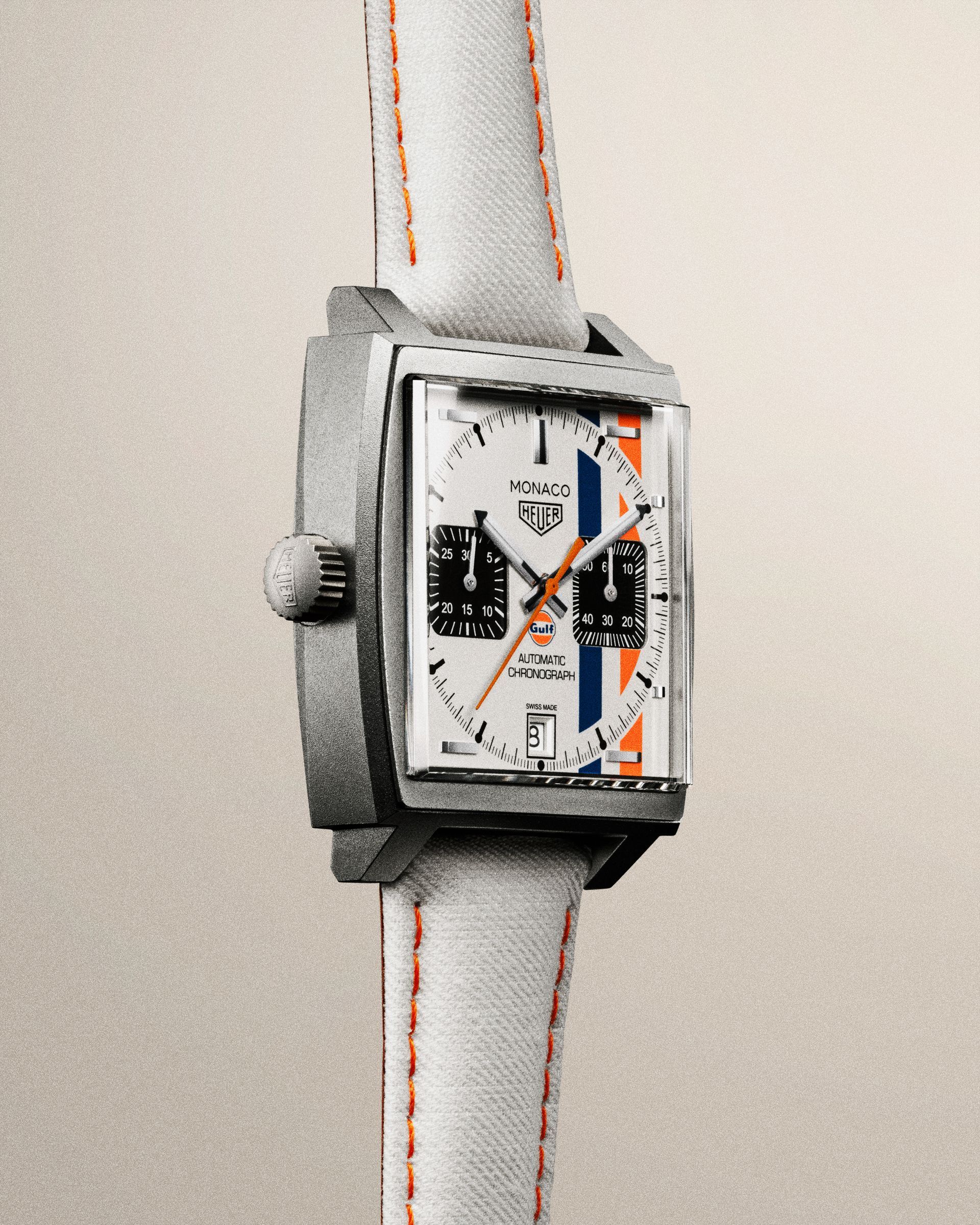
TAG HEUER MONACO CHRONOGRAPH NIGHT DRIVER
By The Gentleman Magazine


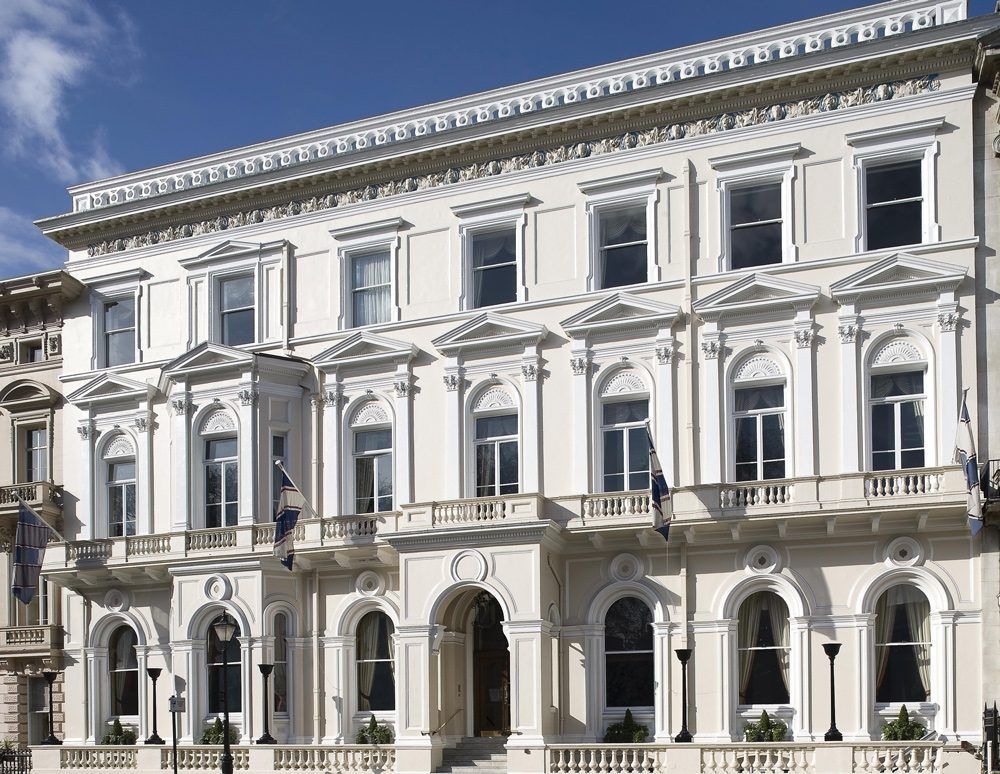
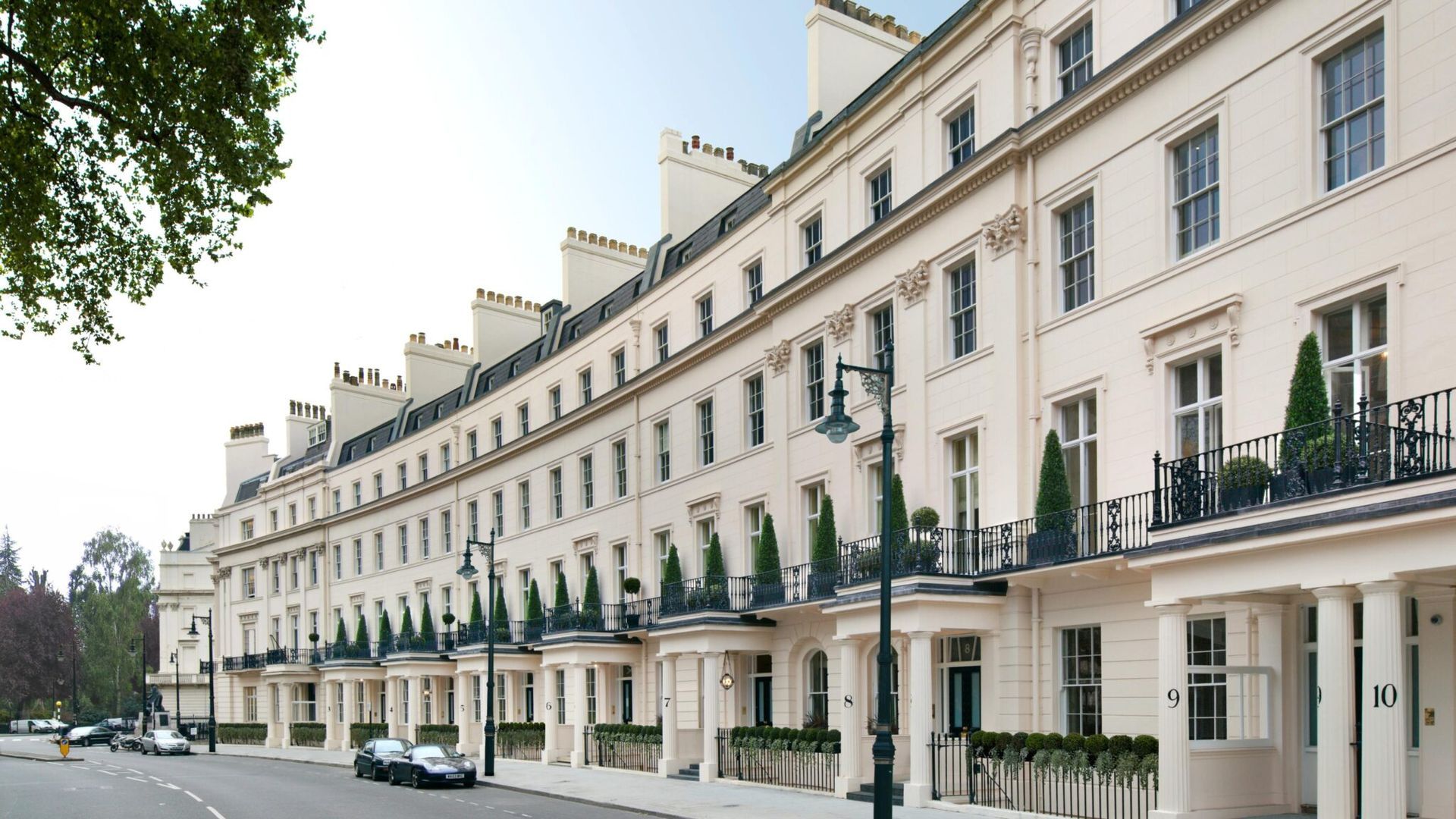
Belgravia: The Pinnacle of Luxury in London
Button
The ‘Bird’ was dedicated to Charlie Parker, the ‘Chet’ was dedicated to Chet Baker, and off I went… I had decided that black wasn’t enough.”
By The Gentleman Magazine


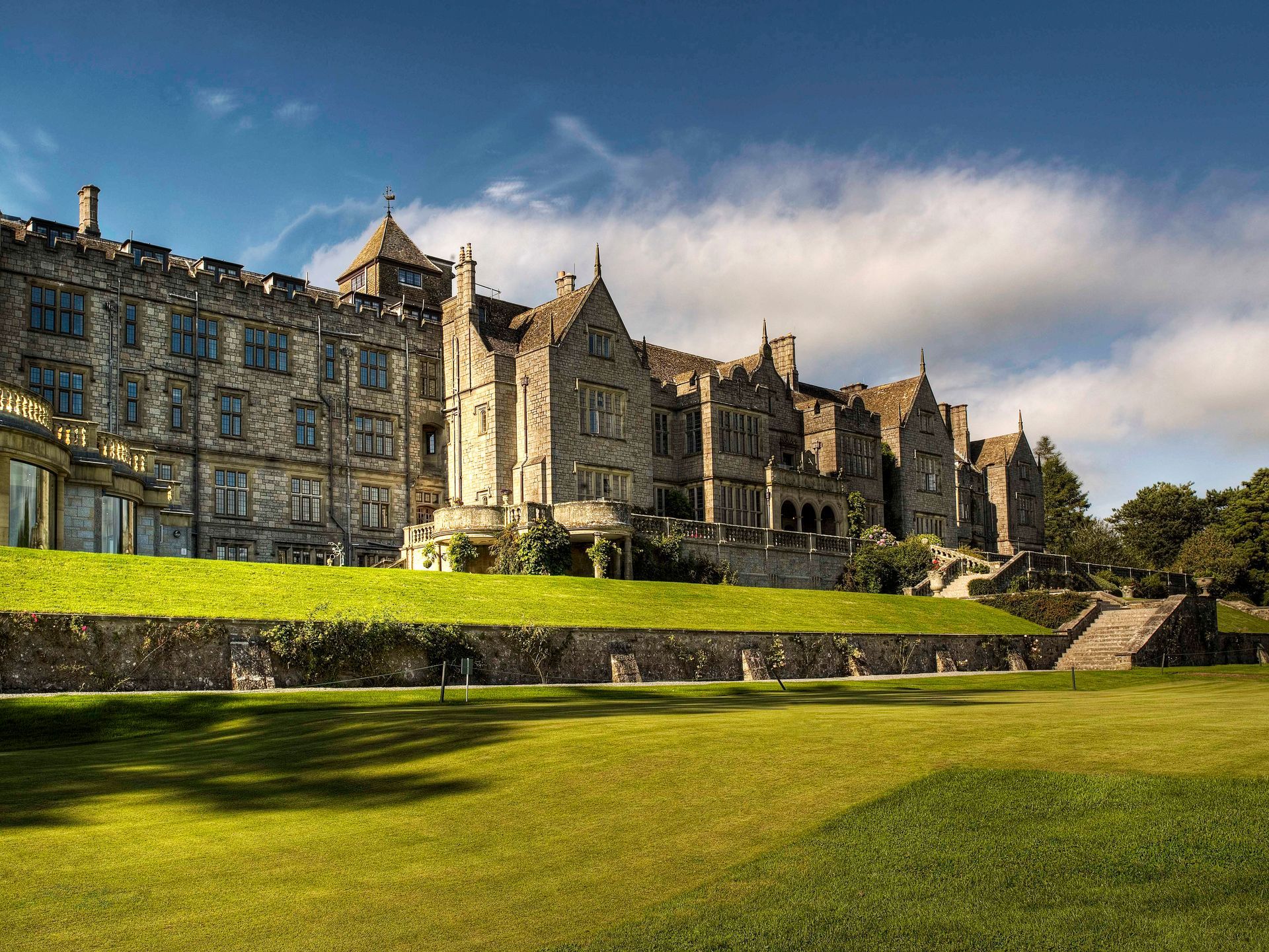
The True Magnificence of Bovey Castle
By The Gentleman Magazine
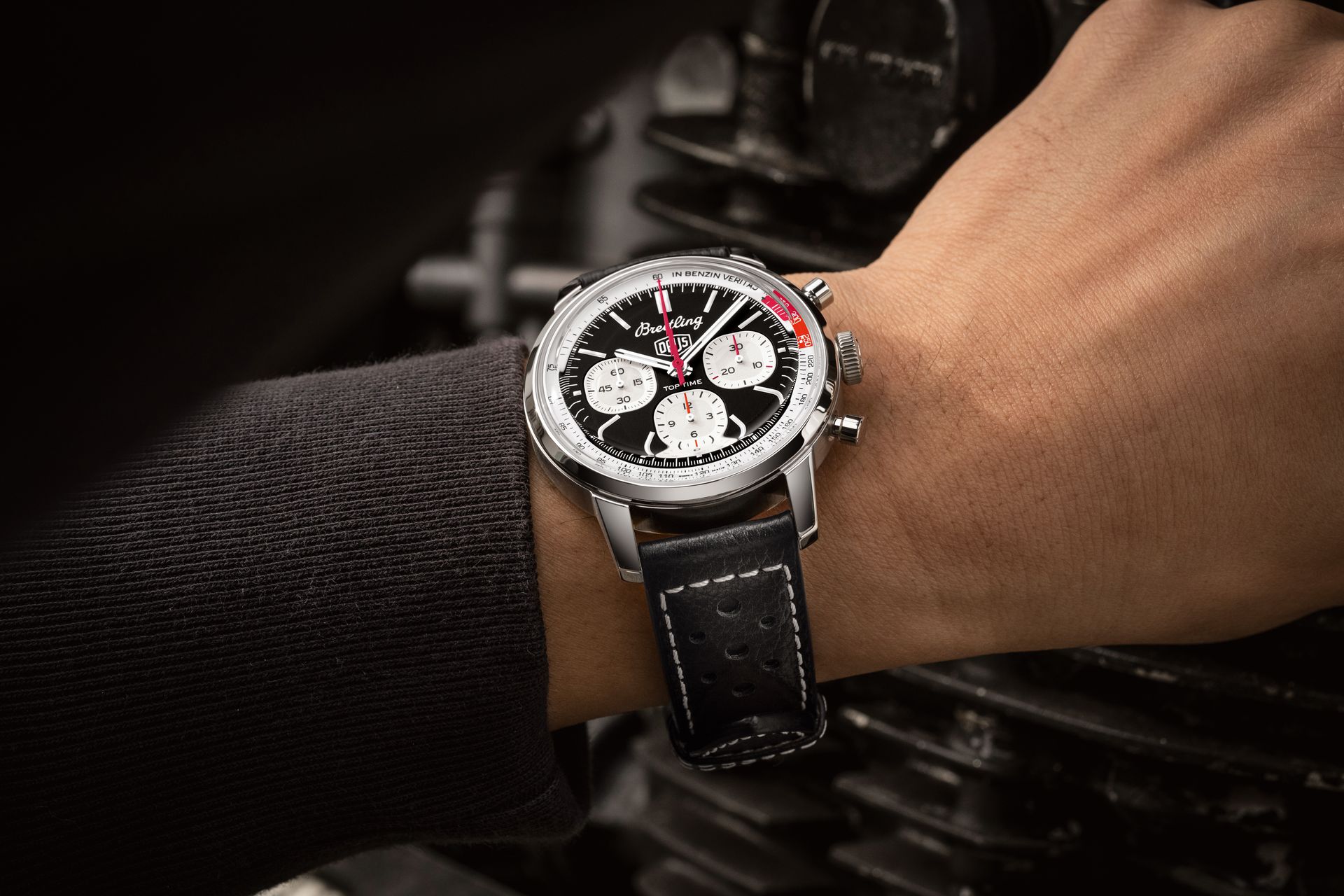
MEET THE NEW TOP TIME DEUS AND TOP TIME TRIUMPH
By Breitling

PIAGET POLO ONLYWATCH
Button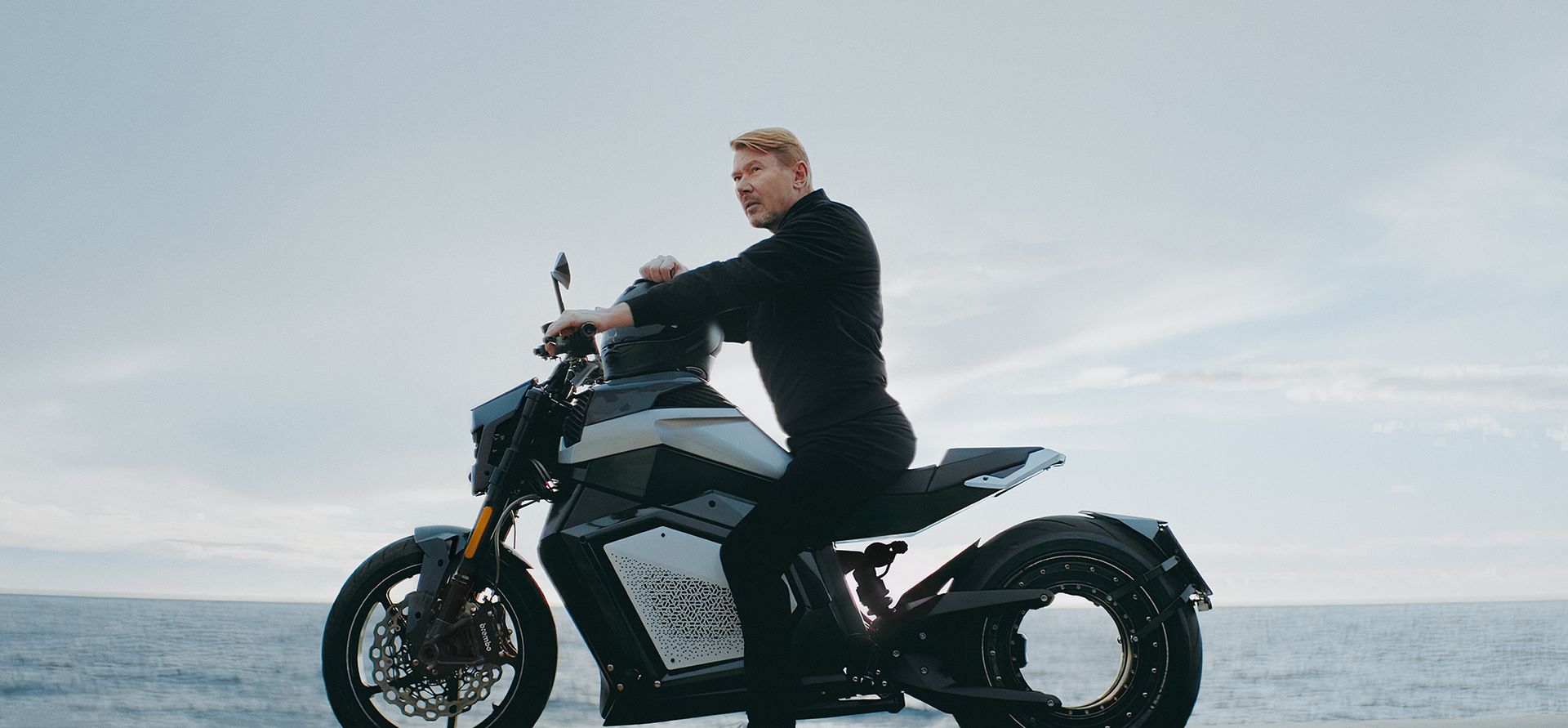
Verge Motorcycles launches electric superbike designed together with Mika Häkkinen
By The Gentleman Magazine

THE SEA CONTAINERS NEW ‘COMMUTERS CLUB SUBSCRIPTION’
By The Gentleman Magazine
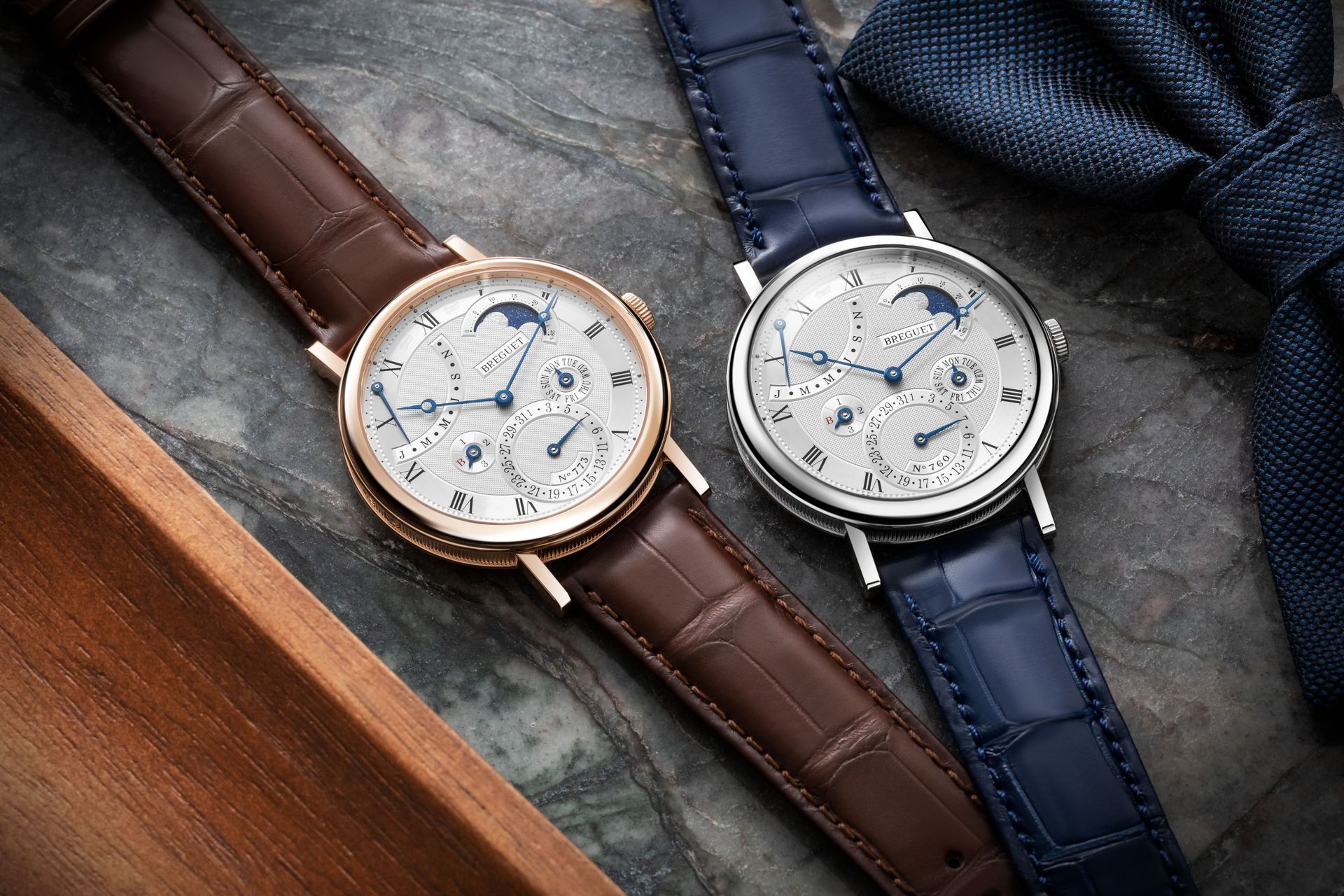
Breguet's Classique Quantième Perpétuel 7327
By Berguet


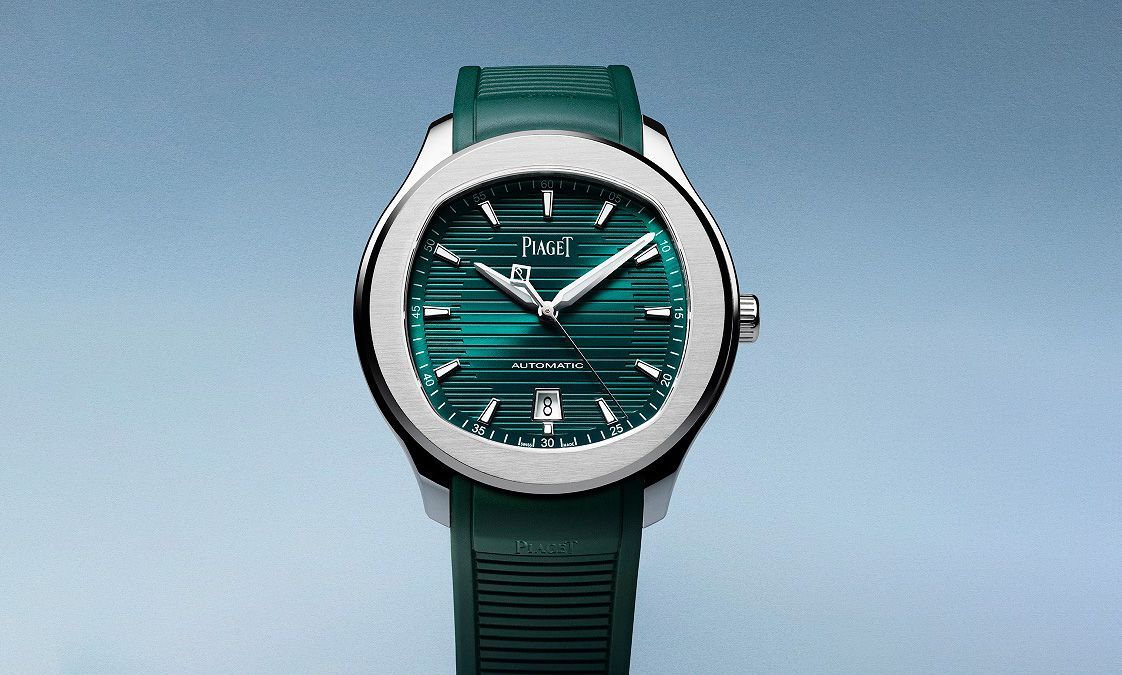
NEW PIAGET POLO DATE WILL MAKE WATCH ENTHUSIASTS GREEN WITH ENVY
By Piaget
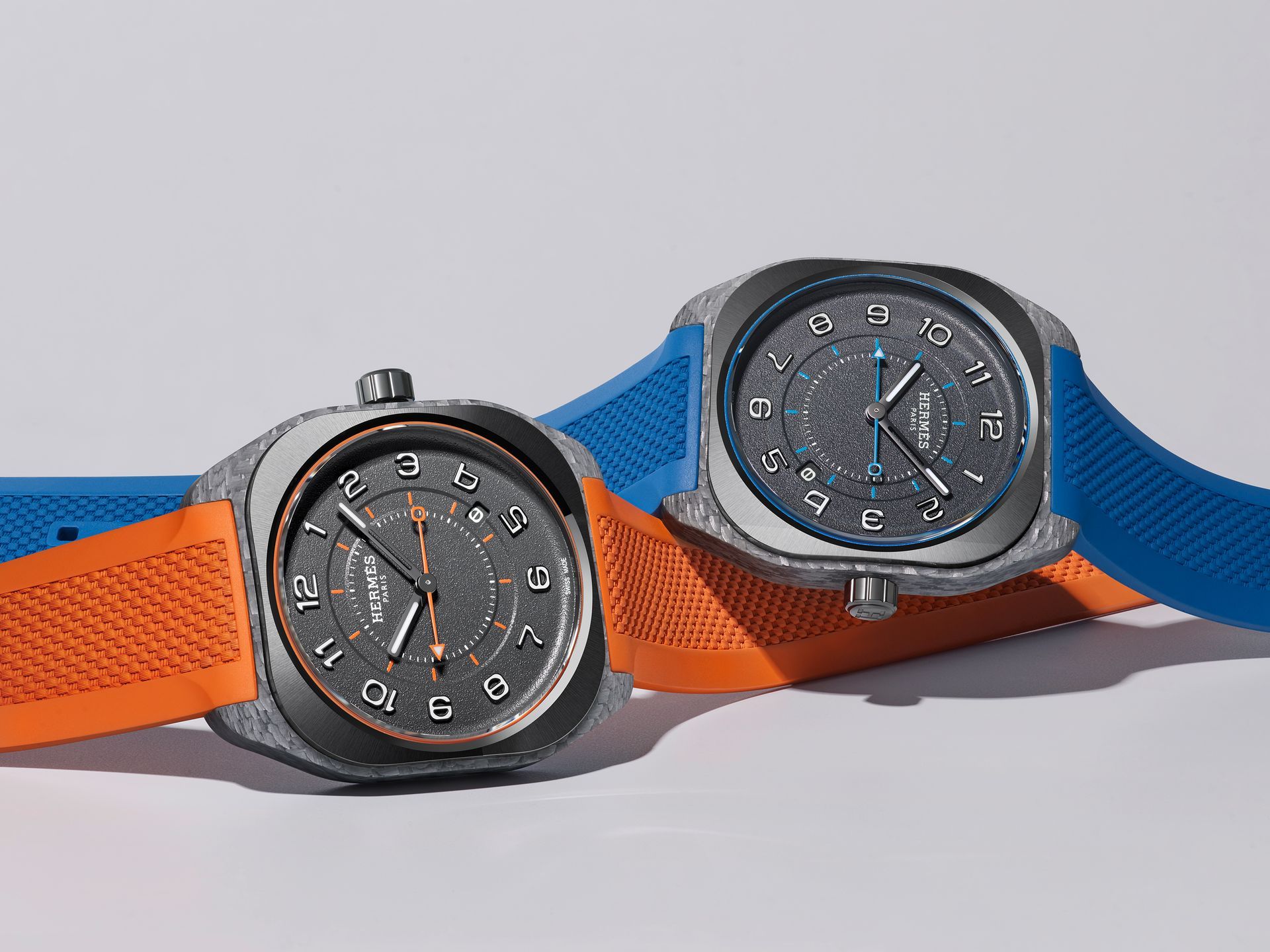
Hermès H08 watch brings colours to the forefront
By Hermes
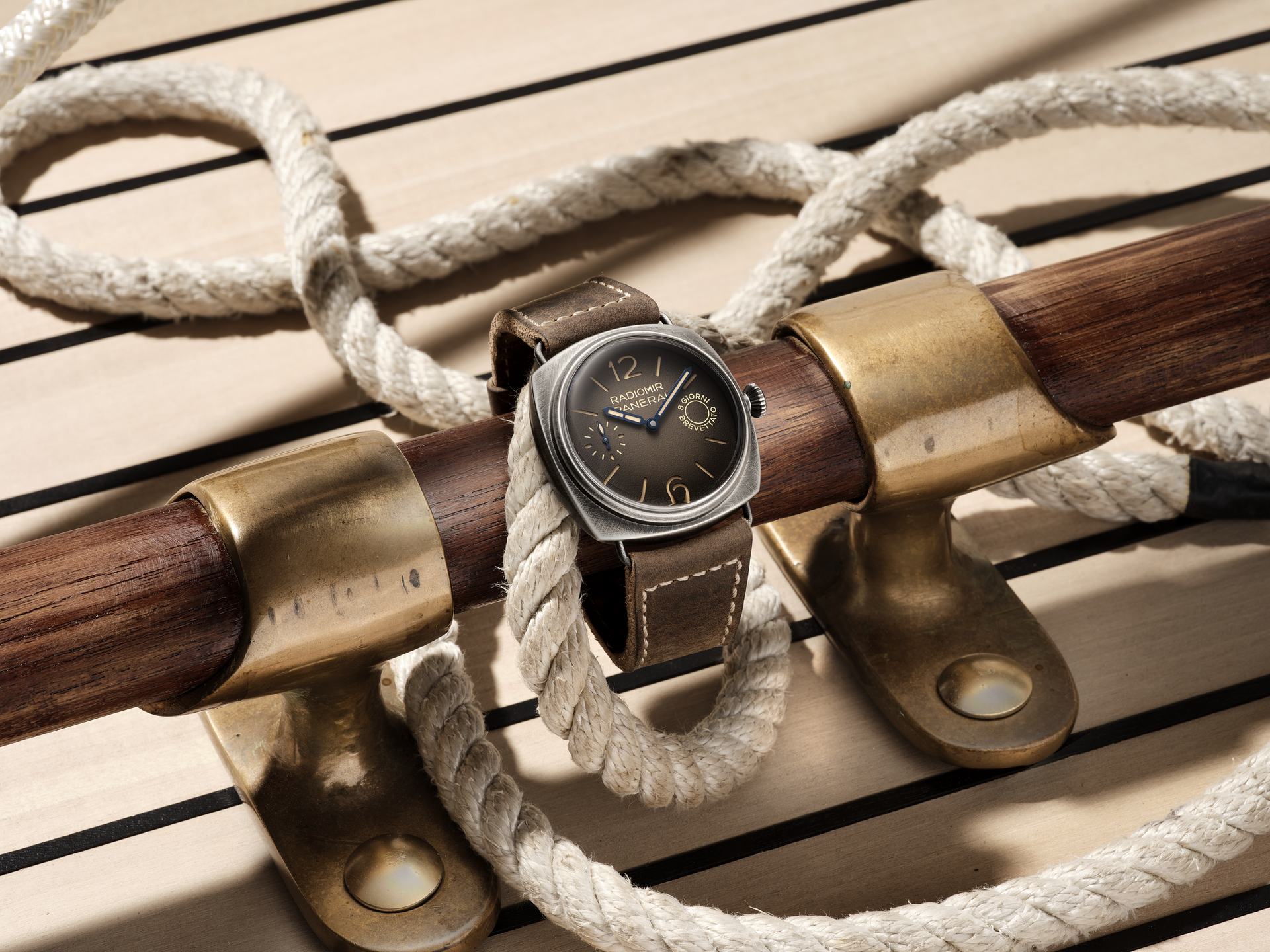
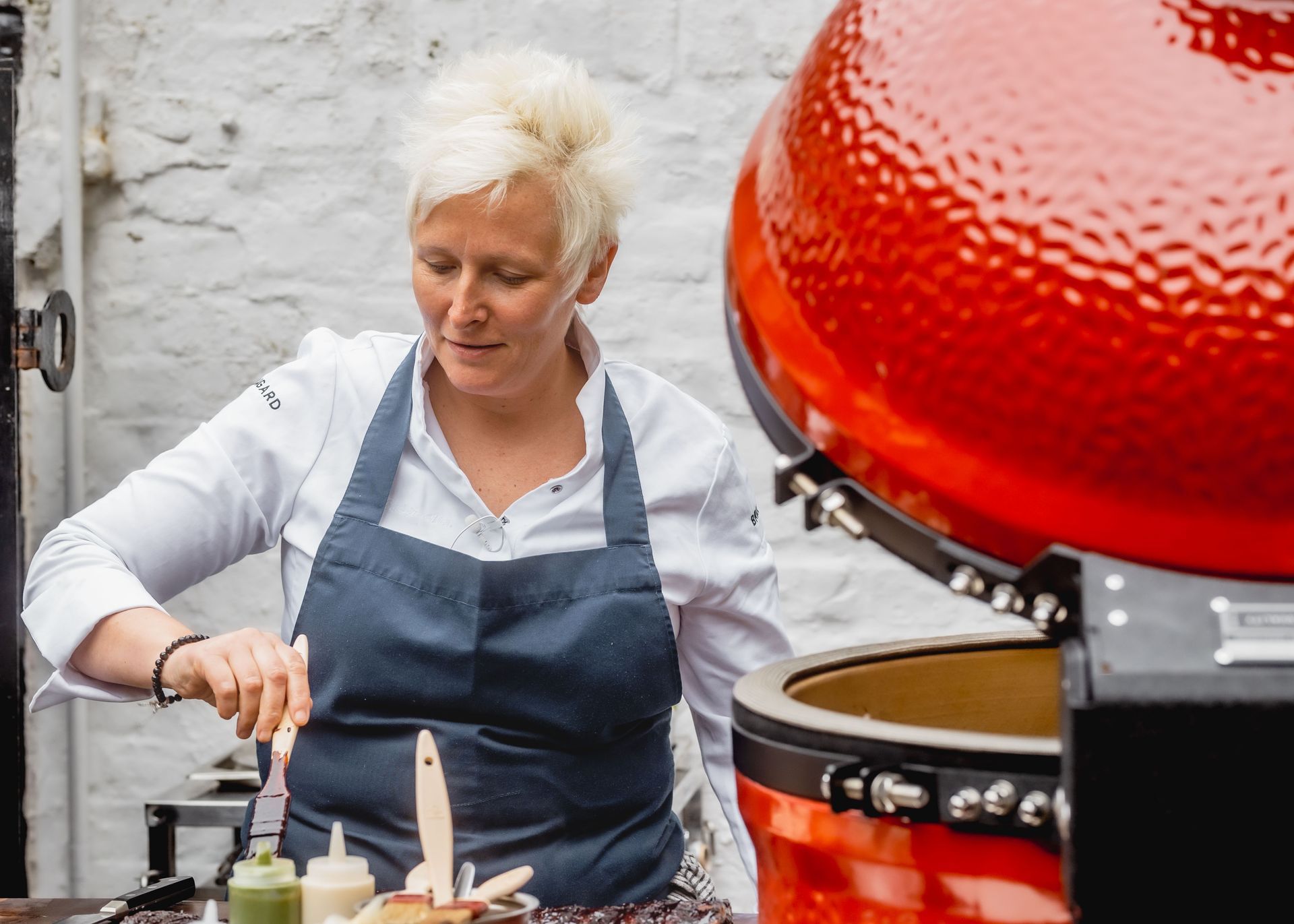
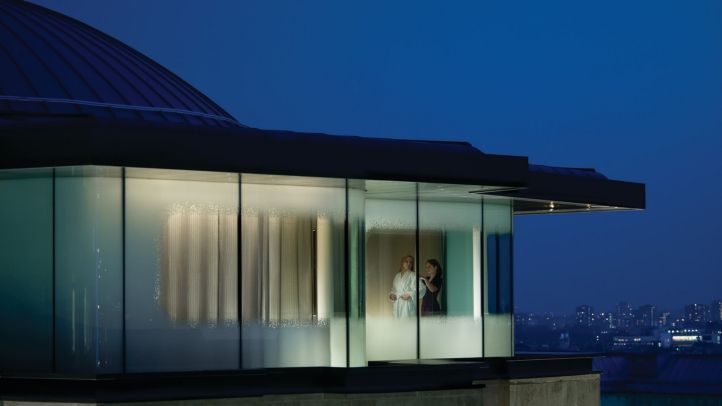
SKYLINE SPA AT FOUR SEASONS HOTEL LONDON
By Four Seasons

LEICA Q2 “GHOST” BY HODINKEE
By Leica X Hodinkee


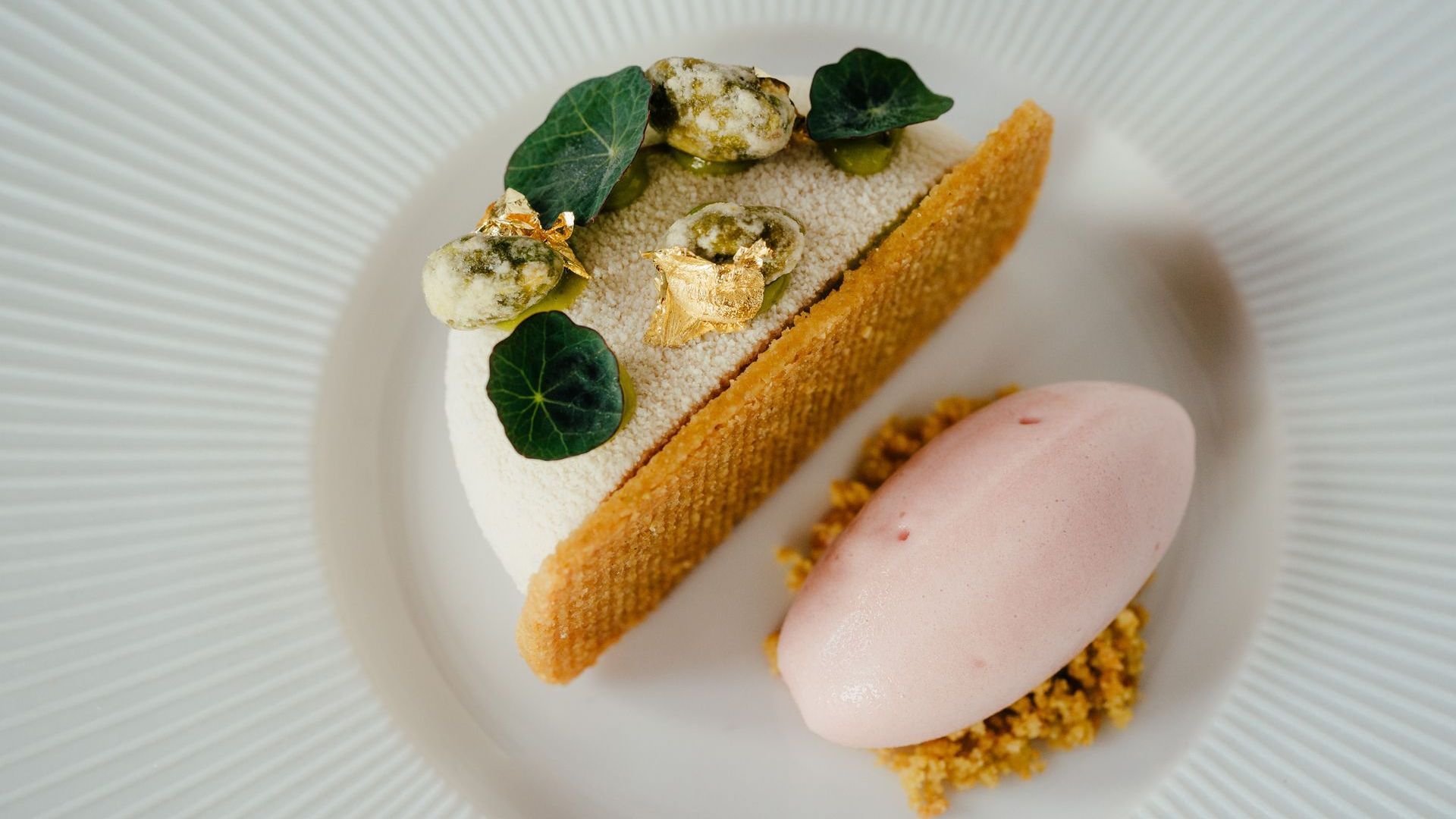


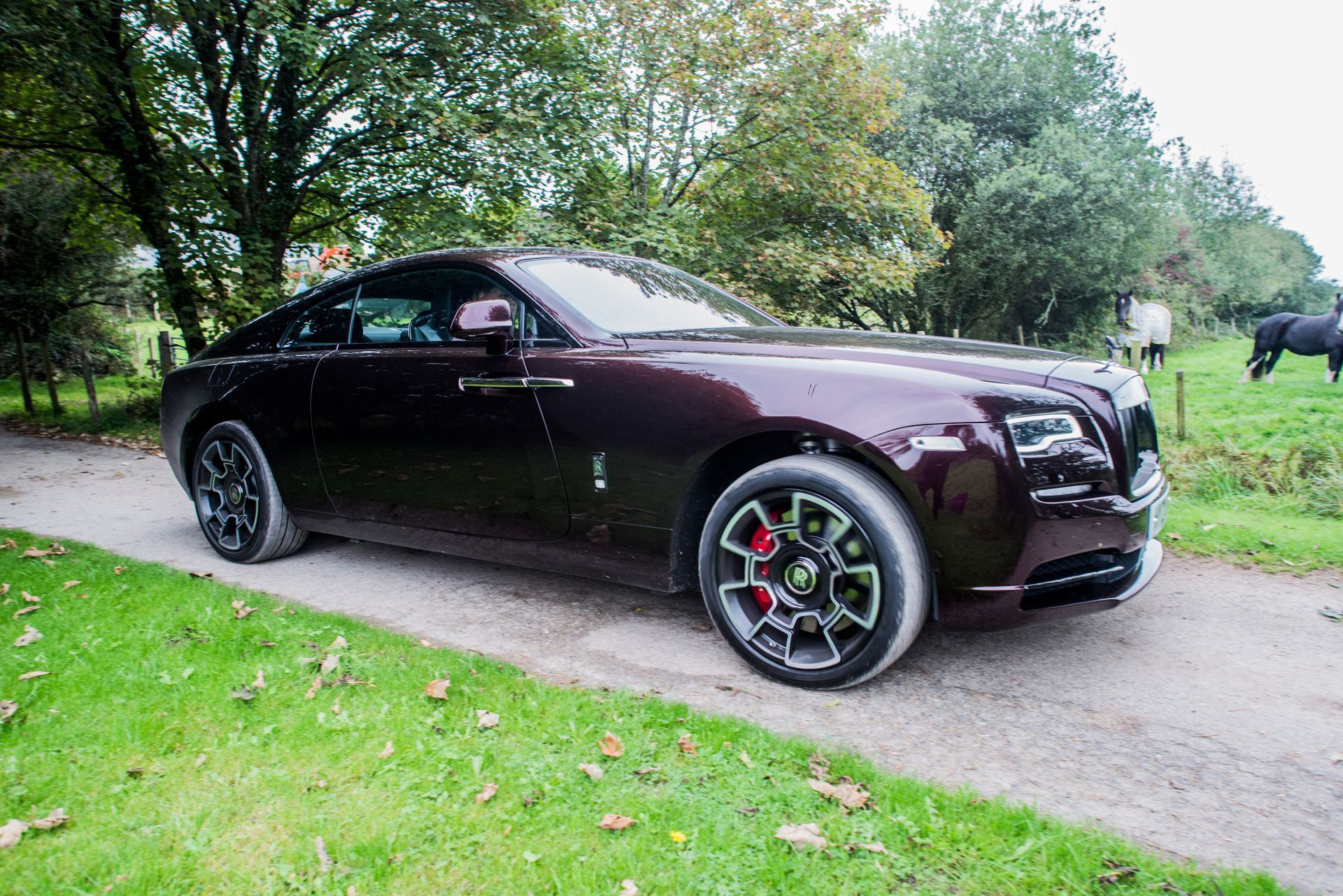
LIMITED TO 12 WORLDWIDE: ROLLS-ROYCE BLACK BADGE WRAITH BLACK ARROW
By Rolls-Royce
HUBLOT’S RAINBOW SHINES IN MIAMI
By Hublot


VALENTINE’S DAY AT THE ADAM HANDLING RESTAURANT GROUP
By The Gentleman Magazine
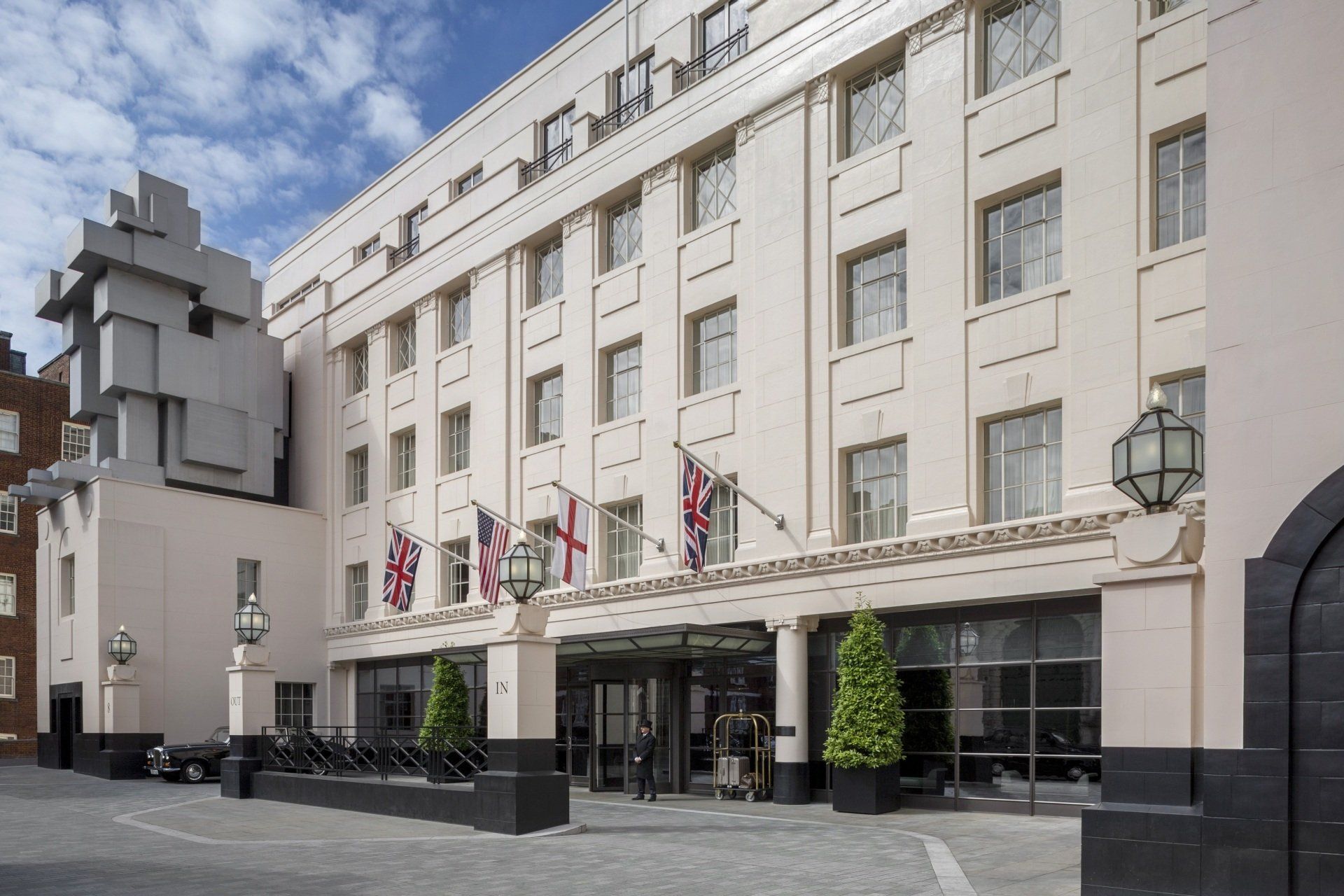
REVIEW OF THE BEAUMONT
By The Gentleman Magazine



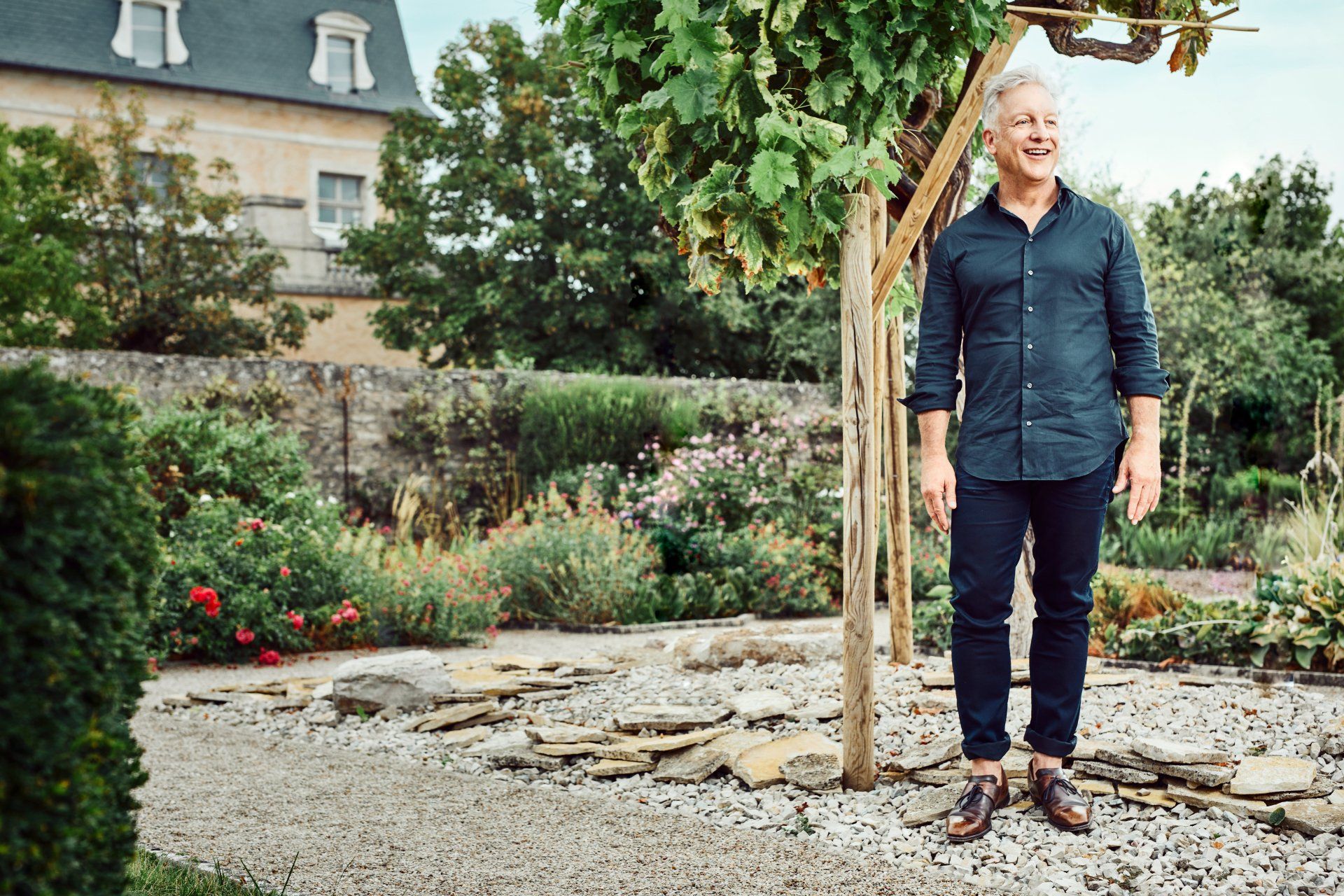
INTERVIEW WITH MICHAEL BAUM, CEO & FOUNDER OF VIVANT
By The Gentleman Magazine
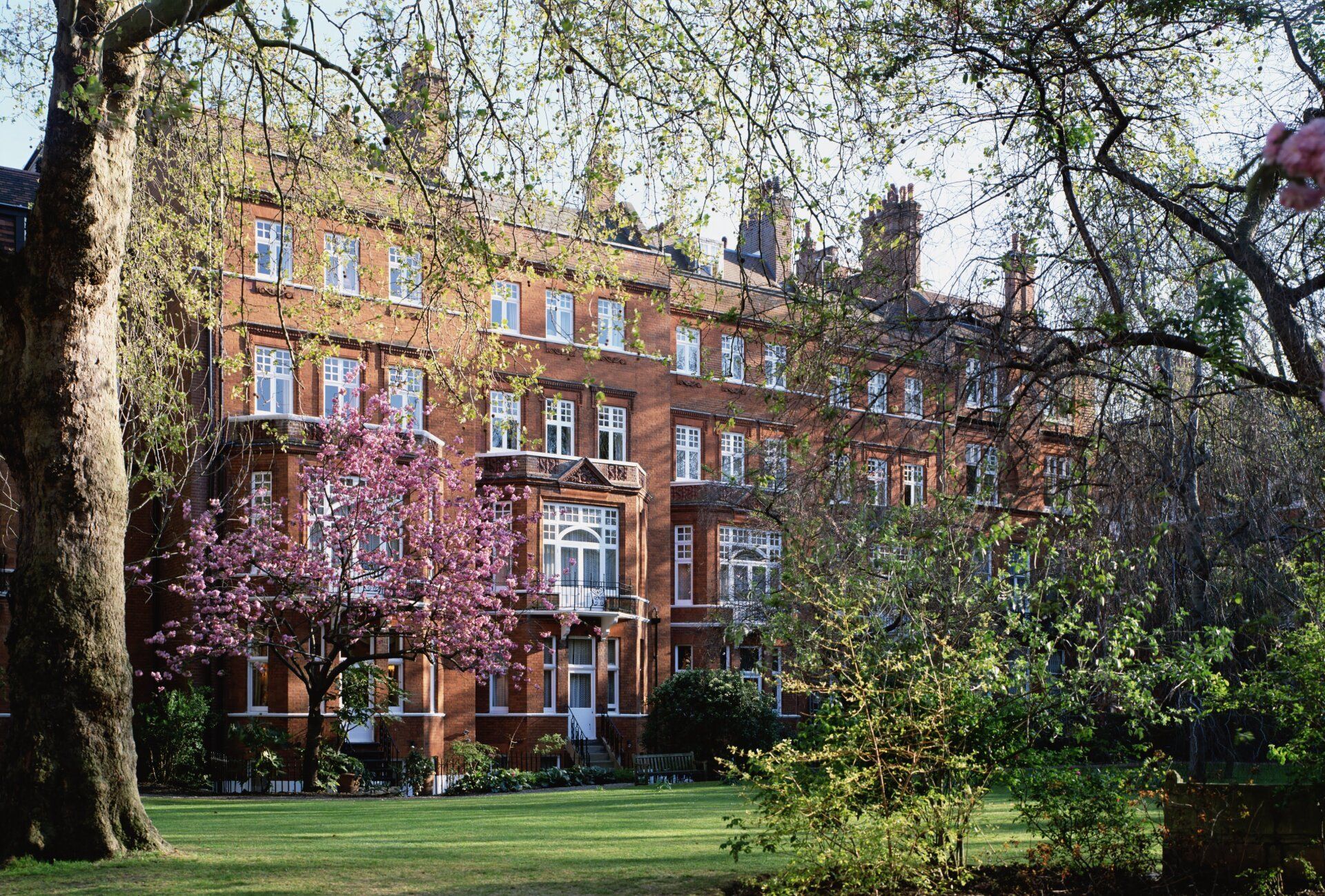
CADOGAN ACQUIRES THE DRAYCOTT HOTEL
By The Gentleman Magazine
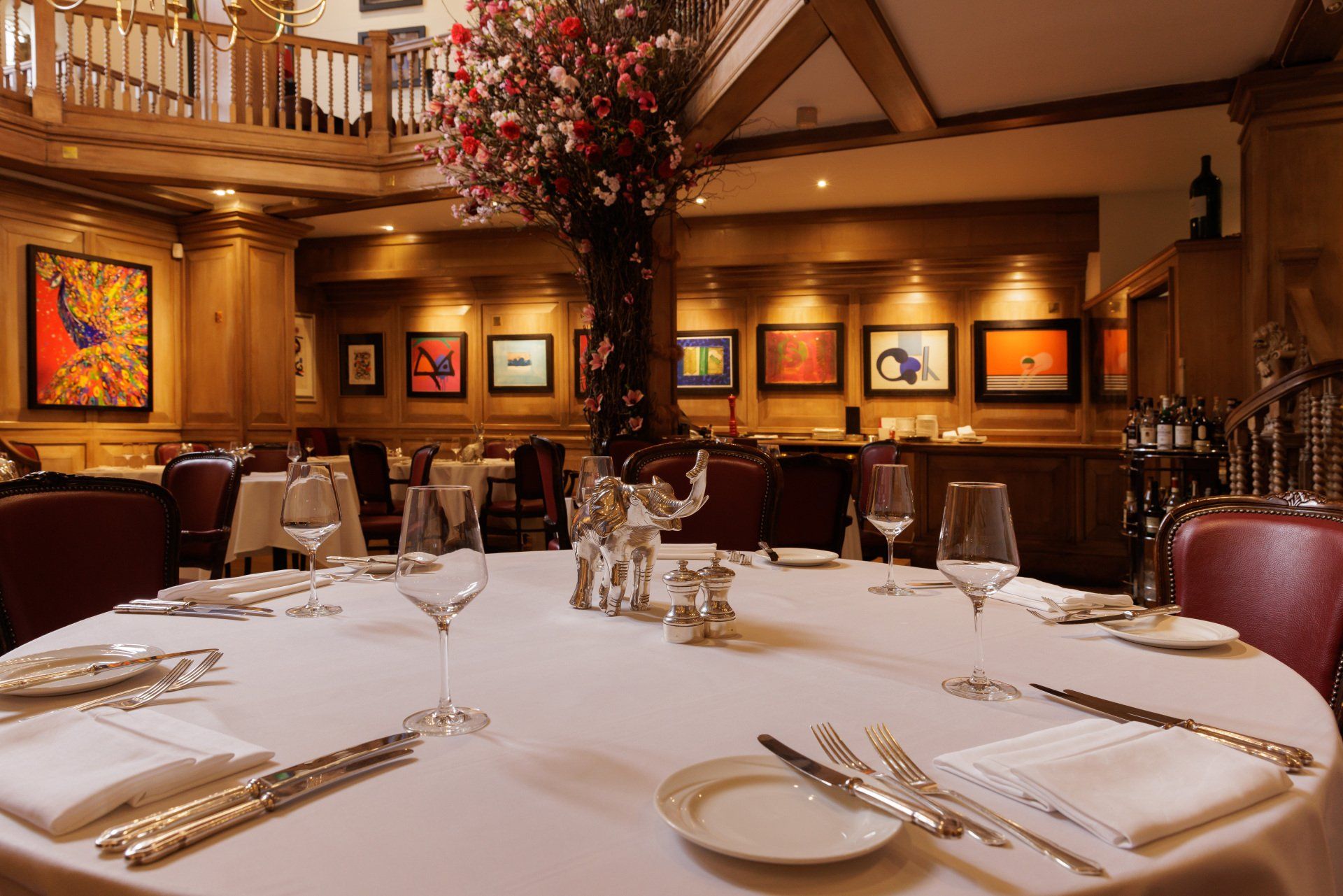

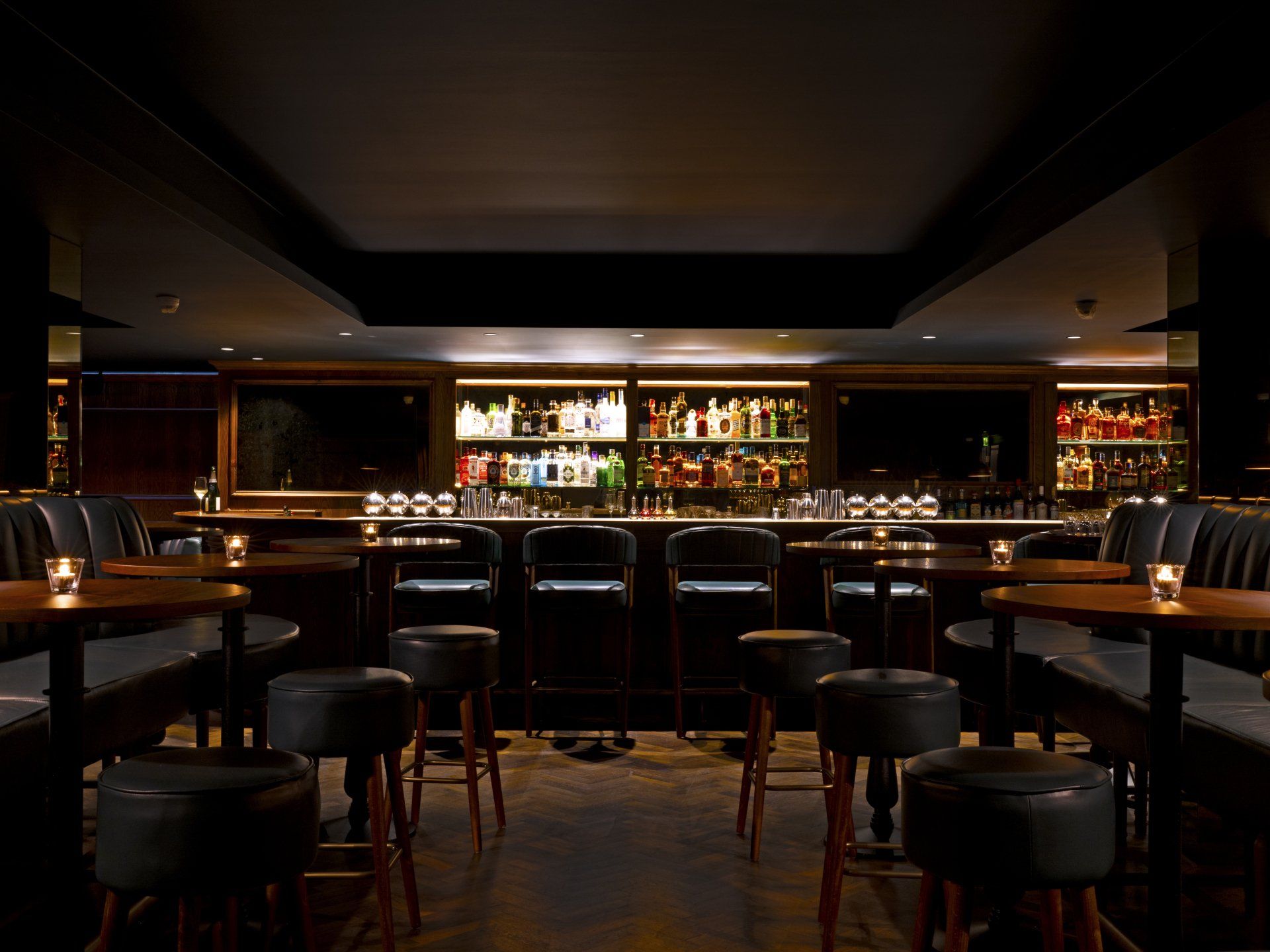
NEW ‘STERLING’ BAR BY MANCHESTER’S SCHOFIELD BROTHERS
By The Gentleman Magazine
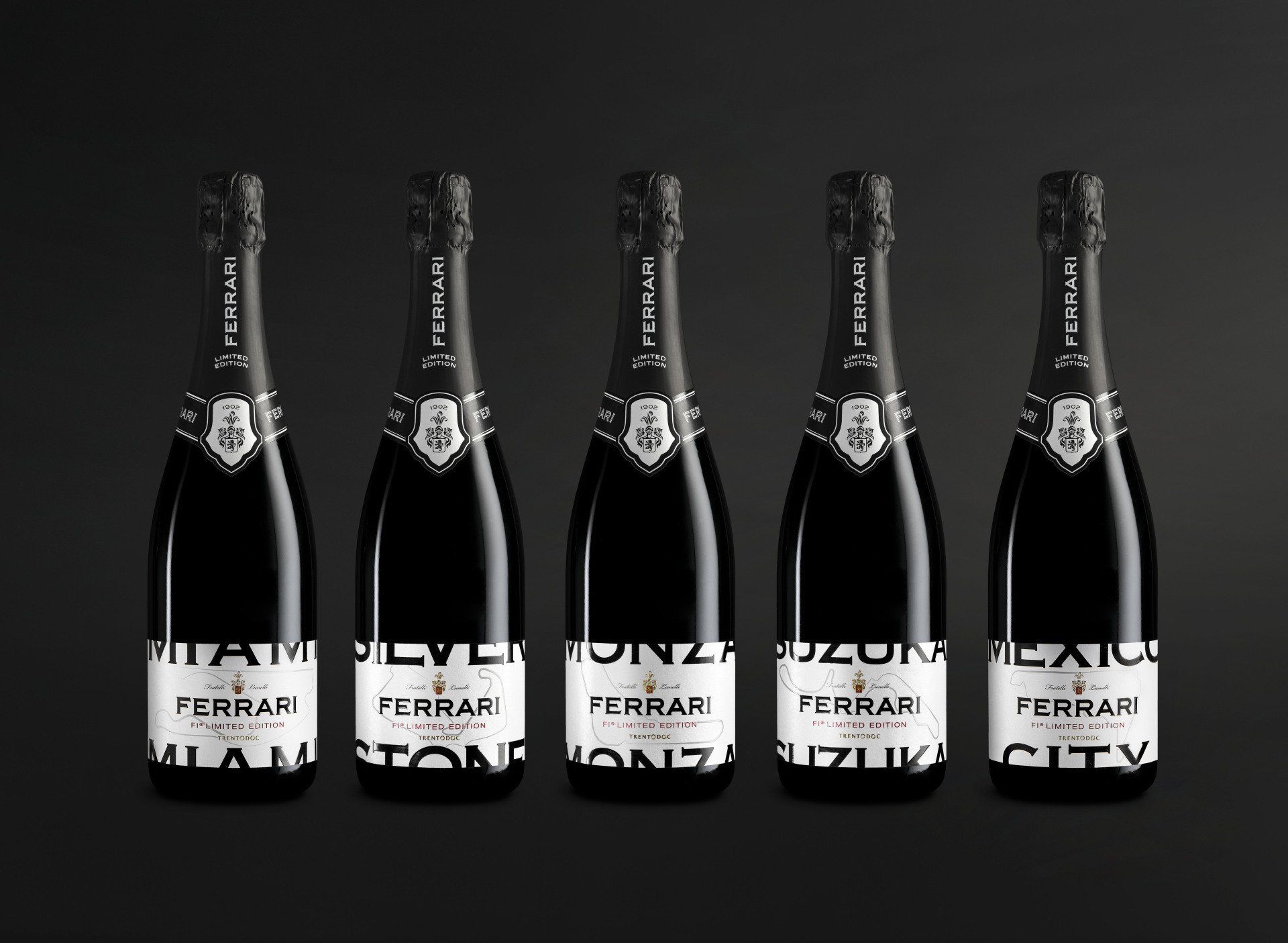
FERRARI TRENTO WILL BE THE OFFICIAL TOAST OF FORMULA 1 UNTIL 2025
By Ferrari Trento


A110 E-TERNITÉ: A 100% ELECTRIC PROTOTYPE
By Alpine
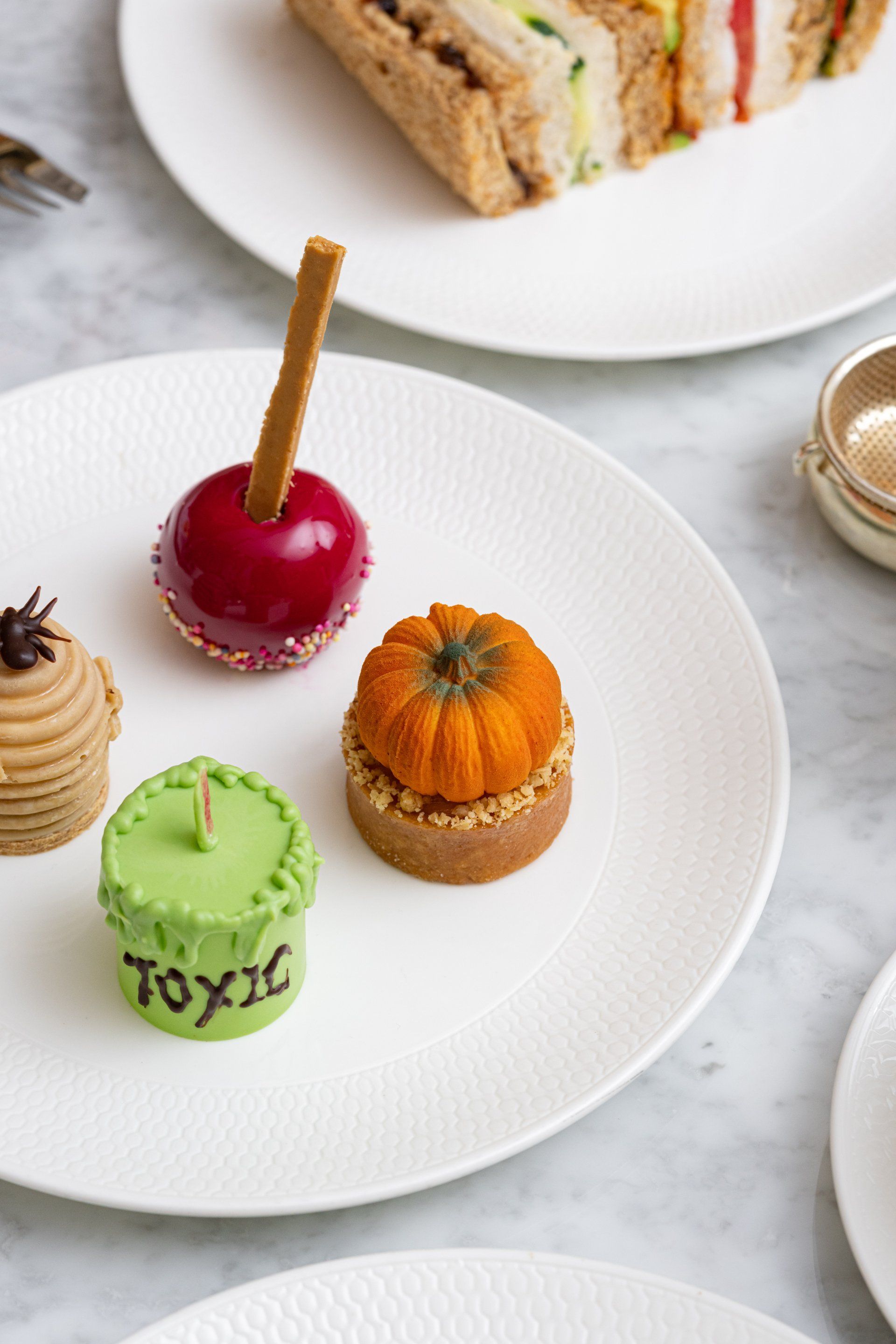
TRICK OR TREAT YOURSELF TO ROYAL LANCASTER LONDON’S HALLOWEEN THEMED AFTERNOON TEA
By Royal Lancaster Hotel
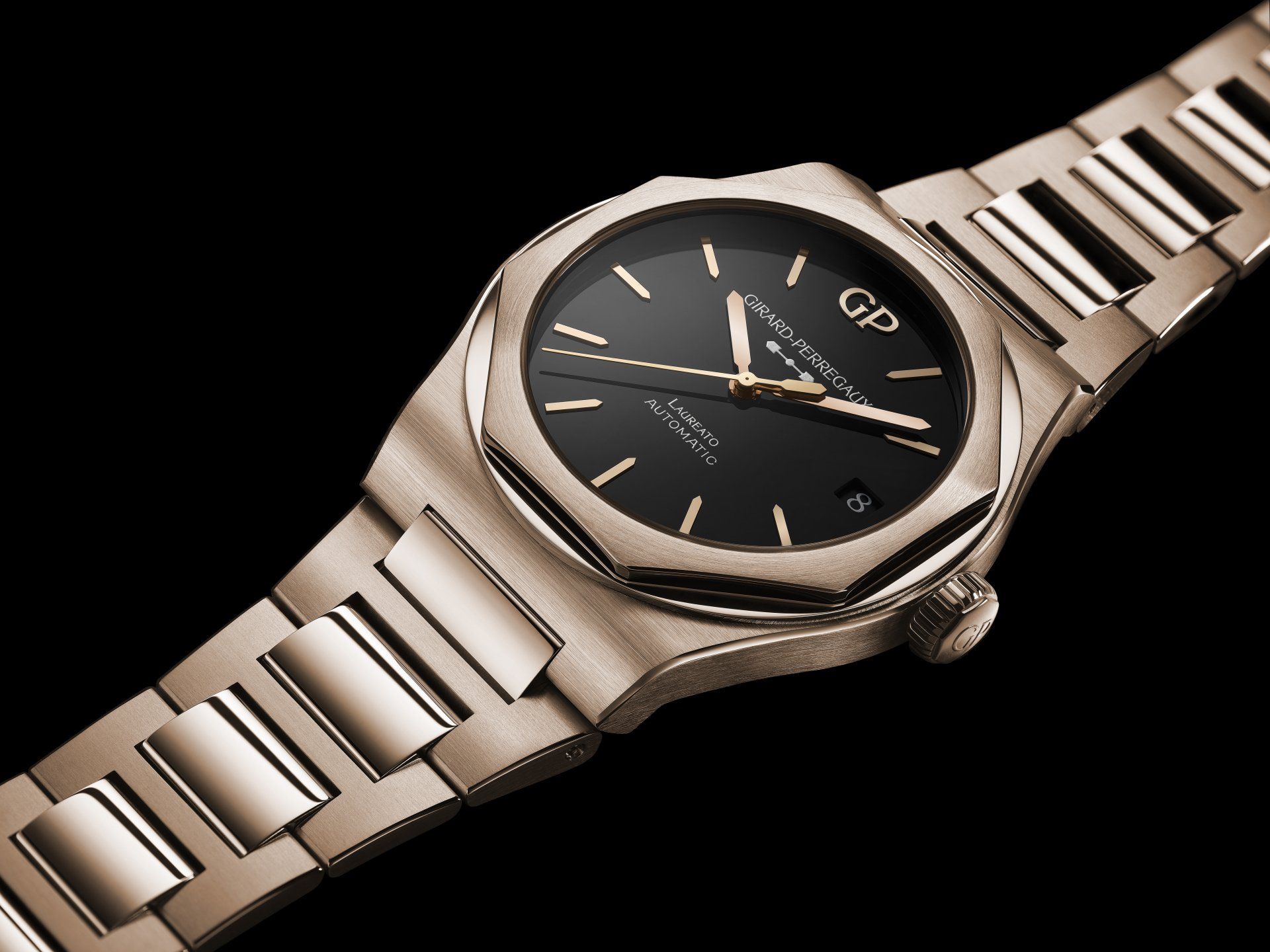


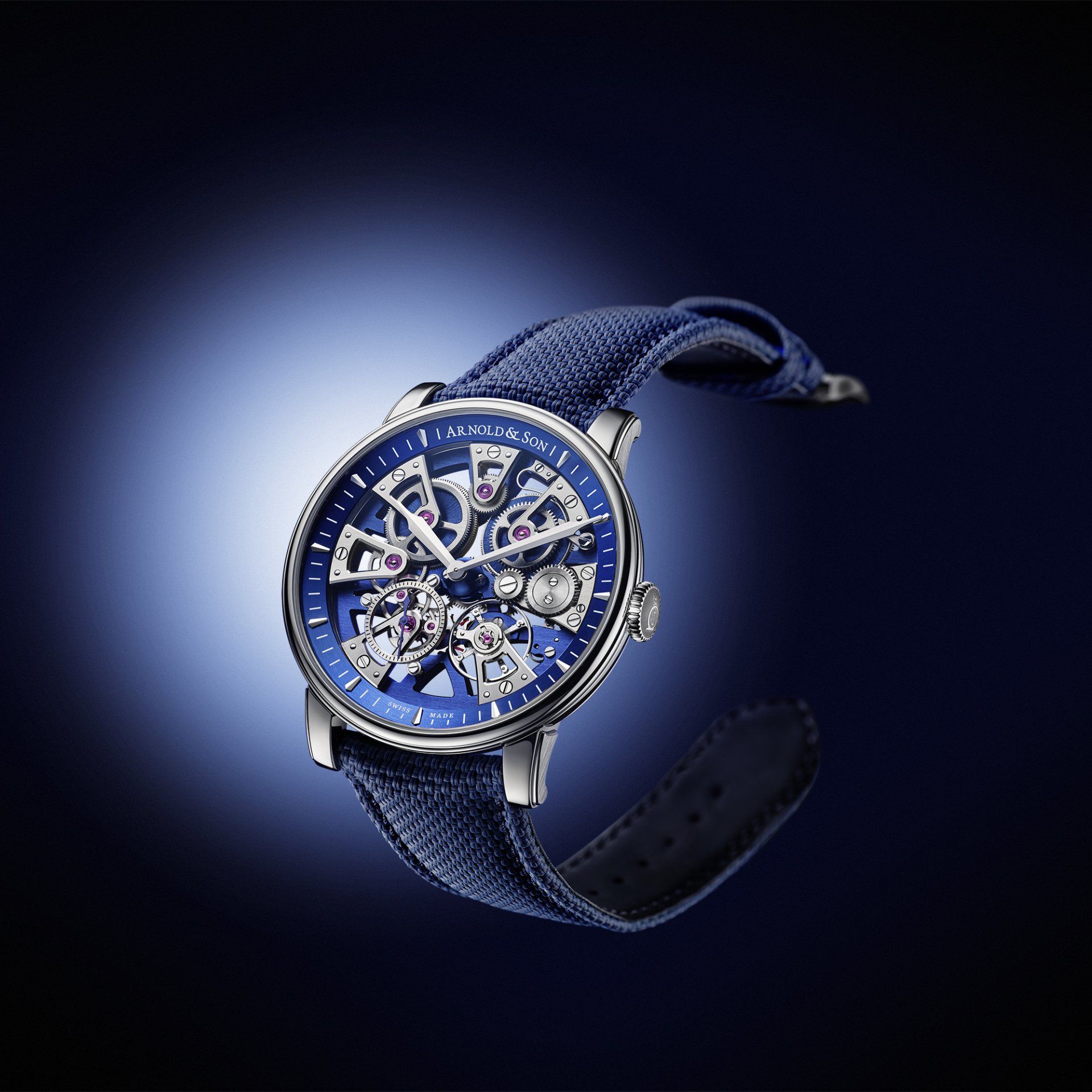

THE BEST LUXURY SUVs IN THE WORLD
By The Gentleman Magazine
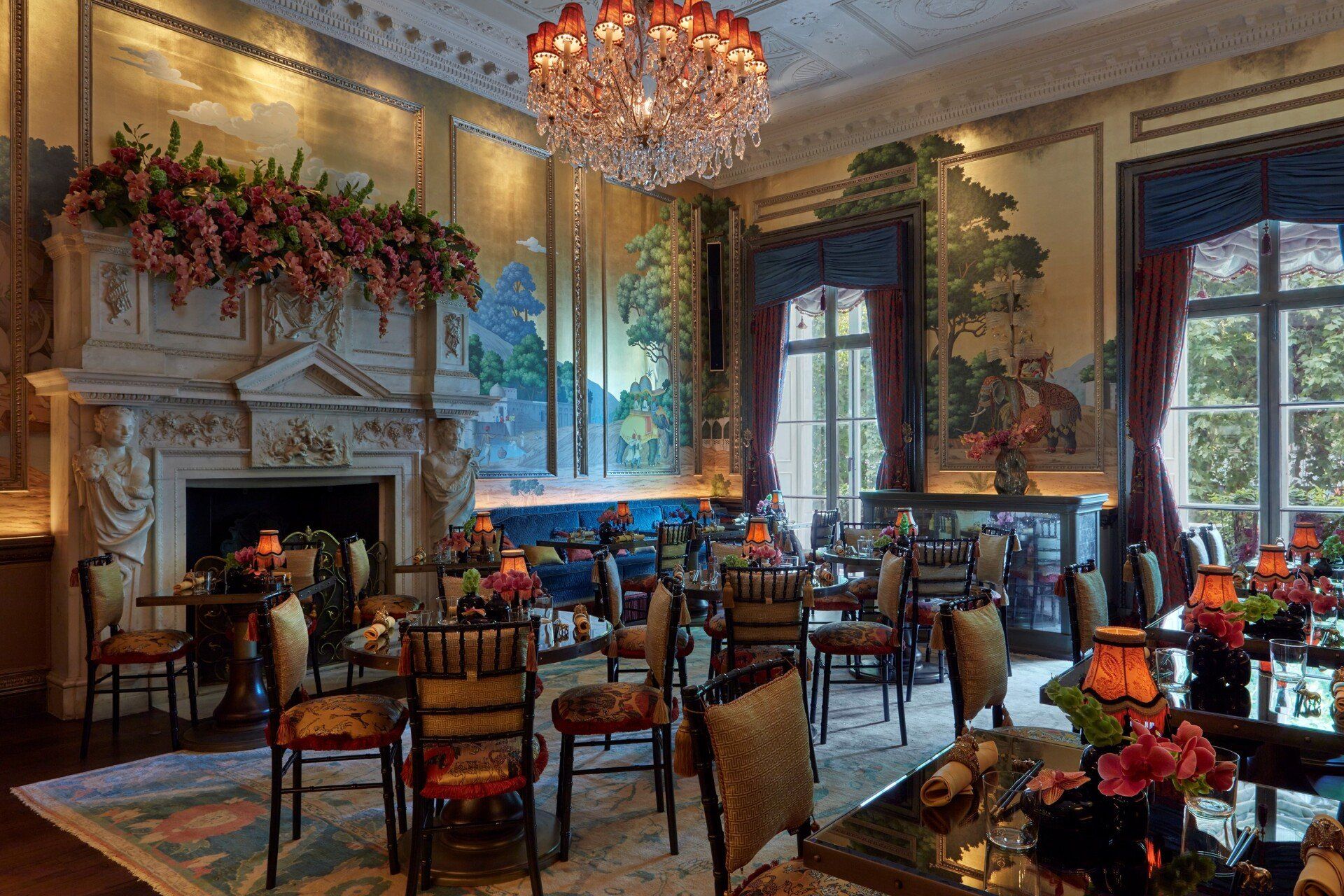
ANNABEL’S ADDS TO GLOBAL DINING OFFERING WITH LAUNCH OF SIXTH RESTAURANT
By Annabel's

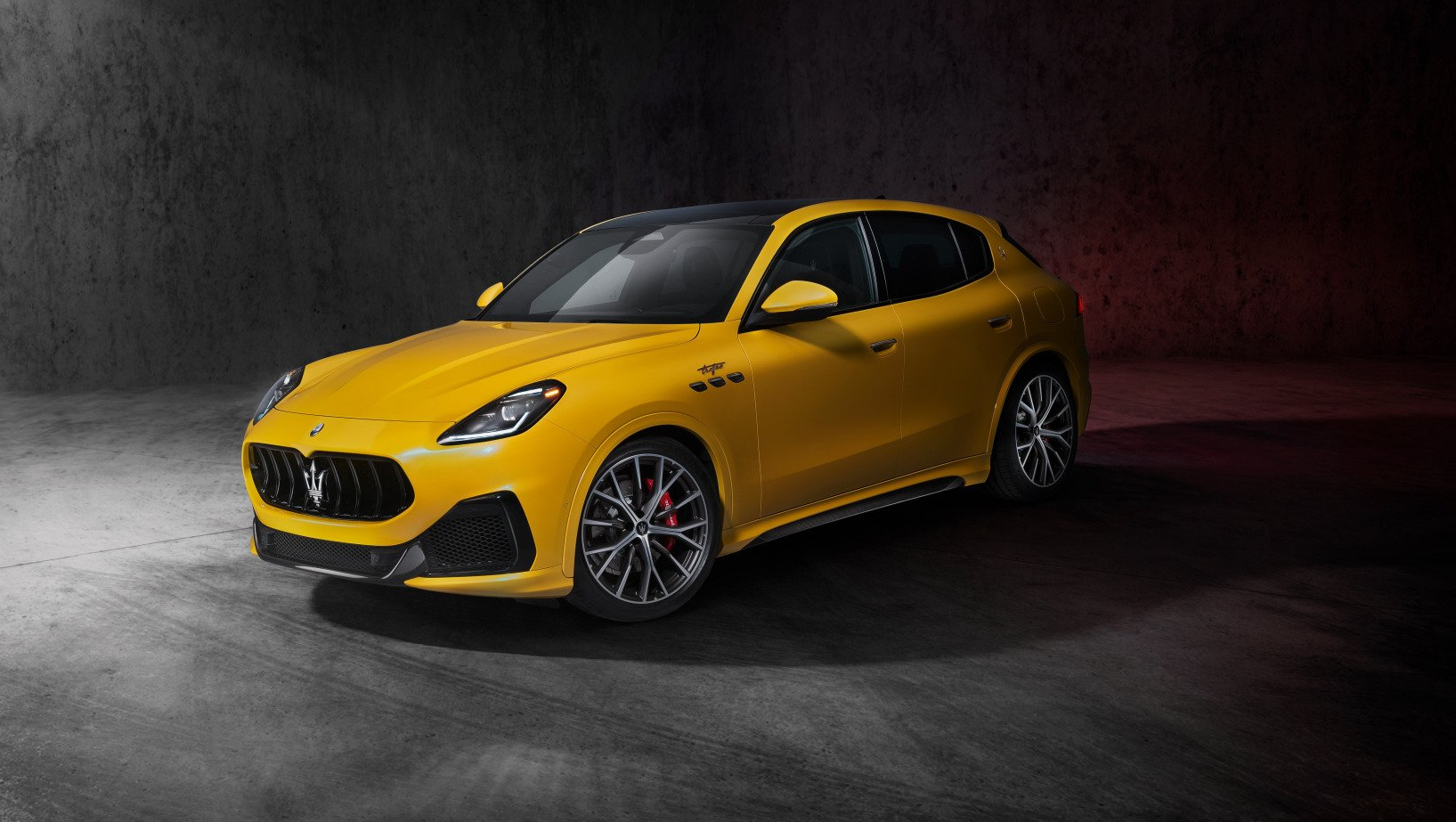
GRECALE: THE NEW MASERATI SUV
By The Gentleman Magazine
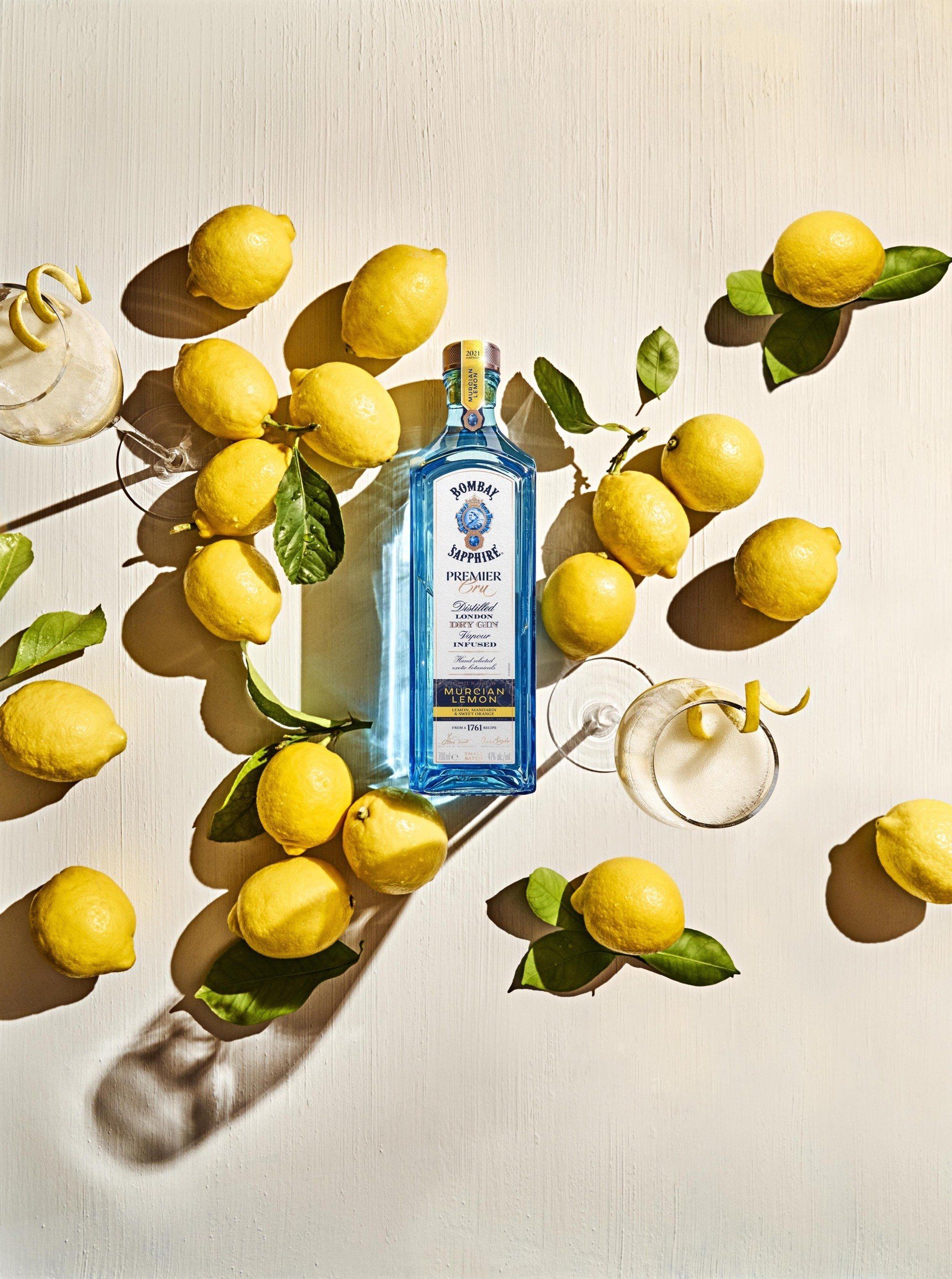
BOMBAY SAPPHIRE RAISES A GLASS TO NATURE’S FINEST FLAVOURS
By Bombay Sapphire
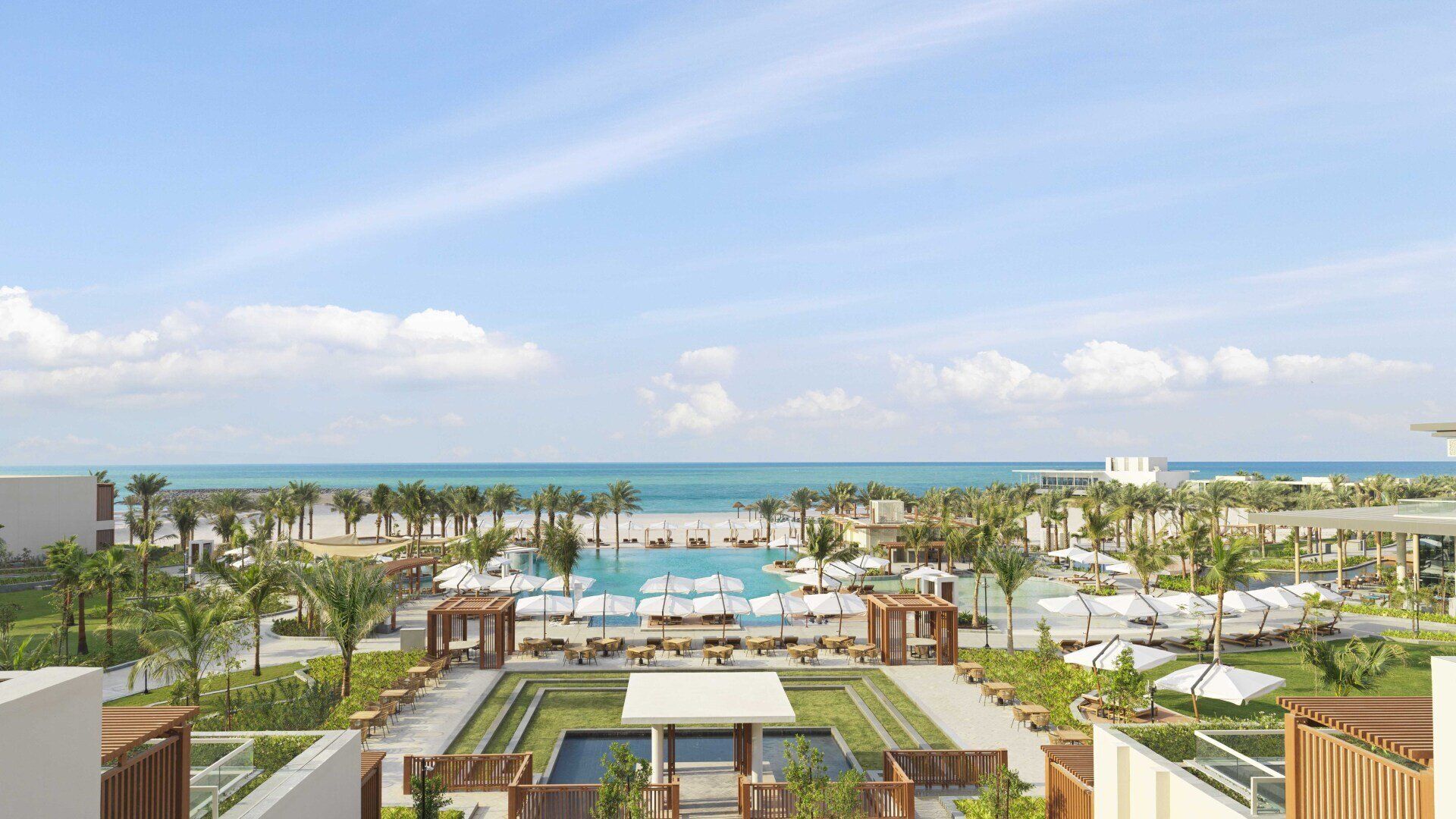

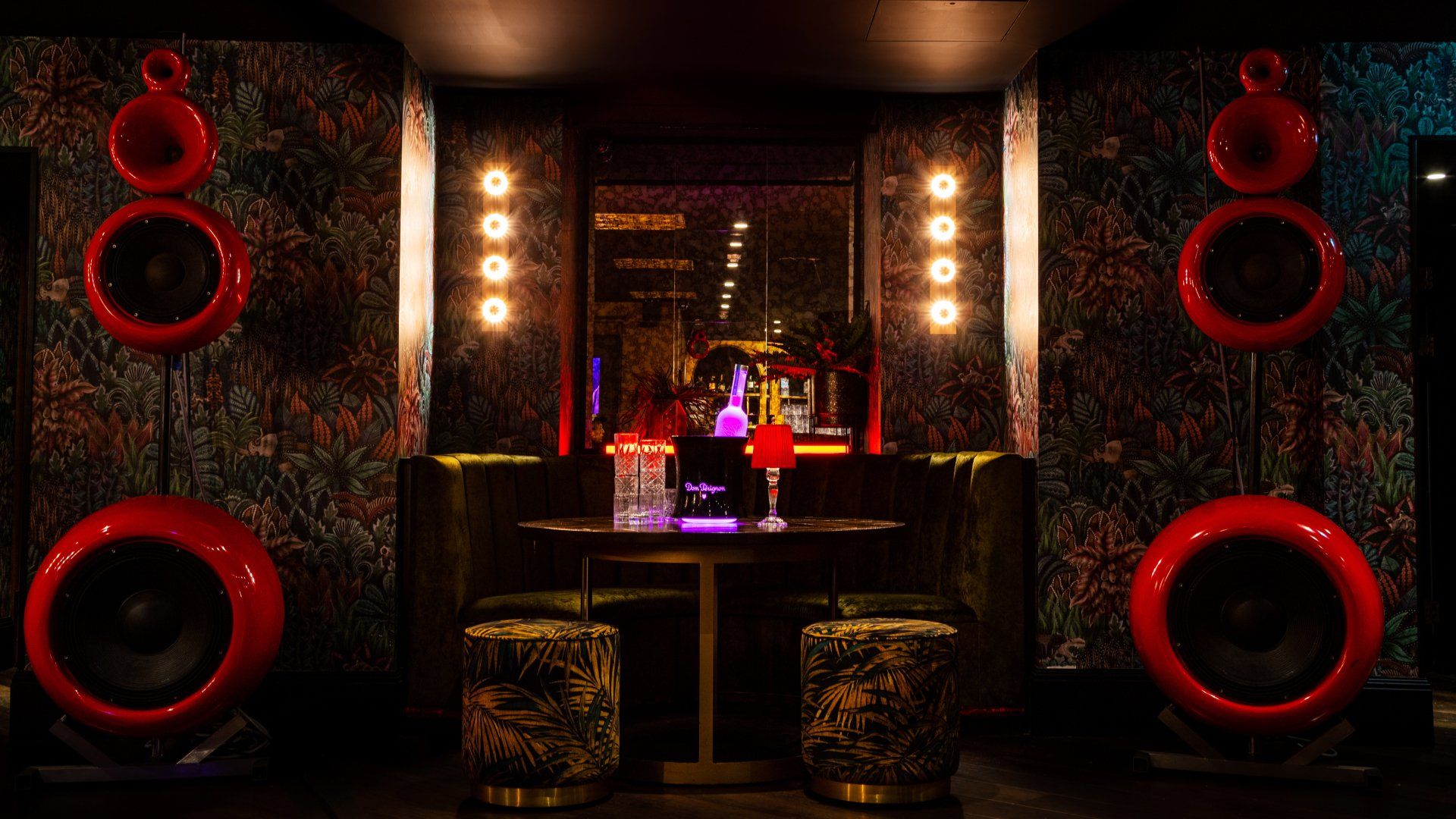
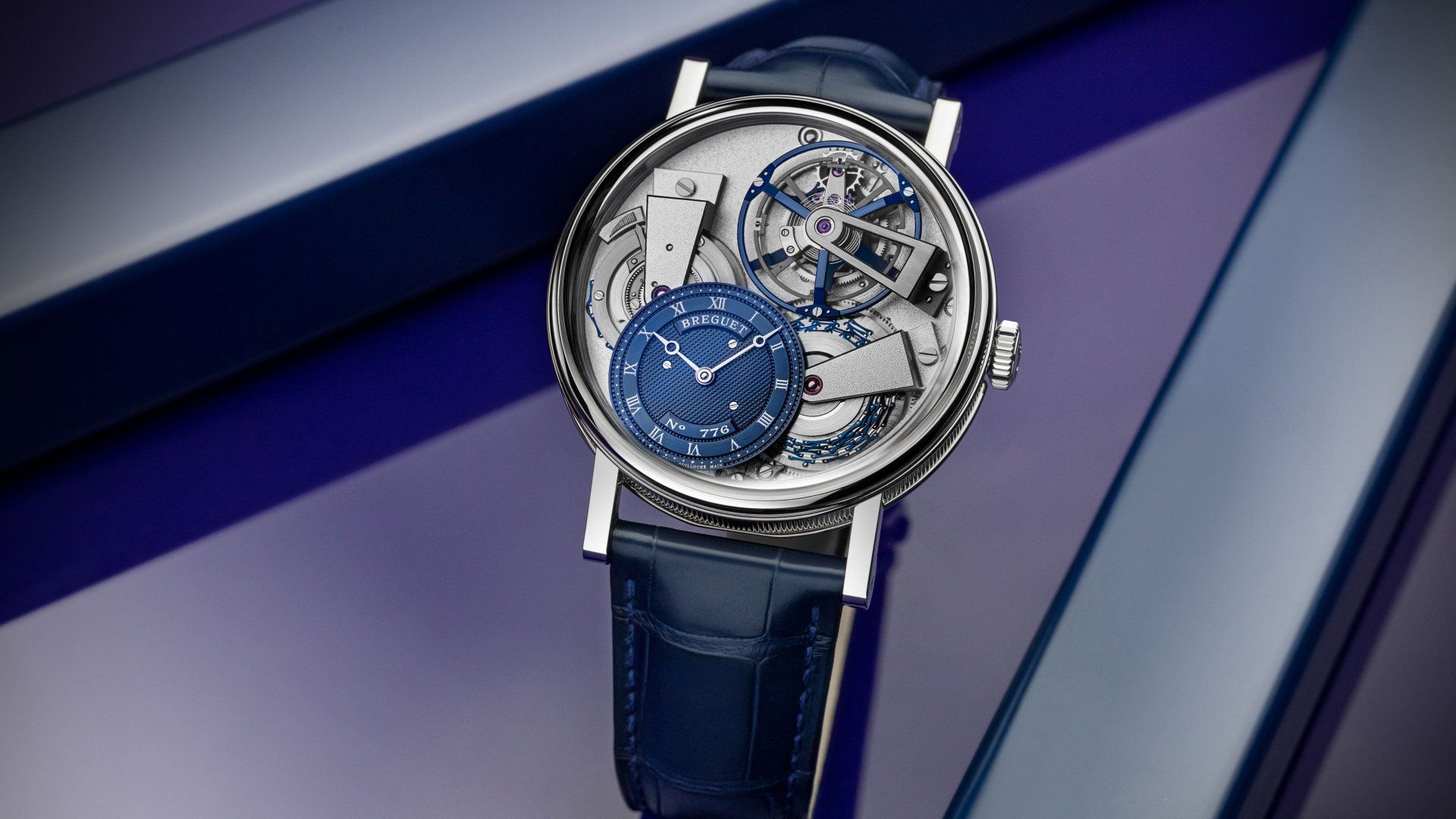
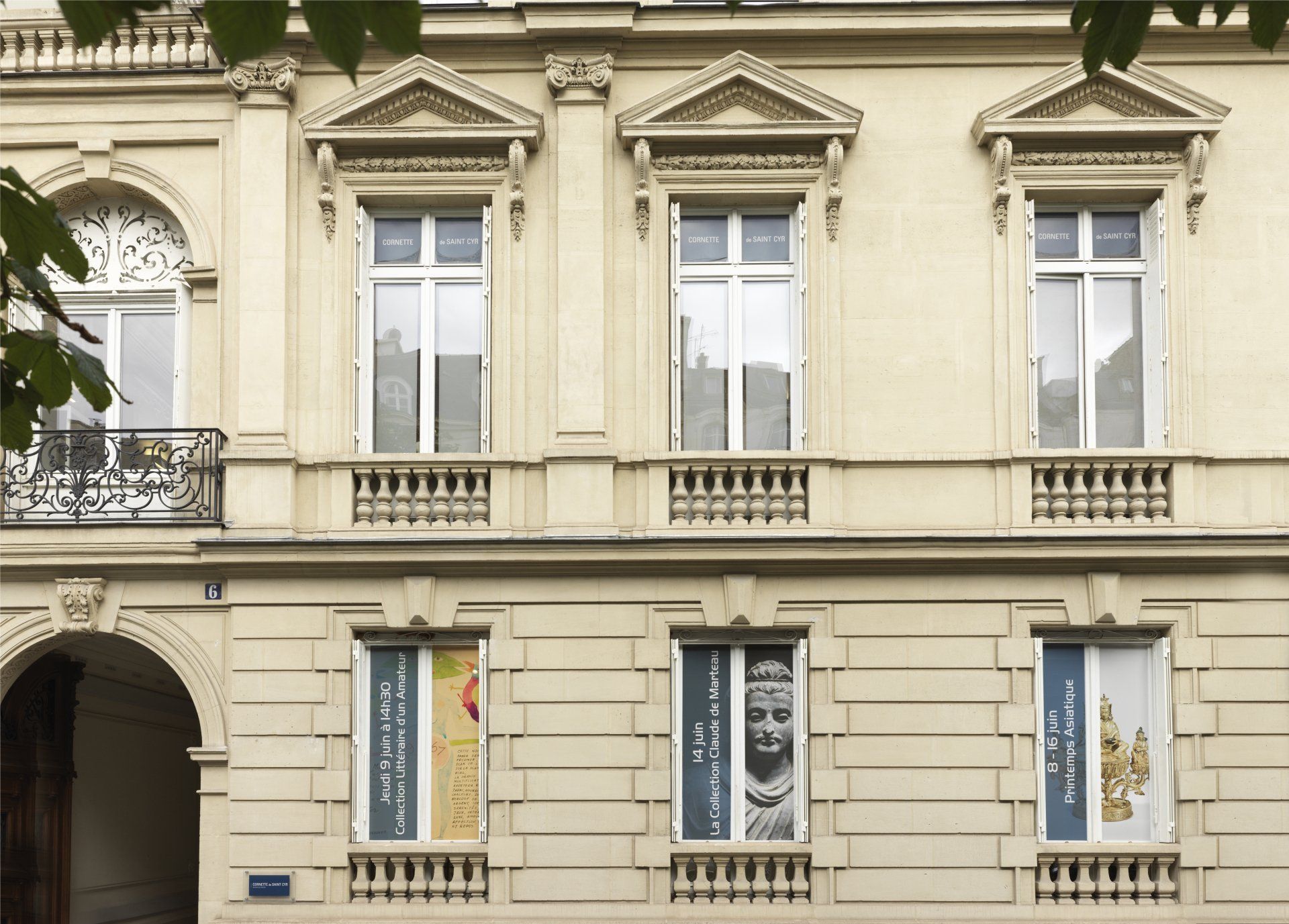
BONHAMS ANNOUNCES ACQUISITION OF CORNETTE DE SAINT CYR
By Bonhams

BOSS & CO REIMAGINES ITS FAMOUS SIDE-BY-SIDE SHOTGUN
By Boss & Co

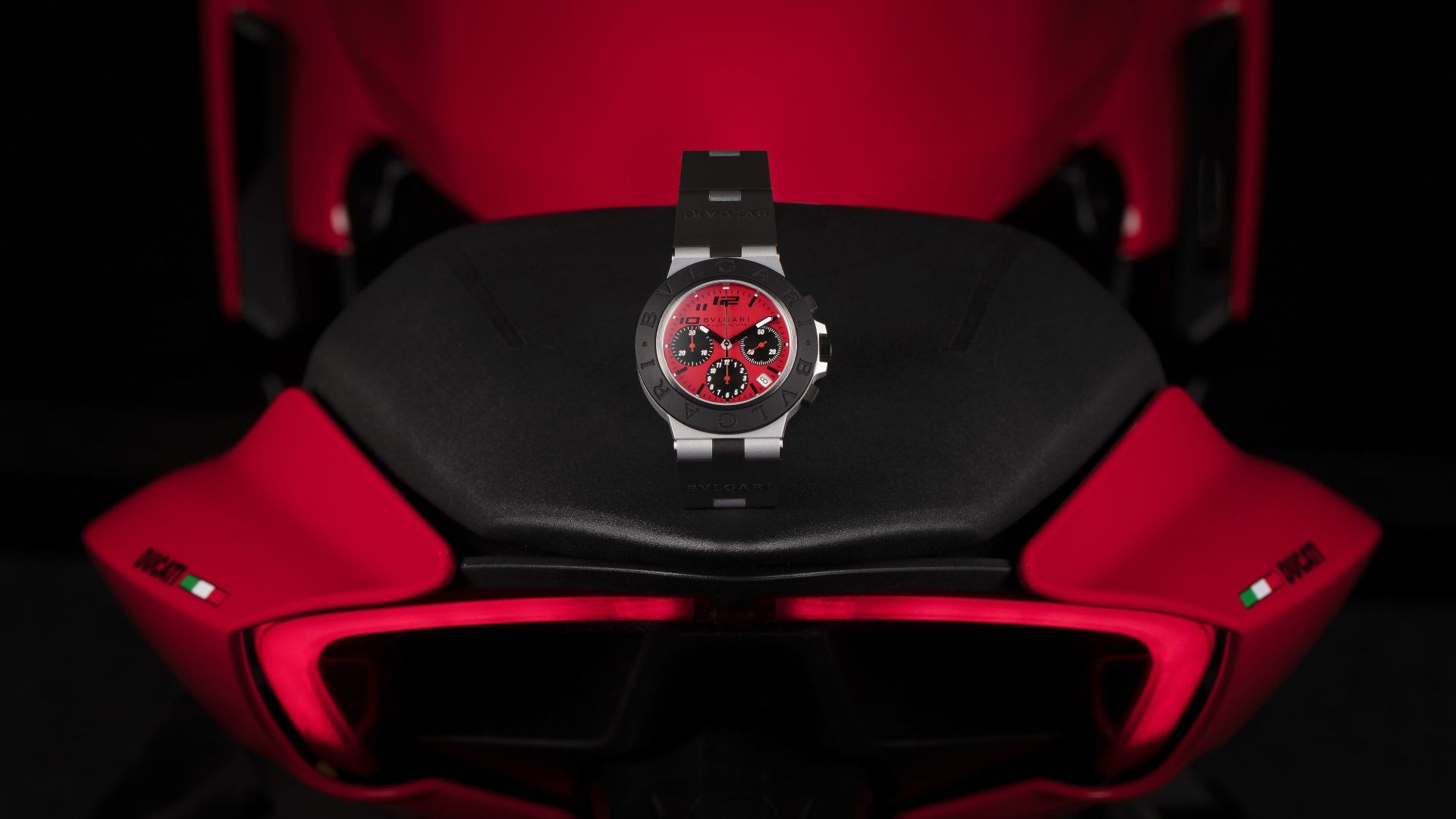





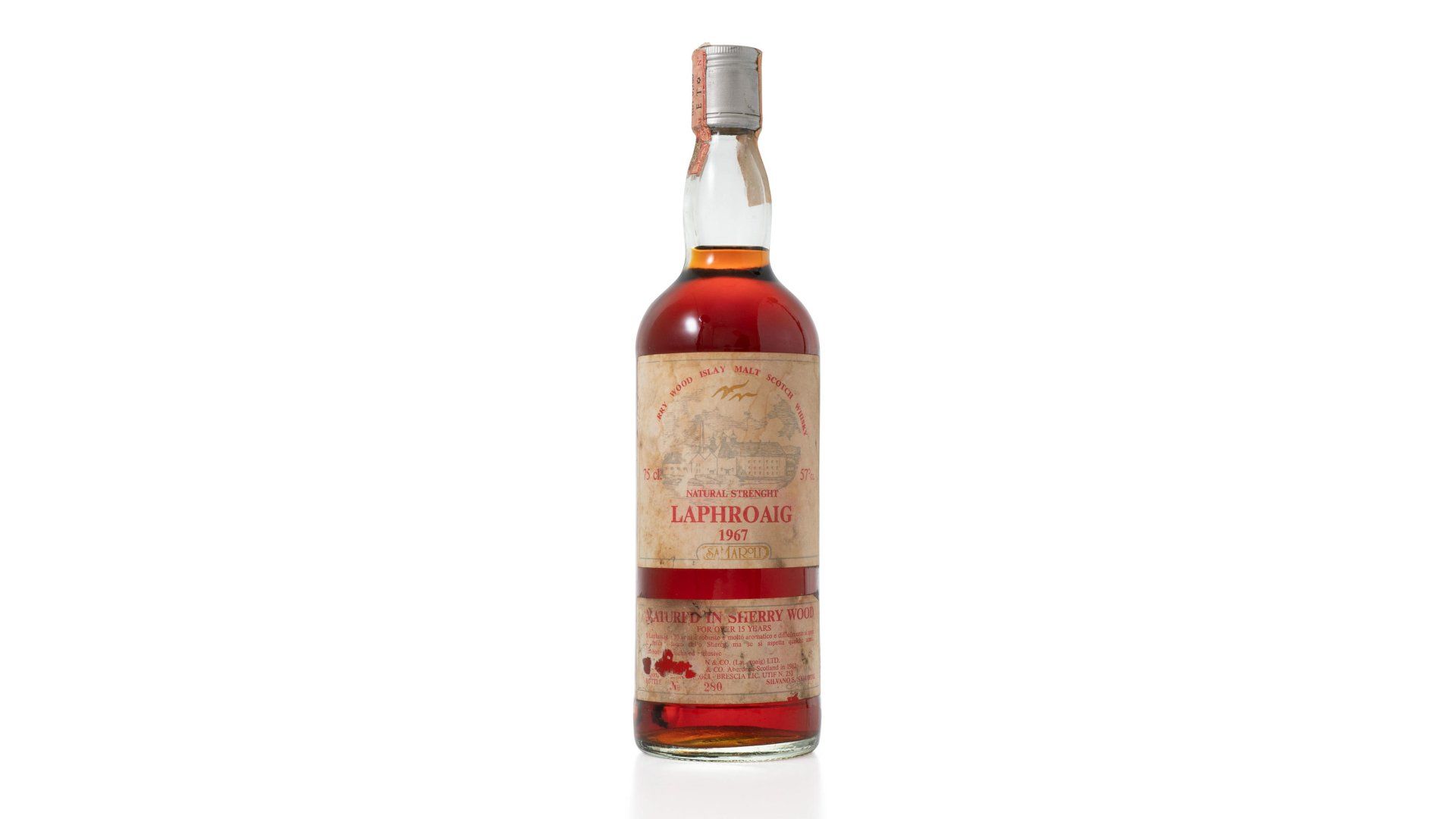
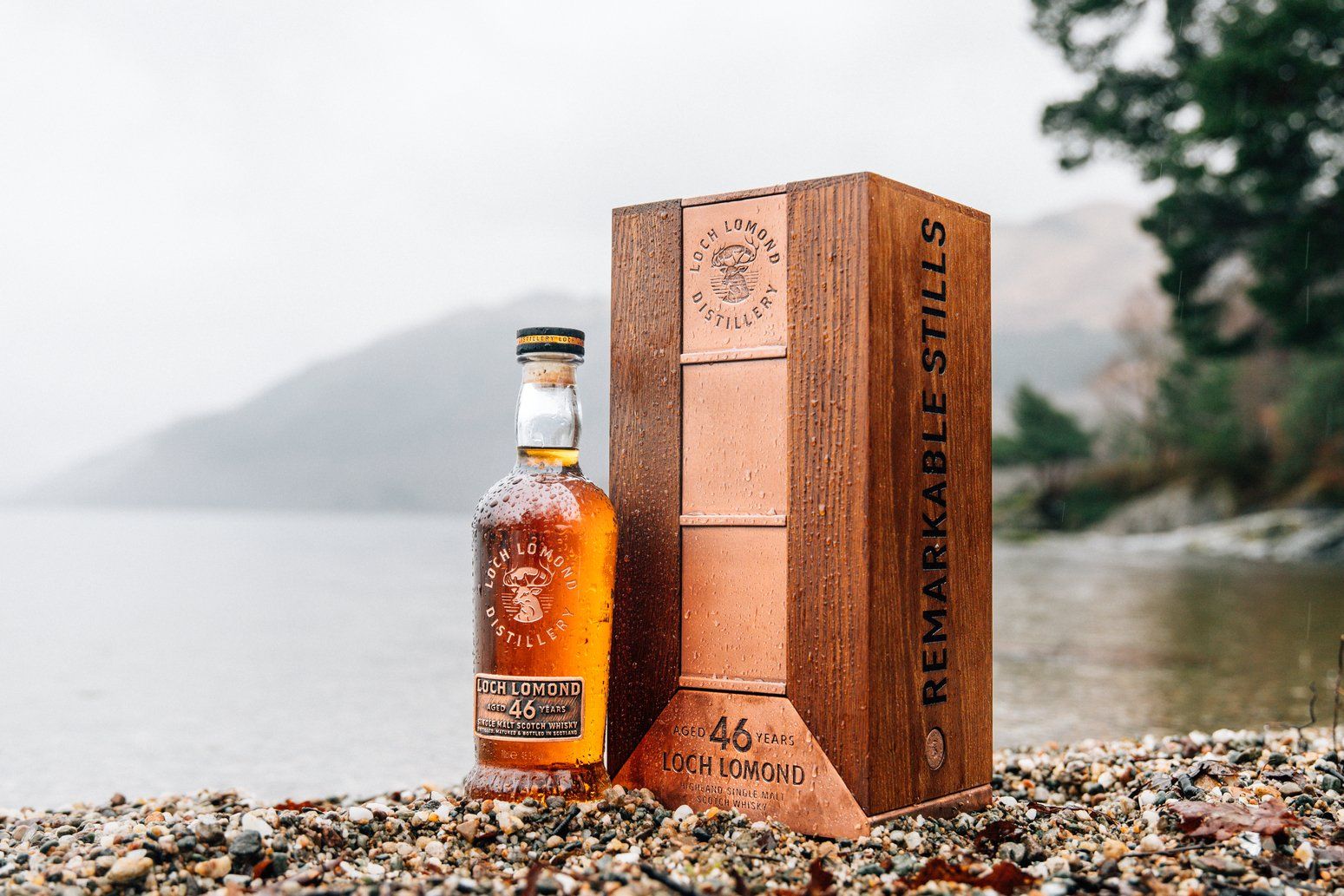


THE GAME FAIR GEARS UP FOR A CELEBRITY SUMMER WITH JB GILL, AMANDA OWEN AND JAMES MARTIN
By The Game Far

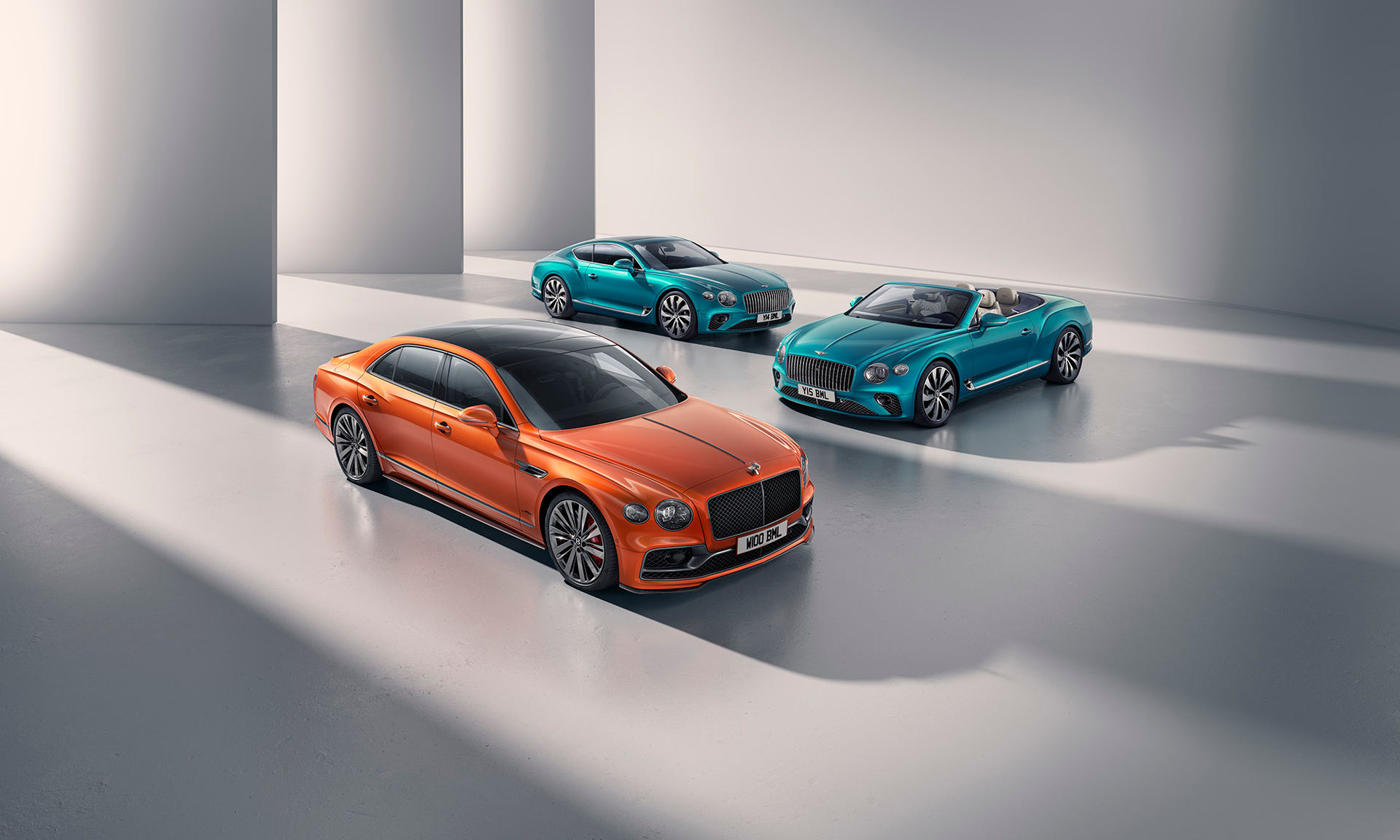
A NEW BENTLEY IS COMING
By Bentley



COWDRAY PARK POLO CLUB ANNOUNCES EXCLUSIVE PARTNERSHIP WITH NO.3 GIN
By Cowdray

NEW LEICA SUMMICRON-M 28 F/2 ASPH IN MATTE BLACK
By Leica

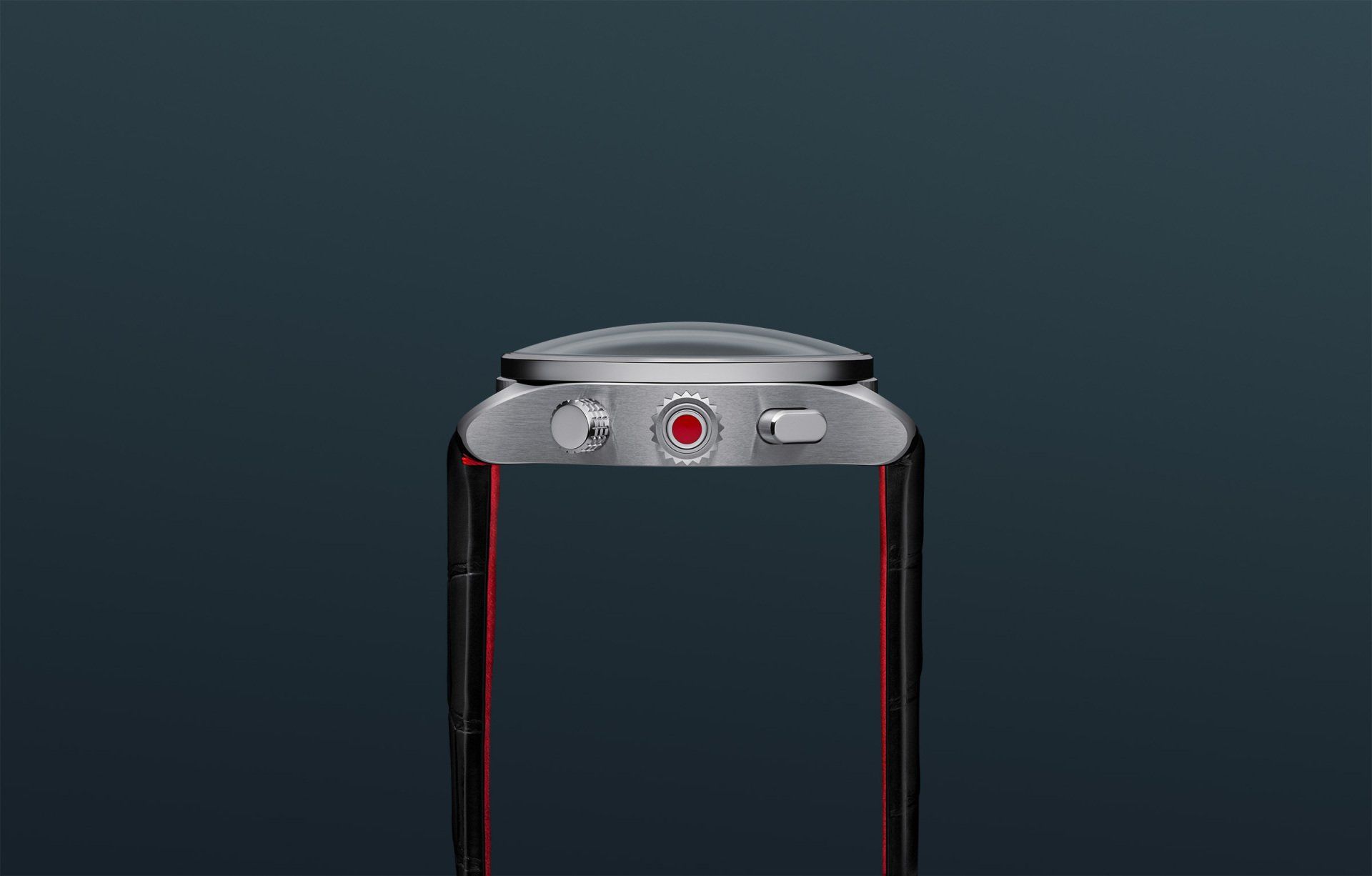
LEICA PRESENTS THE LEICA L1 AND LEICA L2 WATCH MODELS
By Leica

BENTLEY CURATES THE PINNACLE BRITISH ROAD TRIP
By Bentley

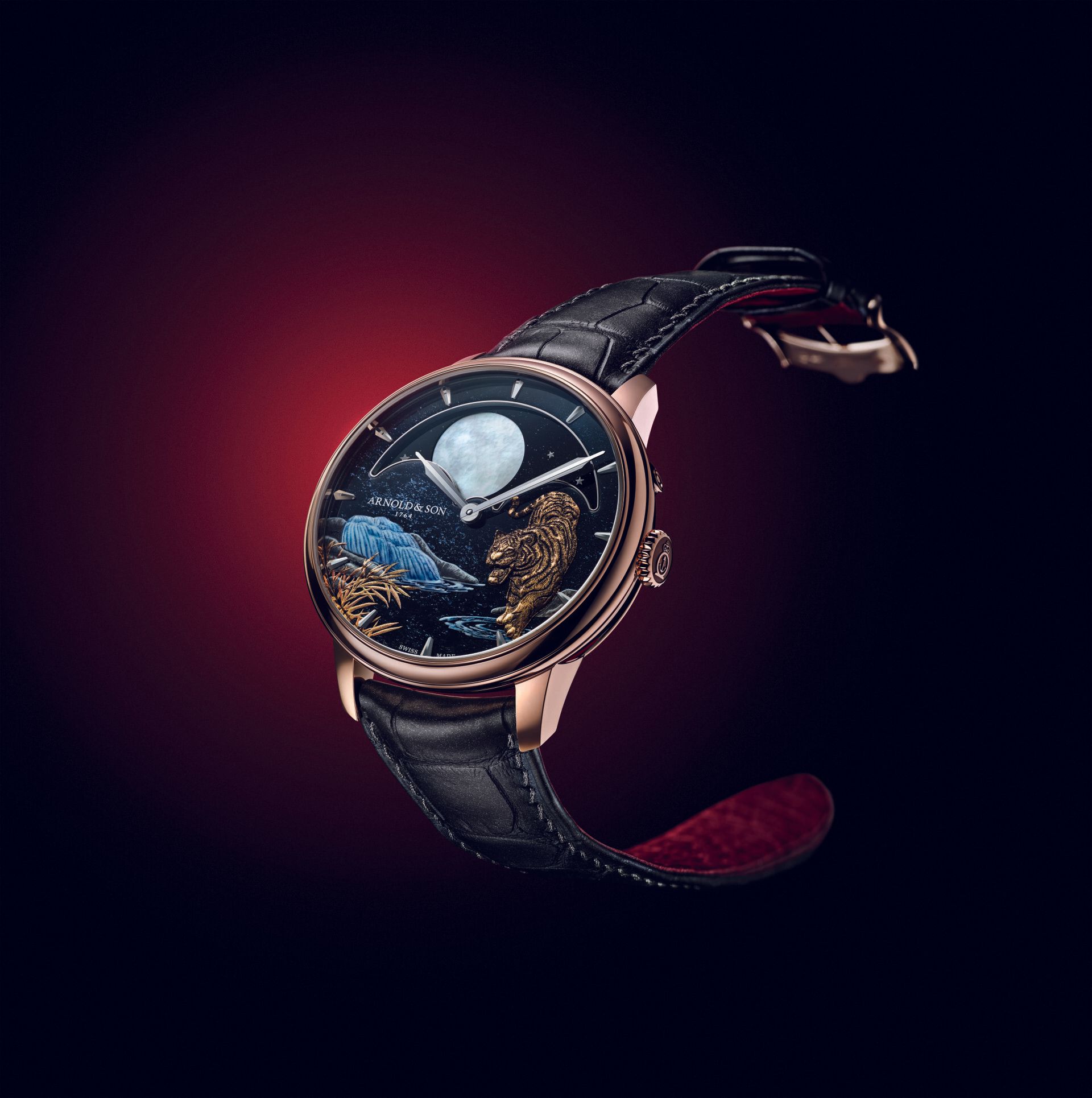

ROLLS-ROYCE BLACK BADGE: THE ORIGIN STORY
By Rolls-Royce

FLYING SPUR HYBRID CROSSES ICELAND ON RENEWABLE ENERGY
By Bentley



BENEATH THE BUSTLING STREETS OF COVENT GARDEN, THE NEW OLD SCHOOL HAS ARRIVED
By Jess Boyles

BUSHMILLS® IRISH WHISKEY RELEASES SINGULAR TALES POEM PENNED BY GEORGE THE POET
By Bushmills

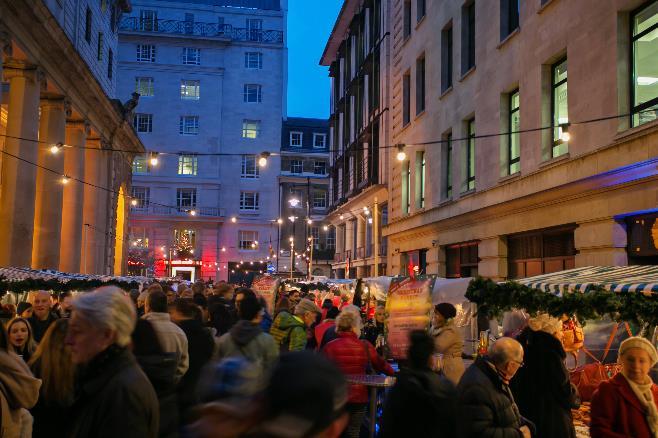
NOVIKOV’S MAGICAL MAYFAIR MARKET IS BACK THIS CHRISTMAS!
By Zara Fistolera

ROLLS-ROYCE MOTOR CARS ANNOUNCES FIRST FULLY ELECTRIC CAR
By Rolls-Royce

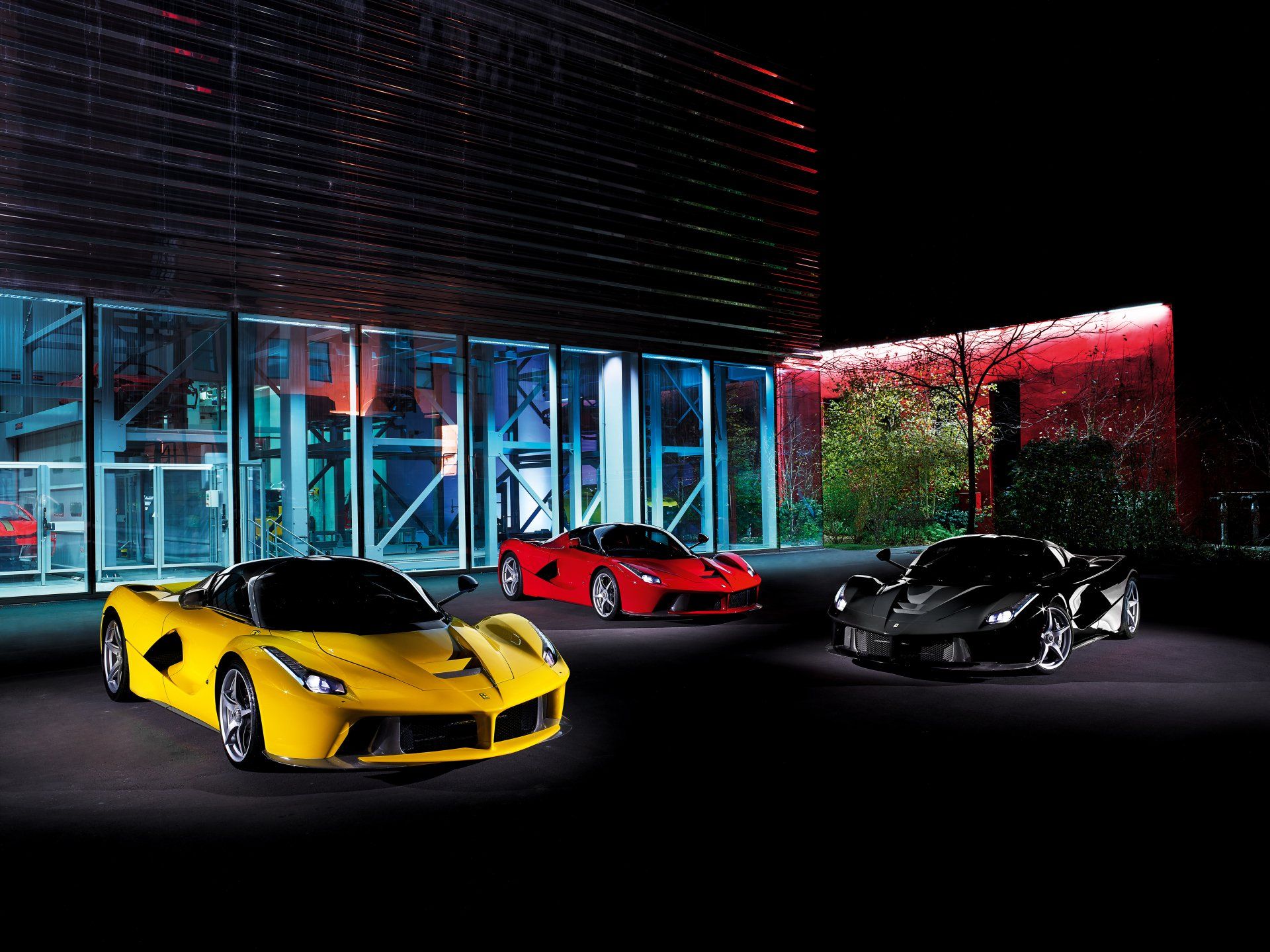
LAFERRARI POWER: FERRARI EXPANDS ITS RANGE OF AFTER-SALES SERVICES
By Ferrari
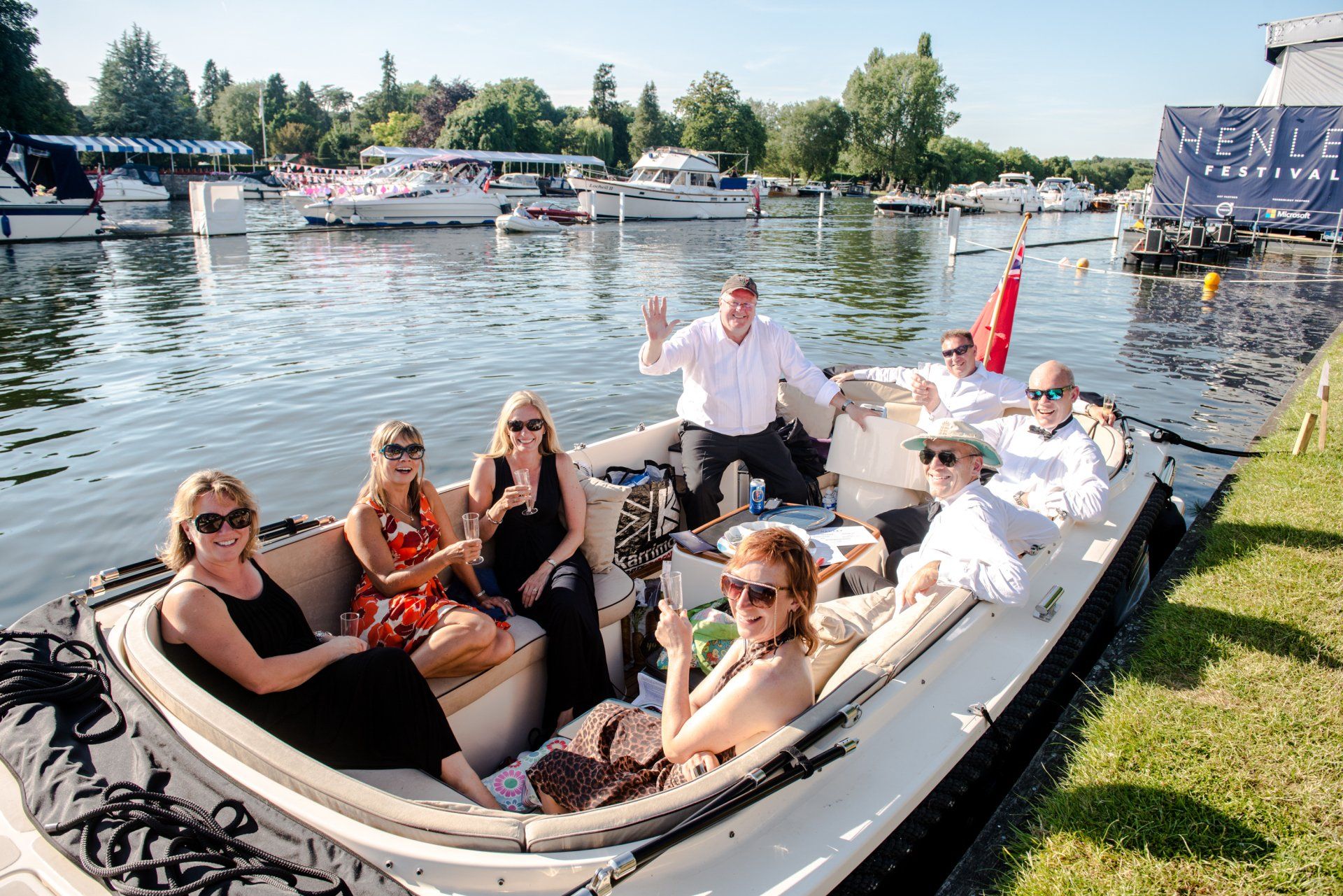
CELEBRATE FREEDOM THIS SUMMER AT THE UNMISSABLE HENLEY FESTIVAL 2021
By Tory Lyne-Pirkis


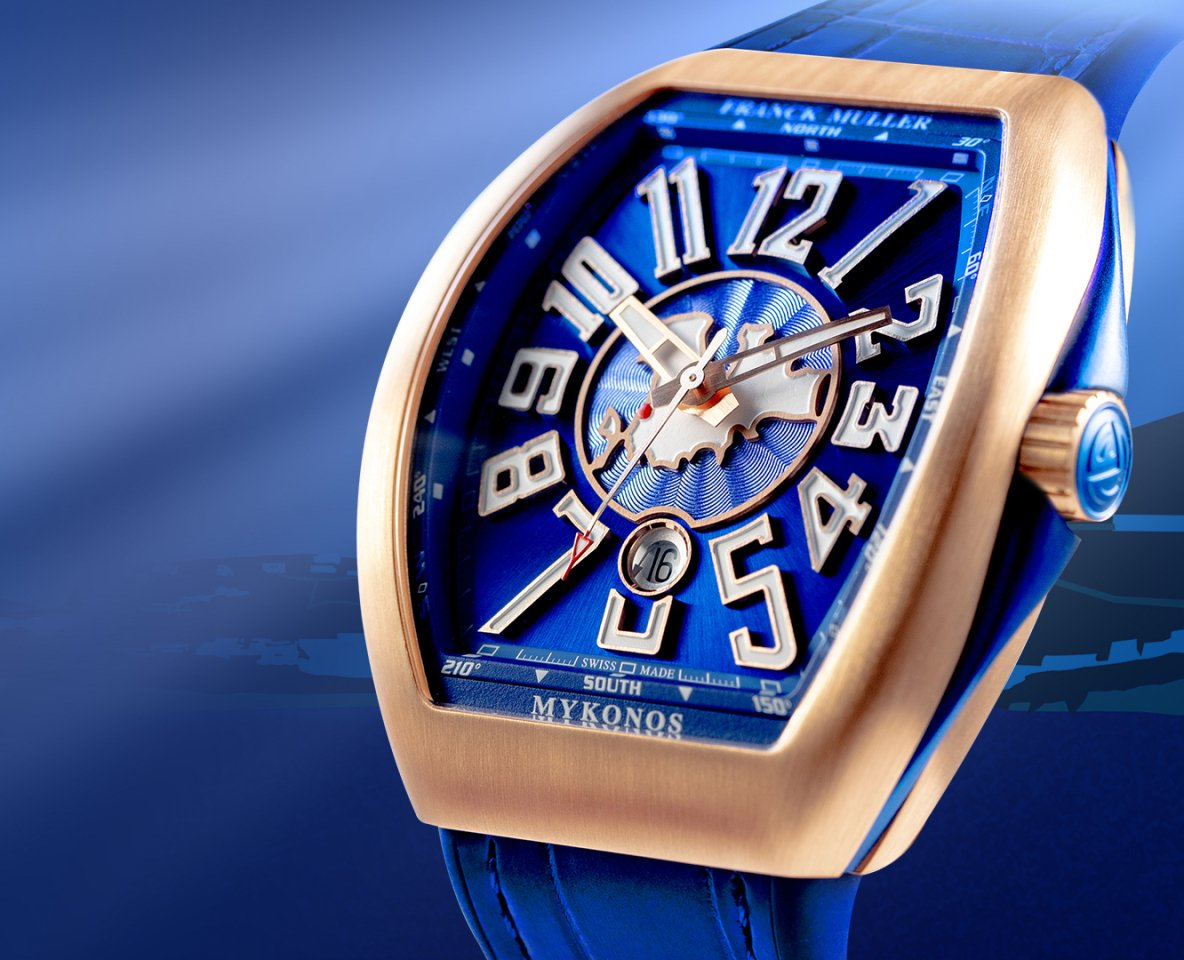
MYKONOS LIMITED EDITION
By Franck Muller
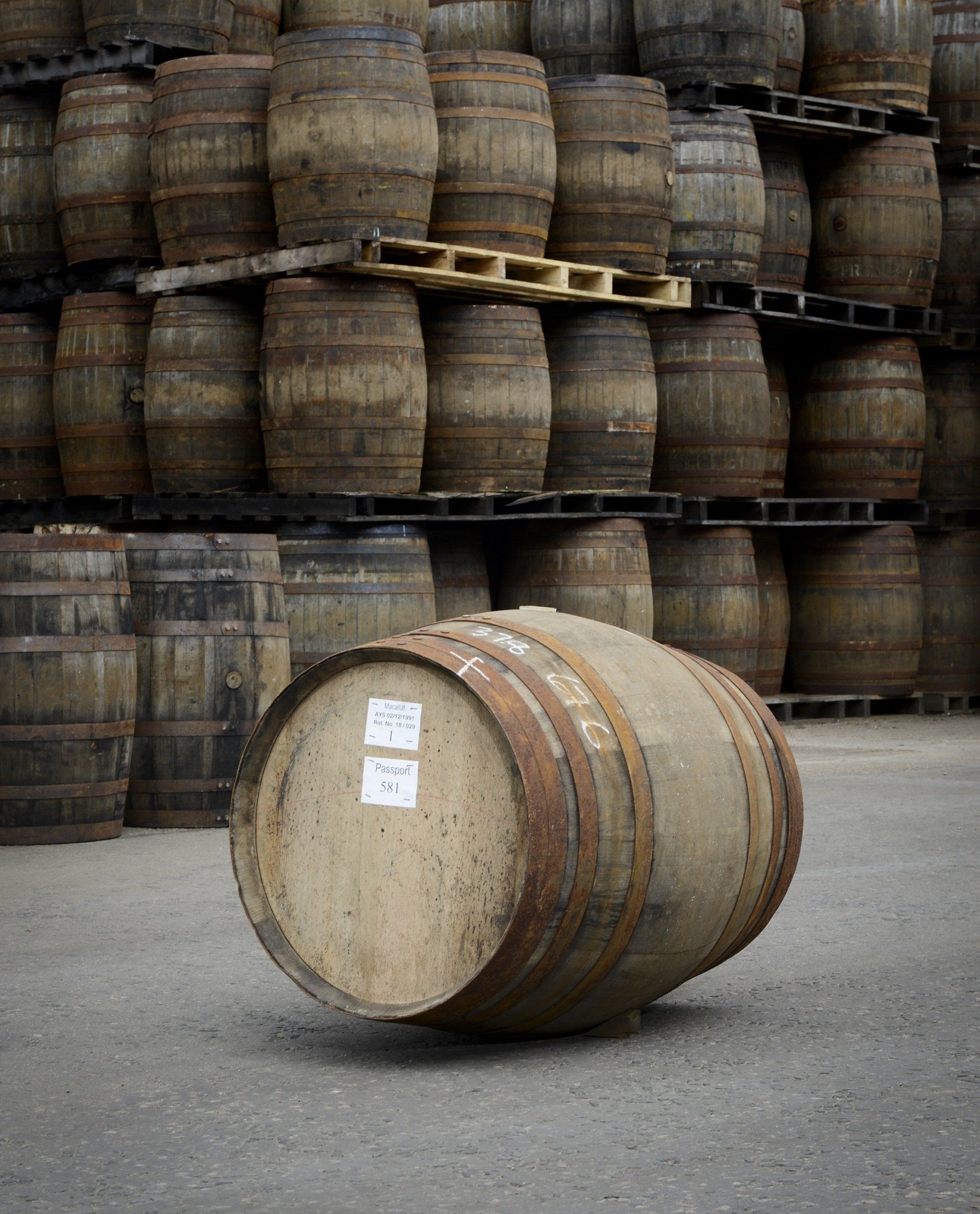
MACALLAN-1991 CASK ACHIEVES WORLD RECORD PRICE AT BONHAMS
By Bonhams


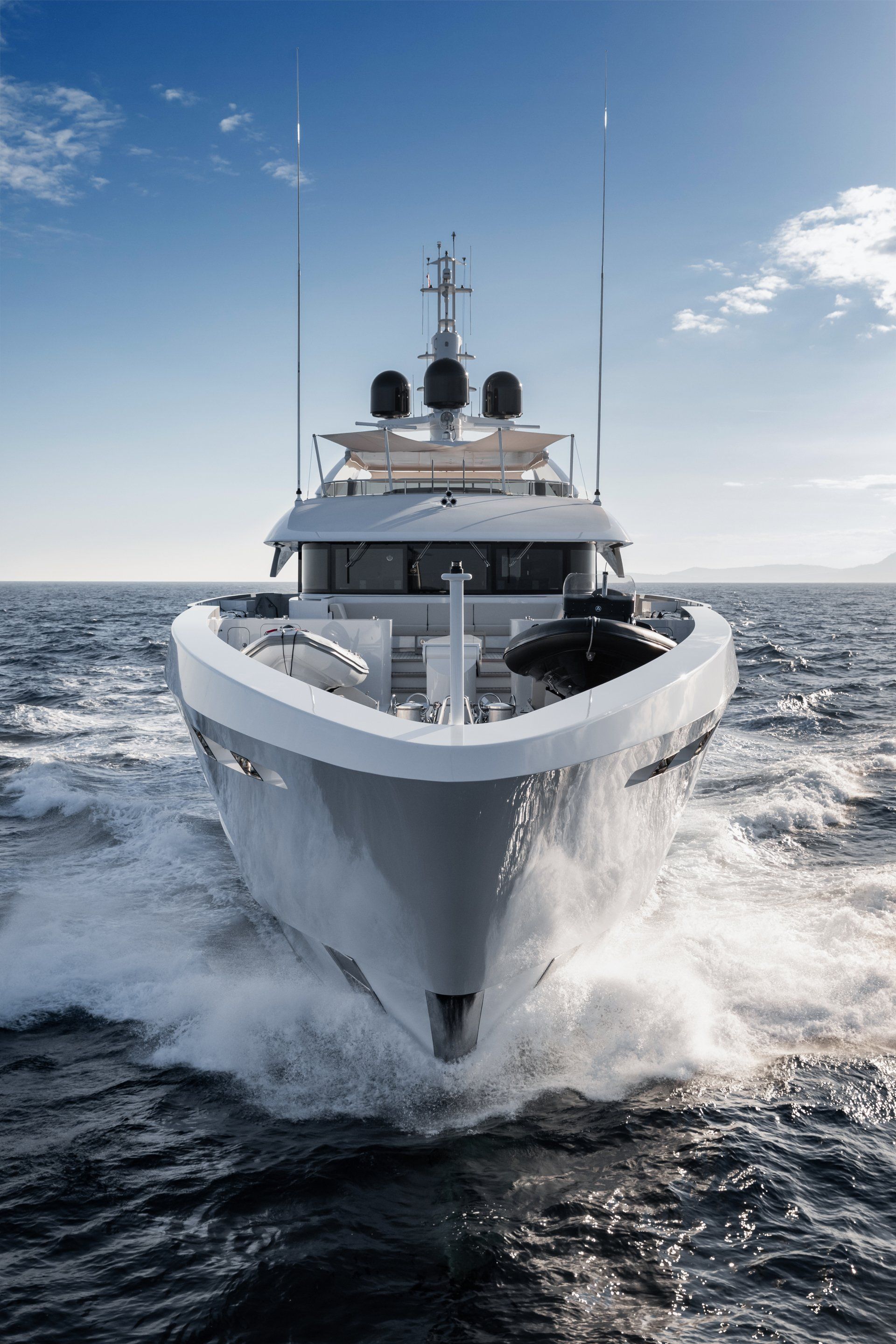
HEESEN’S MOSKITO TO DEBUT AT MONACO YACHT SHOW 2021
By Thomas Lubrina
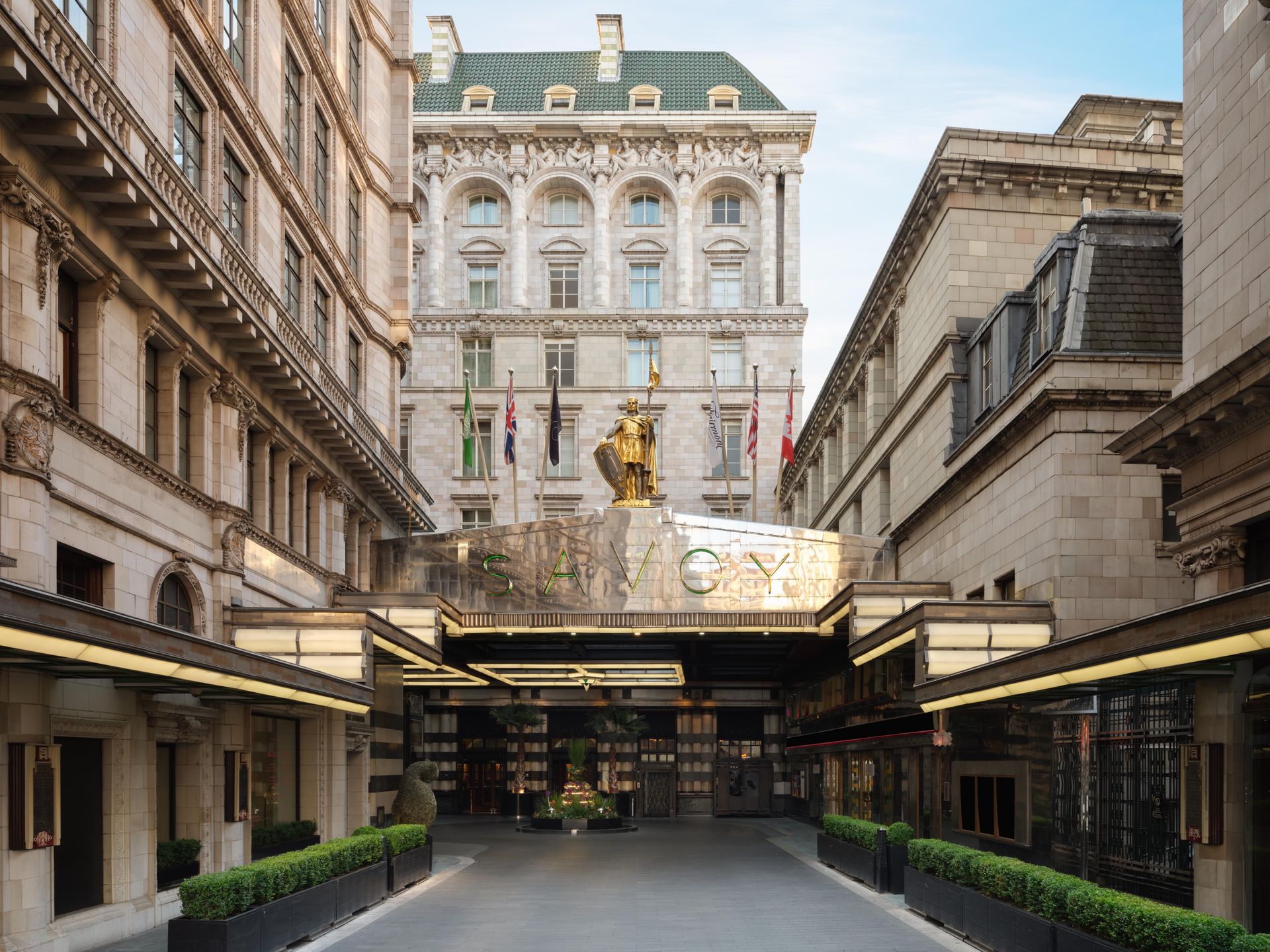
The Savoy Celebrates 135 Years of Iconic History
Button



VIRGIN GALACTIC SUCCESSFULLY COMPLETES FIRST FULLY CREWED SPACEFLIGHT
By Virgin Galactic
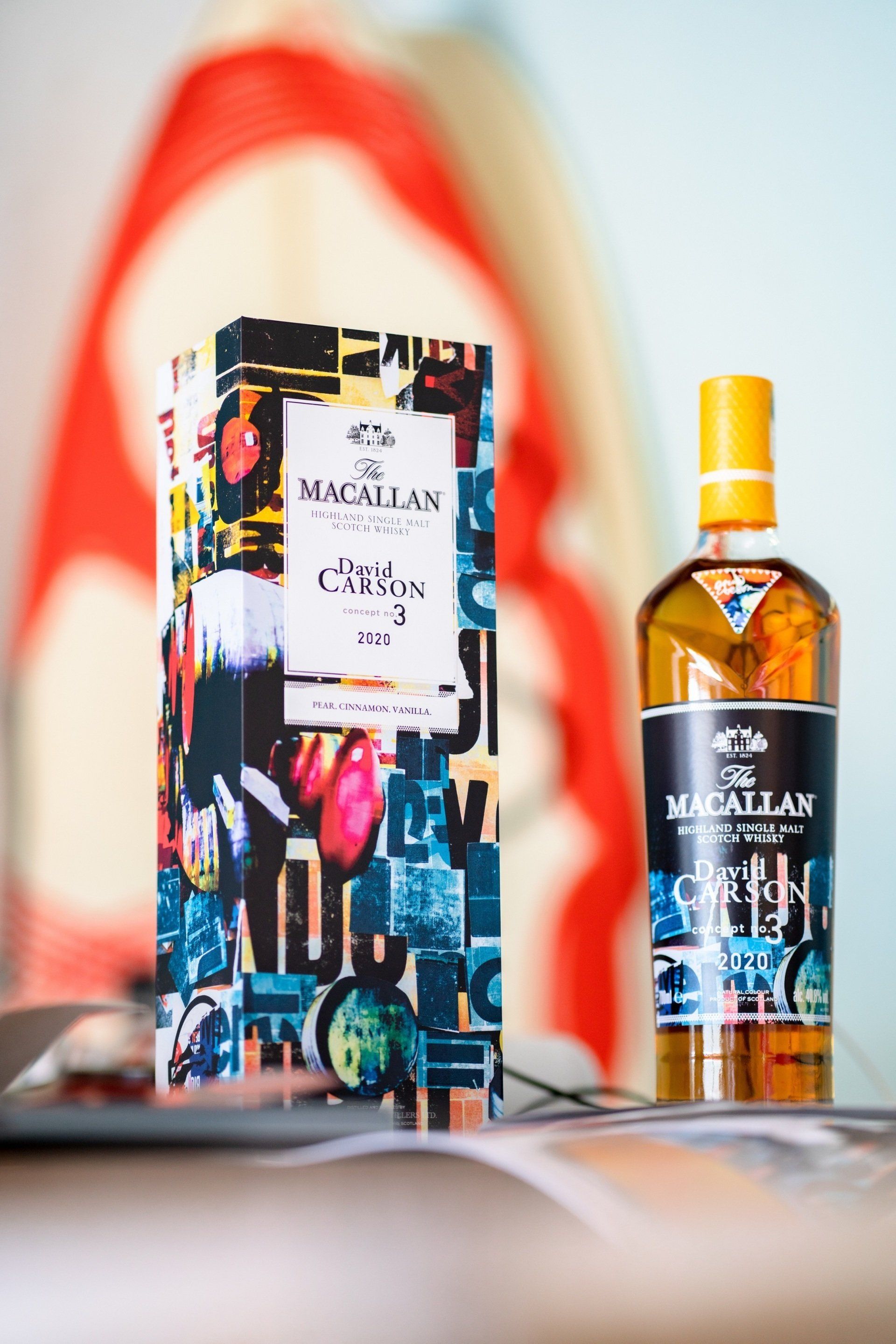
INTRODUCING THE MACALLAN CONCEPT NO. 3 – CREATED IN COLLABORATION WITH DESIGN ICON DAVID CARSON
By The Macallan

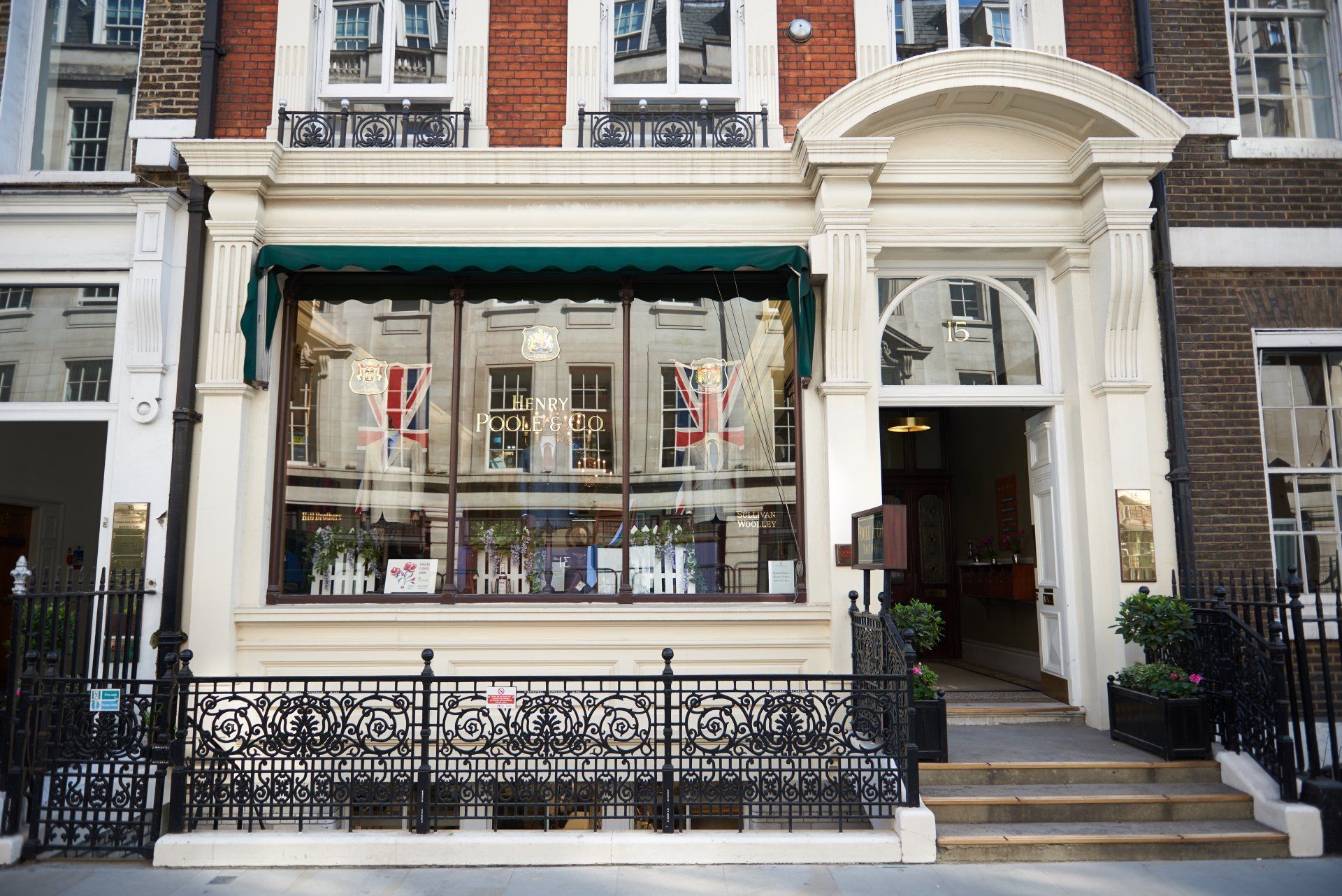


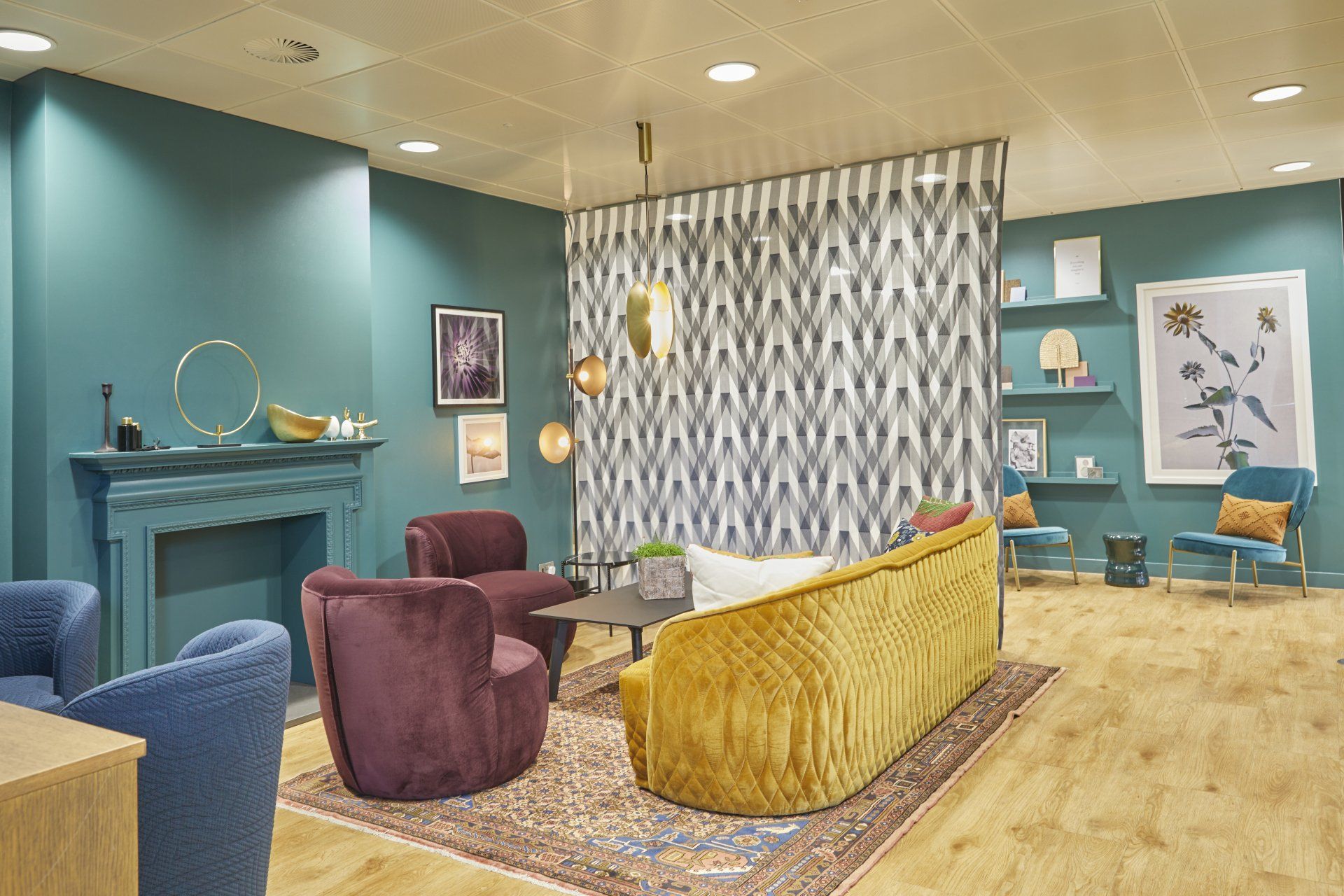
A BRAND NEW WORKPLACE CONCEPT IN VICTORIA THAT BLENDS LUXURY HOSPITALITY WITH FLEXIBLE WORKING
By Clemmie Mason-Pearson

ROLLS-ROYCE LANDSPEED COLLECTION: RECALLING A FORGOTTEN HERO
By Dr Sebastian Oakley FRSA

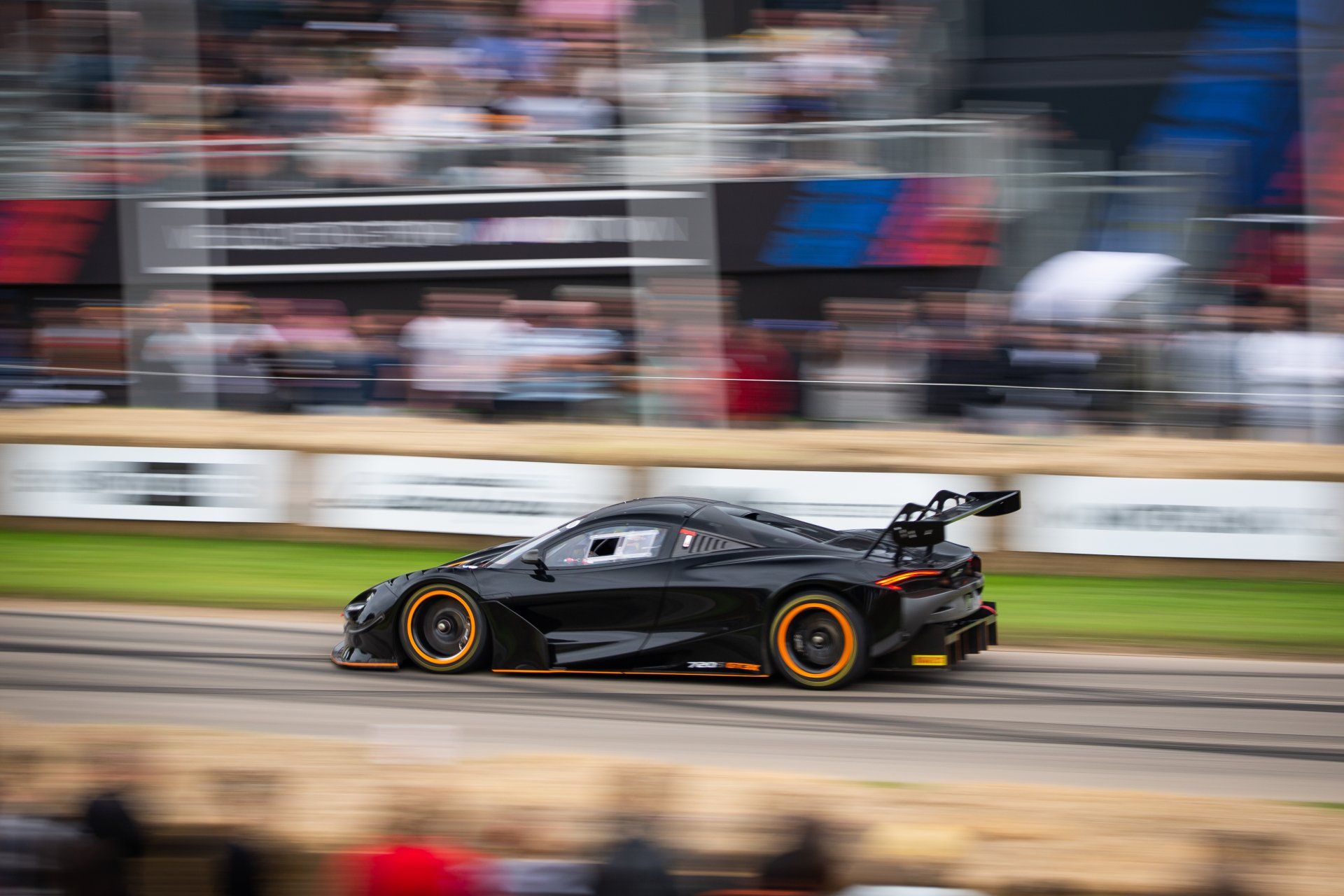
720S GT3X STORMS TO VICTORY IN GOODWOOD FESTIVAL OF SPEED TIMED SHOOTOUT FINAL
By McLaren

McLaren Racing to enter Extreme E in 2022
By Dr Sebastian Oakley FRSA


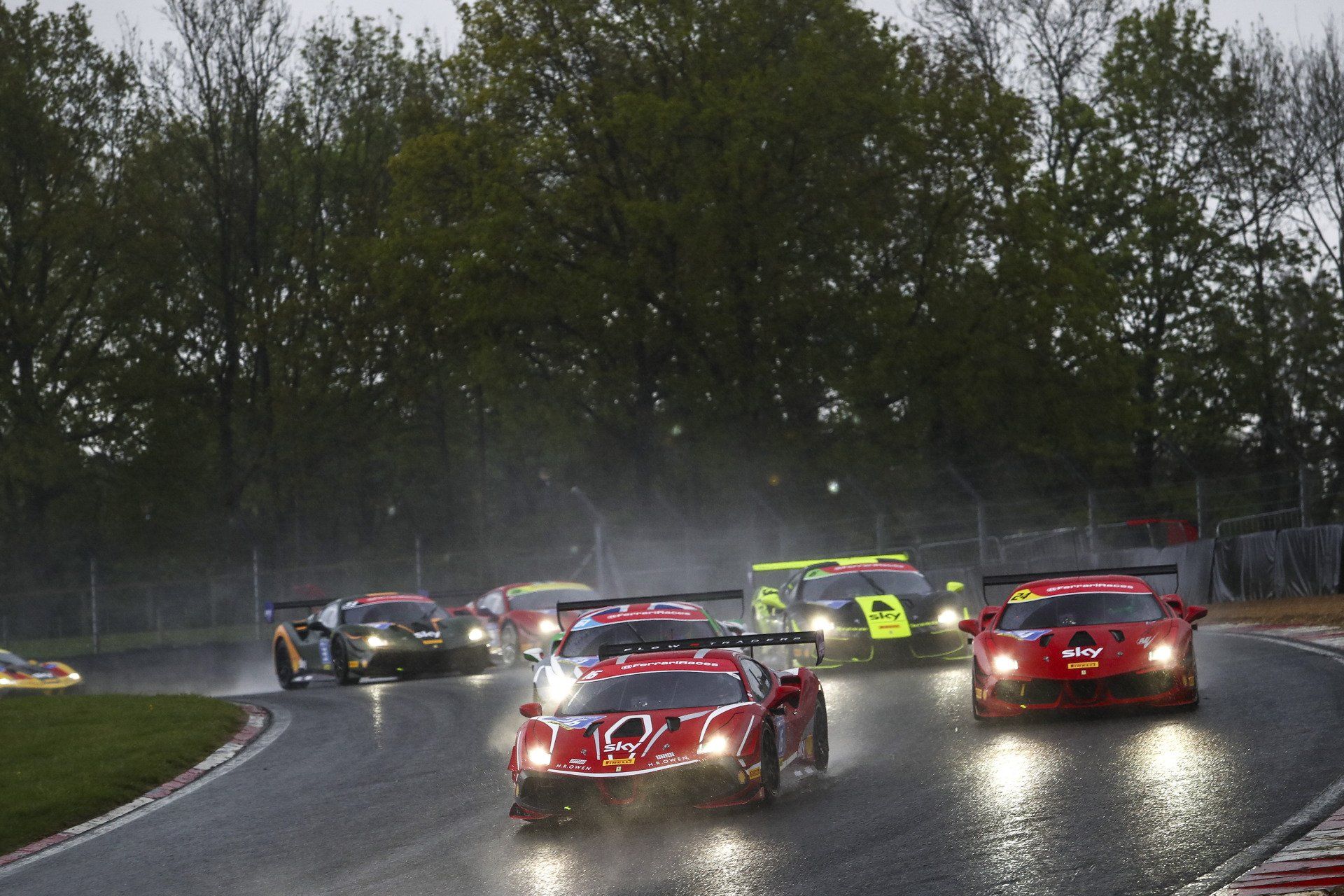
Ferrari Challenge UK 2021 Heads to Donington Park 12-13 June 2021
By Jason Harris
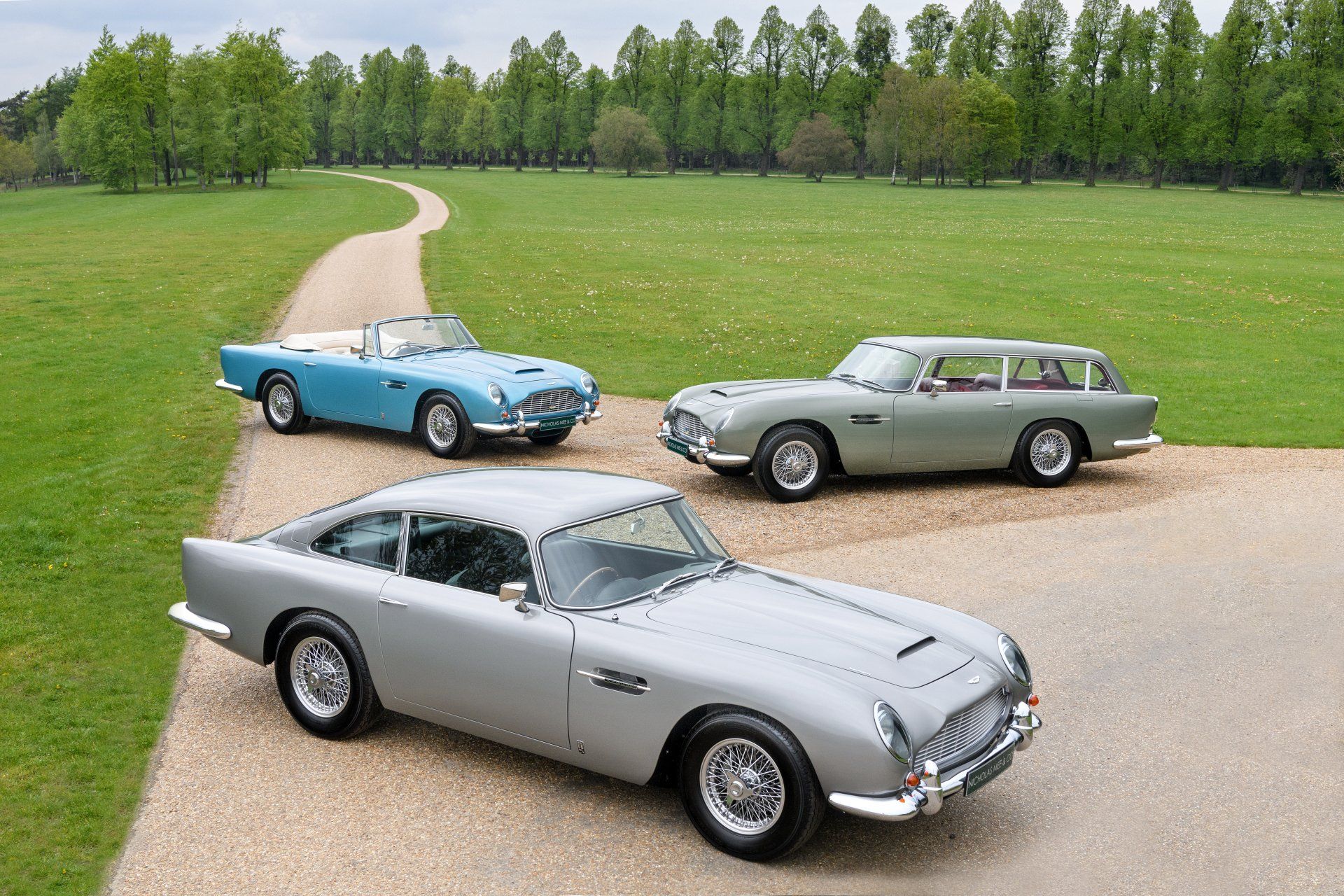
Once-in-a-lifetime Collection of Aston Martin DB5 Vantages Comes to Market
By Ben Lewis
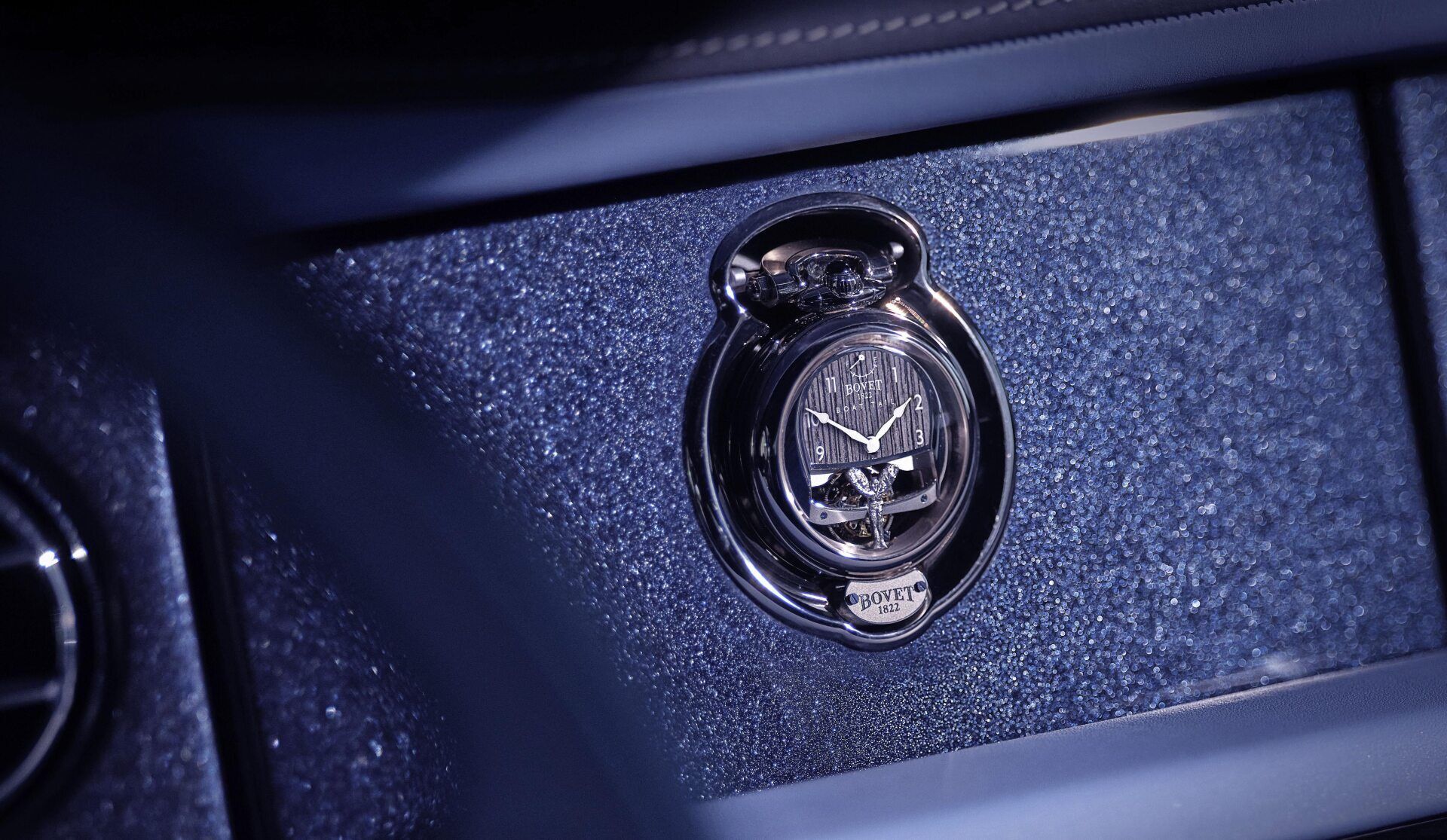
The Rolls-Royce Boat Tail timepieces an artistic collaboration with BOVET 1822
By Rolls-Royce
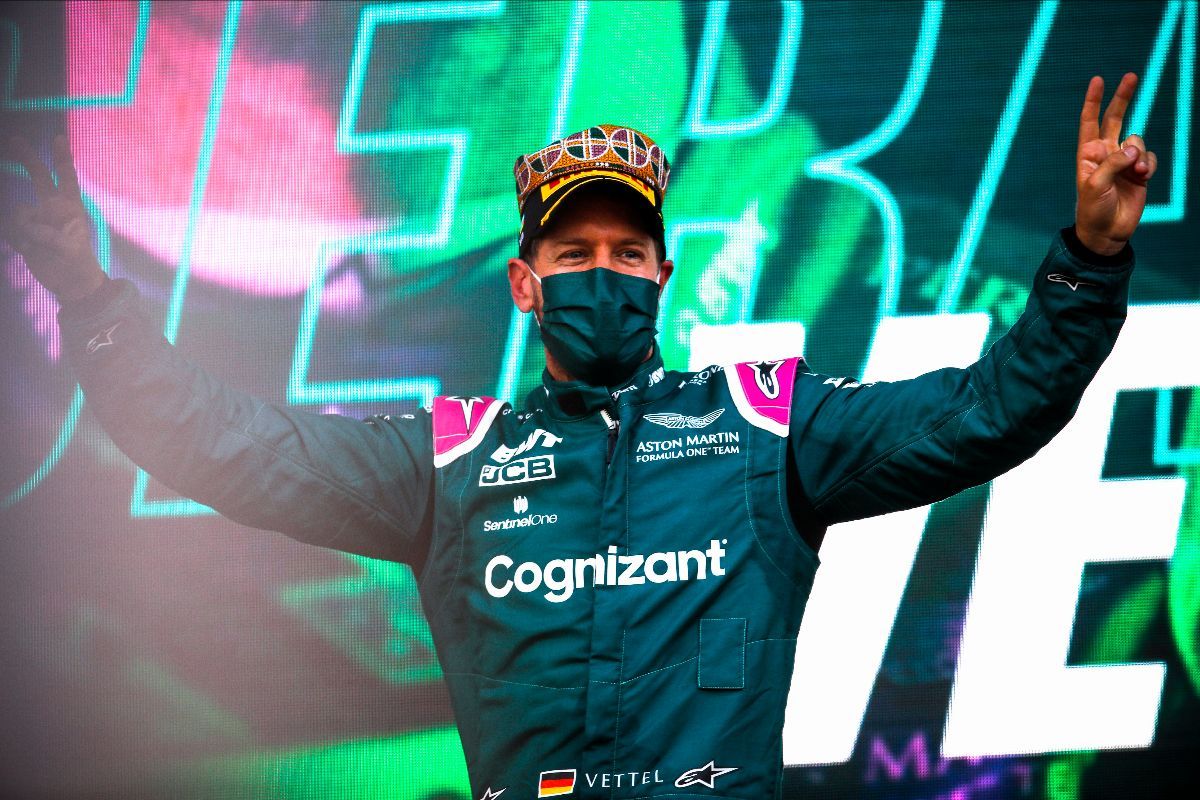
2021 Azerbaijan Grand Prix: Sunday Report
By Aston Martin Cognizant Formula One™ Team

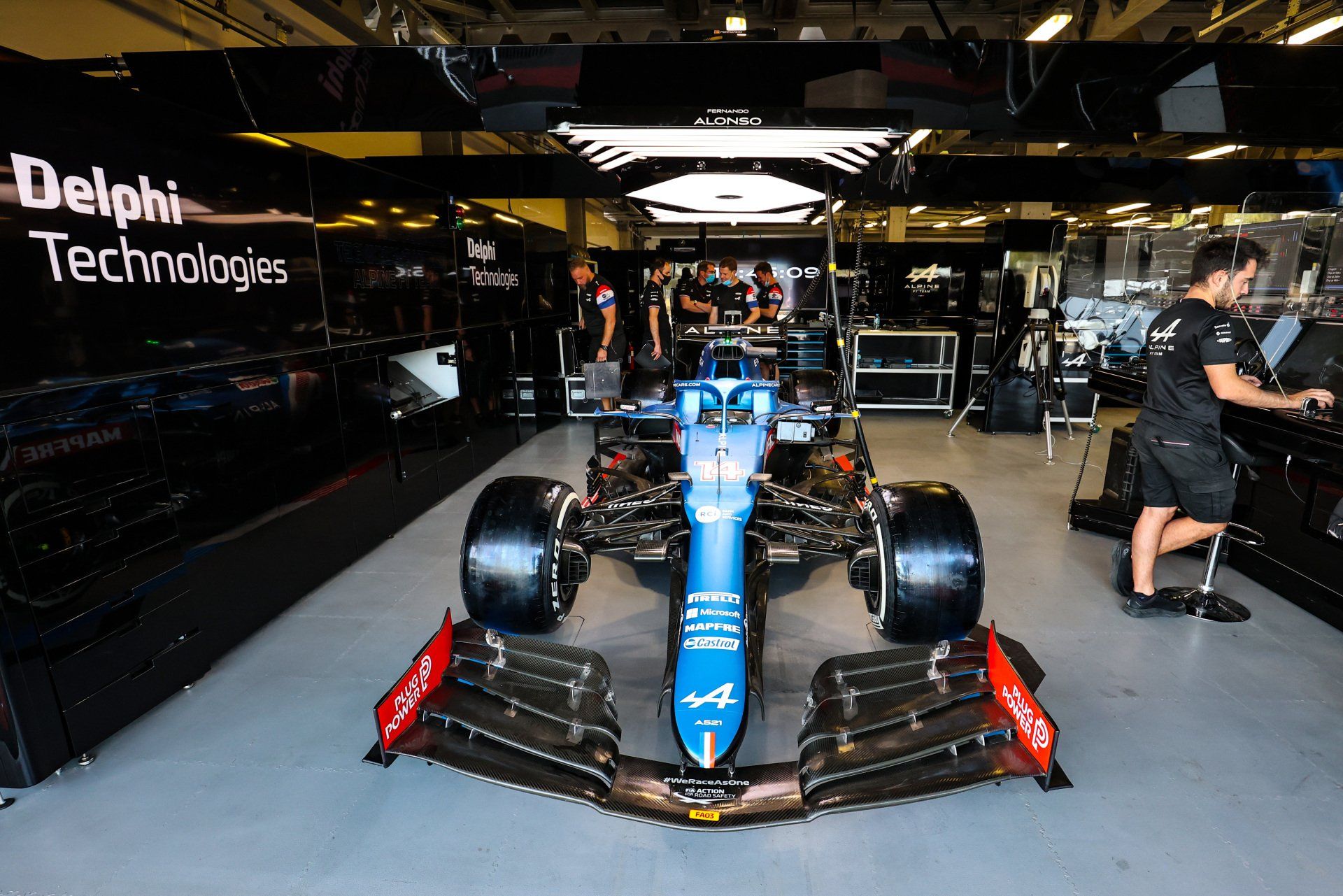
ALPINE F1 TEAM AND BORGWARNER LOOK TO FUTURE WITH NEW PARTNERSHIP
By Dr Sebastian Oakley FRSA
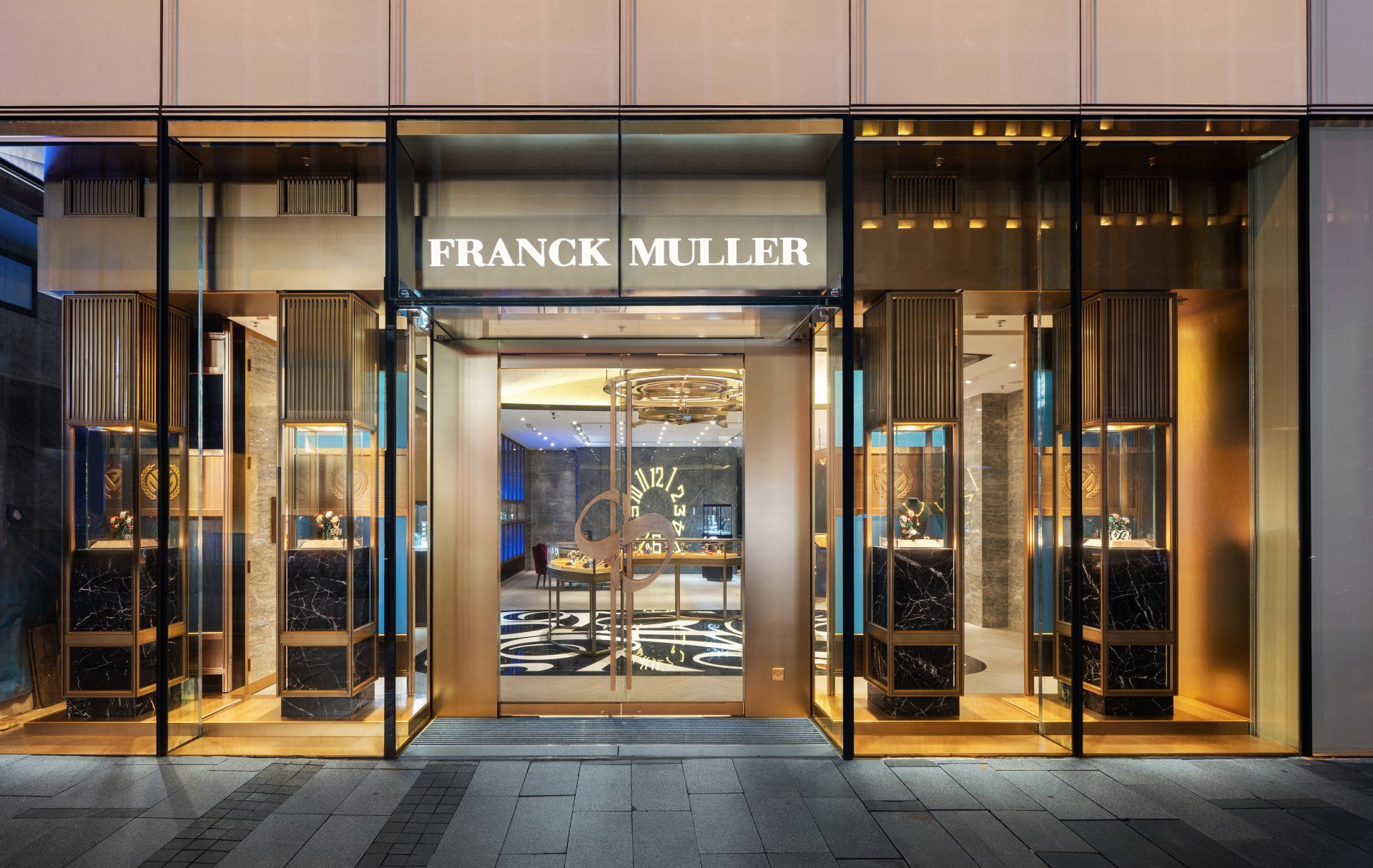
Frank Muller Unveils New Concept Boutique in Central Hong Kong
by Frank Muller
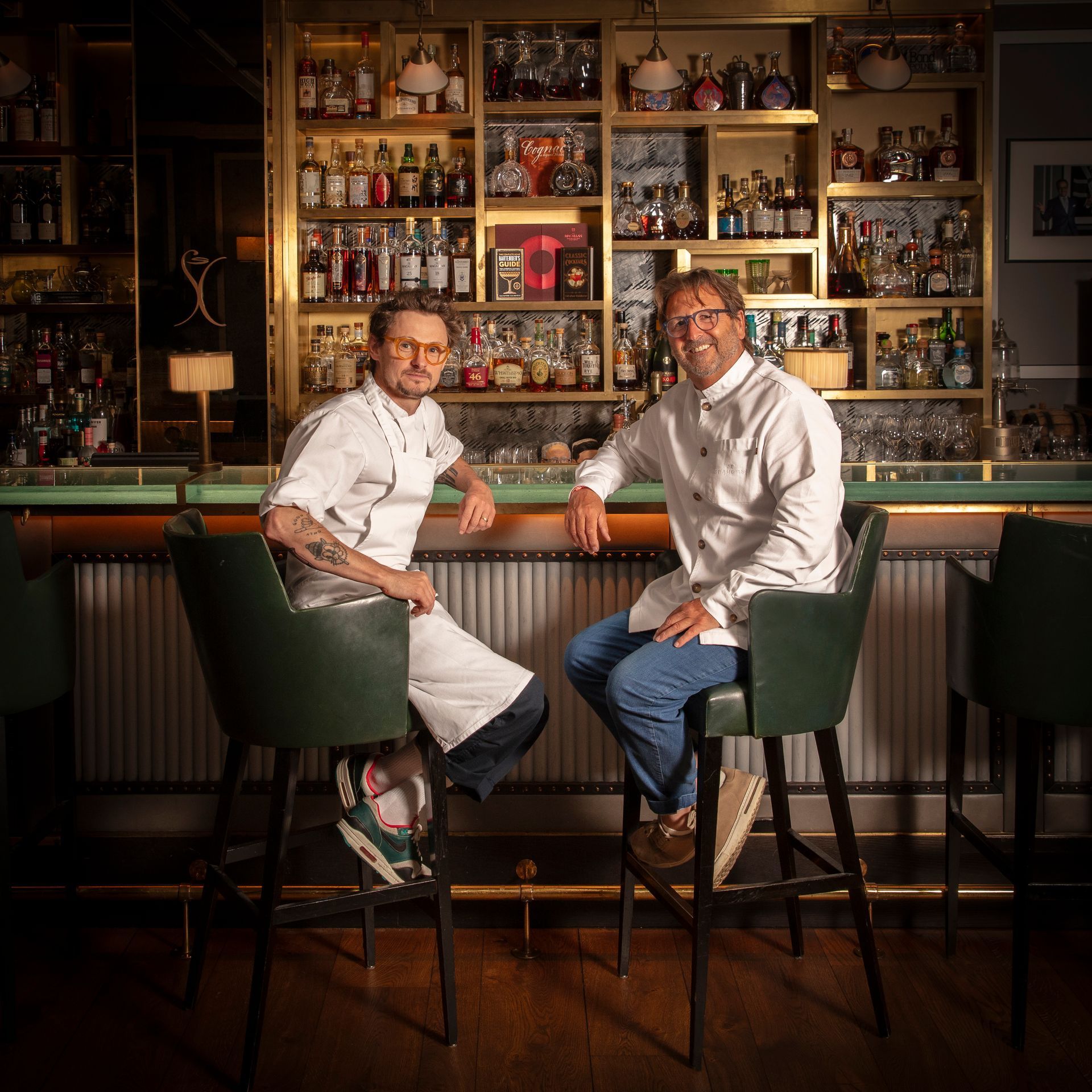
Mitch and Ben Tonks Bring Sustainable Seafood and Timeless Cookery tothe Donovan Bar at Brown’s Hotel
By The Gentleman Magazine