The London Underground The Luxury Traveller’s Secret Weapon
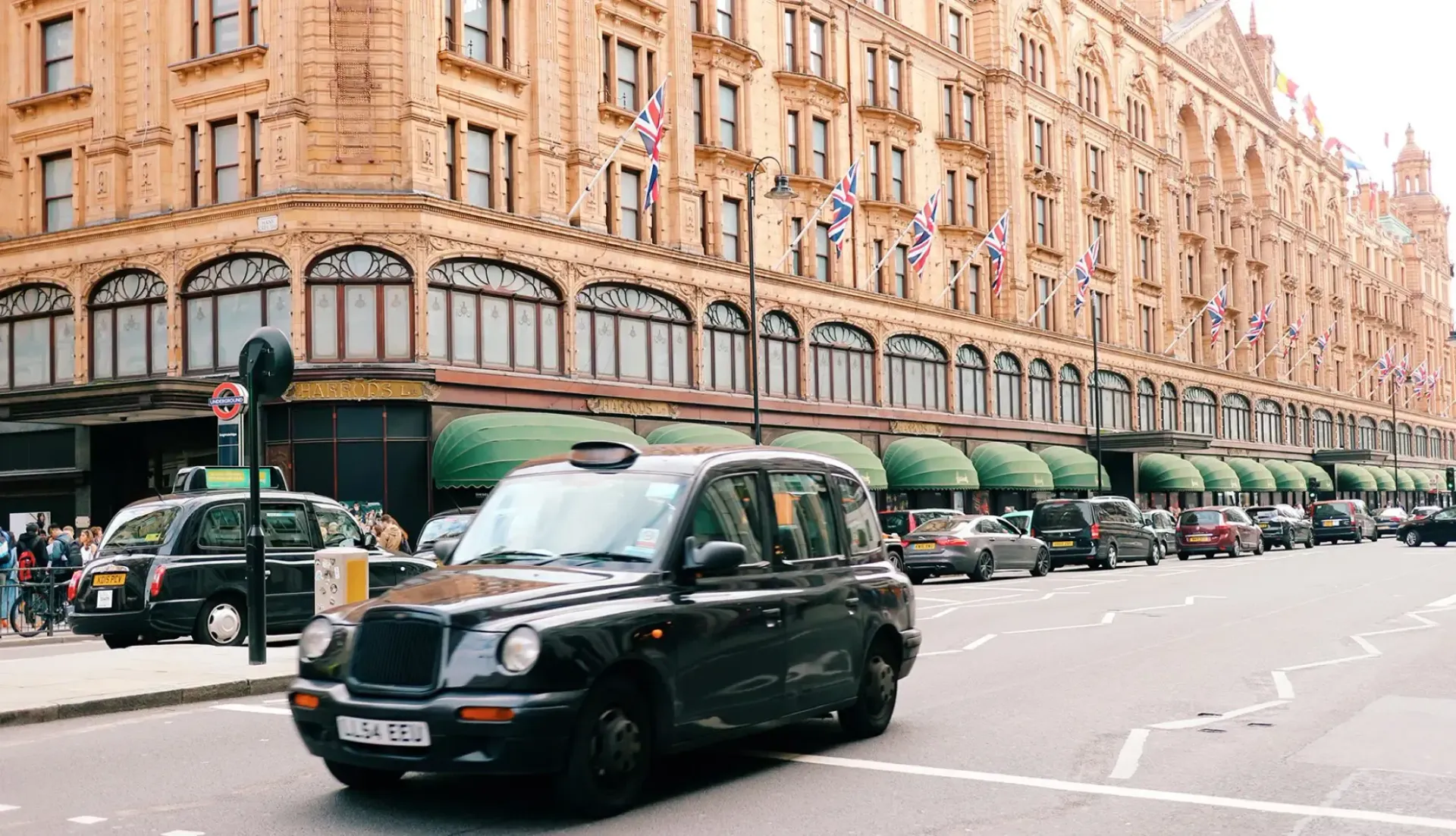
There is a particular moment, familiar to anyone who has spent time in London, when the city reveals its true rhythm. It is not found in the slow procession of black cabs along Piccadilly, nor in the stately sweep of the Thames at dusk, but beneath your feet, in the hum and pulse of the London Underground. For the seasoned traveller—and increasingly for the luxury-minded visitor—the Underground is no longer simply a means of transport. It is a quiet, intelligent, and surprisingly refined tool; a secret weapon for navigating one of the world’s most exhilarating capitals.
To the uninitiated, the idea of pairing “luxury” with the Underground may seem contradictory. After all, luxury is so often framed through the lens of exclusivity, privacy, and indulgence. Yet London has always rewritten the rules of what luxury means. Here, it is not always about being removed from the city, but about moving through it with confidence, ease, and a certain insider knowledge. In that sense, the Underground offers something far more valuable than a chauffeured car inching through traffic: it offers time, precision, and access.
Consider the geography of London. It is a city of villages stitched together into a sprawling metropolis, where Mayfair elegance sits a few stops away from the creative pulse of Shoreditch, and the cultural grandeur of South Kensington is seamlessly linked to the theatrical energy of the West End. Attempting to traverse these worlds by road can often feel like a battle against the city itself. The Underground, by contrast, is a masterstroke of design and efficiency, allowing you to glide beneath the chaos and emerge exactly where you need to be.

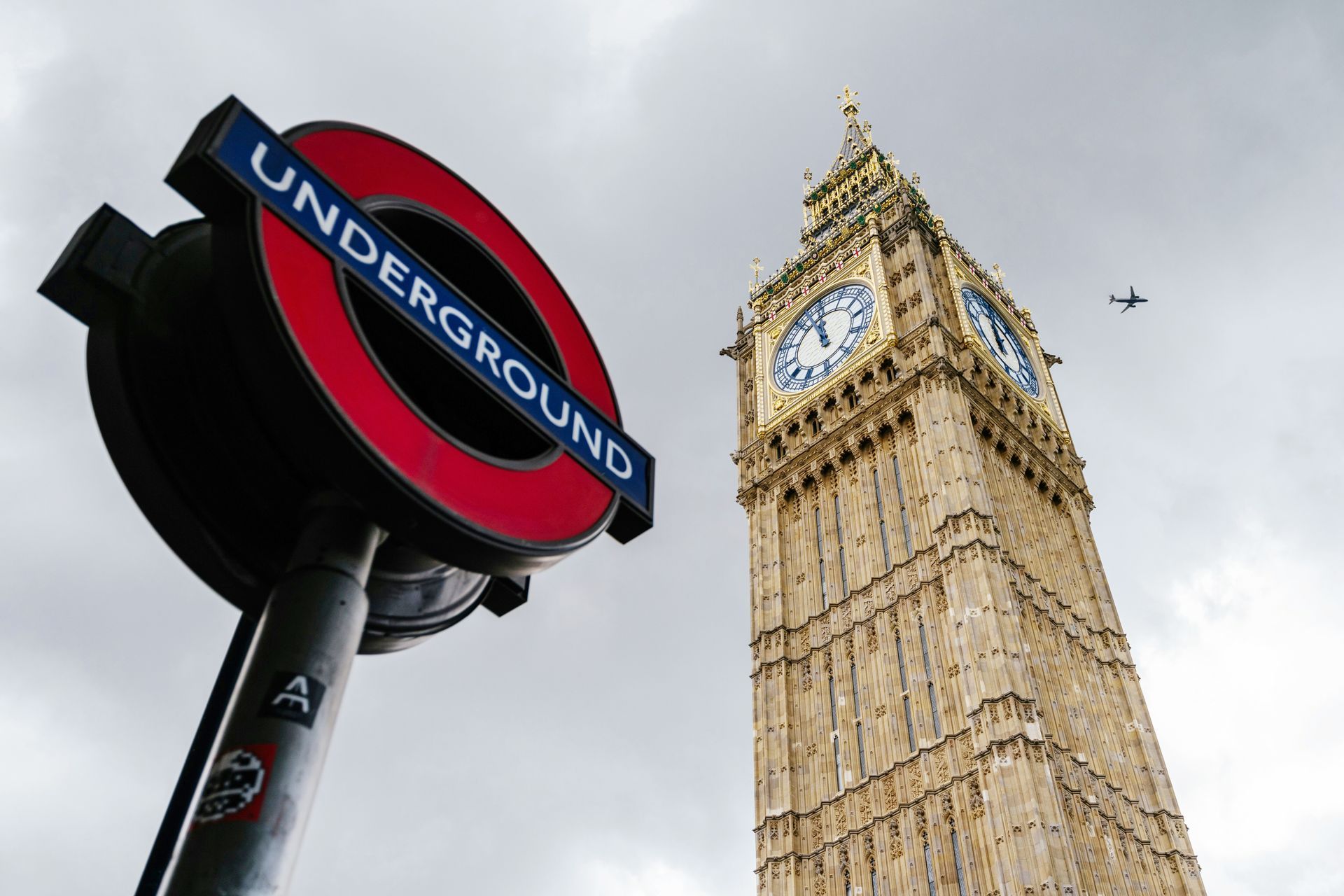
There is, too, an undeniable romance to it. The iconic roundel, the unmistakable typeface, the soft chime of doors closing—these are not merely functional elements, but part of London’s cultural fabric. The Underground is one of the few transport systems in the world that carries with it a sense of heritage and identity as strong as any landmark. To ride it is to participate in a living history that dates back to 1863, when the world’s first subterranean railway changed urban life forever.
For the luxury traveller, time is perhaps the most precious commodity. A carefully curated itinerary—breakfast at a discreet Mayfair hotel, a late morning gallery visit in Chelsea, lunch in Notting Hill, and an evening performance in Covent Garden—can quickly unravel when subjected to London’s famously unpredictable traffic. The Underground, however, operates with a reassuring logic. It is immune to congestion, largely unaffected by weather, and governed by a network that has been refined over more than a century.
This is where it becomes your secret weapon. With a simple tap of a contactless card or mobile device, you unlock a system that allows you to move across the city with remarkable fluidity. There is no need for tickets, queues, or complicated planning. Instead, there is a sense of effortless progression—one that feels almost bespoke in its efficiency. It is, in many ways, the ultimate concierge service, quietly guiding you from one experience to the next.
Of course, not all lines are created equal, and part of the art lies in knowing how to use the network to your advantage. The Jubilee line, for instance, offers a sleek and modern journey, connecting the historic heart of Westminster with the contemporary skyline of Canary Wharf. The Central line slices through the city from east to west, providing swift access to key shopping and cultural districts. Meanwhile, the Piccadilly line delivers a direct and dependable route from Heathrow Airport into the very centre of London—a detail that seasoned travellers often exploit to avoid the unpredictability of road transfers.
Yet beyond practicality, there is a certain theatre to the Underground that adds to its appeal. Step onto a platform at Baker Street, and you are greeted by tiles depicting Sherlock Holmes, a subtle nod to the area’s literary heritage. At Westminster, you ascend through a dramatic lattice of escalators that feels almost architectural in its ambition. Even the stations themselves become part of the experience, each with its own character and story.
For those who appreciate design, the Underground is a masterclass in visual identity. From Harry Beck’s revolutionary map—an abstract diagram that prioritises clarity over geography—to the enduring Johnston typeface, every element has been considered and refined. It is a reminder that true luxury often lies in thoughtful design, in systems that anticipate your needs and deliver them with quiet confidence.
There is also a democratising elegance to the Underground that feels distinctly London. On any given journey, you may find yourself seated beside a financier, an artist, a student, or a visitor from across the globe. It is a rare space where the city’s diverse identities converge, offering a fleeting but authentic glimpse into its character. For the traveller seeking not just to see London but to understand it, this is invaluable.
That is not to say the experience is without its nuances. Timing, for instance, is everything. The morning and evening rush hours are best avoided, not because they lack charm, but because they demand a certain resilience. Instead, the Underground reveals its more refined side during the quieter hours—mid-morning journeys, late afternoon returns, or even an evening ride as the city begins to glow. There is a particular pleasure in descending into the system after a long day, the noise of the streets fading as you step onto the platform. The train arrives with a familiar rush of air, the doors slide open, and within moments you are in motion, carried effortlessly beneath the city. It is a transition that feels almost cinematic, a brief interlude between experiences.
For those staying in London’s finest hotels, the Underground offers an unexpected complement to the traditional markers of luxury. It allows you to extend your reach, to explore neighbourhoods that might otherwise feel distant or inconvenient. A spontaneous trip to Hampstead for a walk on the Heath, an impromptu visit to a gallery in Whitechapel, or a last-minute reservation in Soho—all become entirely feasible. In this way, the Underground enhances not just your movement, but your mindset. It encourages a sense of curiosity and spontaneity, inviting you to engage with the city on your own terms. Rather than being confined to a fixed itinerary, you are free to adapt, to follow your instincts, and to discover London as it unfolds.
It is also worth noting the quiet evolution of the system itself. Recent years have seen significant investment in accessibility, air-conditioned trains on key lines, and the integration of digital tools that make navigation even more intuitive. Real-time updates, journey planners, and seamless payment systems have transformed the experience, bringing it firmly into the modern age while preserving its historic charm. And perhaps that is the true genius of the London Underground. It is a system that balances heritage and innovation, efficiency and character, practicality and poetry. It does not demand attention, yet it rewards those who understand it. It is, quite simply, one of the most effective ways to experience London.
For the luxury traveller, this presents a subtle but powerful shift in perspective. Luxury is no longer defined solely by what separates you from the city, but by how seamlessly you can move within it. The Underground, with its understated brilliance, offers exactly that. So on your next stay in London, resist the instinct to remain above ground. Step beyond the expected, descend into the network, and allow the city to reveal itself in a different way. You may find that the true luxury of London lies not in avoiding its complexities, but in mastering them.
Because in a city as layered and dynamic as this, the greatest advantage is not what you see—it is how effortlessly you can get there.
Read More:









































































































































































































































































































Just a few of the brands we work with