What Is a ‘Superbrand’ ?
Inside the New Hierarchy of Luxury Fashion
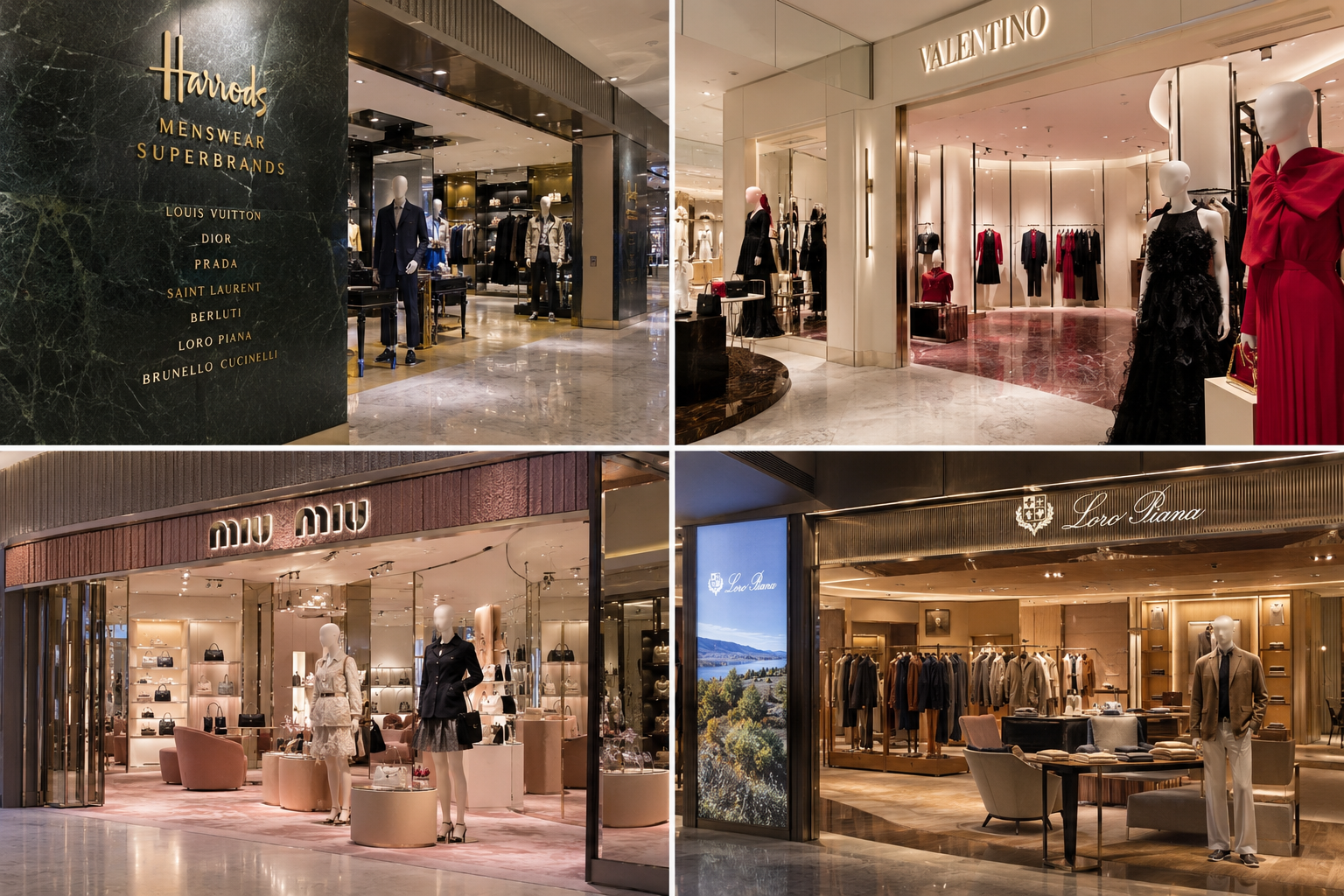
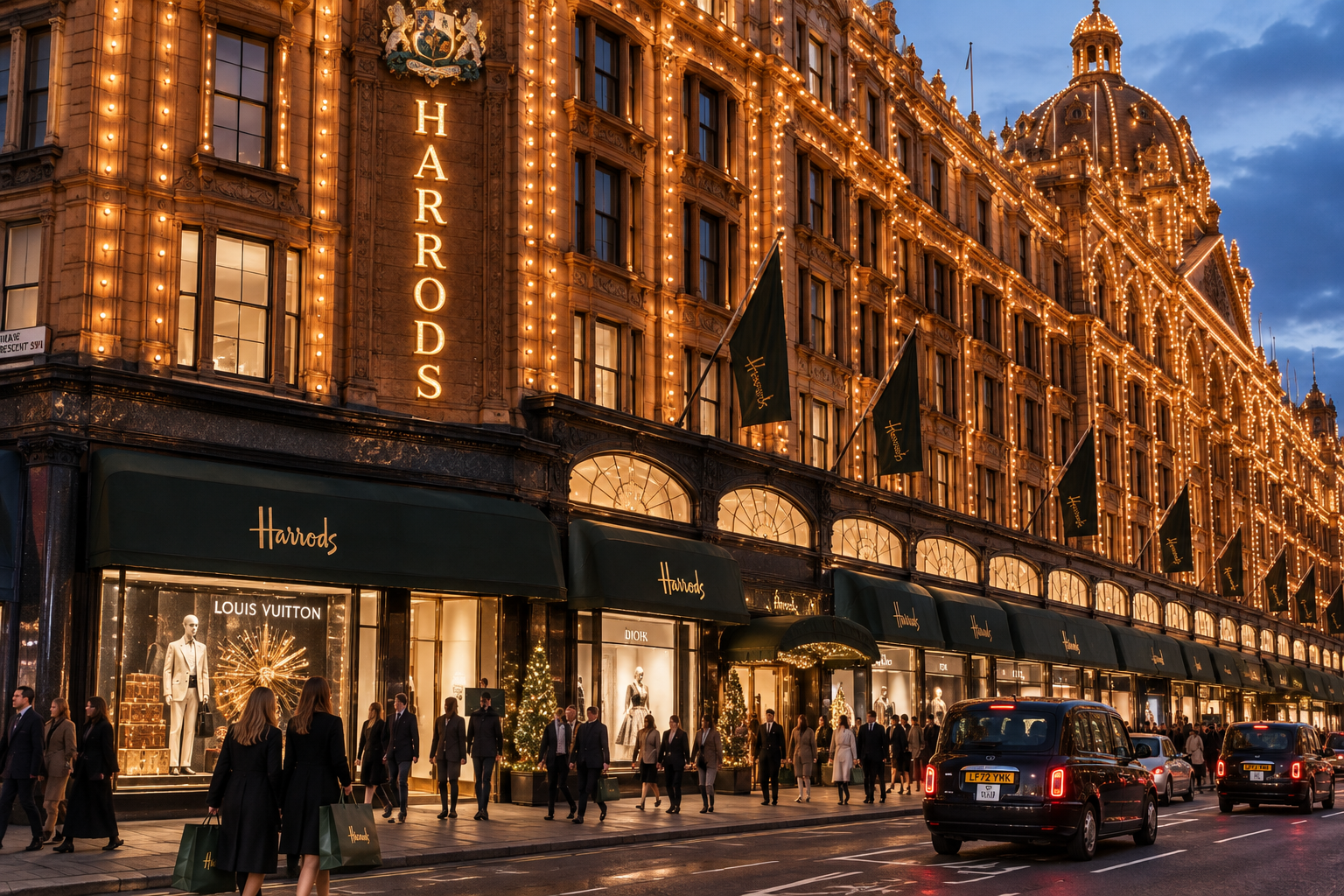
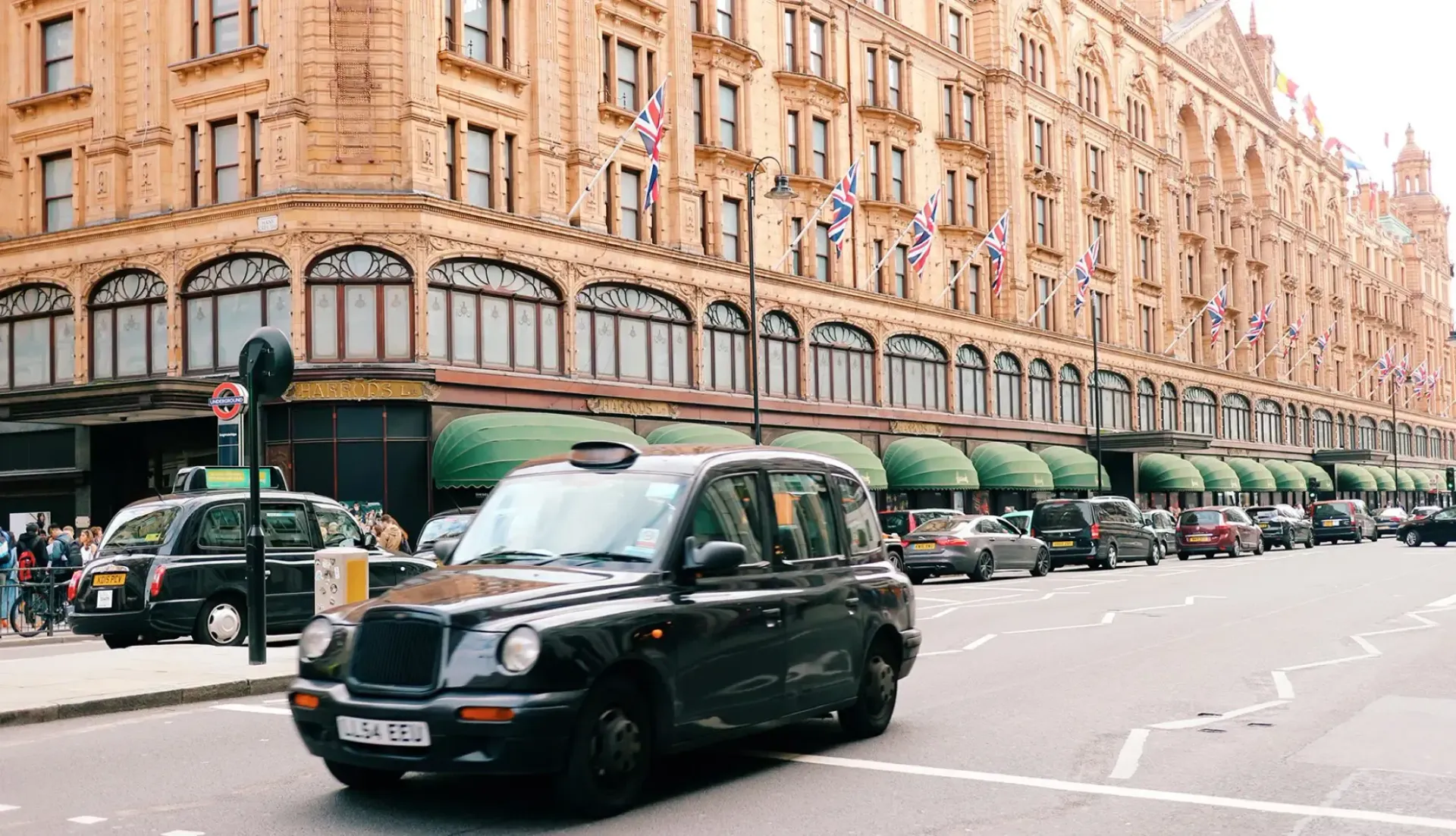
Walk through Harrods today and there is a word that seems to capture perfectly what has happened to the upper reaches of the luxury industry: “Superbrands”. It sounds almost theatrical, perhaps even a little excessive, but then luxury has never been an industry particularly interested in understatement when it comes to defining its most important players. Harrods uses the term to describe some of the most prestigious fashion houses in the world, presented not simply as labels hanging from rails, but through immersive boutique environments designed to give each house its own identity. And while the terminology itself is not new, I think the idea behind it has suddenly become far more interesting.
For decades we have talked about designer brands, luxury brands and fashion houses. Now “superbrand” feels like a useful description for something sitting another rung above them all. These are businesses that have evolved beyond simply producing beautiful clothes, handbags or shoes. They have created entire worlds around themselves, complete with instantly recognisable visual languages, spectacular boutiques, famous ambassadors, enormous fashion shows, coveted accessories and, perhaps most importantly, customers who want to buy into the name almost as much as the object itself.
Think Miu Miu, Valentino, Celine, Prada, Chanel, Dior, Saint Laurent and Louis Vuitton. These are names capable of turning a relatively simple handbag, jacket or pair of shoes into an object of desire because of everything surrounding it. They are not merely selling fashion; they are selling membership of a very carefully constructed universe.
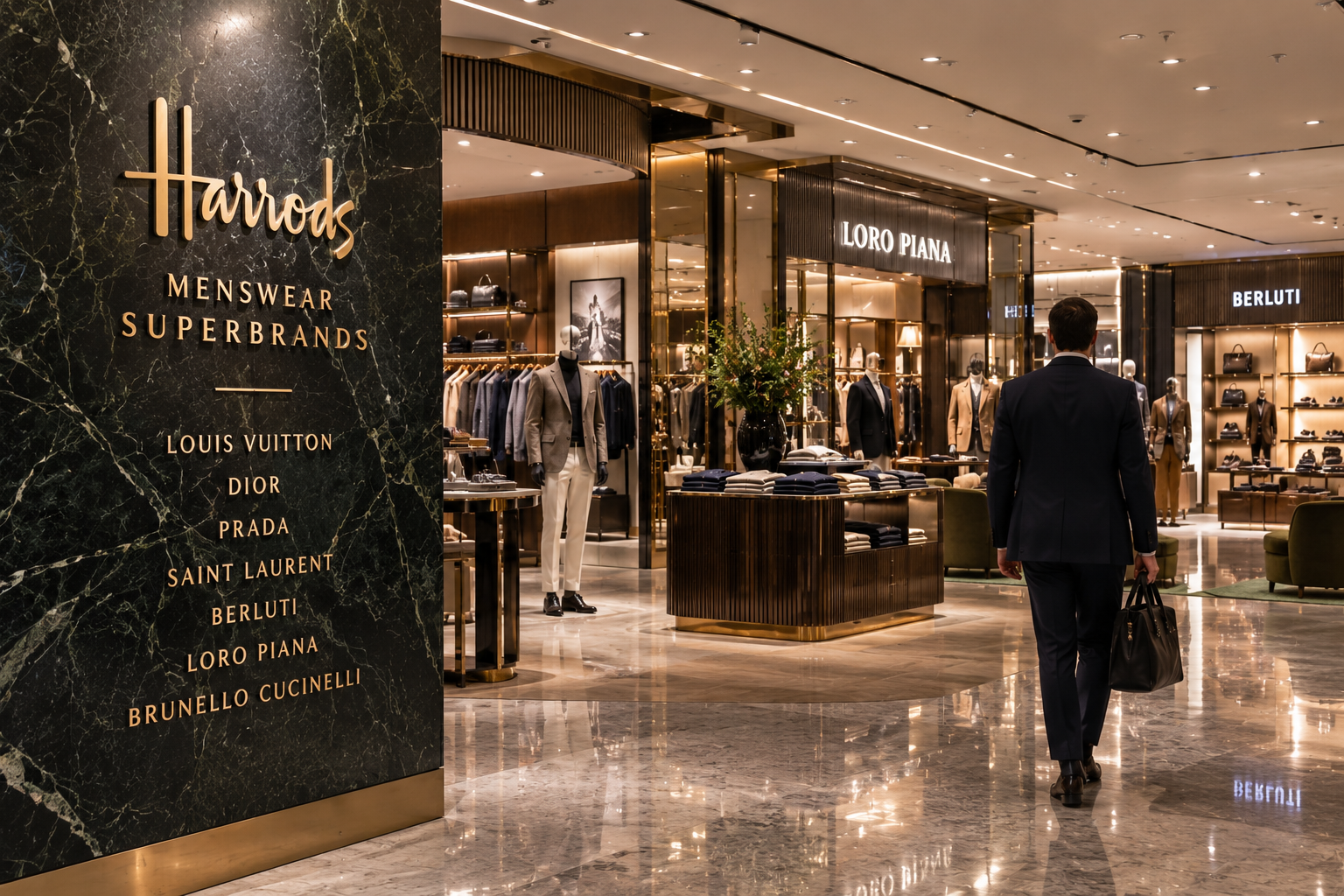
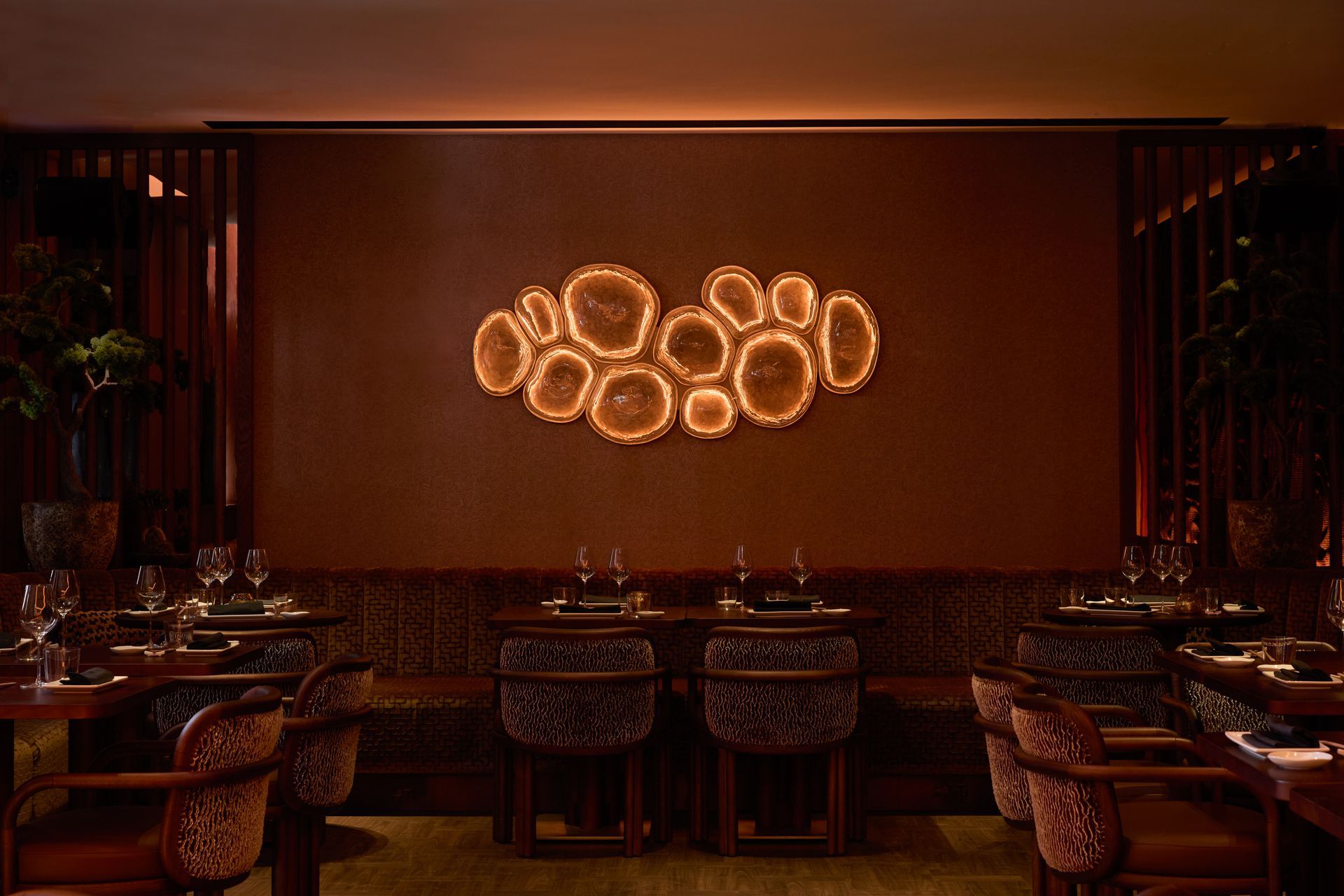
Harrods’ Superbrands concept perhaps demonstrates this better than anywhere else. Its luxury spaces bring major houses together while simultaneously allowing each one to behave almost as though it were an independent flagship boutique. The result is something rather different from the traditional department store model where numerous designers might share the same floor, rails and visual language. Step into one of these boutiques and suddenly you are entering the world of that particular house. That distinction matters.
Luxury shopping has always been partly about theatre. There is the beautifully dressed window, the doorman, the carefully considered lighting, the reassuring weight of the shopping bag and that almost ceremonial moment when your purchase is wrapped. In an age when practically anything can be ordered from a smartphone while sitting on the sofa, however, physical luxury retail needs to offer considerably more than inventory. A superbrand can do precisely that. It can make shopping an experience in its own right.
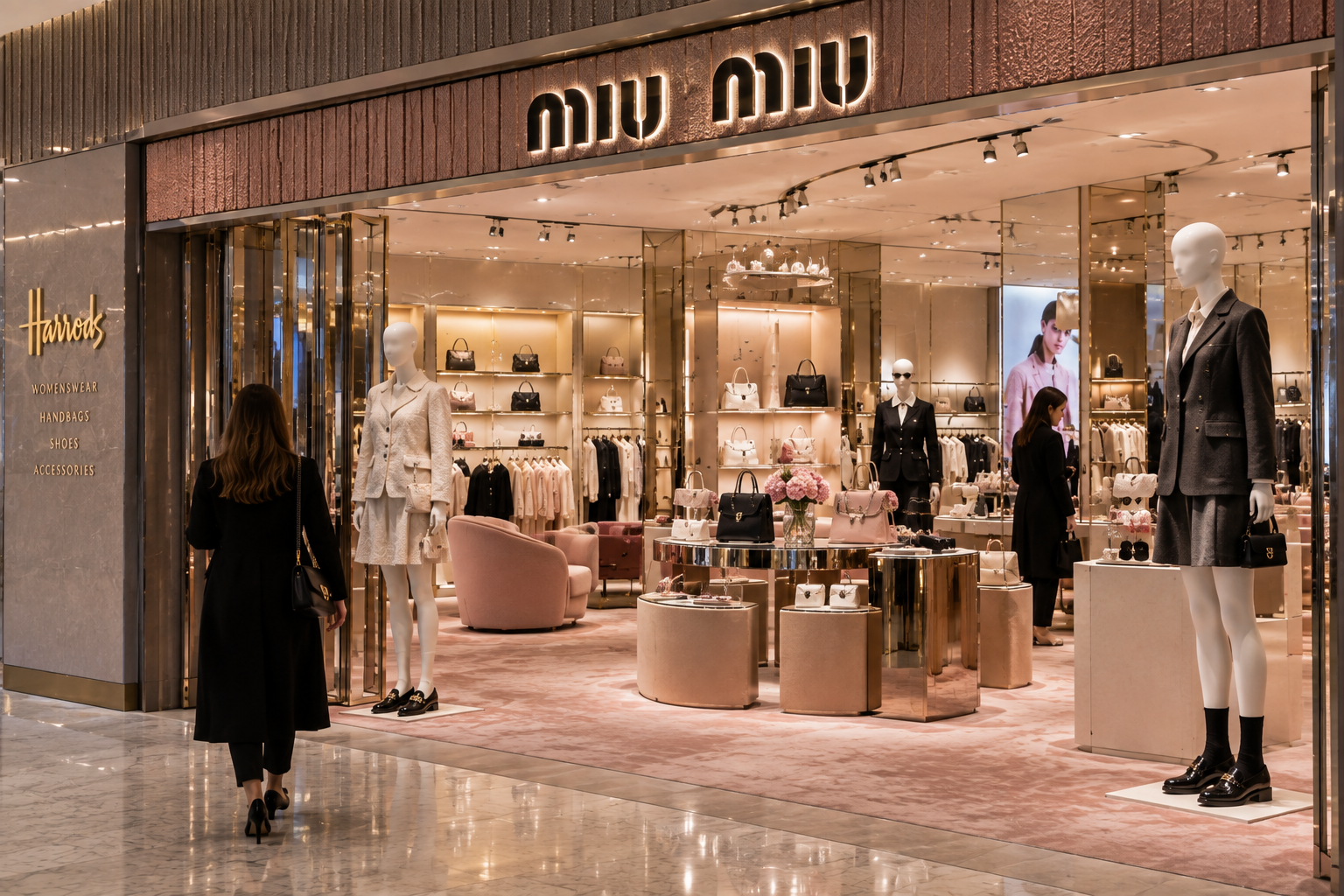
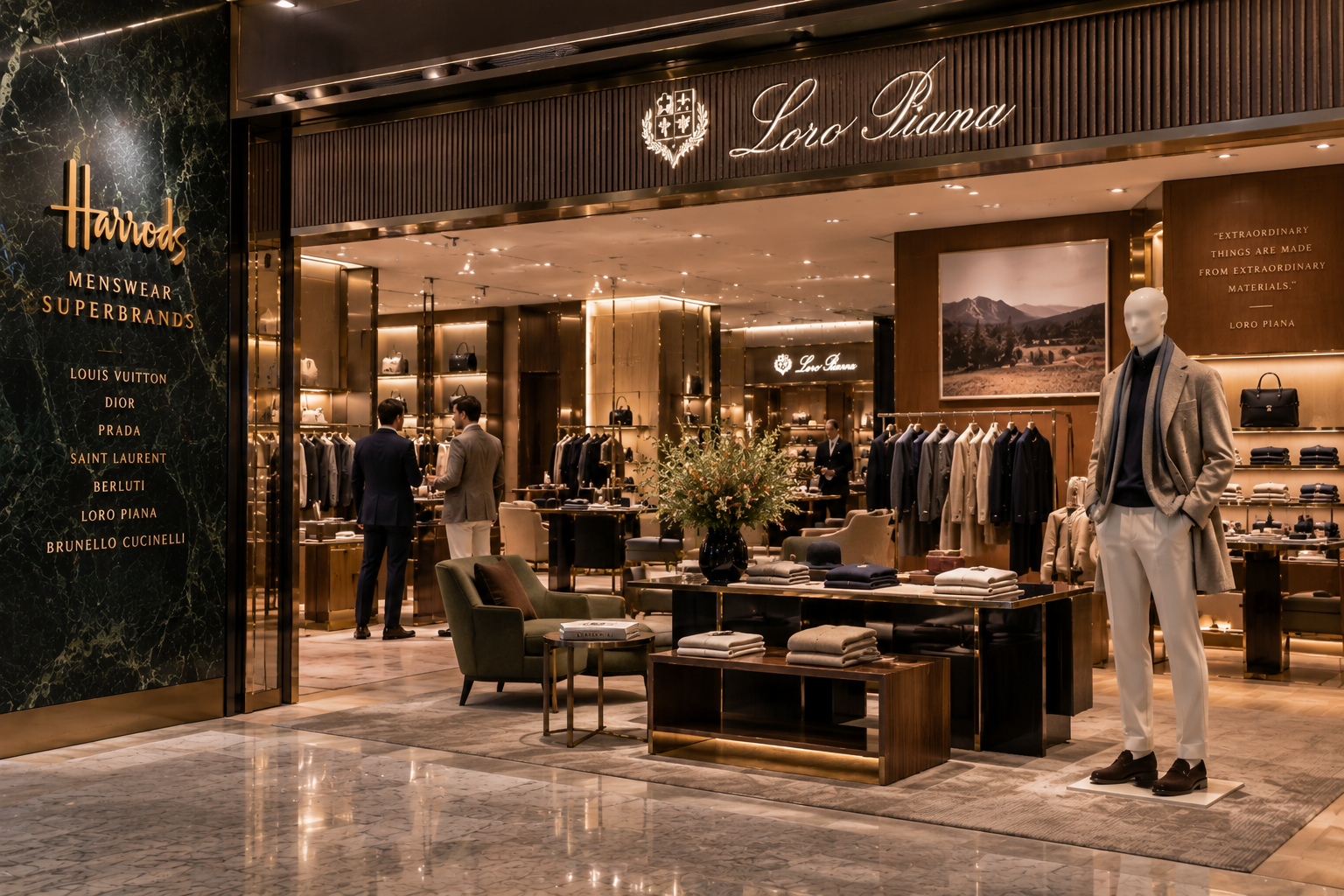
Harrods says its current menswear Superbrands offering comprises 17 immersive boutiques, including names such as Louis Vuitton, Loro Piana and Berluti, with new-season collections, capsules and exclusives. The wider menswear floor is home to more than 200 designers and brands, but that distinction between a designer and a Superbrand is fascinating. It suggests that at the very top of luxury retail, scale and desirability are no longer enough. A house needs the ability to create an environment. That is why I think Miu Miu is such a good example of the modern luxury superbrand.
Miu Miu has become one of fashion’s most culturally powerful names, seemingly capable of producing one desirable piece after another while maintaining a visual identity that is immediately recognisable. Its handbags, shoes and clothing are important, naturally, but there is something larger happening around them. Miu Miu has become a cultural signal. You recognise the styling. You recognise the campaigns. You recognise the attitude.
That cultural relevance is particularly valuable because modern luxury consumers have an extraordinary amount of choice. Being beautifully made is no longer enough when practically every label competing at this level can make that claim. The difference is emotional recognition. You need to see something from across a room and understand the world it belongs to.
Celine possesses that quality too. Its appeal has evolved enormously over the years, but the name retains a remarkably powerful association with a certain polished, Parisian interpretation of luxury. Valentino, meanwhile, can move between extravagant couture-level fantasy and extraordinarily desirable everyday luxury. Prada has mastered intellectual fashion while simultaneously producing some of the most recognisable accessories on the planet.
Then there is Saint Laurent, perhaps one of the clearest demonstrations of how powerful consistency can be in luxury. There is an unmistakable Saint Laurent atmosphere: dark, seductive, sharp and unapologetically glamorous. You could remove the name from much of its imagery and still have a very good chance of identifying the house behind it. That, to me, is one of the defining characteristics of a superbrand. The logo is almost unnecessary.Of course, the phenomenon is not confined to womenswear.
In fact, I would argue that menswear is becoming one of the most interesting places to watch the superbrand idea develop. Harrods was already investing heavily in Men's Superbrands several years ago, creating large boutique-style spaces for some of the most important houses in luxury fashion. Today its menswear Superbrands area includes the likes of Louis Vuitton, Loro Piana and Berluti, while the broader floor brings together an extraordinary selection of luxury names. For the male luxury shopper, these houses offer increasingly distinct identities.
Loro Piana represents a particularly interesting form of modern superbrand because its appeal is almost the opposite of conventional logo-driven luxury. Its reputation is built around exceptional fabrics, extraordinary cashmere and an aesthetic that whispers rather than shouts. To someone unfamiliar with luxury fashion, a Loro Piana jacket might simply look like a beautifully cut jacket. To the person who understands it, that discretion is precisely the attraction.
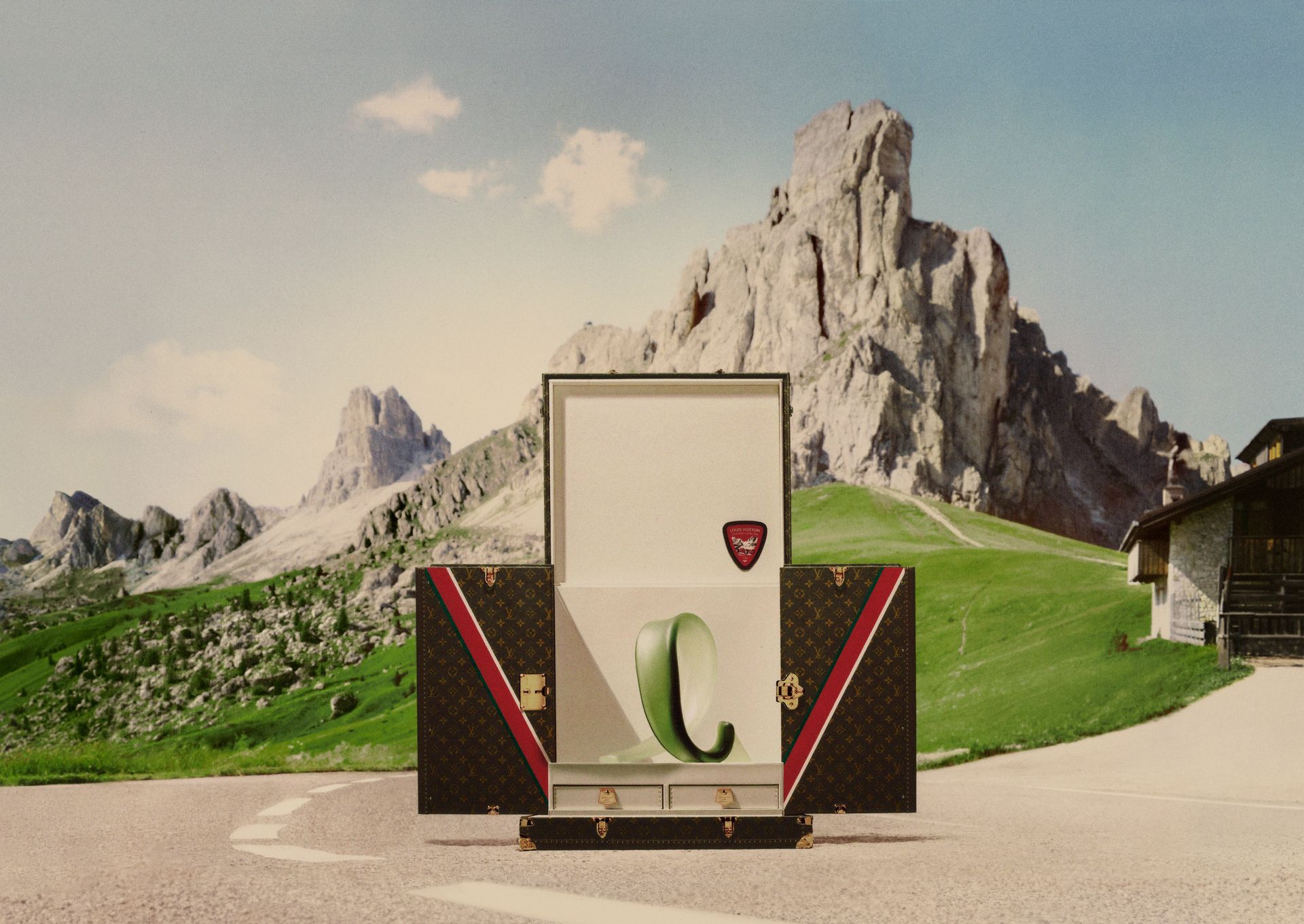
Berluti offers something different again, with its deep heritage in leather and shoemaking giving it a particularly masculine identity. Louis Vuitton has become a universe unto itself, stretching far beyond the luggage that established its reputation into tailoring, streetwear, footwear, watches, jewellery, fragrance and seemingly every other corner of contemporary luxury. Dior Men, Prada, Gucci and Saint Laurent provide their own interpretations of the modern gentleman, while houses such as Brunello Cucinelli and Giorgio Armani occupy another fascinating position. They may offer very different aesthetics, but all understand something increasingly important: wealthy customers do not necessarily want individual products anymore. They want wardrobes. And once you begin thinking about luxury in those terms, the superbrand makes enormous commercial sense. Buy a beautiful jacket from a brand you love and suddenly the trousers make sense. Then the shoes. Then perhaps the belt, weekend bag and sunglasses. Eventually you are no longer purchasing isolated objects; you are assembling a lifestyle from a single house.
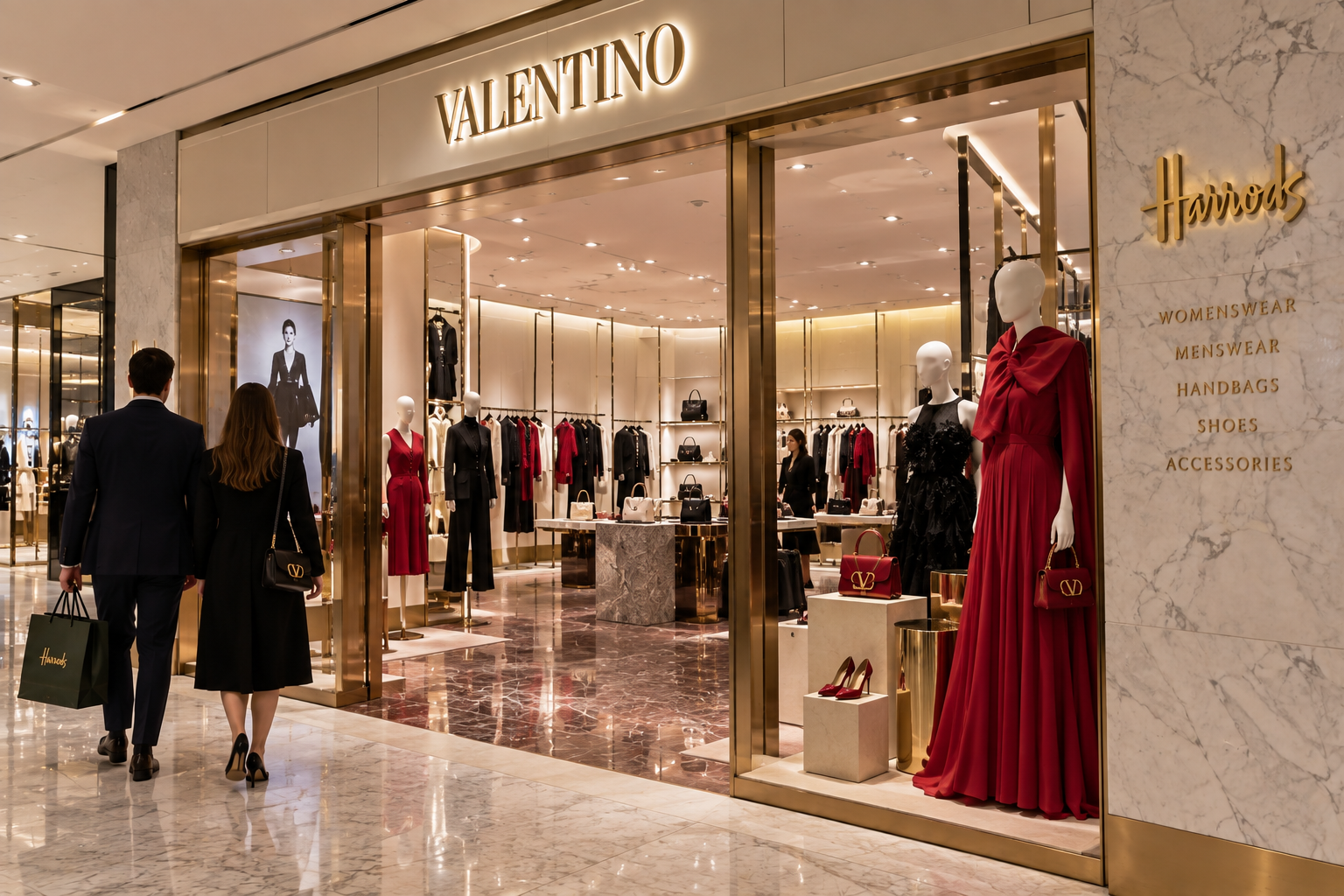
The strongest luxury companies understand this exceptionally well. There is also another reason why I think the superbrand is becoming increasingly important: luxury has become incredibly accessible visually while becoming increasingly expensive financially. Instagram, TikTok and the wider digital world mean that anyone can watch a runway show, examine a new handbag or see inside a flagship boutique almost immediately. The imagery of luxury has never been more democratic. The products themselves, meanwhile, remain deliberately exclusive. That creates an interesting challenge for physical retail. If I have already seen the collection online, watched the show, examined the product photographs and perhaps even watched somebody unbox the item I am considering, what can a department store offer me that my phone cannot? Experience. That is where somewhere such as Harrods still has enormous power.
Its Superbrands approach essentially takes the convenience of a department store and combines it with some of the theatre of visiting individual flagship boutiques. You can move from one luxury universe into another without leaving the building, comparing not simply products but philosophies. One moment you might be surrounded by the quiet material luxury of Loro Piana. Shortly afterwards you can enter the more fashion-led universe of Louis Vuitton. Move again and another house presents an entirely different interpretation of what luxury should look and feel like.
That is infinitely more compelling than scrolling through another product grid.
And perhaps that explains why the term “superbrand” feels particularly appropriate now. Luxury is increasingly about scale, but not necessarily scale in the traditional sense. A superbrand does not simply need hundreds of shops or billions in turnover. It needs cultural scale. It needs to exist in fashion, celebrity, travel, hospitality, art, design and popular culture simultaneously. Look at what the biggest houses are doing.
Fashion brands increasingly operate restaurants and cafés, produce furniture and home collections, collaborate with artists, sponsor sporting events, create exhibitions and publish books. Their flagship boutiques have become architectural destinations. Fashion shows are global entertainment events. Campaigns can involve Hollywood actors, musicians, athletes and artists.
The handbag hanging inside the boutique is therefore only one physical expression of something much larger. This is also where the superbrand starts to become interesting for the traditional gentleman. Menswear has historically been more conservative than womenswear, particularly at the highest end. A gentleman might have visited one tailor for suits, another maker for shirts, a specialist for shoes and perhaps a leather goods house for luggage. There is something wonderful about that approach and I certainly hope it never disappears.
But modern luxury houses are increasingly asking men to consider another proposition: why not allow one brand to understand your entire wardrobe? The answer might be Loro Piana for the man who wants understated refinement. It could be Brunello Cucinelli for someone attracted to relaxed Italian elegance, or Giorgio Armani for those who still appreciate the authority of beautifully restrained tailoring. Berluti appeals to the man fascinated by craftsmanship and leather, while Louis Vuitton, Dior and Prada can offer a much more fashion-conscious interpretation of contemporary luxury. There is no correct choice. That is precisely the point.
A successful superbrand creates such a clearly defined personality that choosing between them becomes almost like choosing the person you would like your wardrobe to represent.There is, however, a danger. The term “superbrand” should never become shorthand for “expensive”. Luxury consumers are increasingly knowledgeable. They understand materials, construction and provenance. They know when something has been created with extraordinary care and when they are simply being asked to pay an extraordinary amount of money for a famous name. The bigger luxury becomes, the greater the temptation to monetise the logo. That may work for a season. It might even work for several years. But genuine superbrand status should require more. Heritage matters. Craftsmanship matters. Service matters. Creativity matters. The physical experience matters.
Most importantly, the product still matters. You can construct the most beautiful boutique in Knightsbridge, employ the most famous ambassador in Hollywood and stage a fashion show visible from space, but eventually someone has to pick up the jacket, put it on and decide whether it feels extraordinary. The best superbrands understand this balance.
They know that spectacle brings customers through the door but quality brings them back.
And this is why I suspect the luxury shopping experience is going to become even more immersive over the coming years. Online retail has won the battle for convenience. Physical luxury retail cannot compete by attempting to be more convenient than clicking “buy now”. It has to compete by offering something a cardboard delivery box cannot reproduce. Personal service. Beautiful surroundings. Exclusivity. Discovery. Human interaction. Theatre.
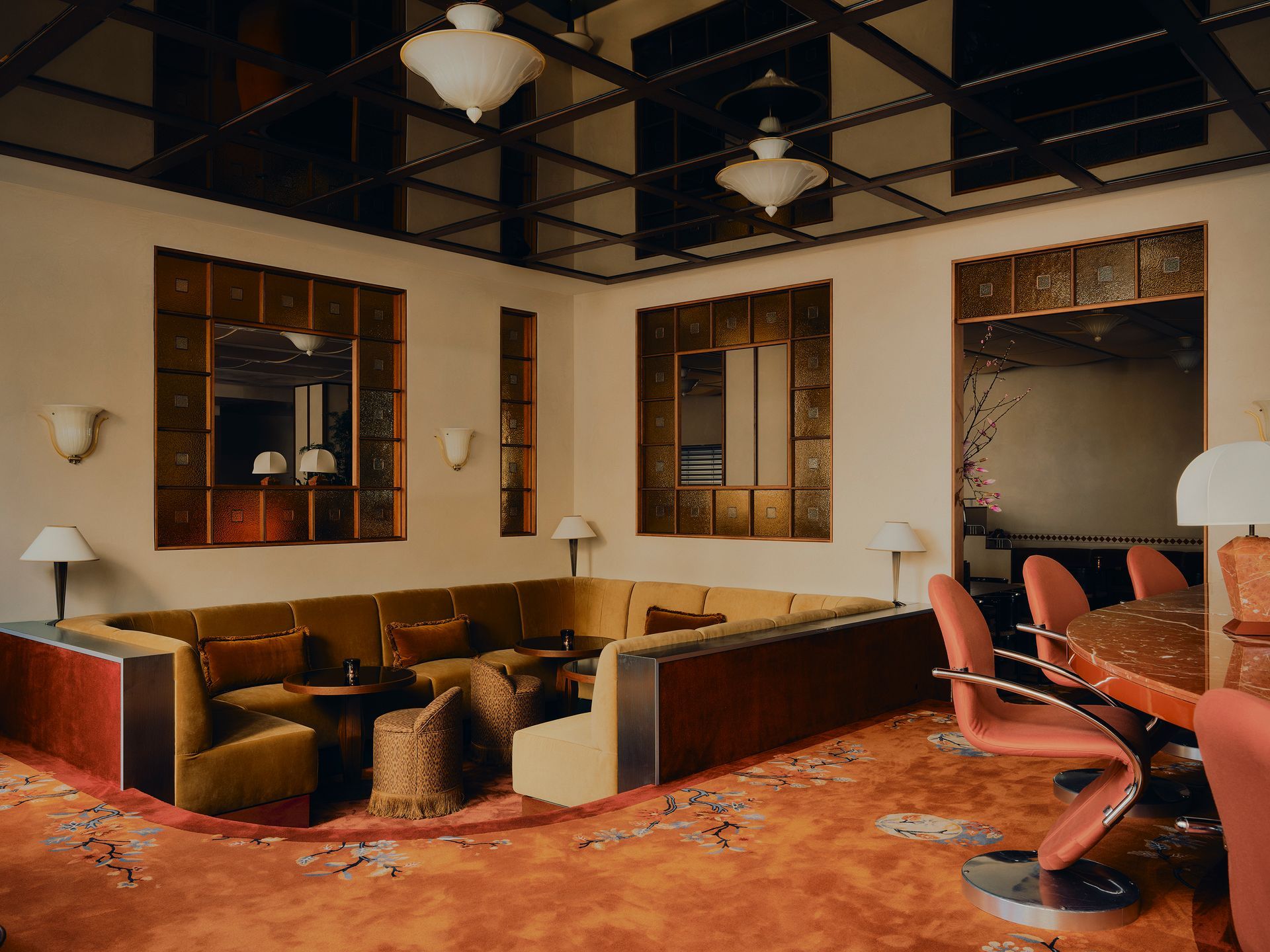
The opportunity to spend an afternoon somewhere rather than simply spend money. We are already seeing how important that philosophy has become across high-end retail. The strongest luxury destinations increasingly feel part boutique, part private club, part gallery and part hospitality venue. There are lounges, private shopping rooms, refreshments, exclusive collections and products unavailable elsewhere. At that point, retail becomes entertainment. Perhaps that sounds excessive. But luxury has always dealt in things we do not strictly need. Nobody needs a £3,000 handbag, a cashmere overcoat costing several thousand pounds or another pair of handmade shoes. The justification exists in beauty, craftsmanship, pleasure and emotion. The experience surrounding the purchase should therefore feel equally special.
Which brings me back to that word: Superbrands. It might initially sound like marketing terminology, and to an extent it is. But I think it captures a genuine shift in what the most successful luxury houses have become. They are no longer simply manufacturers. They are destinations. Miu Miu is not simply selling a handbag. Celine is not simply selling a coat. Valentino is not simply selling a dress. Loro Piana is not simply selling cashmere, and Berluti is not simply selling shoes. Each is selling entry into a world.
And perhaps that is what we should look for the next time we want a genuine luxury shopping experience. Instead of asking which designer we want to buy, perhaps the more interesting question is which world we want to enter. Because the future of luxury may not belong simply to the biggest fashion houses, nor necessarily to those with the loudest logos or the highest prices. It will belong to the brands capable of making us feel something before we have even reached for our wallets. The next time you find yourself walking through Harrods, therefore, pay attention to the Superbrands.
Walk through the boutiques. Look at how dramatically the atmosphere changes from one house to another. Notice the materials, furniture, lighting and service as much as the clothes themselves. Then ask yourself a simple question. Does this feel like shopping, or does it feel like something more? If the answer is the latter, you may have just discovered what truly makes a luxury superbrand.

Read More:



































































































































































Just a few of the brands we work with