London's £10 Million Property Market Is Defying the Wider Slowdown – Here's Why
London's luxury property market has long been regarded as one of the most desirable in the world, attracting wealthy buyers from across the globe in search of exceptional homes, prestigious addresses and a lifestyle that few cities can rival. However, while much of the capital's prime property market continues to struggle with economic uncertainty, changing tax policies and cautious buyers, something rather interesting is happening at the very top. Those with £10 million or more to spend appear far less concerned about the wider slowdown, with new figures suggesting that London's most expensive homes are proving remarkably resilient.
According to the latest research from international property adviser Savills, published on 26 October 2026, there were 26 property transactions exceeding £10 million during the third quarter of the year, generating an extraordinary £532 million in spending. This brings the number of sales above £10 million to 89 so far in 2026, representing £2.21 billion in transactions. Perhaps even more interestingly, purchases above £10 million accounted for 62% of all expenditure on London homes valued above £5 million during the preceding 12 months, the highest proportion recorded since 2019. It is a remarkable concentration of wealth in a market that, elsewhere, is showing clear signs of hesitation.
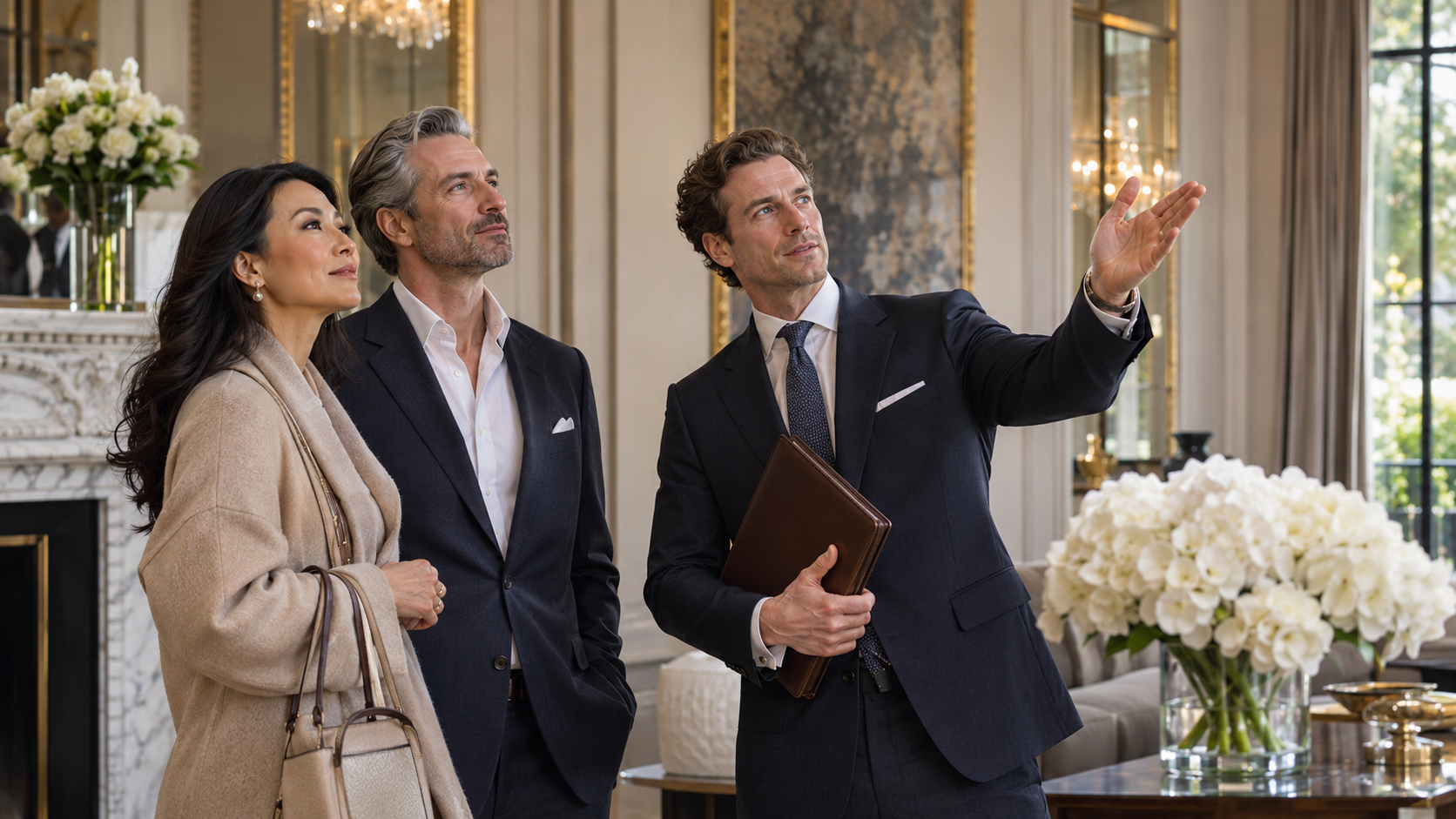
Of course, this doesn't mean London's luxury property market is enjoying a widespread recovery. Across the wider £5 million-plus market, just 93 transactions were recorded during the third quarter, representing a 12% decline compared with the same period in 2025. Yet overall spending fell by only 3%, suggesting that buyers at the very top are helping to support a market experiencing considerably weaker activity elsewhere. What makes these figures particularly interesting is the changing perception of value. Savills reports that prime central London property prices are now approximately 27% below their 2014 peak, creating an opportunity for wealthy international buyers who increasingly compare the capital with other prestigious property destinations around the world.
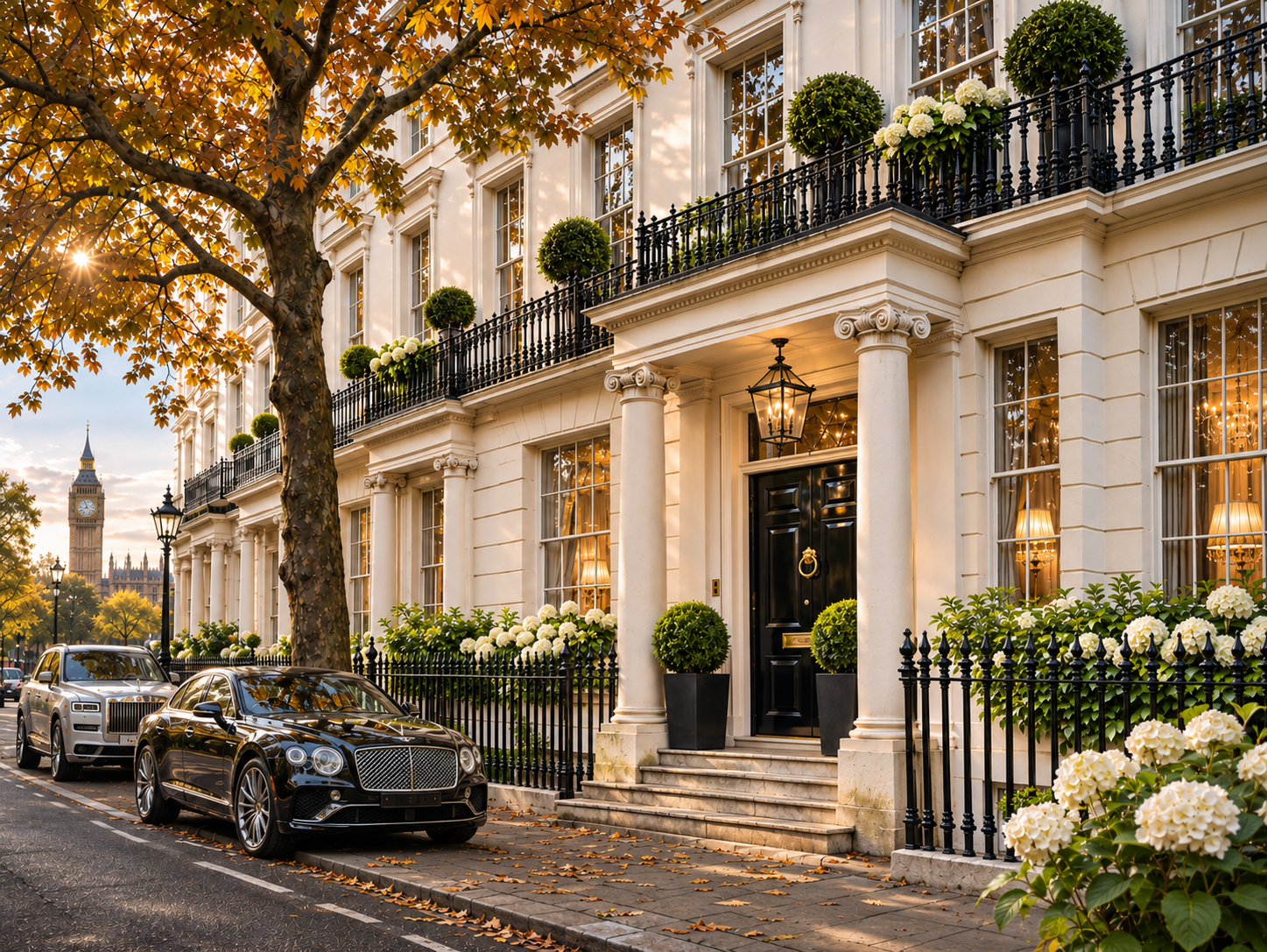
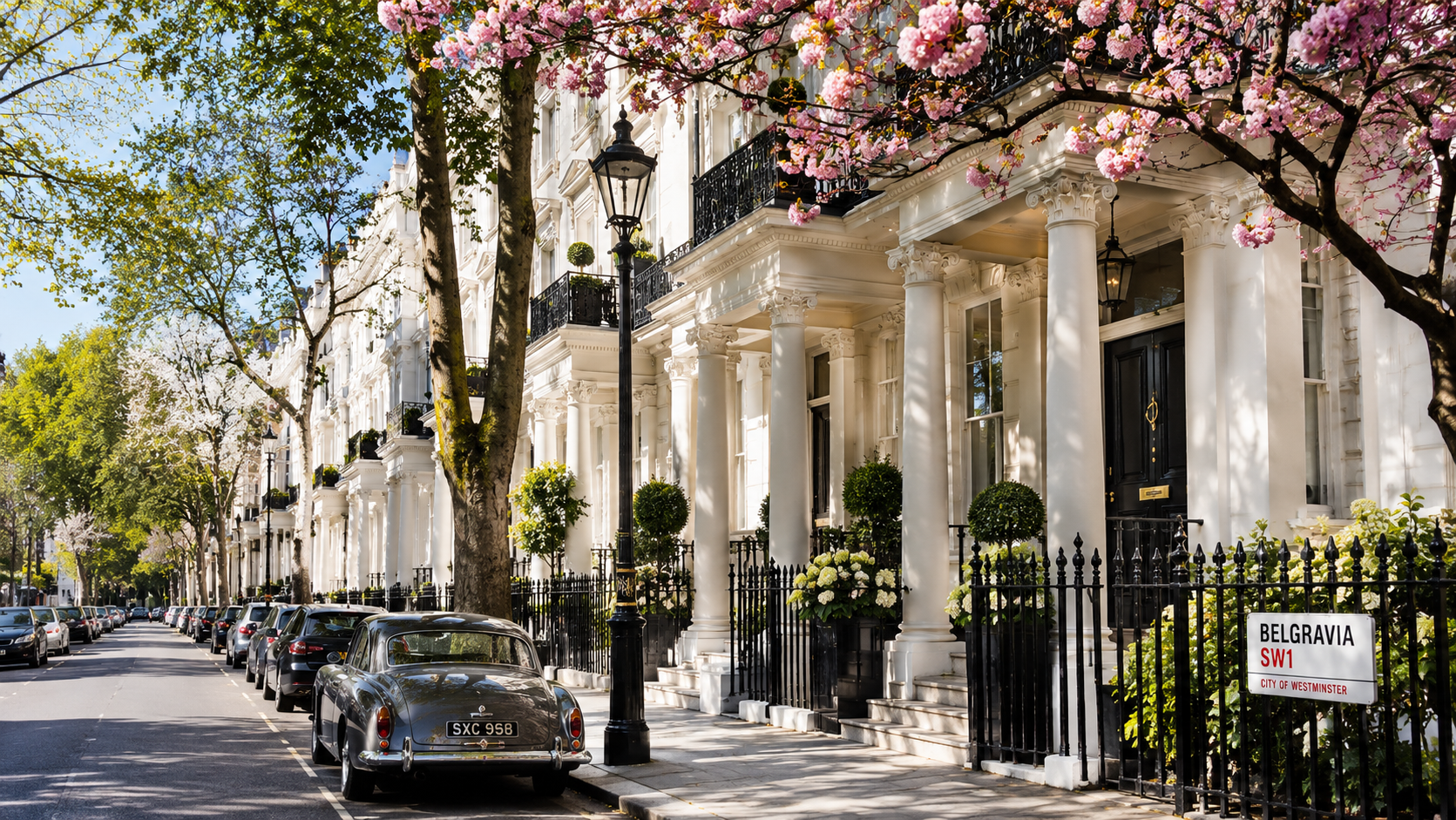
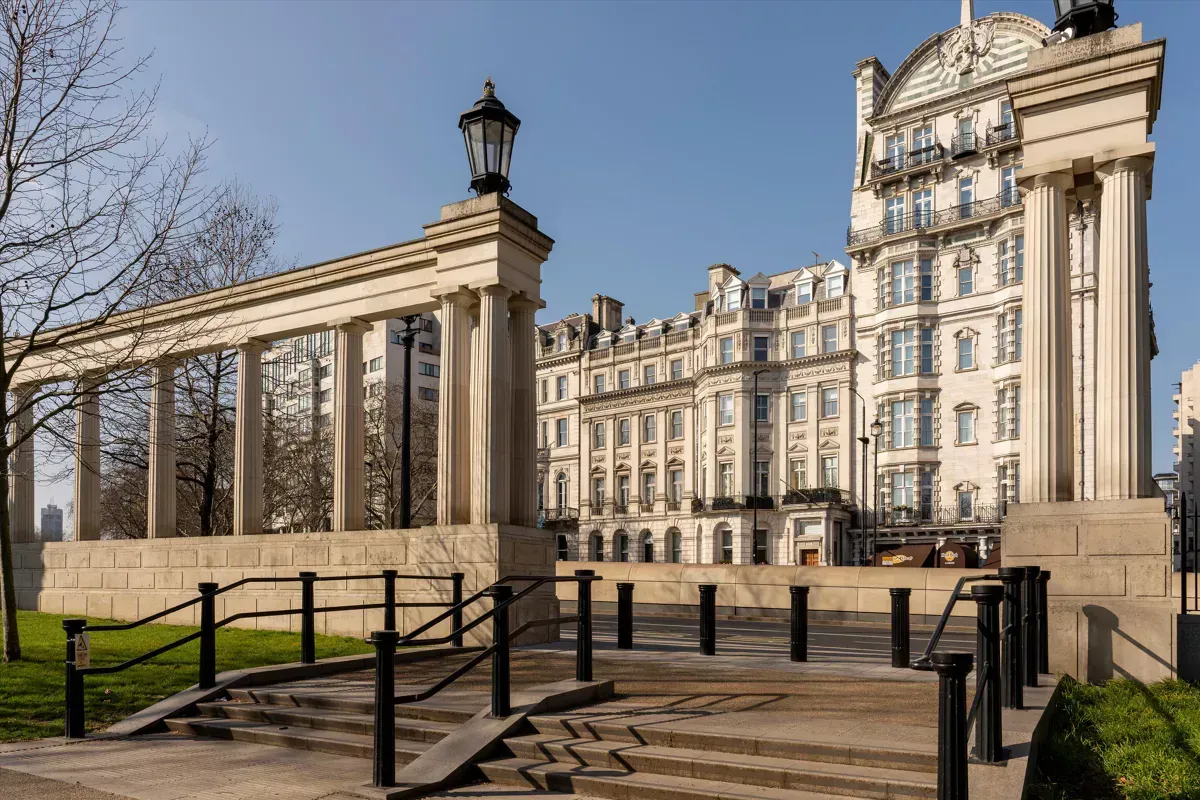
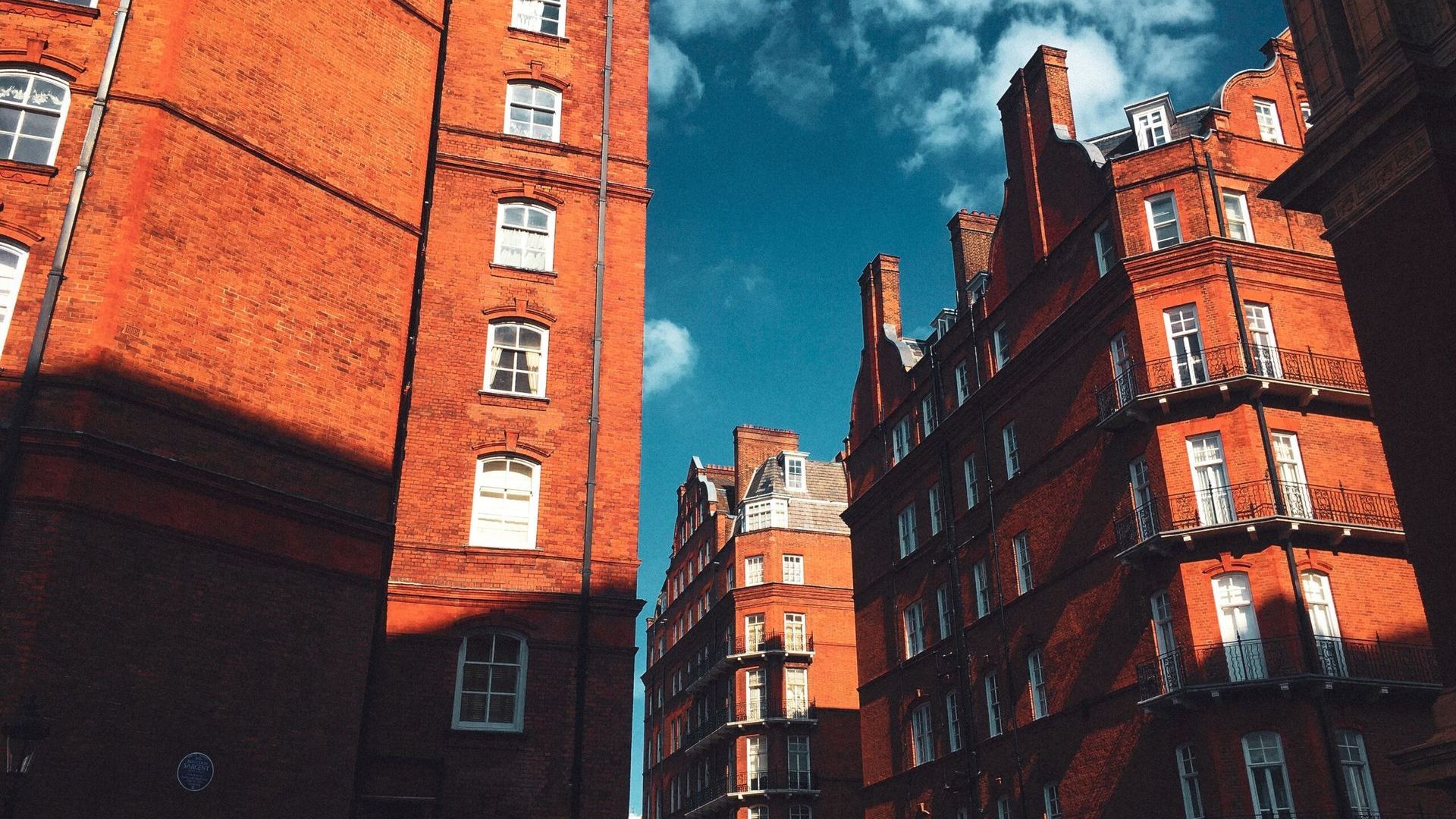
And when it comes to location, London's most established and exclusive neighbourhoods continue to dominate. Belgravia accounted for 18% of transactions above £10 million so far this year, followed by Knightsbridge at 15% and Kensington at 11%. These are addresses that have commanded international recognition for generations, offering everything from magnificent Georgian townhouses and exceptional architecture to world-class shopping, private members' clubs, cultural institutions and some of the finest restaurants in the country. Interestingly, demand has also shifted towards houses rather than apartments, with houses accounting for 69% of all sales above £5 million during 2026. For buyers seeking privacy, space and a long-term family residence, it seems London's traditional grand homes remain particularly desirable.
Richard Gutteridge, head of prime central London at Savills, believes the strength of these established neighbourhoods reflects both significant investment and the value they offer compared with other international property markets. As he explains, "Buyers remain highly selective but are willing to act decisively when exceptional homes become available." It is an observation that highlights an important distinction in today's luxury property market. These buyers are not necessarily purchasing simply because they can afford to, but because the right property, in the right location, represents an opportunity that may not come around again for some time. London's finest homes are, after all, not something that can be easily replicated.
There are, however, challenges that cannot be ignored. Changes to the UK's tax landscape, concerns surrounding future taxation and continued geopolitical uncertainty have undoubtedly influenced sentiment, particularly among wealthy individuals considering whether to establish themselves in Britain. Yet those purchasing properties at the very highest end often have considerably greater financial flexibility than buyers elsewhere in the market. For internationally mobile individuals and families, London continues to offer a compelling combination of education, culture, connectivity and prestige, while the correction in property values over the past decade provides an additional incentive to reconsider the capital.
So, are the world's wealthiest buyers beginning to see renewed value in London? The latest figures certainly suggest that some are, although it would be premature to describe this as a return to the extraordinary property boom of previous decades. Instead, what we appear to be witnessing is a more selective luxury market, where exceptional properties in established neighbourhoods continue to command significant attention despite wider uncertainty. London's most expensive homes may no longer enjoy the same relentless price growth they once did, but for buyers with the means to invest in something truly special, the capital's appeal remains difficult to ignore. And perhaps that is precisely why, even in a slowing market, £10 million is still a price that some buyers are more than willing to pay.
Read More:
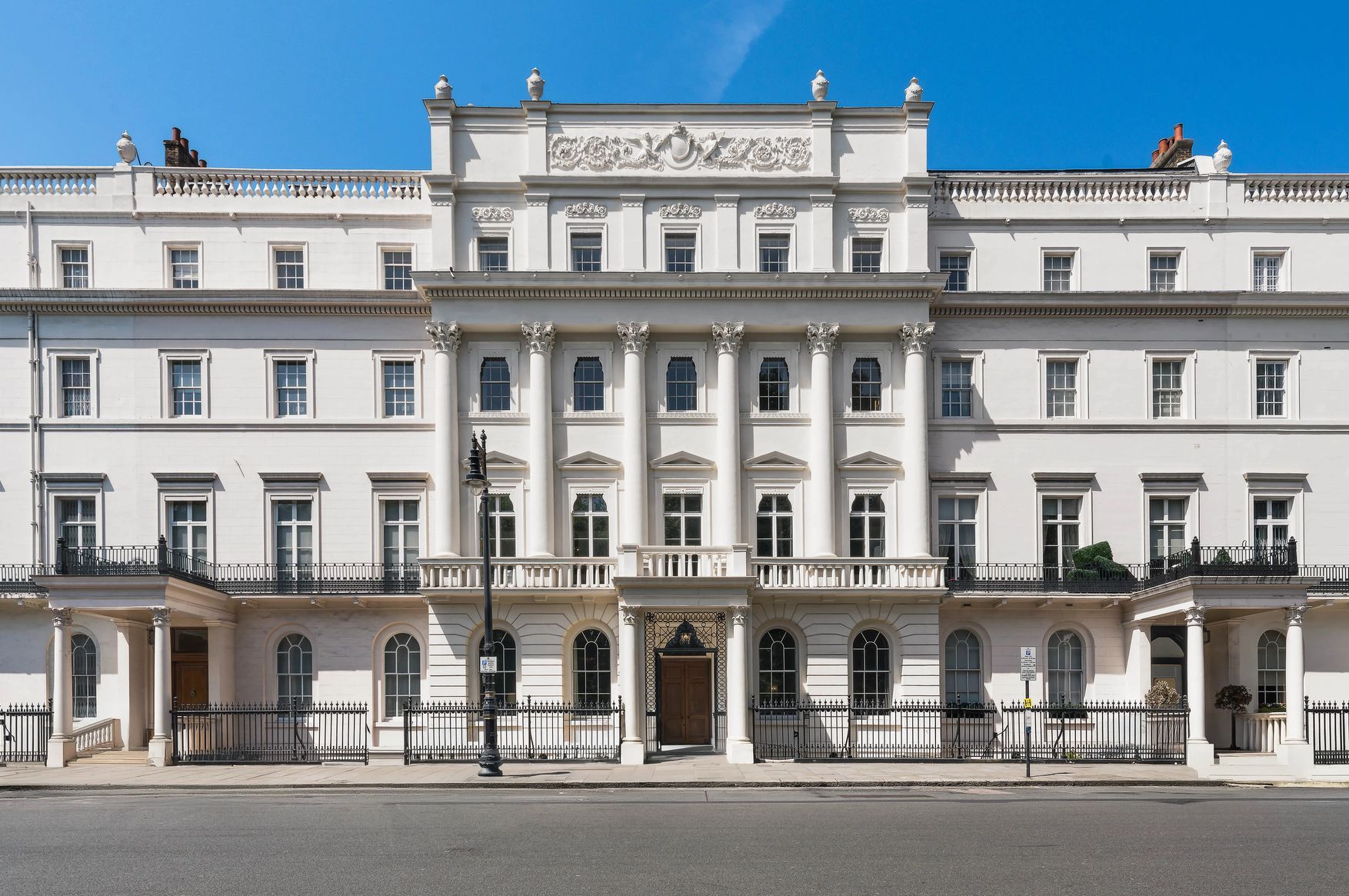
Inside the £135 Million Regency Masterpiece for Sale on Belgrave Square
By The Gentleman Magazine
This £38 Million Chelsea Penthouse Has More Than 8,000 Sq Ft of Pure Luxury
By The Gentleman Magazine
In the age of AI, demand for original, figurative oil paintings is strong As the Royal Institute of Oil Painters (ROI) launches its 2026 Annual Exhibition
By The Gentleman Magazine
BENETTI AT THE QATAR BOAT SHOW 2026: STRENGTHENING ITS PRESENCE IN THE MIDDLE EAST AND UNVEILING THE LATEST EVOLUTIONS OF THE OASIS RANGE AND THE 70M CLEAR WAVES CONCEPT
Button
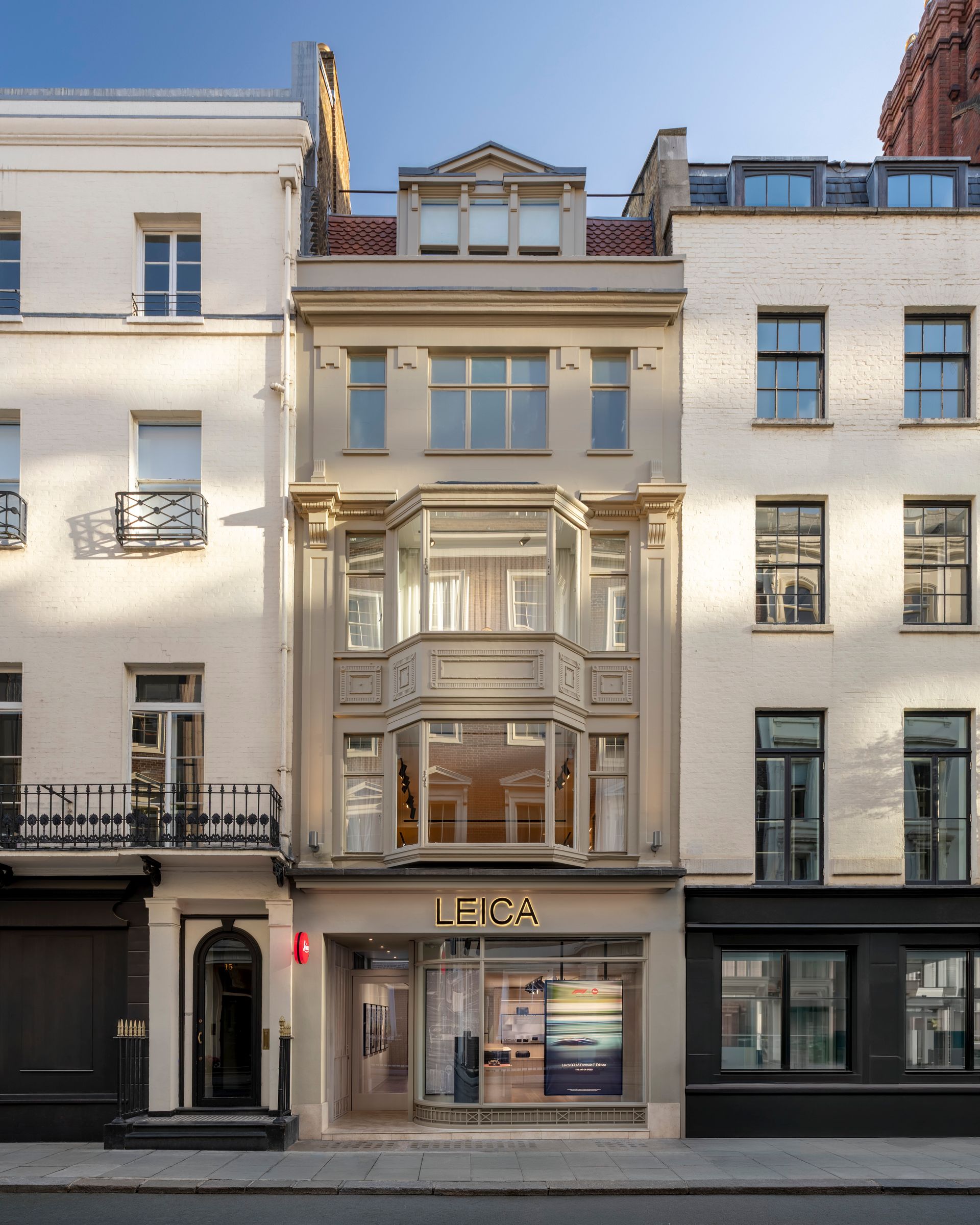
Leica Camera UK are proud to announce the opening of their flagship store in London
By The Gentleman Magazine
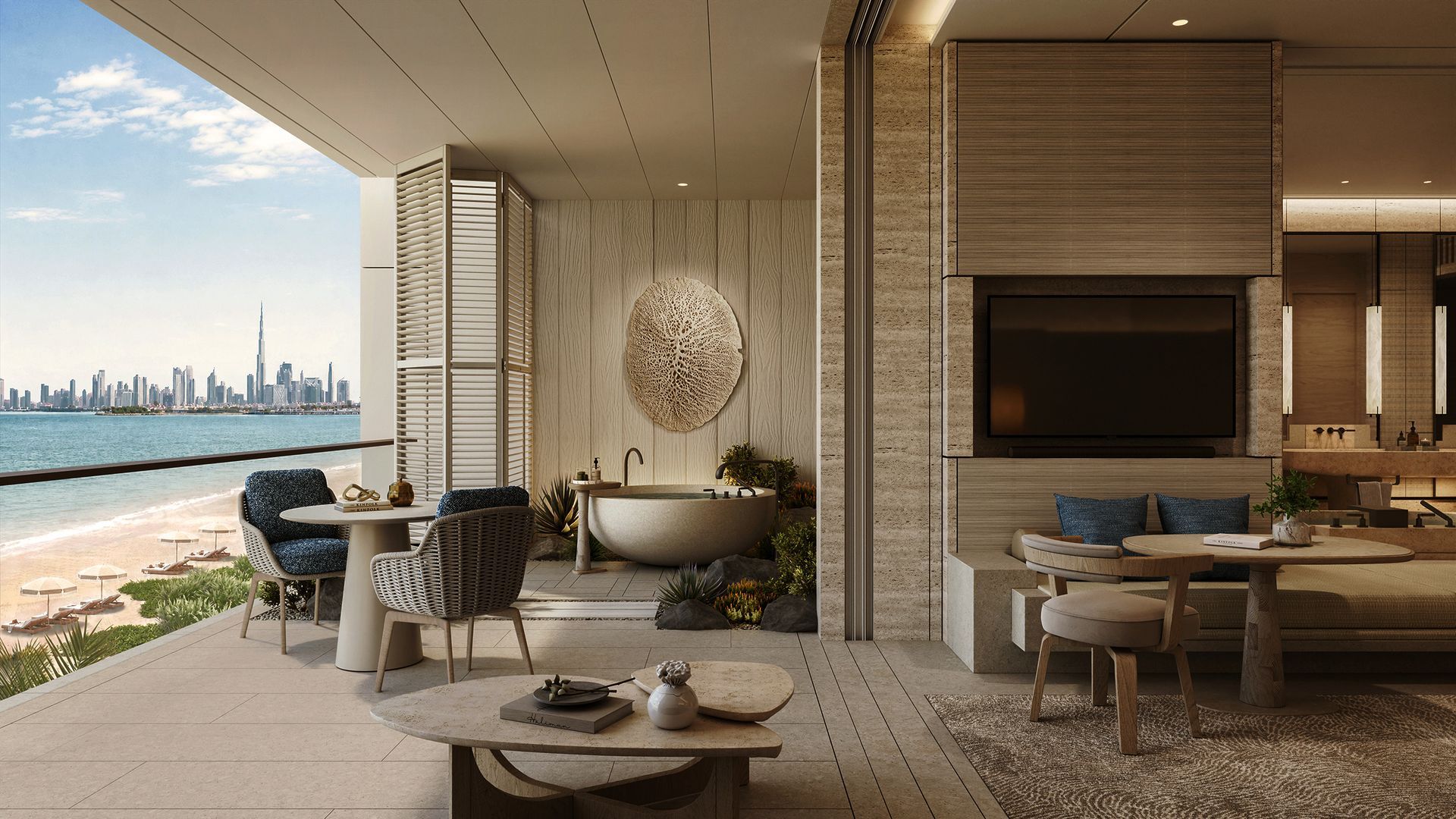
Capella Dubai to debut at Dubai Peninsula in 2030
By The Gentleman Magazine


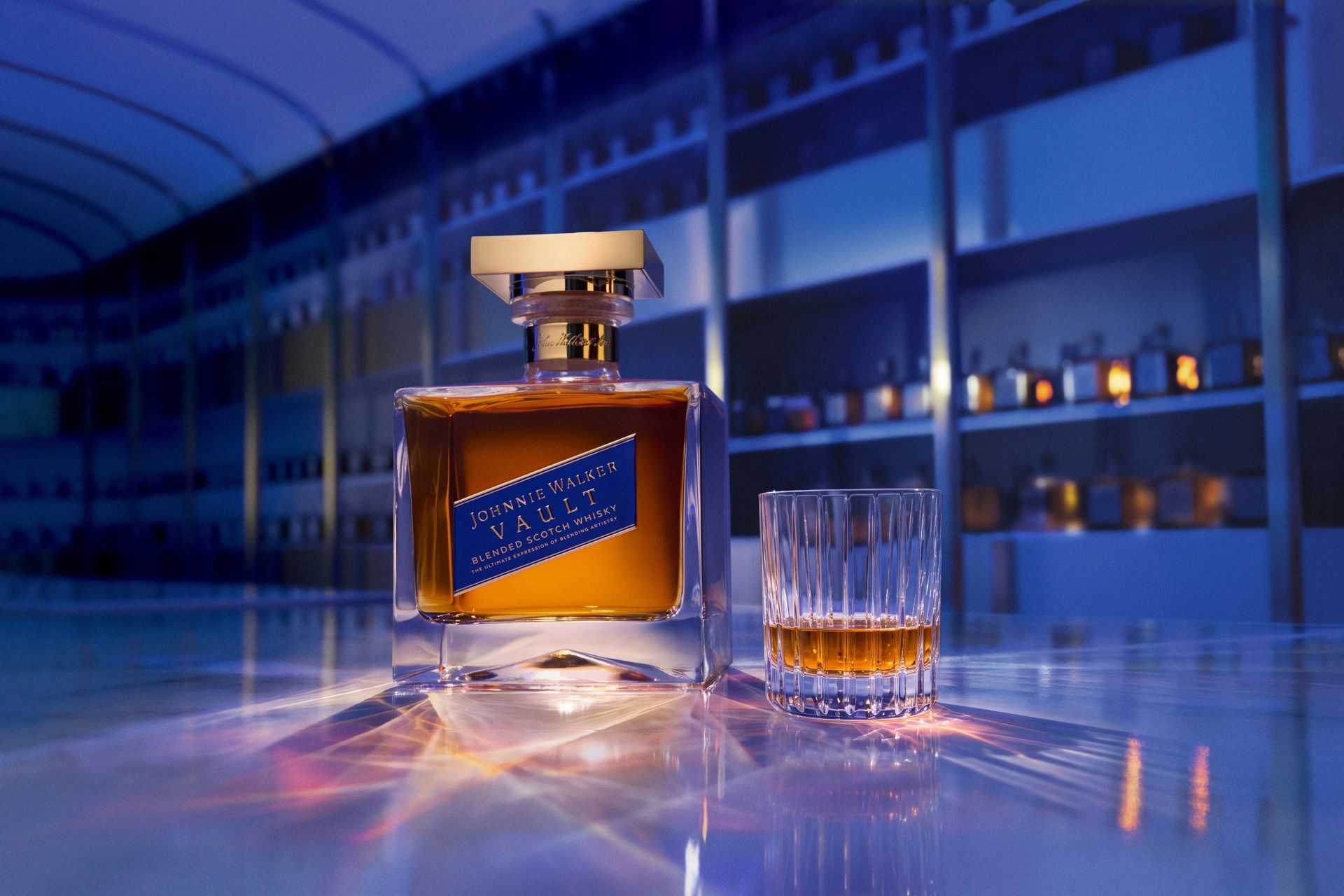
Interview with Indri master blender Surrinder Kumar
Button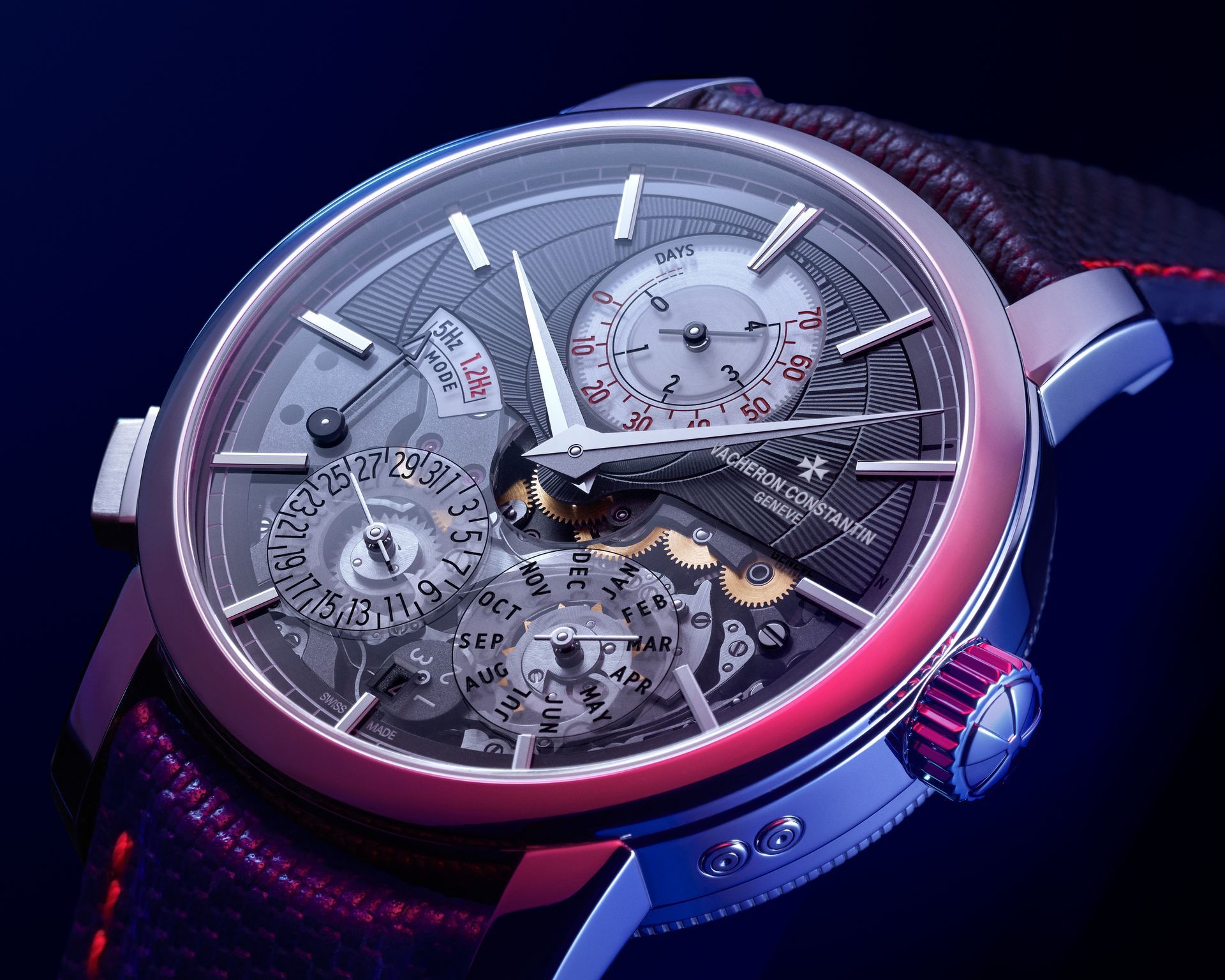
TRADITIONNELLE TWIN BEAT PERPETUAL CALENDAR
Button
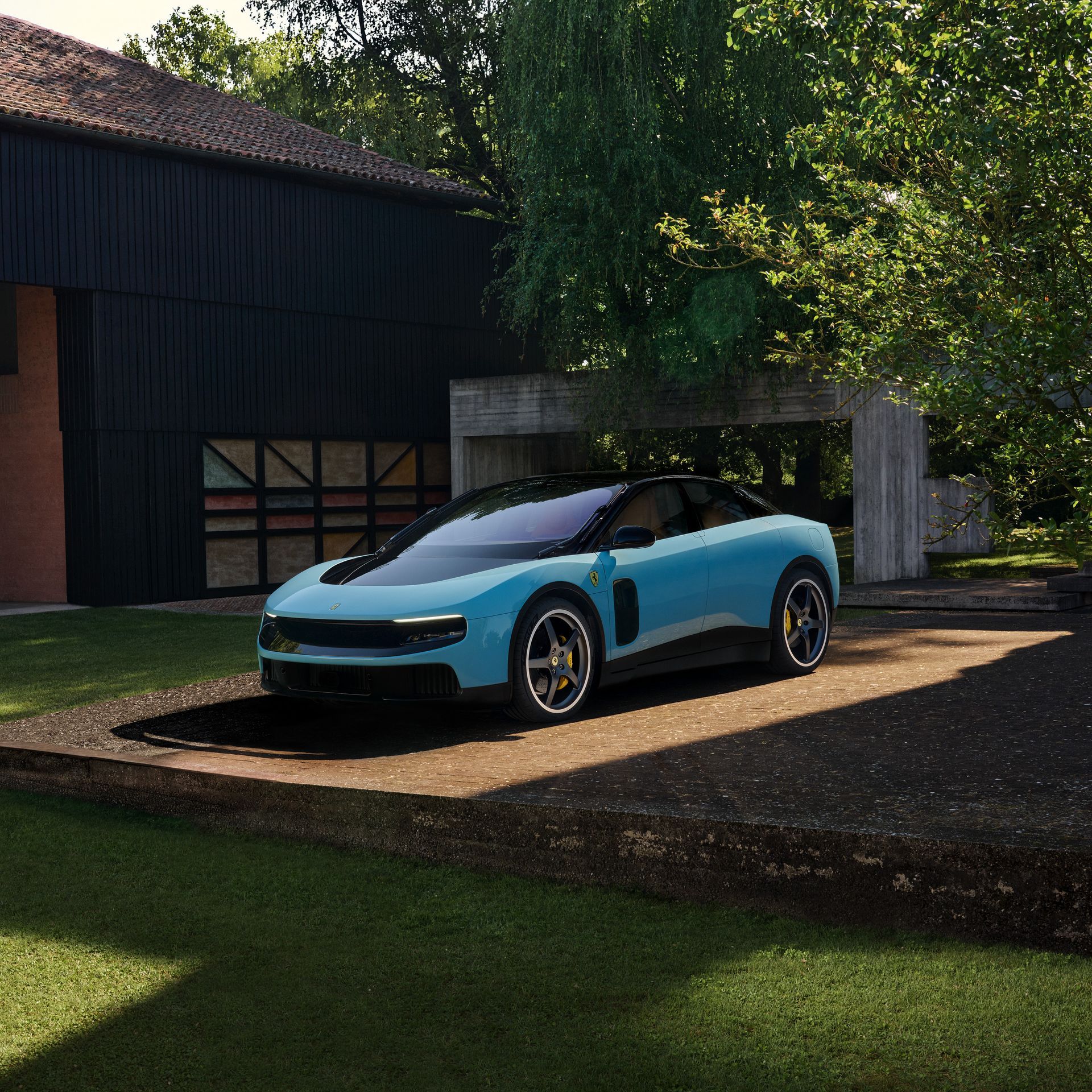
Ferrari Luce a new chapter for the Maranello marque
By The Gentleman Magazine
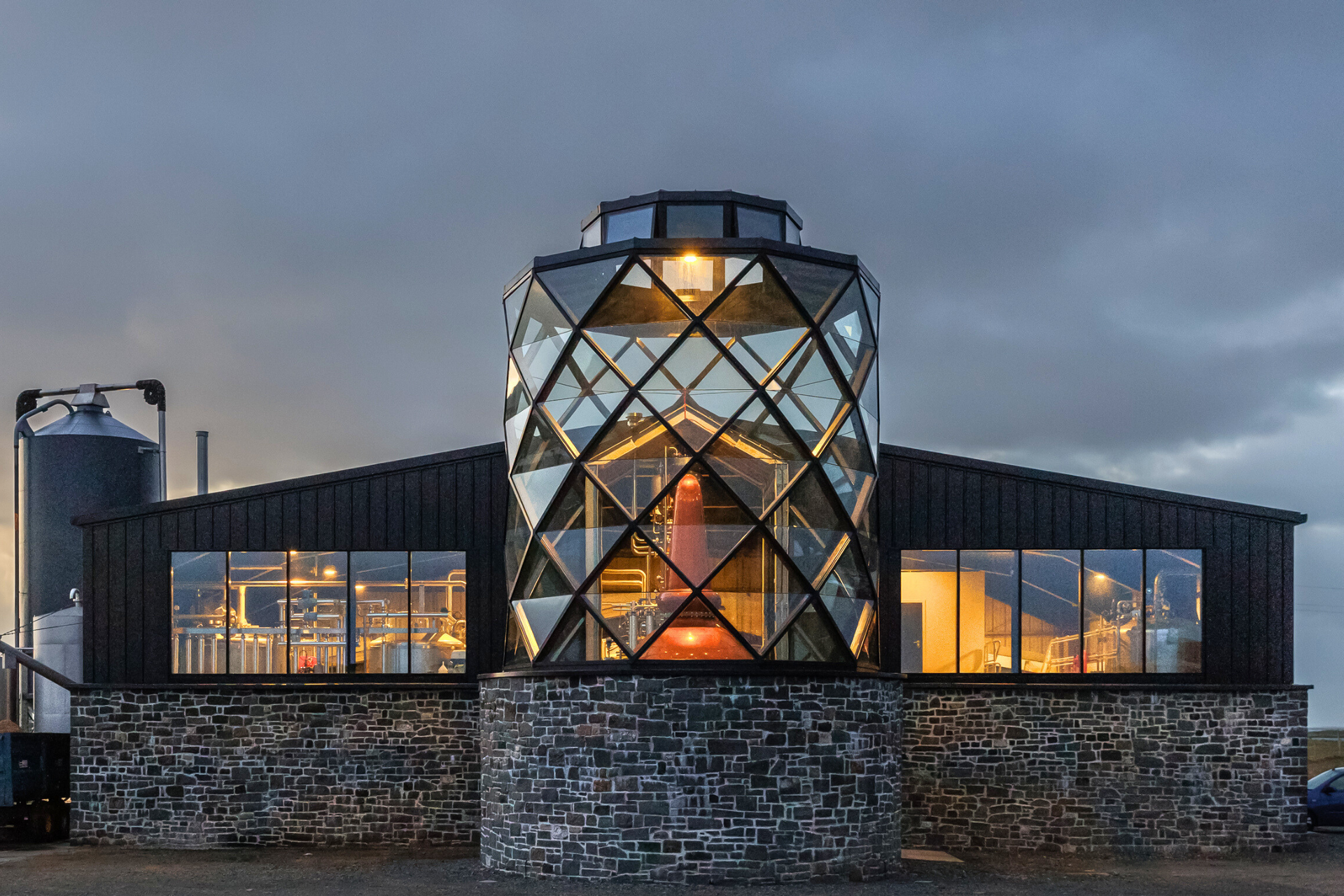
BENBECULA PRIVATE CASK PROGRAMME OFFERS RARE STAKE IN HEBRIDEAN WHISKY HERITAGE
Button


THE IVY WEST STREET UNVEILS ‘MIDNIGHT MASQUERADE’ FOR ONE NIGHT ONLY THIS HALLOWEEN
By The Gentleman Magazine
FAIRMONT SPA AT FAIRMONT CHESHIRE, THE MERE: A NEW DESTINATION FOR WELLNESS IN THE UK
By The Gentleman Magazine

What Is a ‘Superbrand’ ? Inside the New Hierarchy of Luxury Fashion
By The Gentleman Magazine
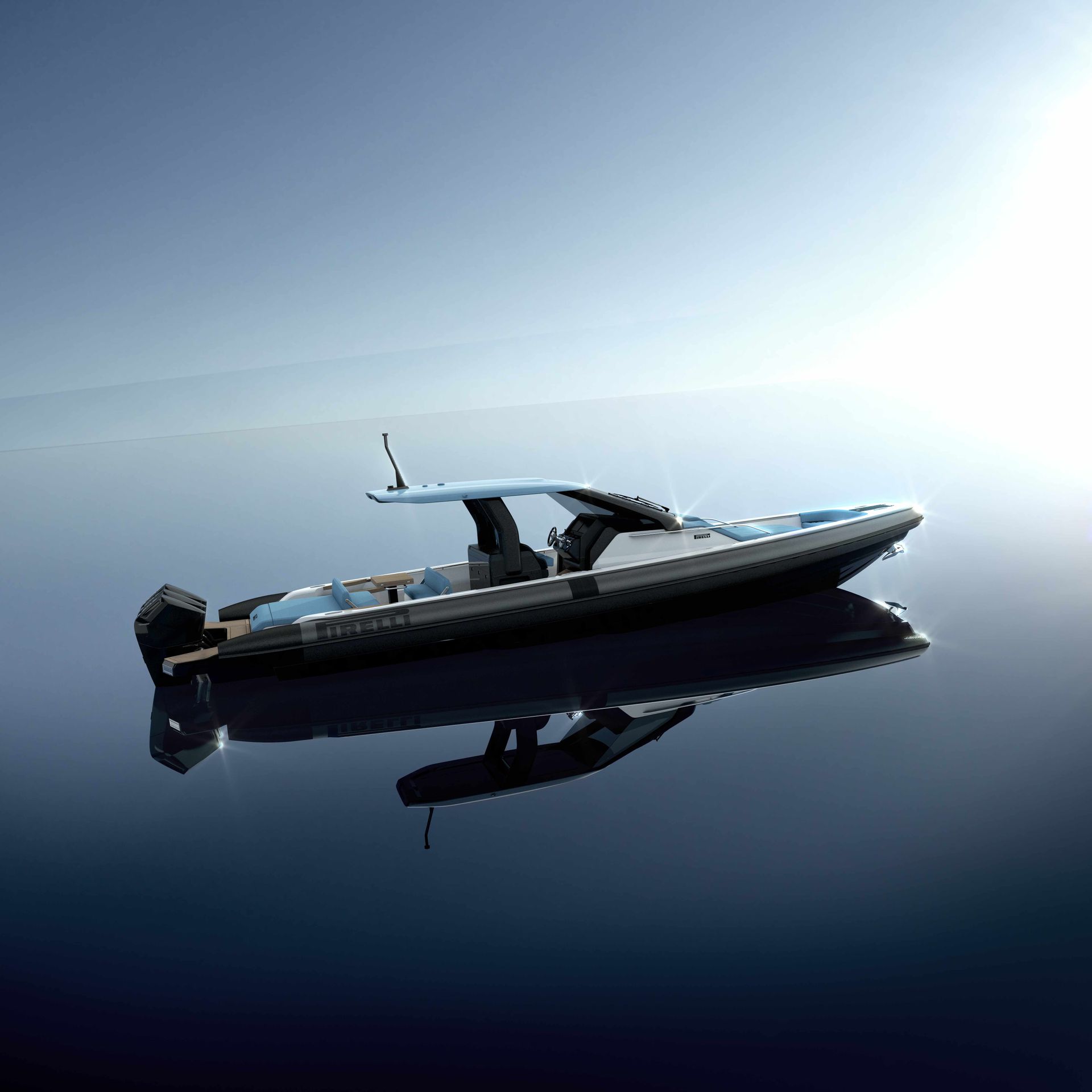
THE NEW PIRELLI 44 MAXI-RIB MAKES ITS DEBUT AT CANNES YACHTING FESTIVAL 2026
By The Gentleman Magazine
Can you taste music? This East London bar is pairing cocktails with their own bespoke soundtracks
Button
SACS MARINE LAUNCHES A NEW PHASE OF ITS BUSINESS MODEL: THE FIRST SACS LOUNGE IN ITALY OPENS
By The Gentleman Magazine


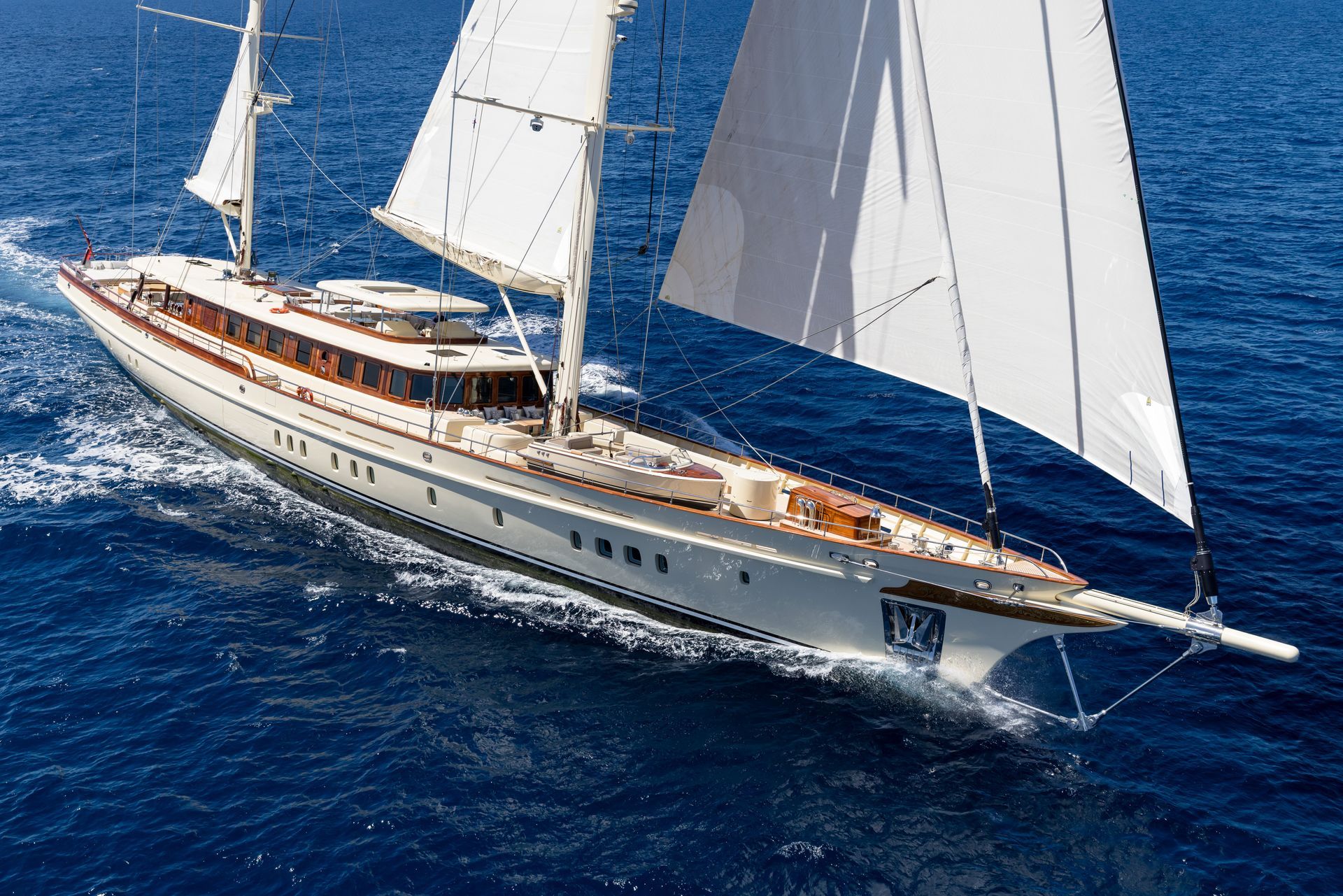
62m SIMENA superyacht revealed under sail for the first time
By The Gentleman Magazine
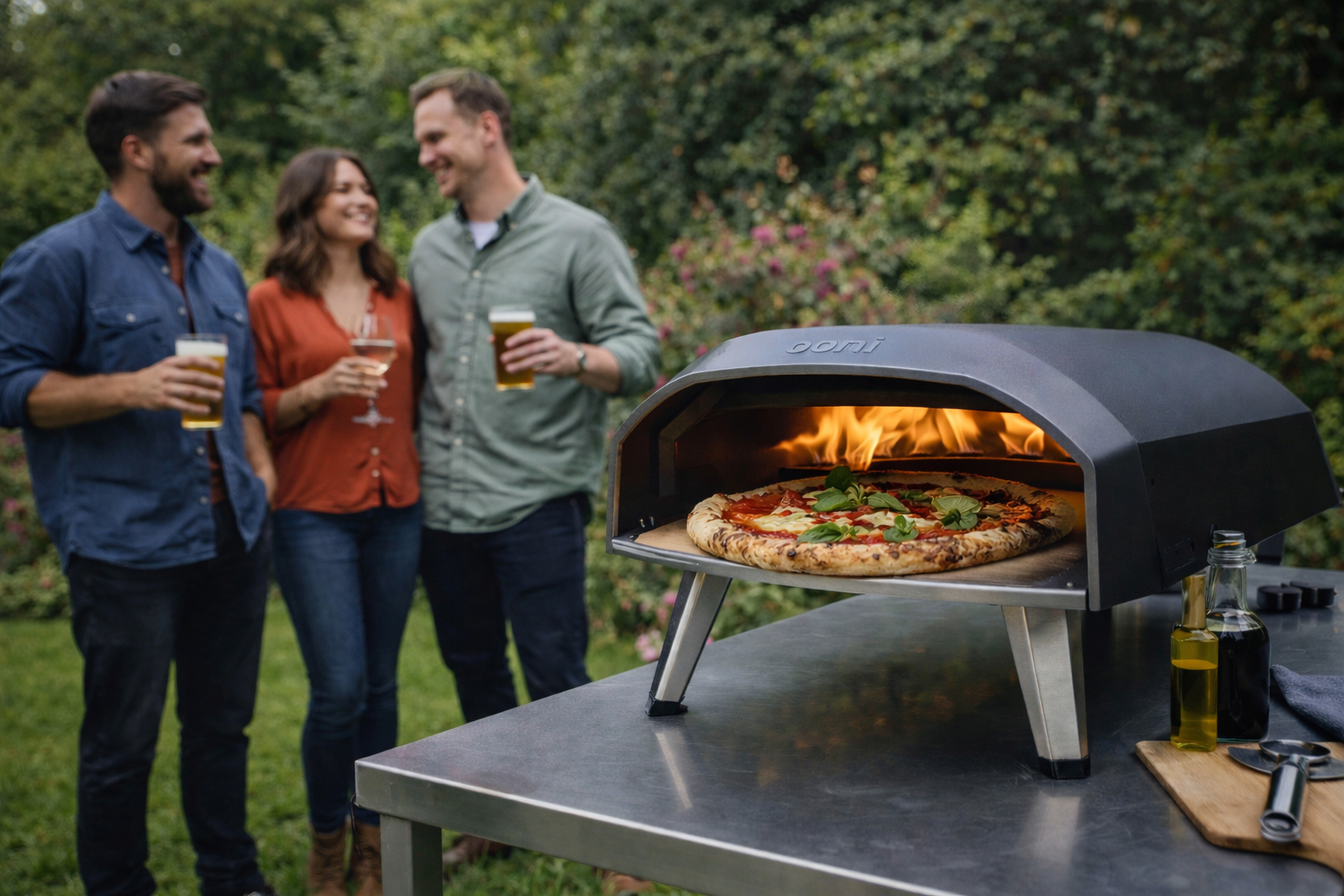
The Best Pizza Ovens in 2026
By The Gentleman Magazine
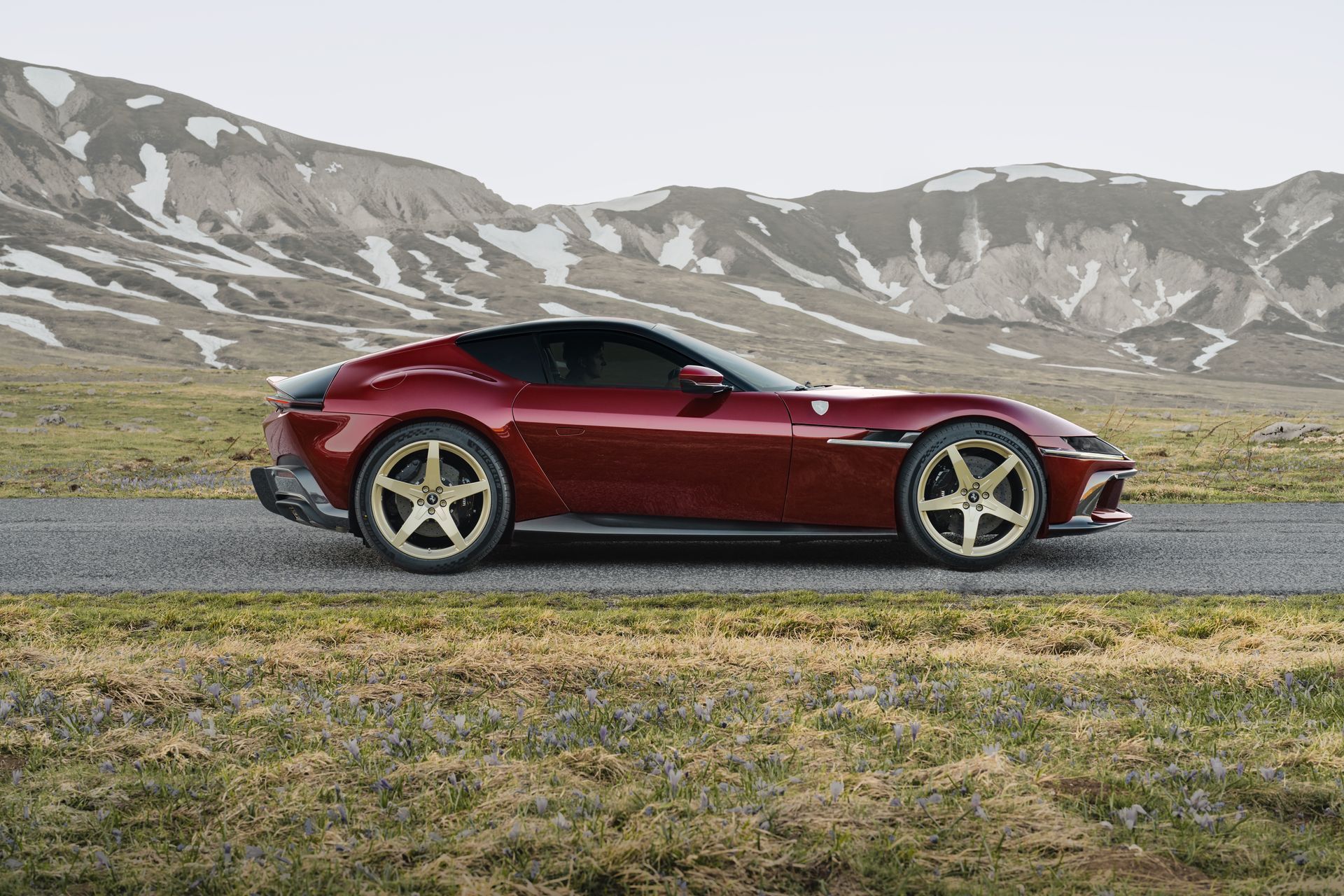
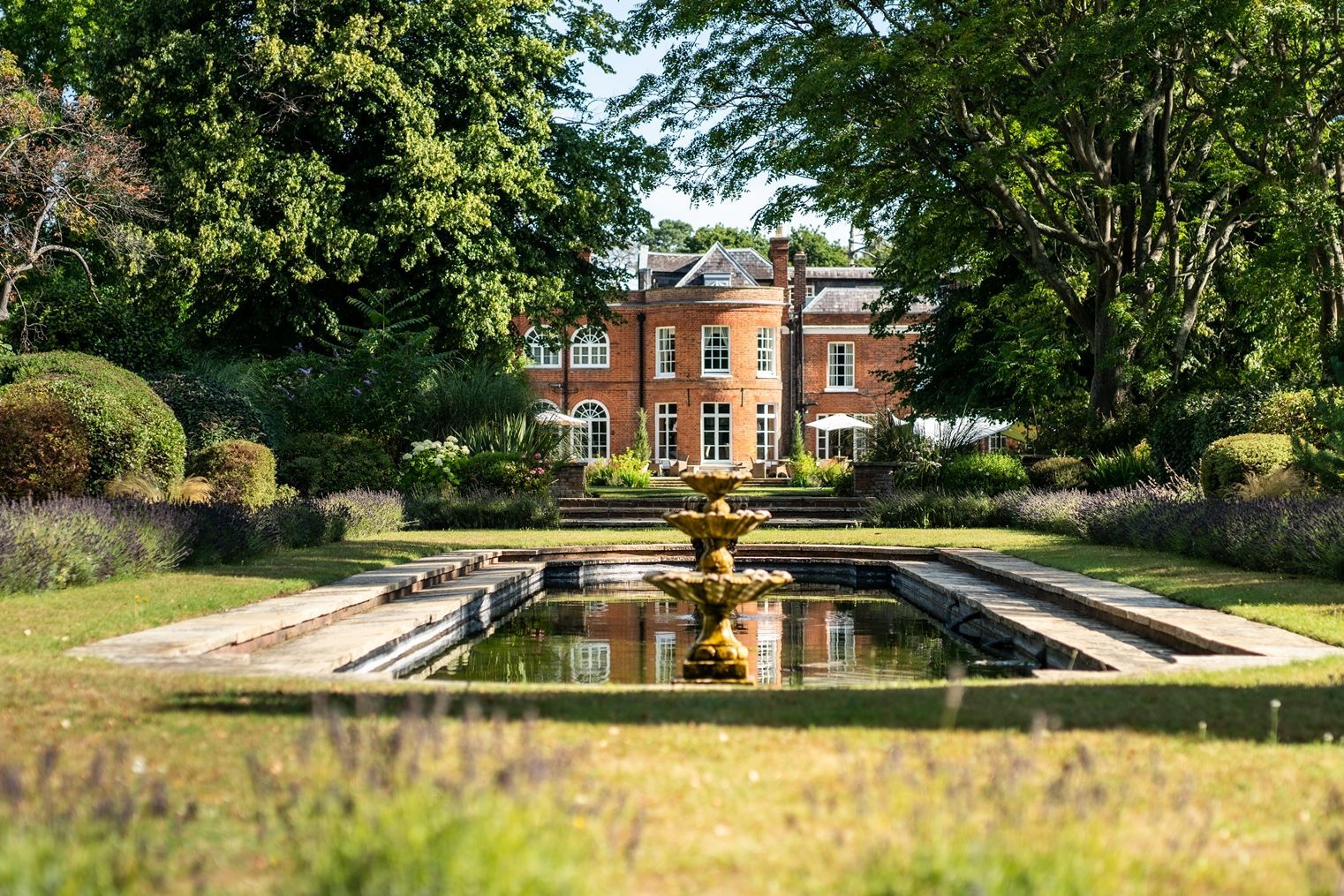

The new BMW 7 Series
By The Gentleman Magazine
EXPLORE The Leading Hotels of the World
Button

PEARL YACHTS TO HOST WORLD PREMIERE OF THE PEARL 73 AT THE CANNES YACHTING FESTIVAL
Button
THE RETURN OF THE AGRIA BLENHEIM PALACE INTERNATIONAL HORSE TRIALS
Button

The Journey Starts Here Terabithia Communications Partners with Gordon Ramsay Plane Food Market at Heathrow T5
Button
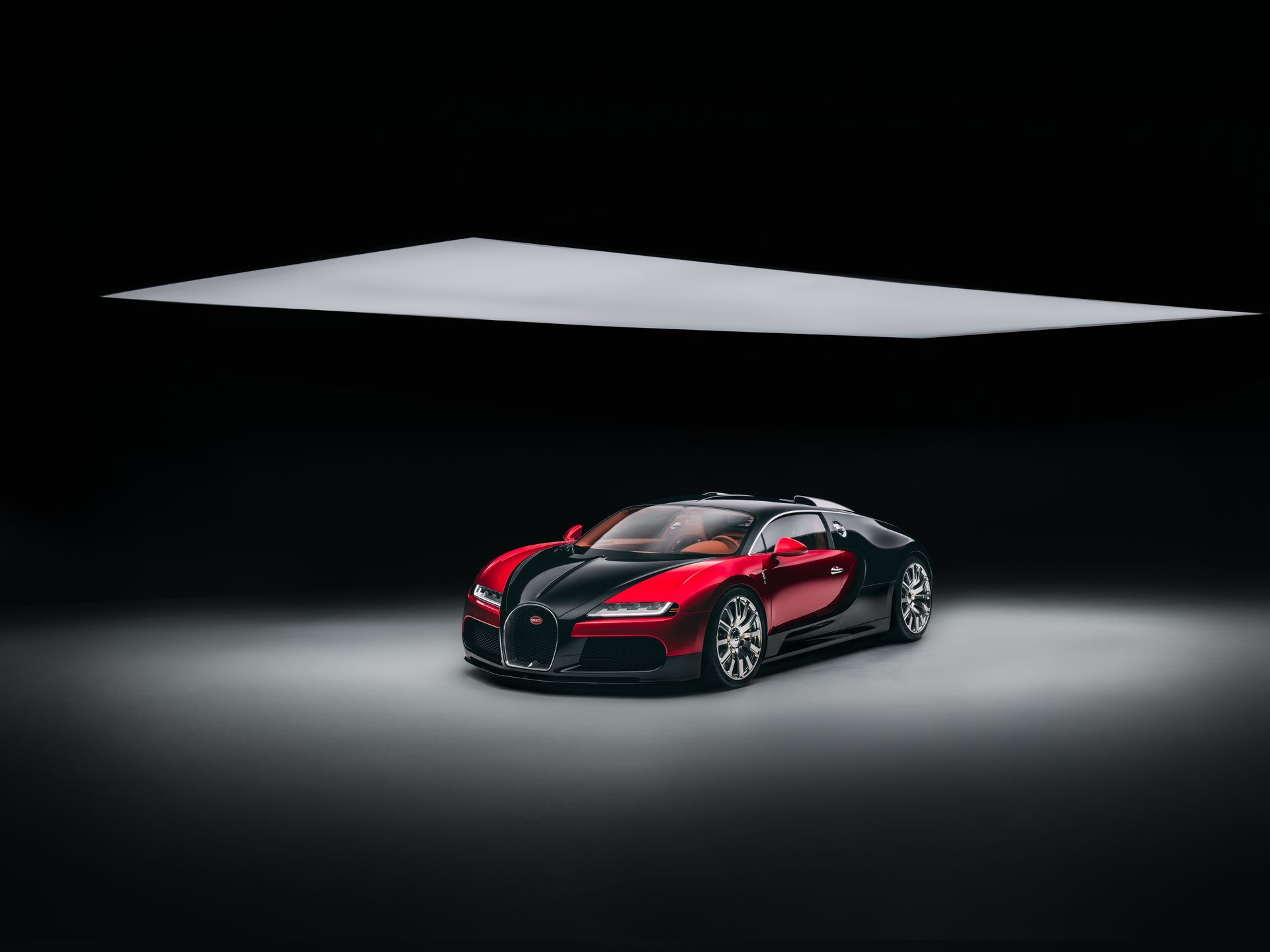
BUGATTI MOLSHEIM The W16 Mistral ‘Fly Bug’ is the latest creation in that collection
Button

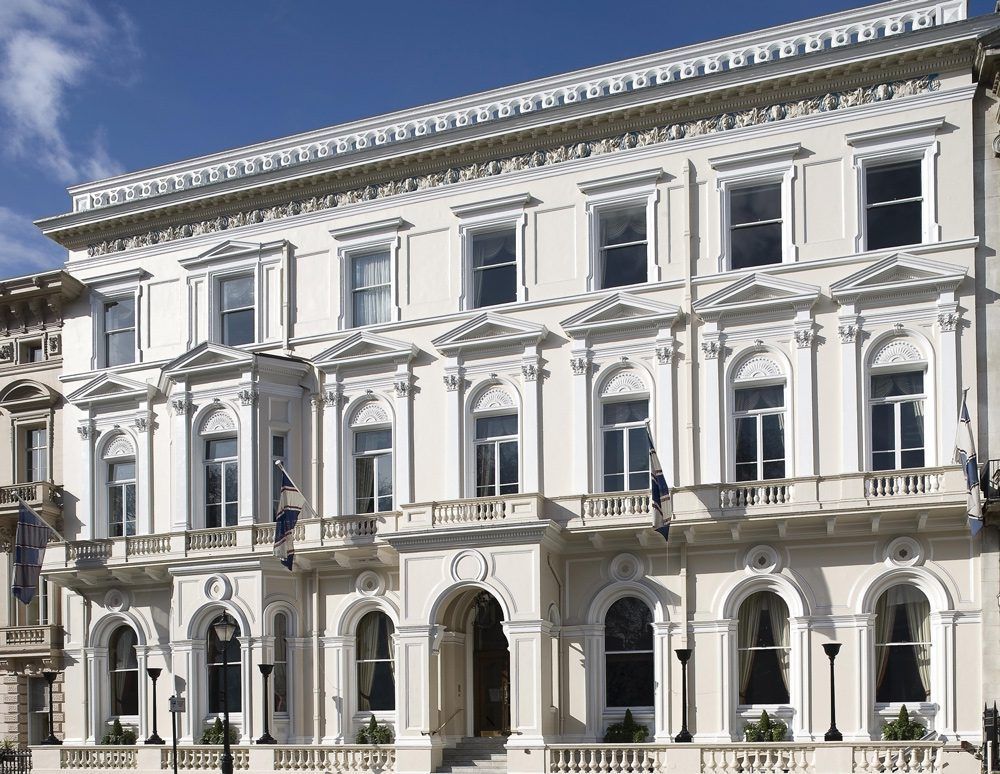
The East India Club: Where History and Luxury Unite in London
By The Gentleman Magazine
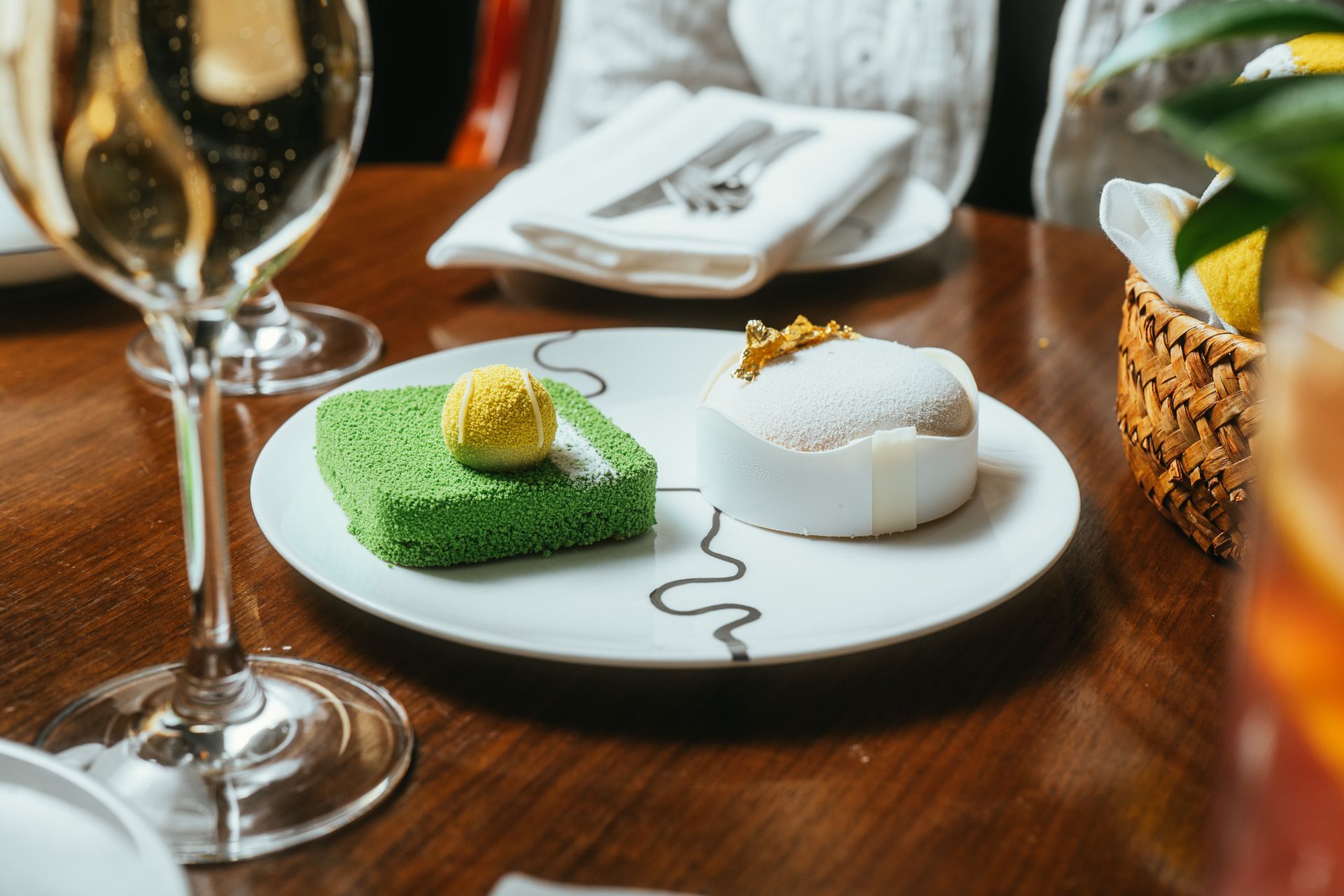
The Parlour at Great Scotland Yard Hotel serves up a Wimbledon-inspired Afternoon Tea
By The Gentleman Magazine
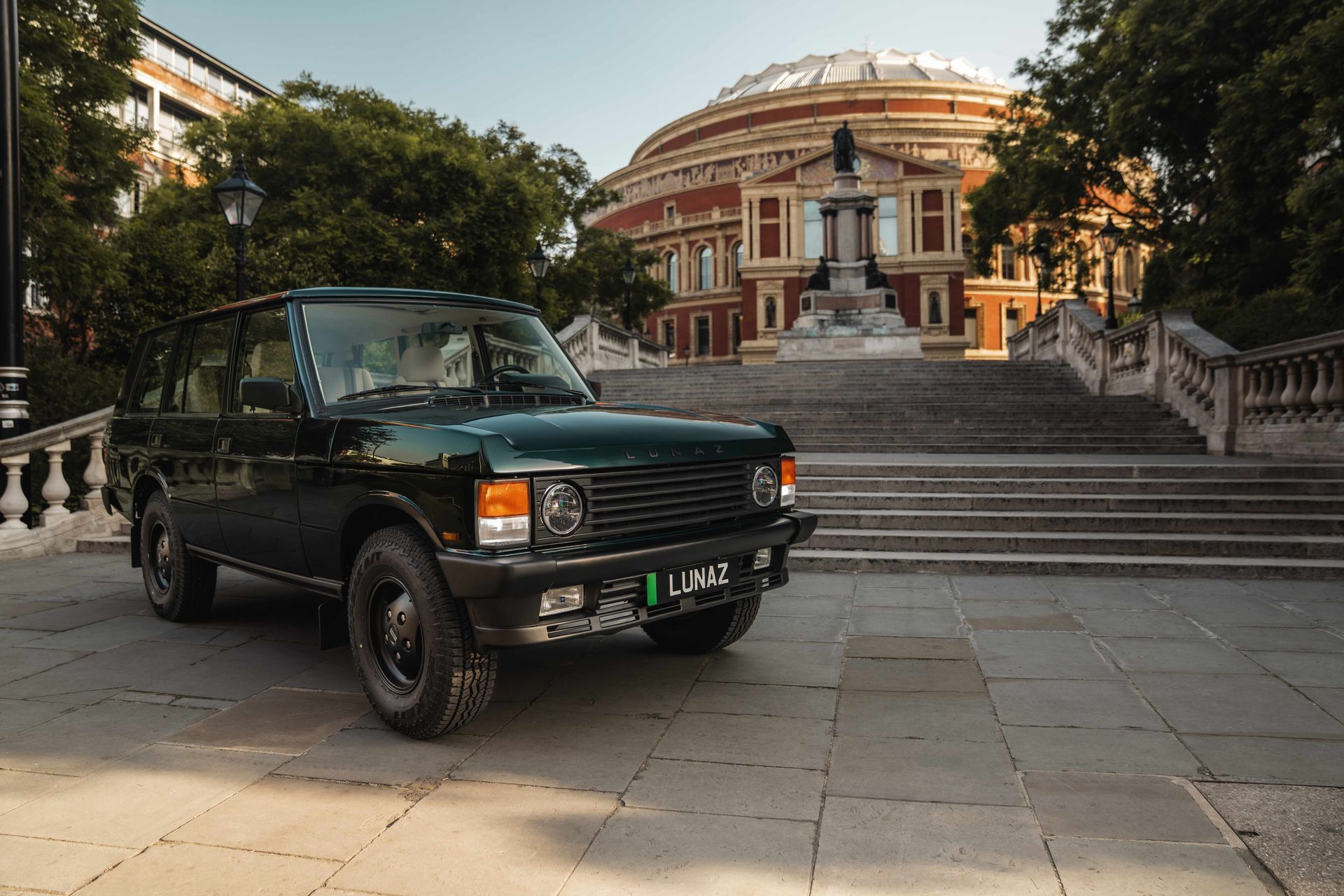
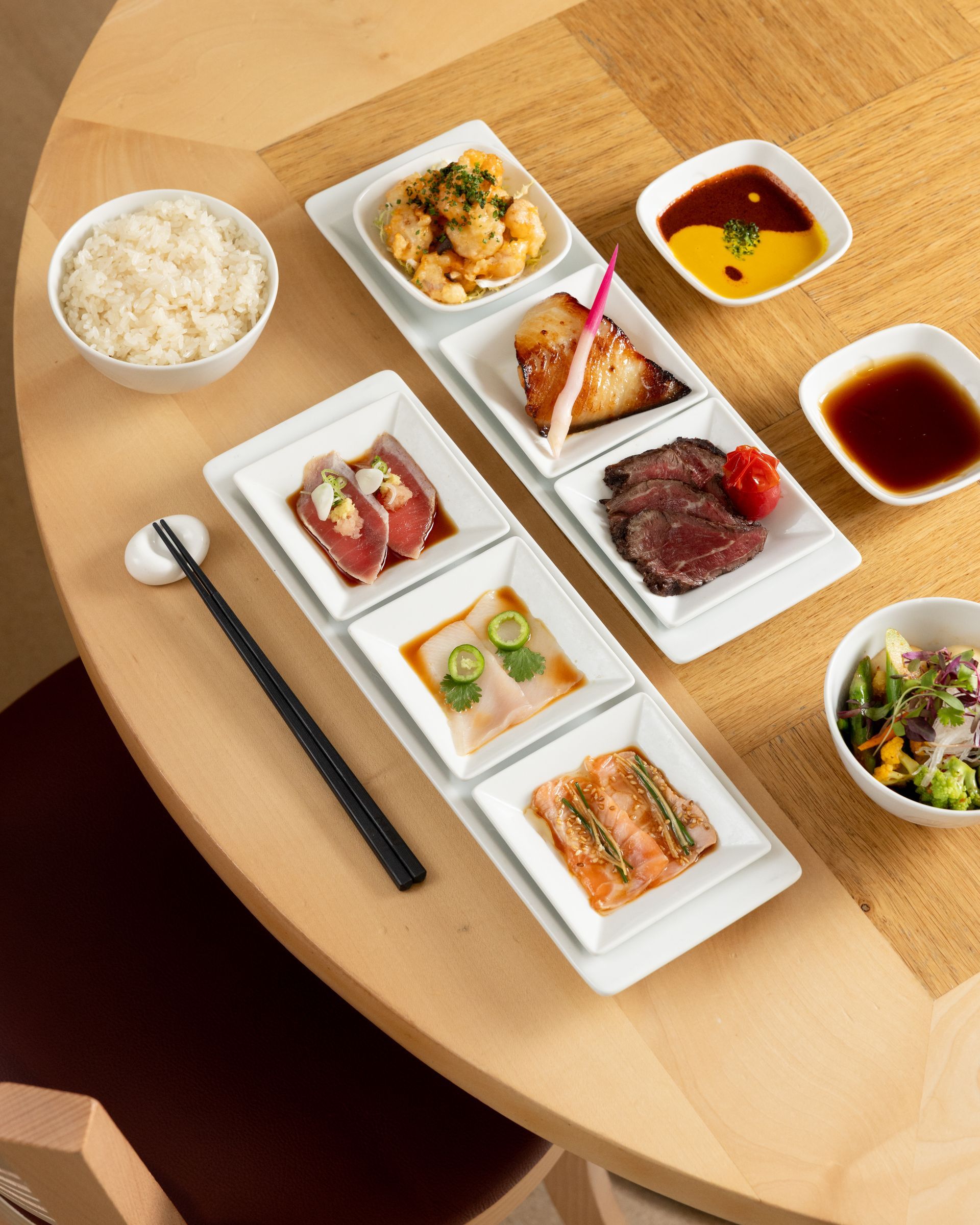

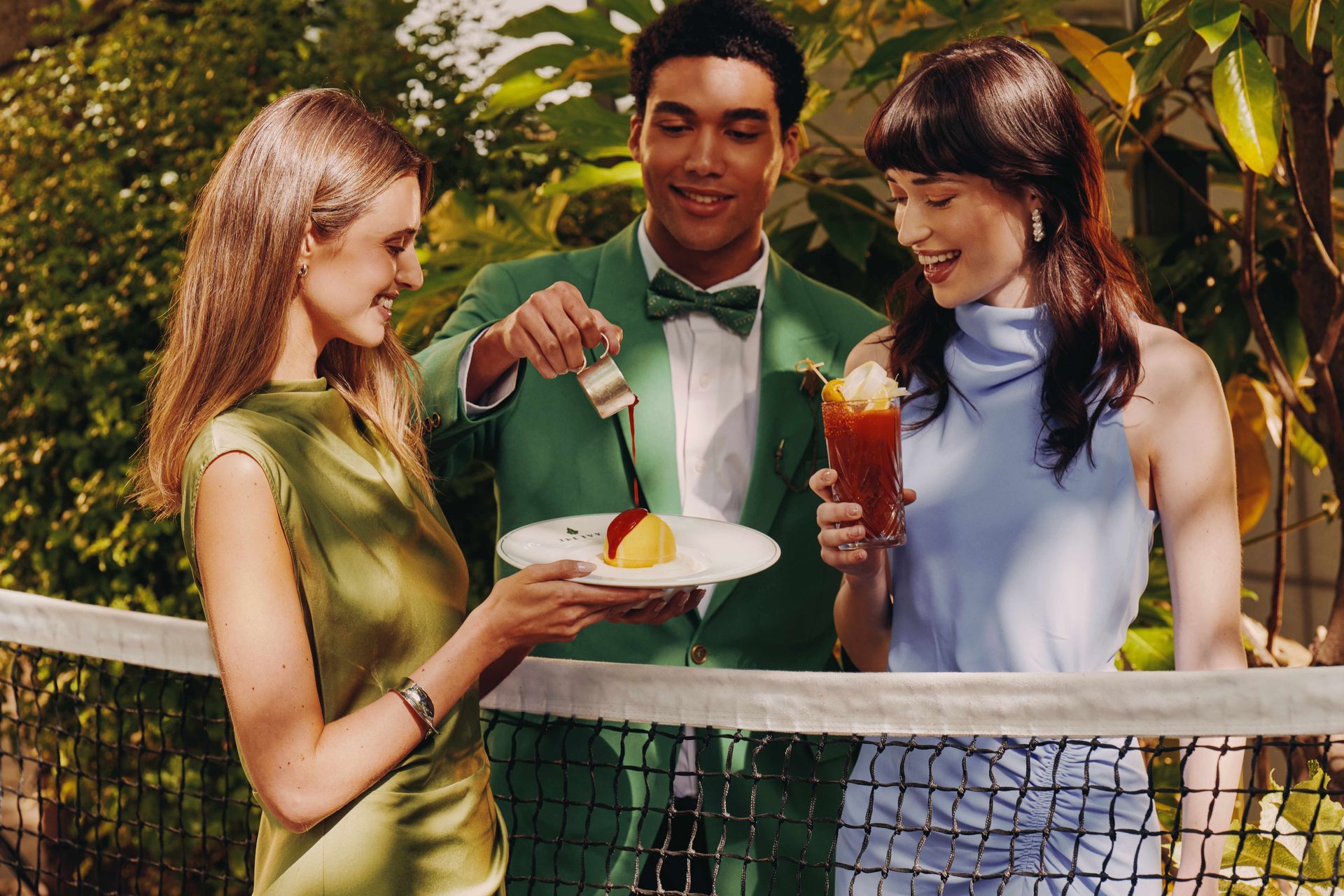
THE IVY COLLECTION SERVES UP THE ULTIMATE SPORTING SUMMER WITH NEW SEASONAL MENUS, CASAMIGOS TEQUILA COCKTAILS AND EXCLUSIVE SPORTING EVENTS CALENDAR
Button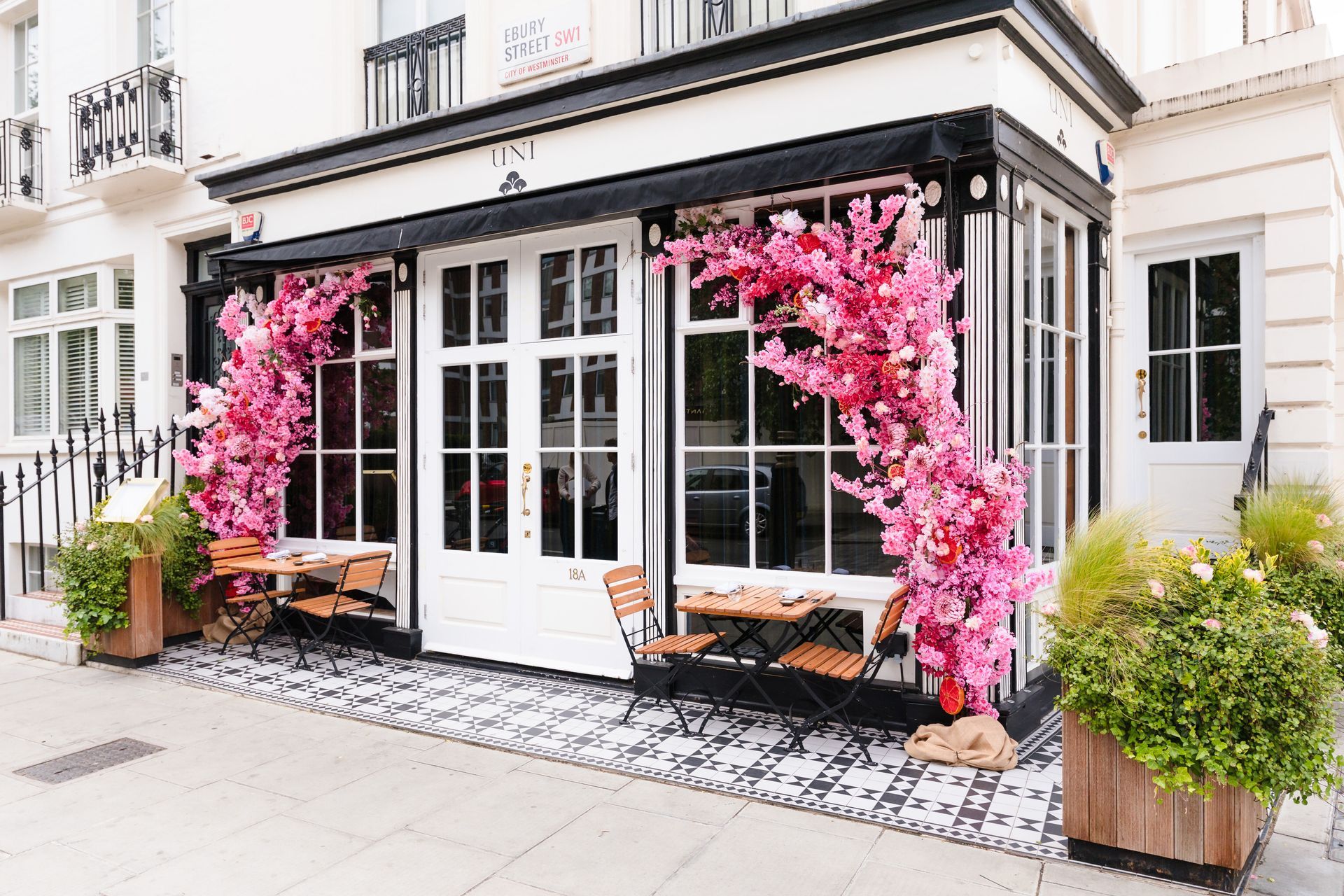
UNI LONDON LAUNCHES ‘SPRITZ & SUSHI ‘ A NEW IZAKAYA AND APERITIF PAIRING EXPERIENCE WITH POMELLE FOR THE SUMMER
By The Gentleman Magazine

The Luxury Kitchen Appliances Worth Buying in the Amazon Prime Sale
Button
THE BEAUTIFUL GAME AFTERNOON TEA KICKS OFF AT ORIGIN KENSINGTON
By The Gentleman Magazine


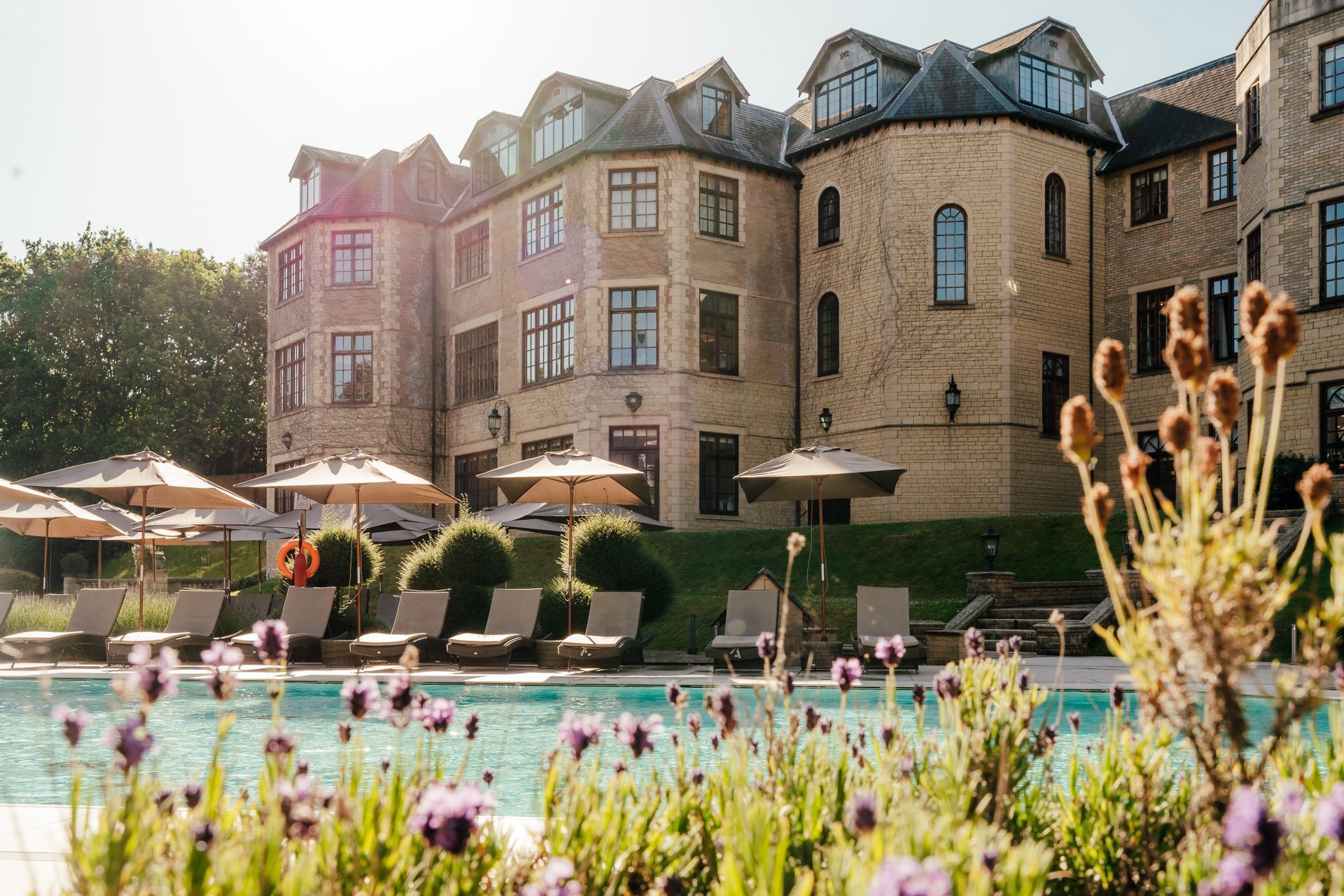
Pennyhill Park Review A Sanctuary Where Luxury Meets True Wellbeing
By The Gentleman Magazine
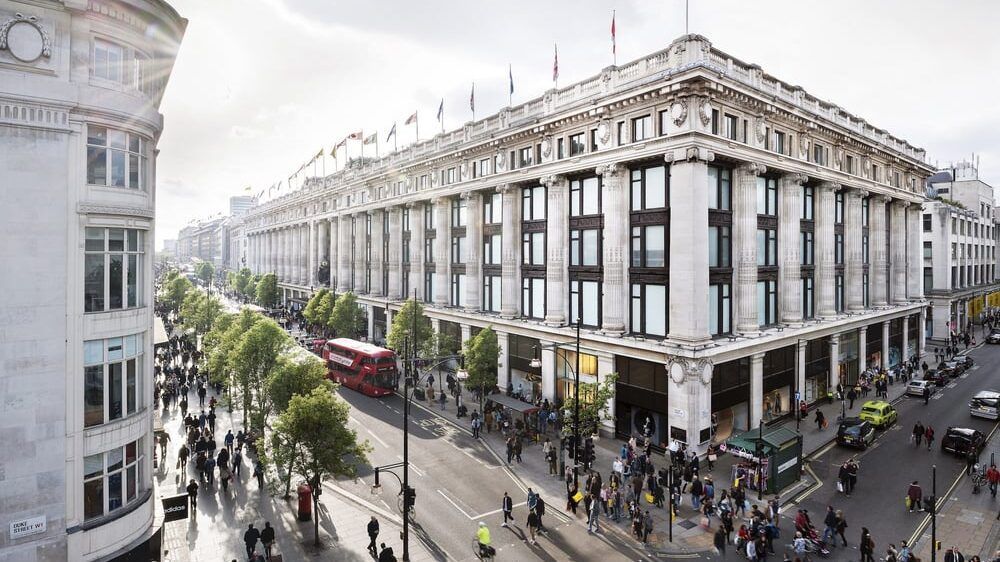
Selfridges: A Luxurious Legacy of Retail Excellence
By The Gentleman Magazine

Xiaomi expands UK retail presence with new Westfield White City store
Button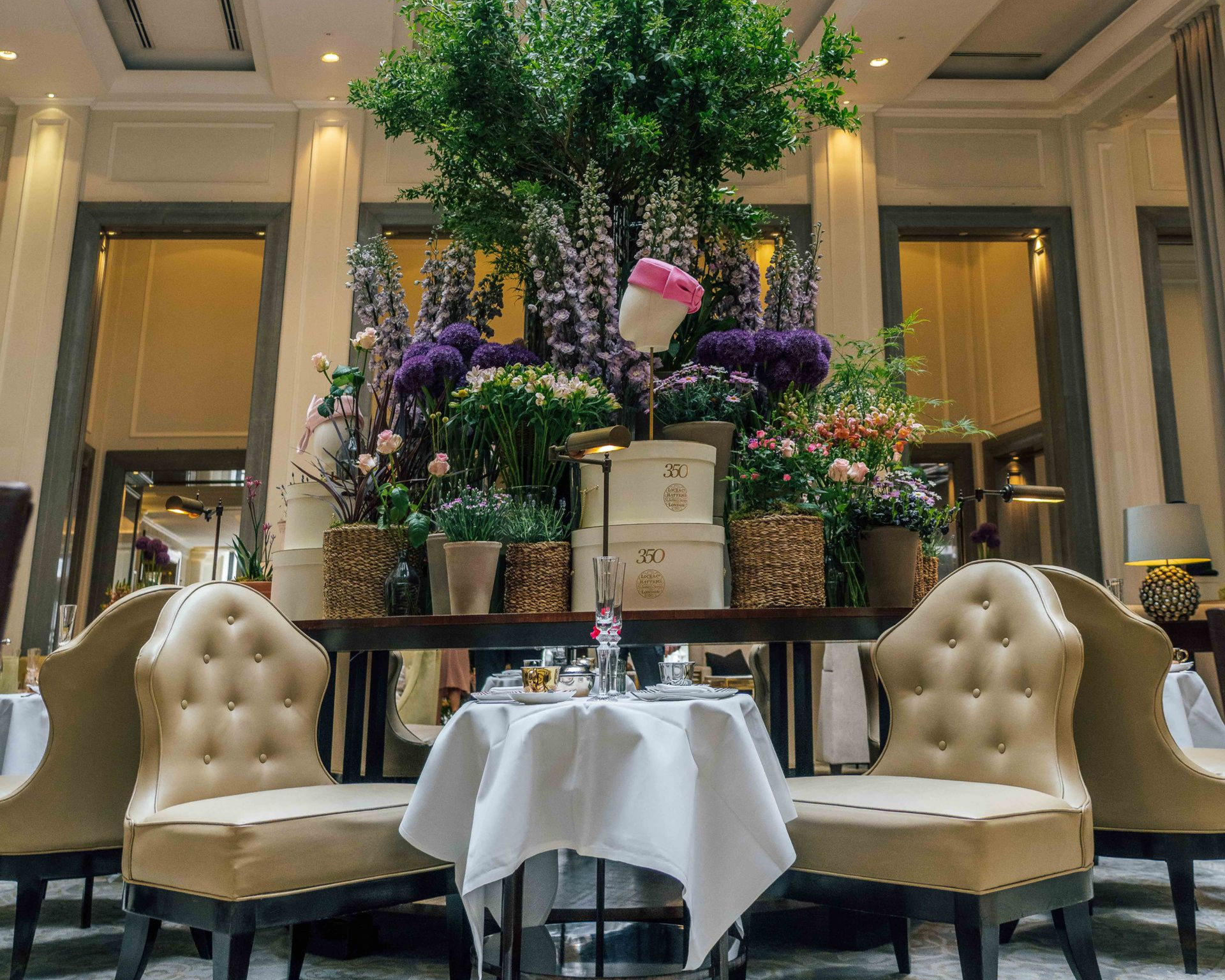
Corinthia London celebrates the British summer social season in partnership with Lock & Co. Hatters, marking 350 years of millinery heritage
Button
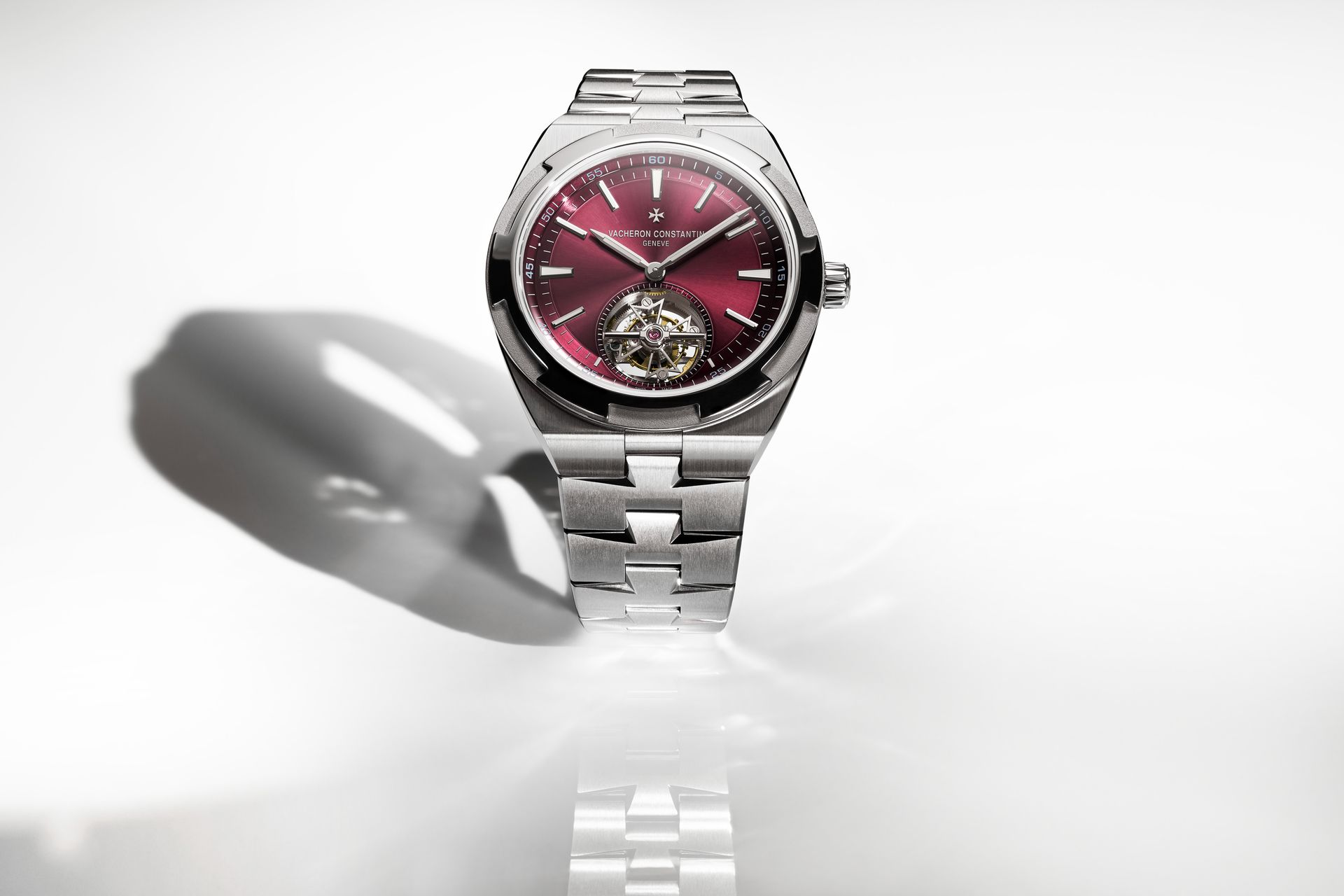
Overseas tourbillon A new aesthetic highlighted by titanium
Button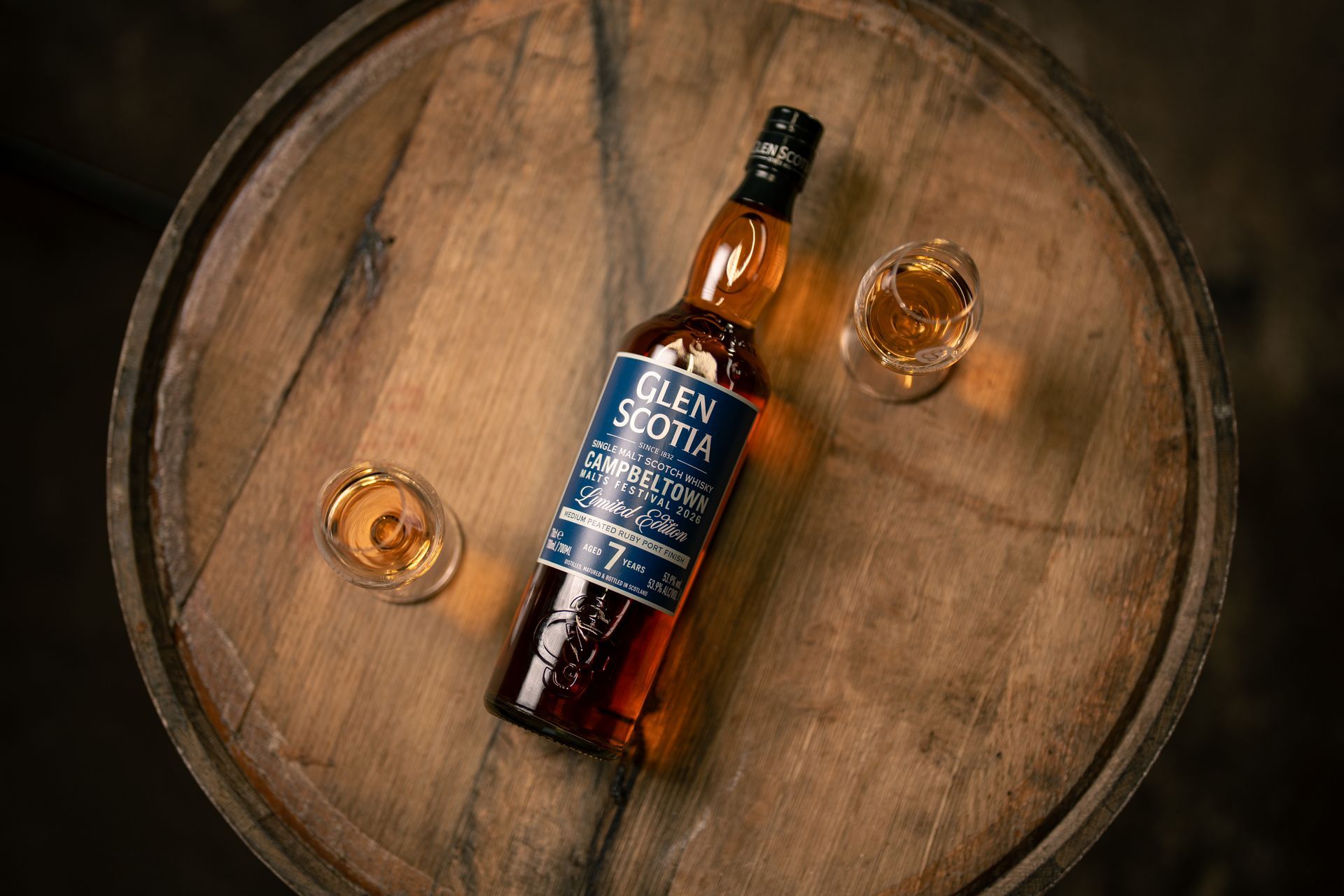
Glen Scotia Campbeltown Malts Festival 2026
By The Gentleman Magazine



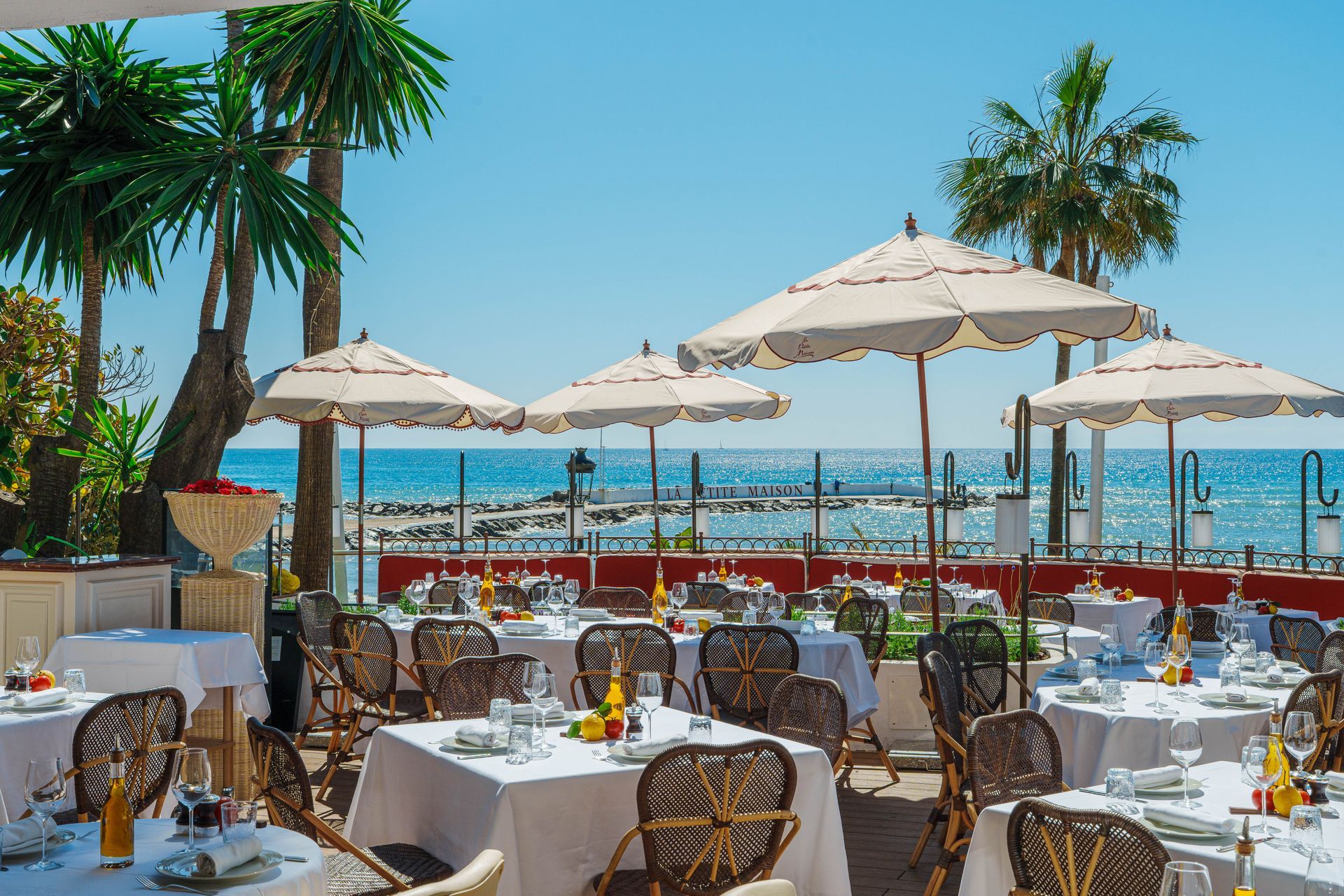
La Petite Maison arrives to Puente Romano Marbella’s shores. A new chapter in Mediterranean gastronomy
Button
Interview with Executive Chef Benjamin Ferra Y Castell
By The Gentleman Magazine
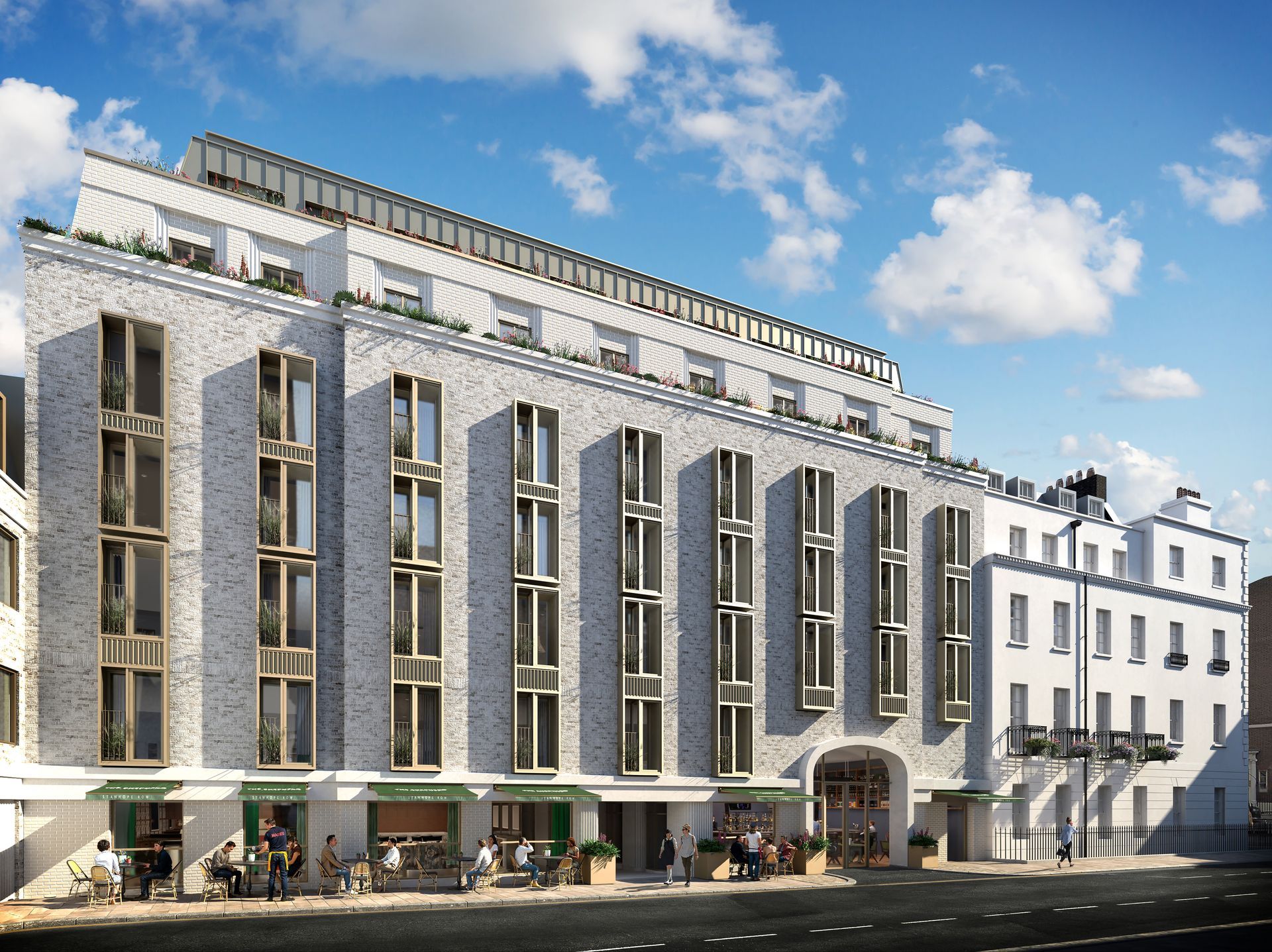


TAG Heuer captures the glow of racing after dark, the TAG Heuer Monaco
Button
Inside Nammos Resort AMAALA Where Social Energy Meets Regenerative Luxury
Button


Inside Jumeirah Carlton Tower’s Taste of Capri Residency
By The Gentleman Magazine
An Easter Escape to Somabay: Sunshine, Sea, and Family Adventure on the Red Sea
Button


INDRI SINGLE MALT INDIAN WHISKY LAUNCHES DIWALI COLLECTOR’S EDITION IN UK
Button
Jumeirah Carlton Tower Unveils Exquisite Easter Egg Collection
By The Gentleman Magazine
The Art of Effortless Travel Antler’s Discovery Range Redefines Modern Luxury
By The Gentleman Magazine
The £36 Million Grosvenor Square Residence That Redefines Space, Privacy and Prestige
By The Gentleman Magazine

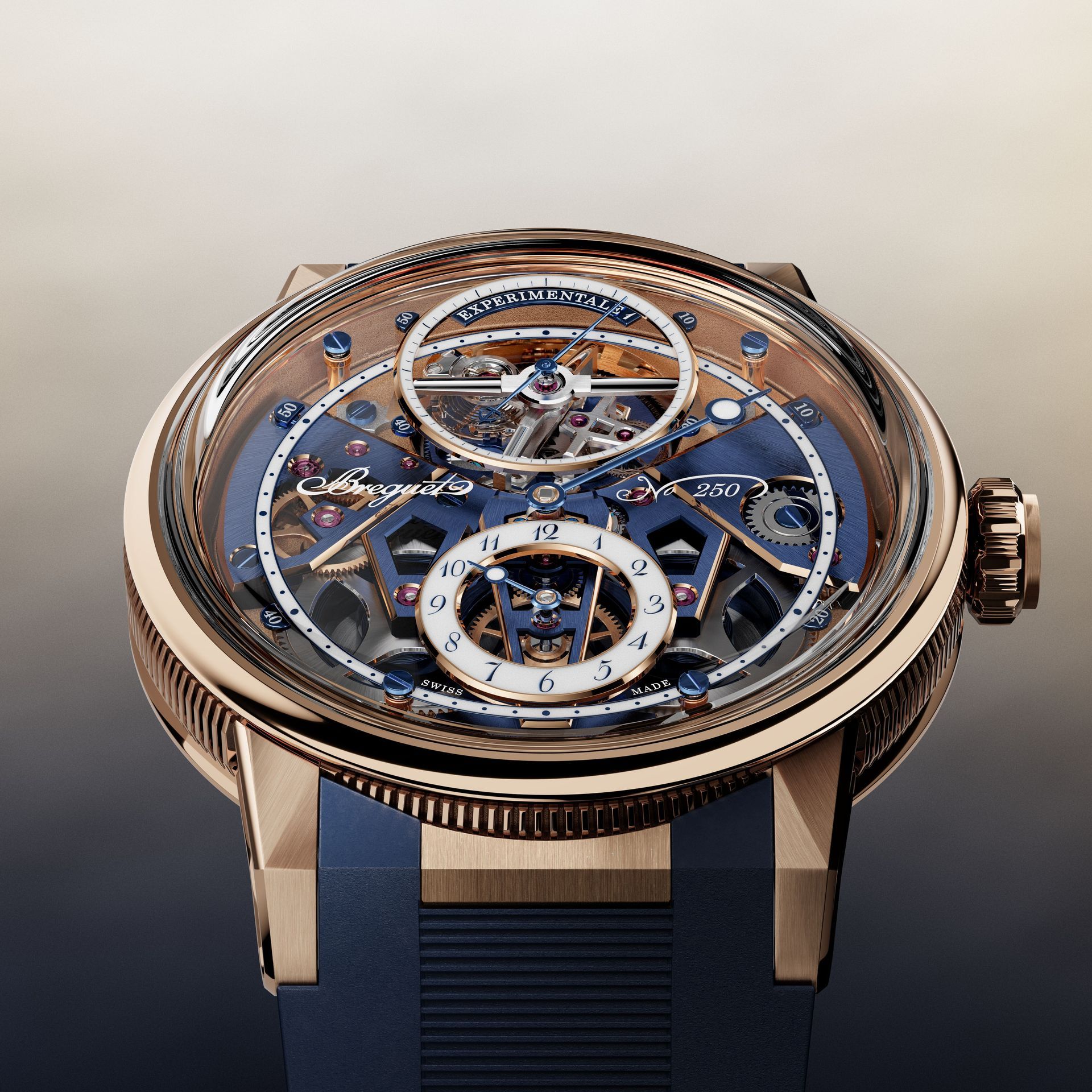
Breguet Expérimentale 1
By The Gentleman Magazine

Tackling Africa’s toughest terrain in a classic air-cooled Porsche 911
Button
White's Gentleman's Club: Where Tradition Meets Luxury, and History Lives on in London's Most Exclusive Haven
The Gentleman Magazine
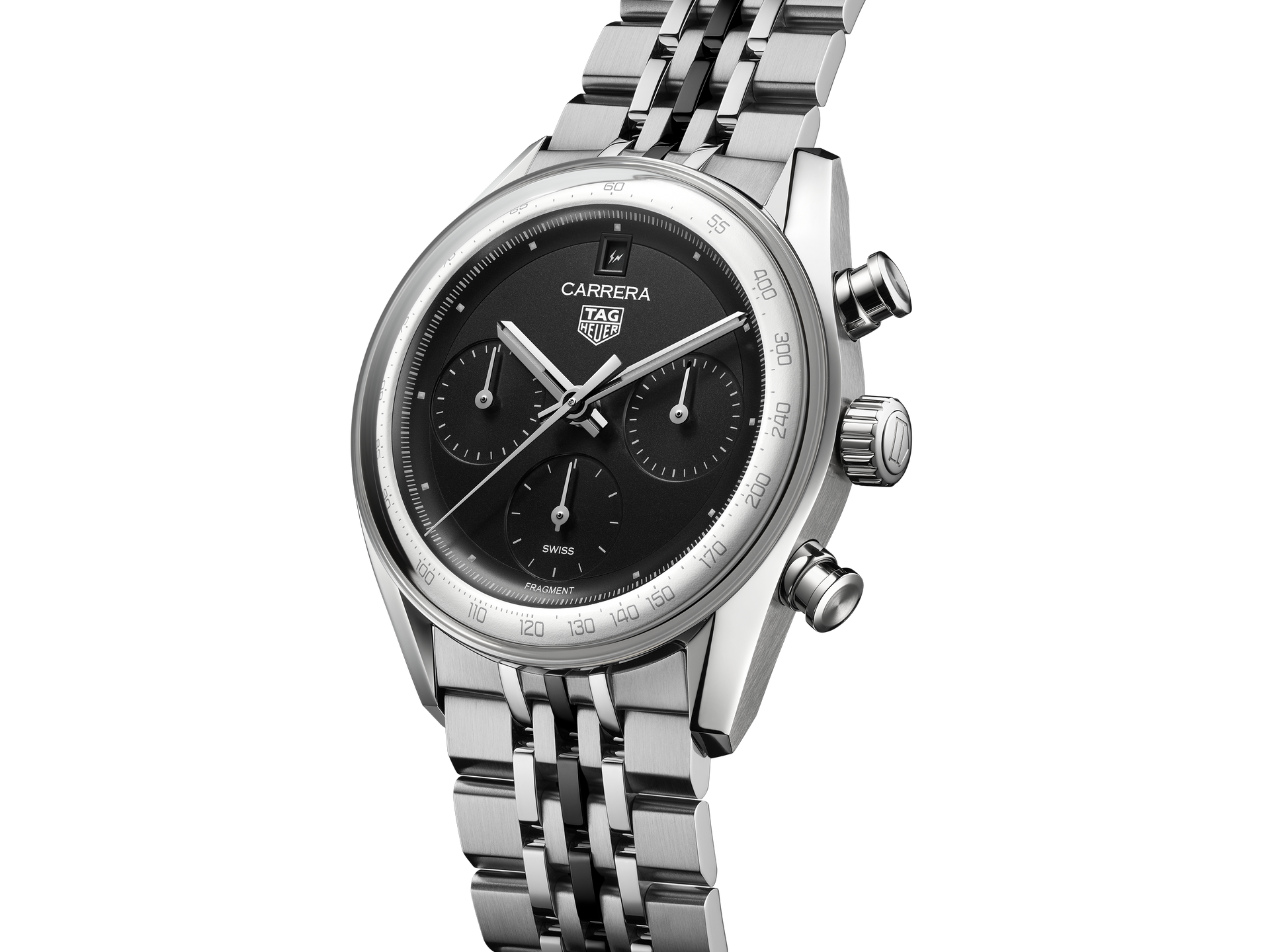
TAG HEUER AND FRAGMENT CONTINUE THEIR CREATIVE DIALOGUE
By The Gentleman Magazine


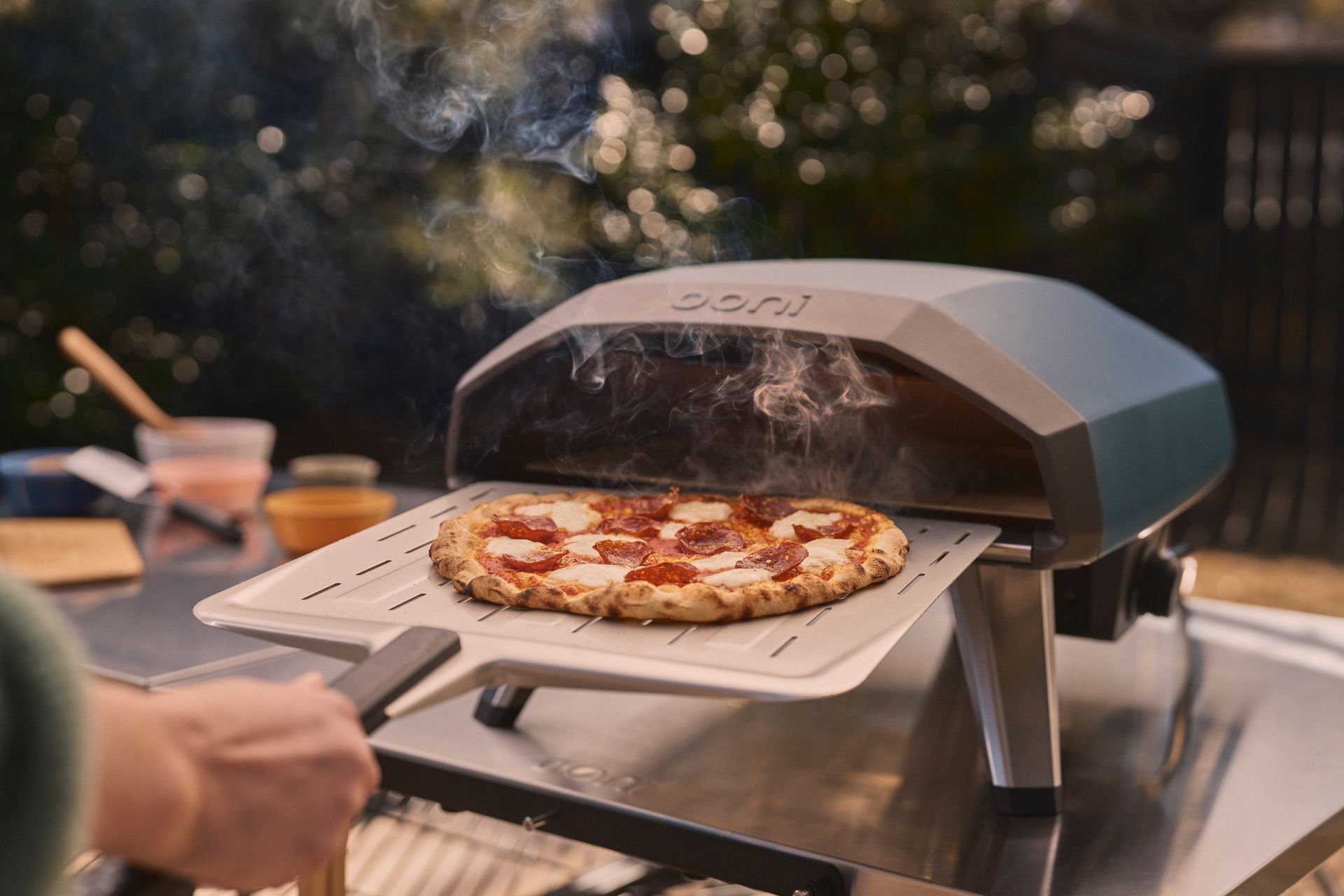
Ooni Koda 2 review: The luxury gas pizza oven that turns your garden into a pizzeria
Button
Black Eyewear Bold Frames, Timeless Attitude
Button


Flowers and chocolates are a lovely gift for Mother's Day, but what about a unique, hands-on experiential gift?
By The Gentleman Magazine

The Lamborghini 101FT Motoryacht
Button


Hermes Gehnen, Founder of N25 Caviar and Umai
By The Gentleman Magazine
Robert Lewandowski on board with Sunreef Yachts
By The Gentleman Magazine


Navigating the Skies for FIFA World Cup 2026
By The Gentleman Magazine
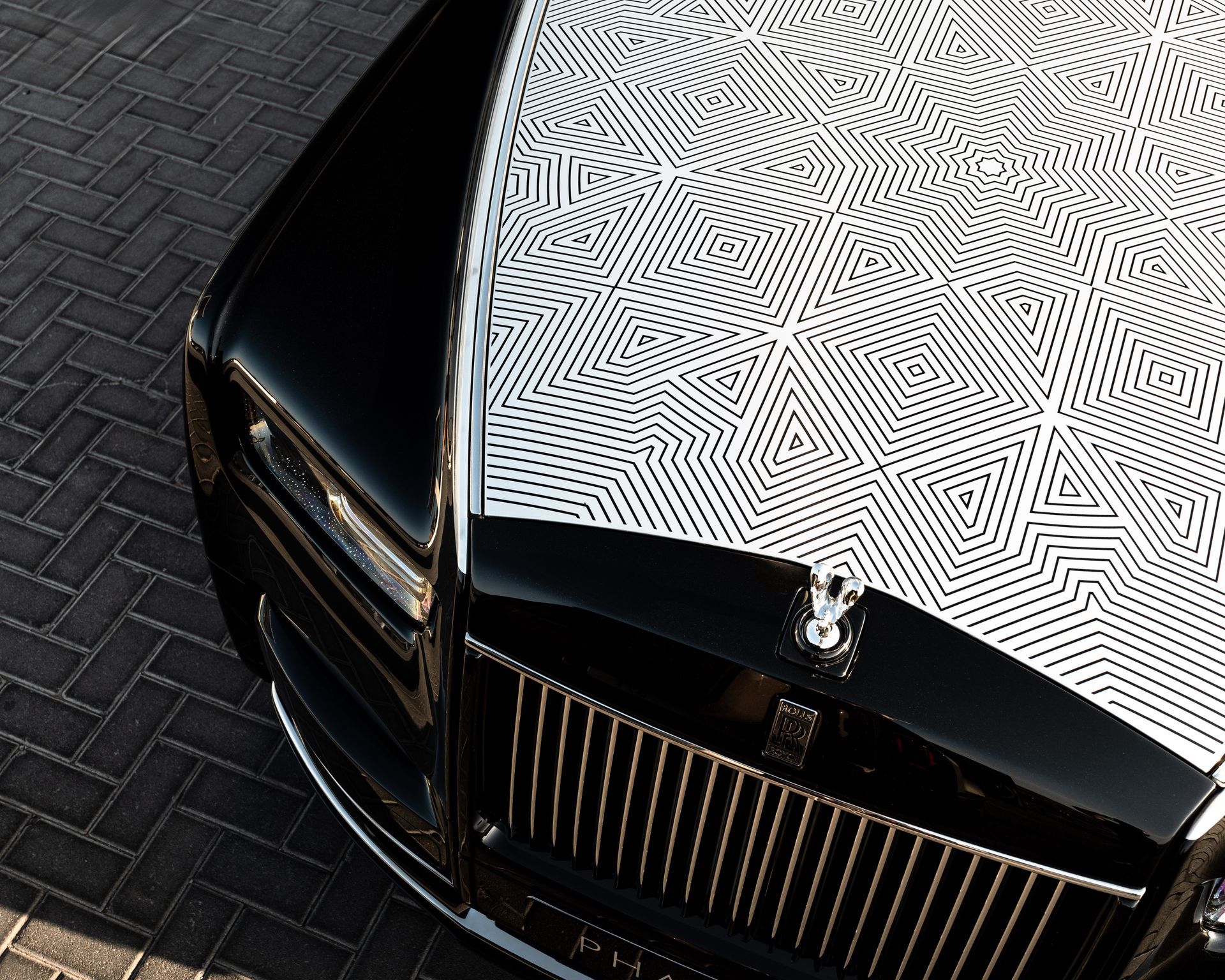
Halcyon remastered Rolls-Royce Corniche embarks on a Grand Tour of the Arabian Peninsula, starting at the Bahrain Concours of Elegance
By The Gentleman Magazine


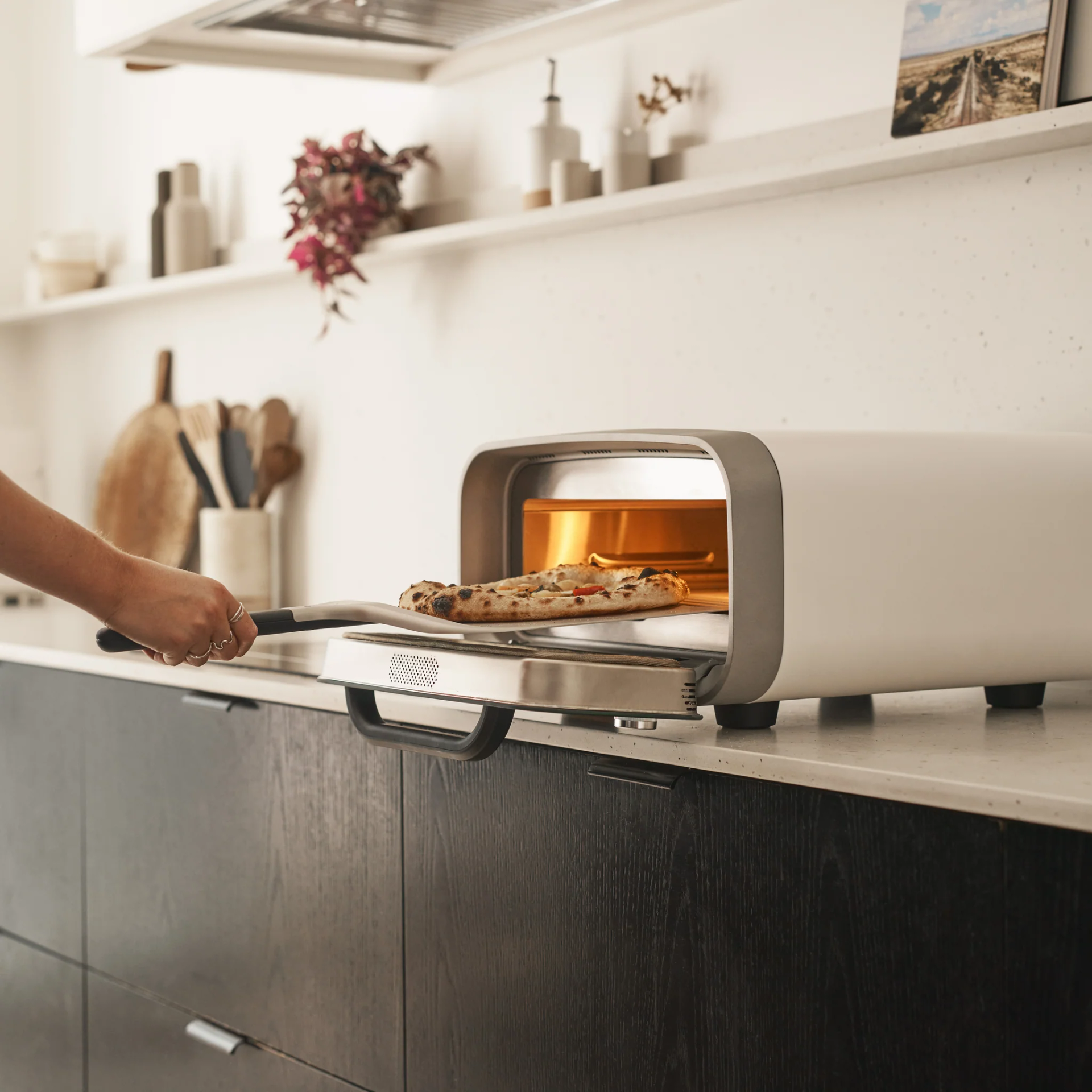
The Ooni Volt 2 Review: Electric Luxury Meets Effortless Pizza Perfection
By The Gentleman Magazine
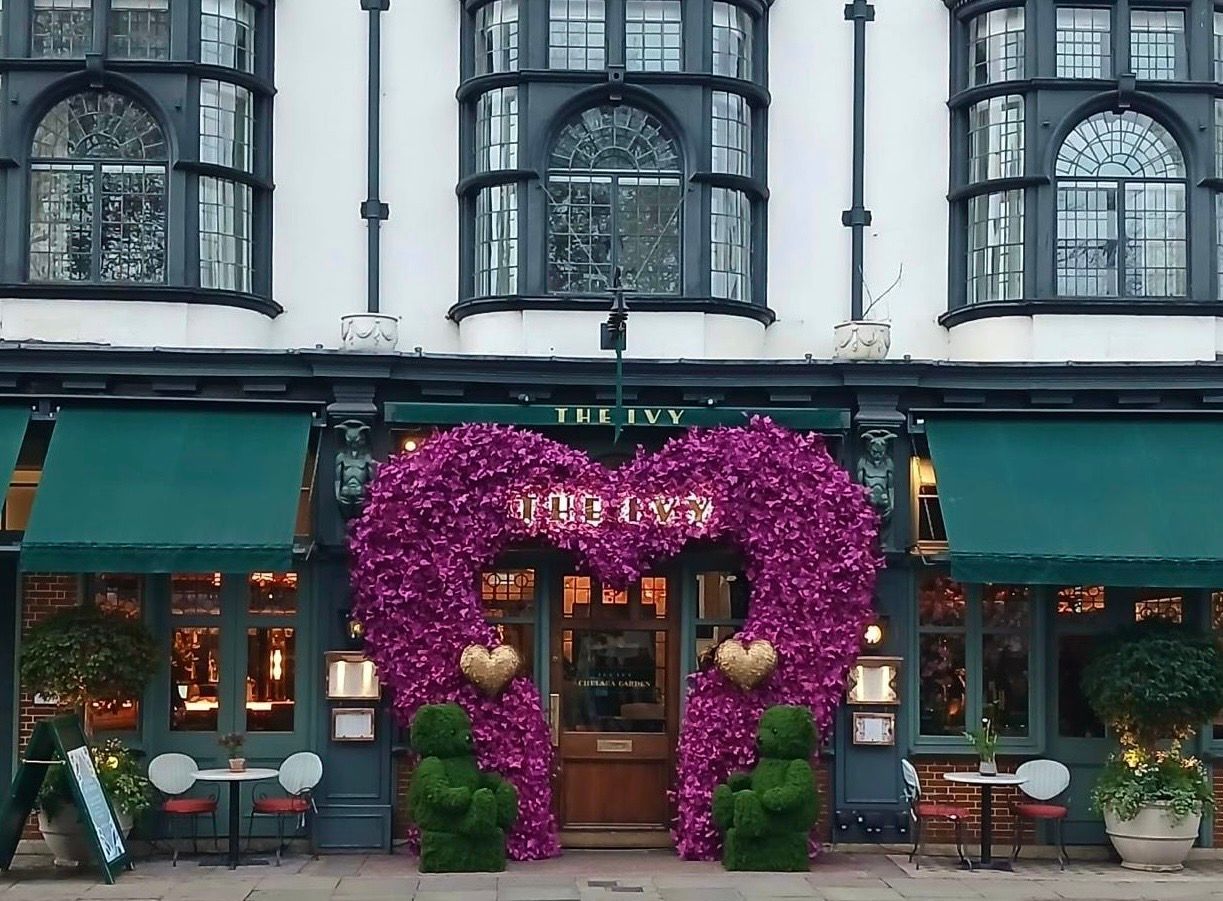
CELEBRATE LOVE THIS VALENTINE’S DAY WITH THE THREE-COURSE SET MENU WITH CHAMPAGNE AT THE IVY COLLECTION
By The Gentleman Magazine


Supersports The most driver-focused Bentley ever
By The Gentleman Magazine
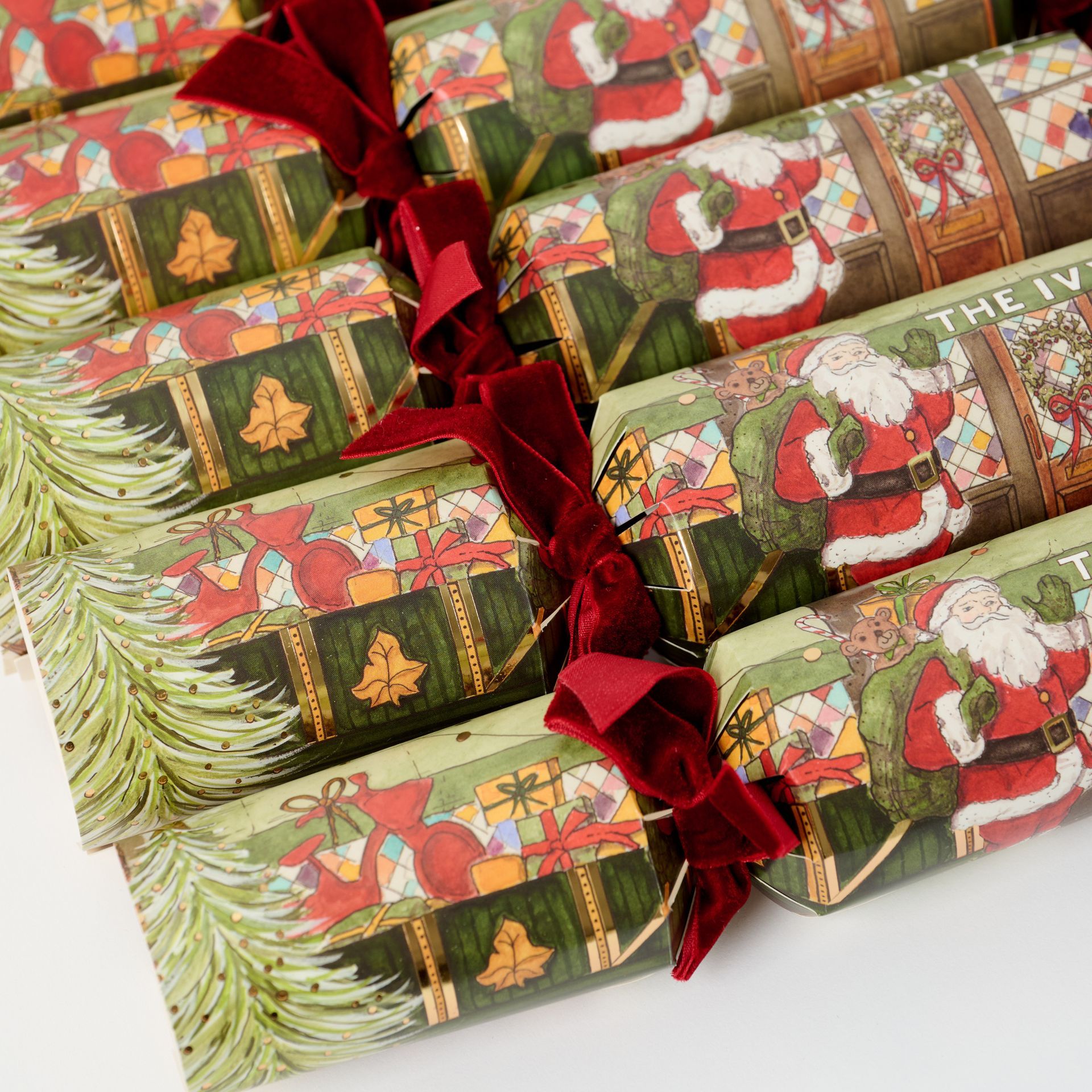
THE IVY COLLECTION LAUNCHES FIRST EVER FESTIVE GIFTING RANGE
By The Gentleman Magazine
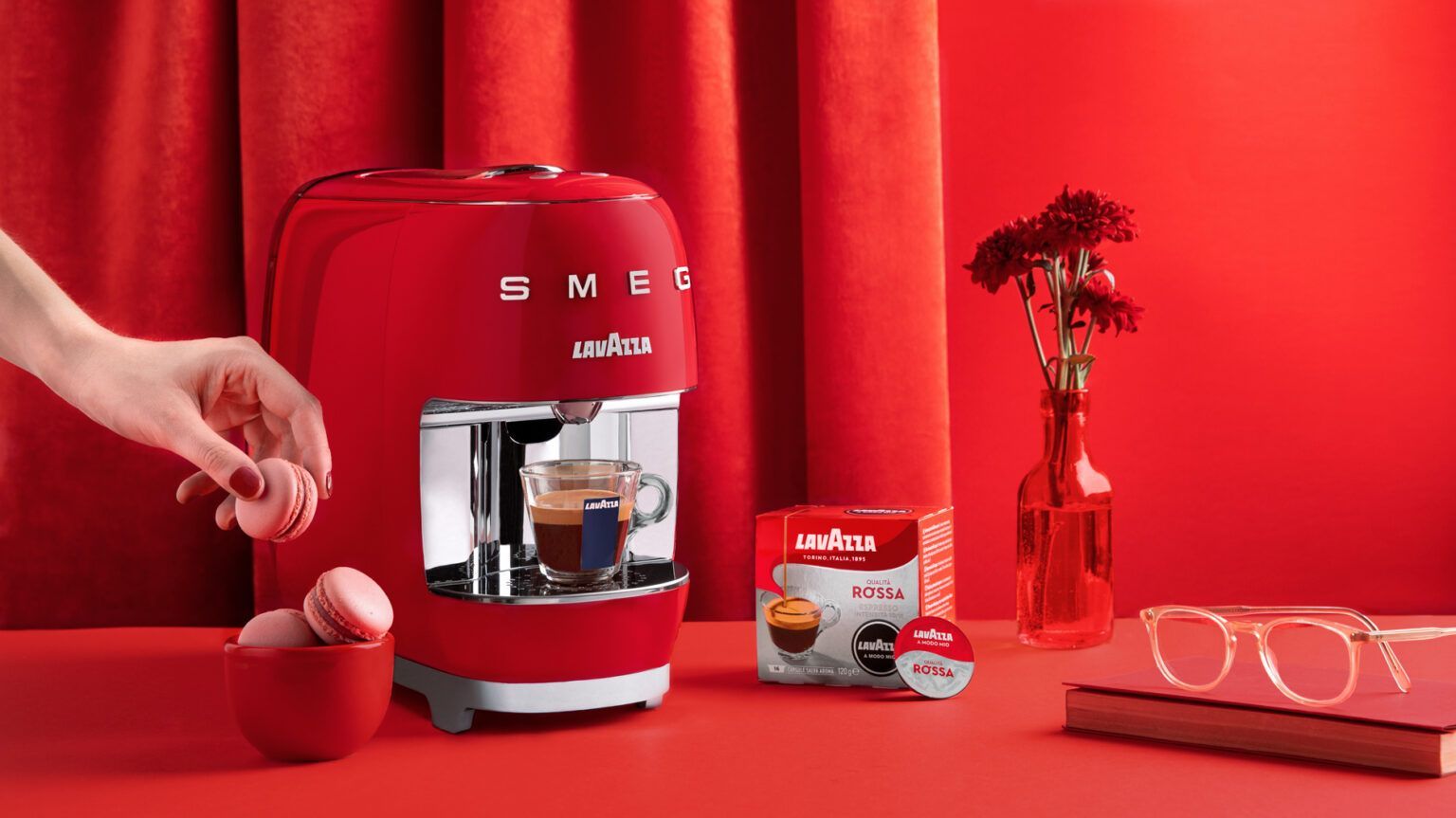
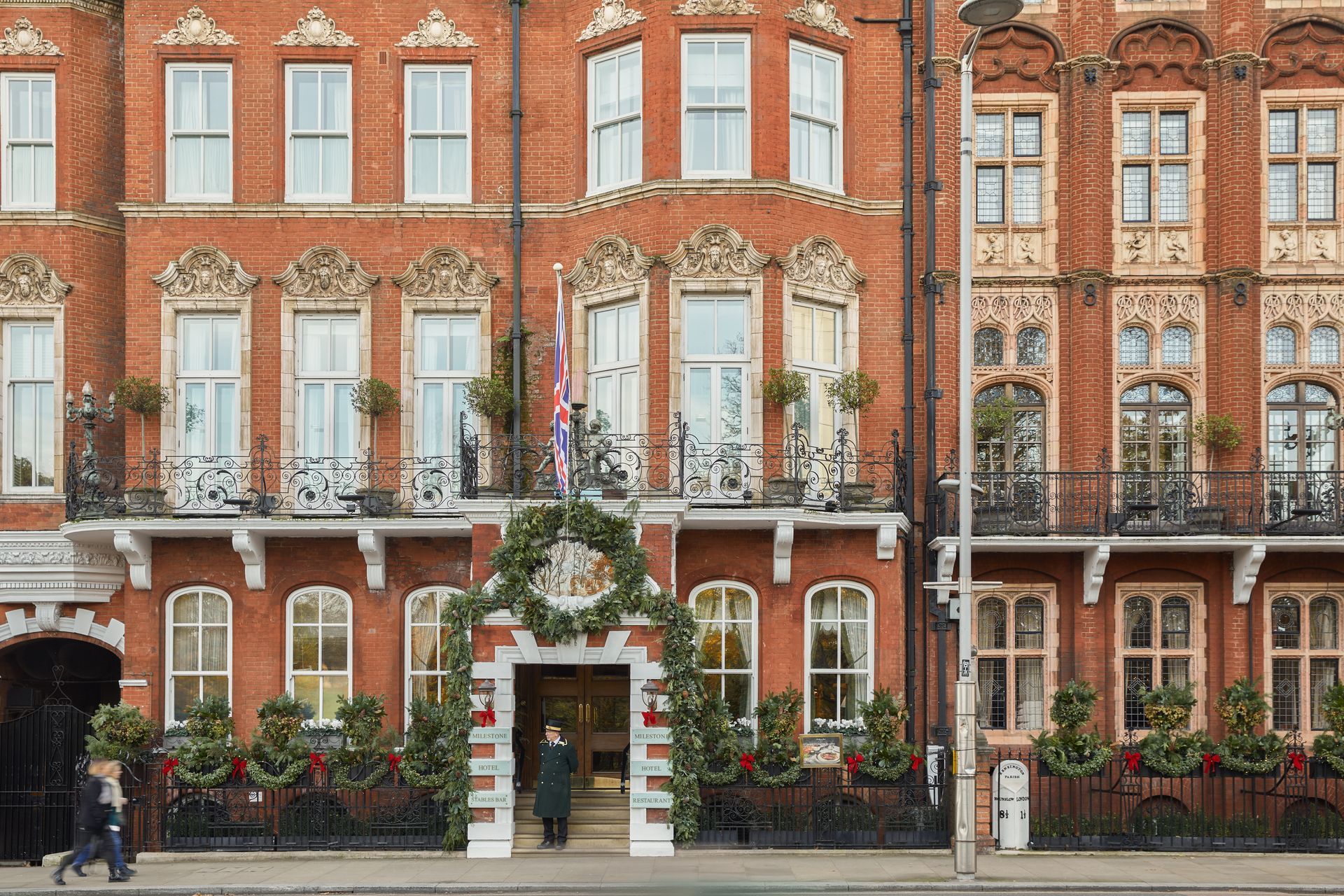

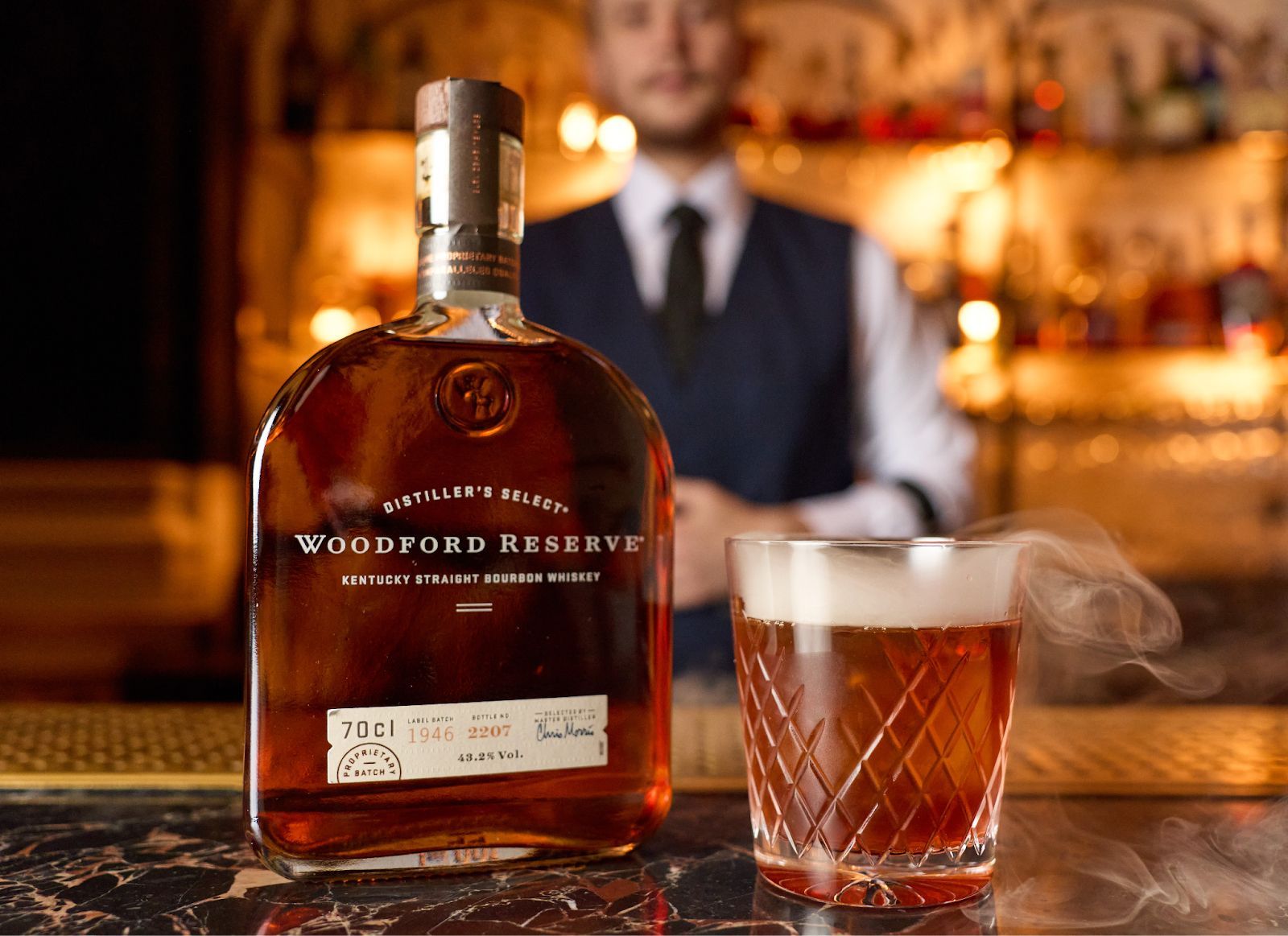
Woodford Reserve launches The Old Fashioned Edit bar in celebration of Old Fashioned Month at The Ned, City of London
By The Gentleman Magazine
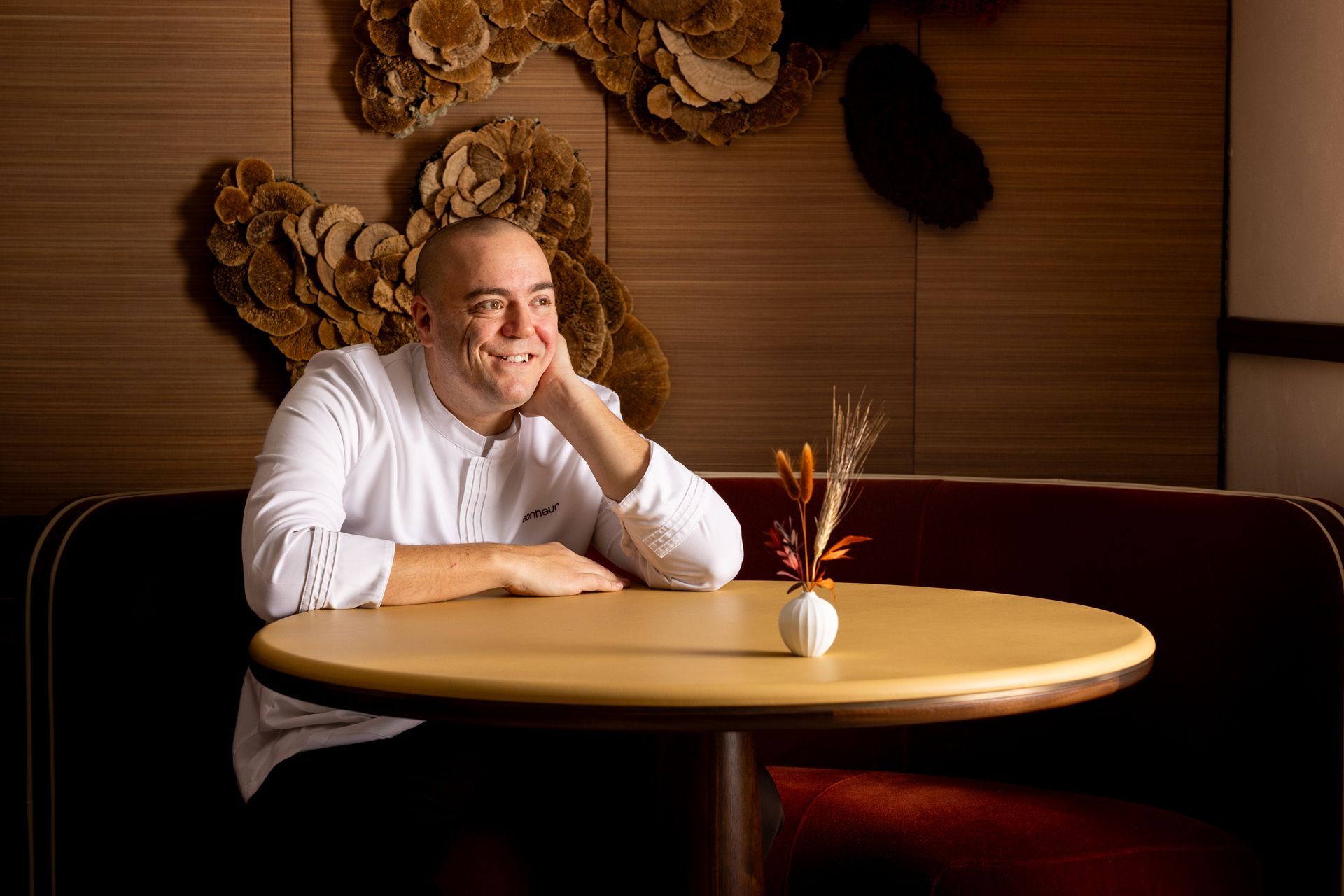
Bonheur by Matt Abé The Anticipated Fine Dining Destination Opens its Doors in Mayfair
By The Gentleman Magazine

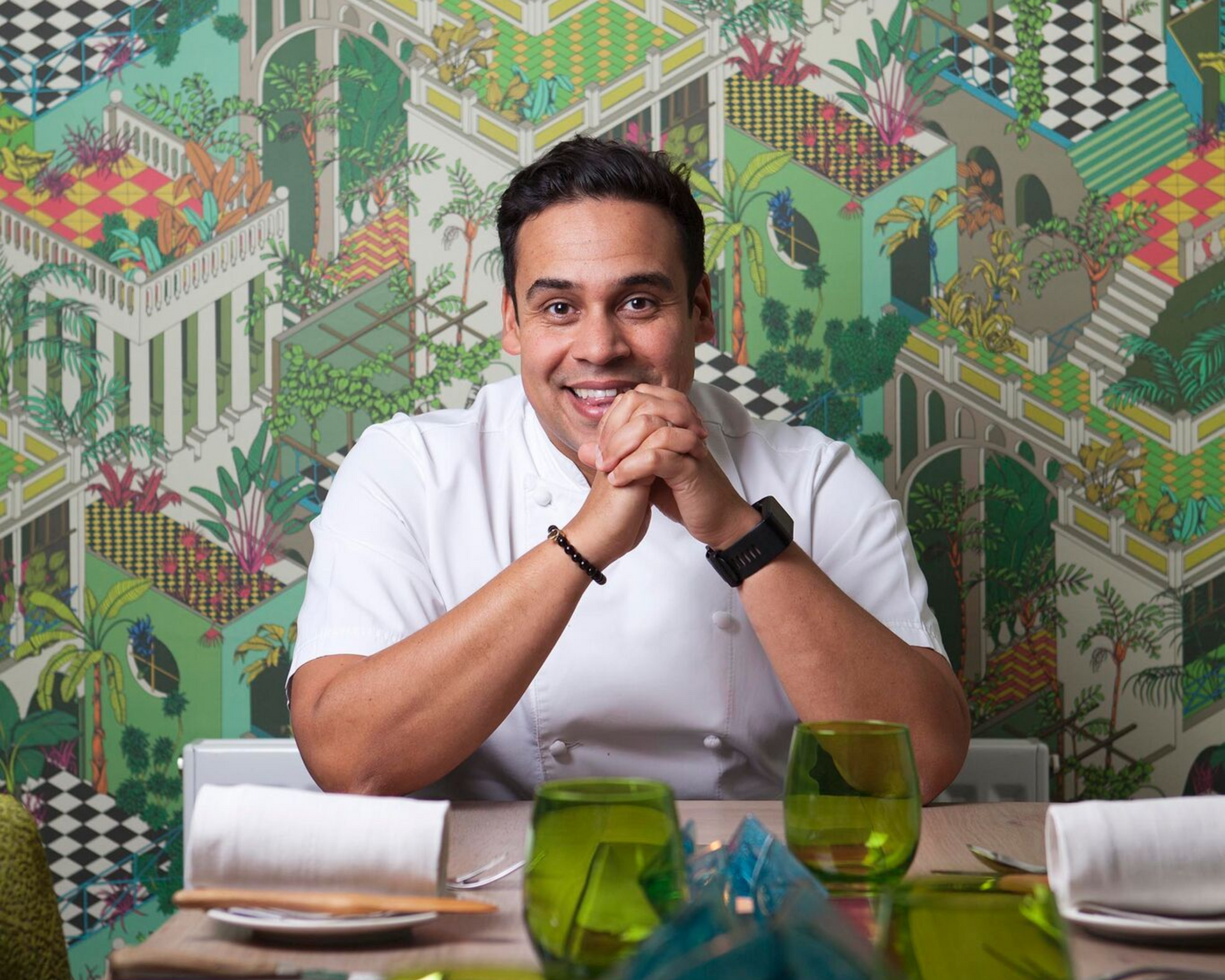
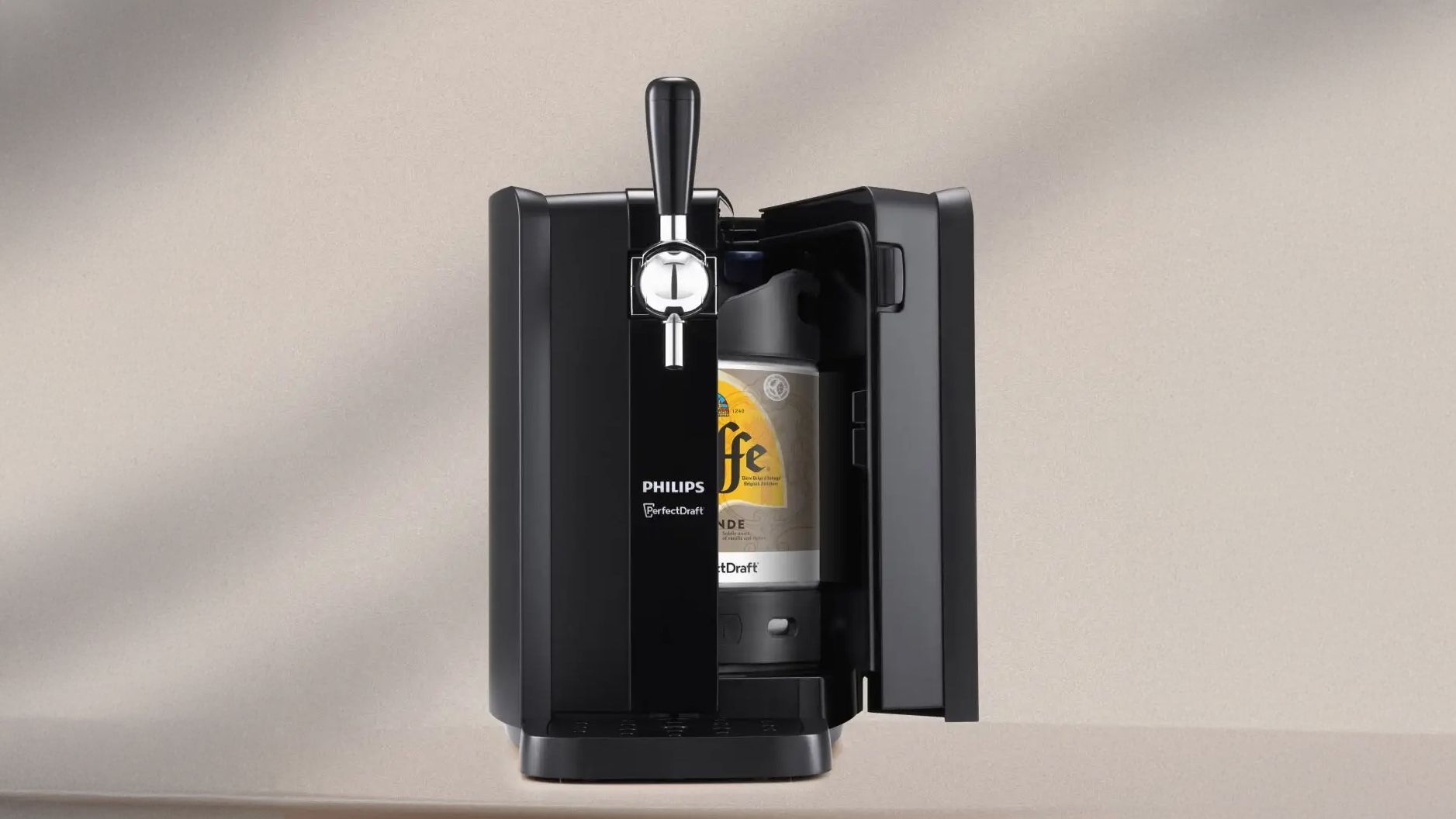
The PerfectDraft Black Bringing the Pub Home Perfectly, Pint After Pint
By The Gentleman Magazine

GT Racing meets Formula 1 The new Mercedes-AMG GT2 Edition W16
By The Gentleman Magazine
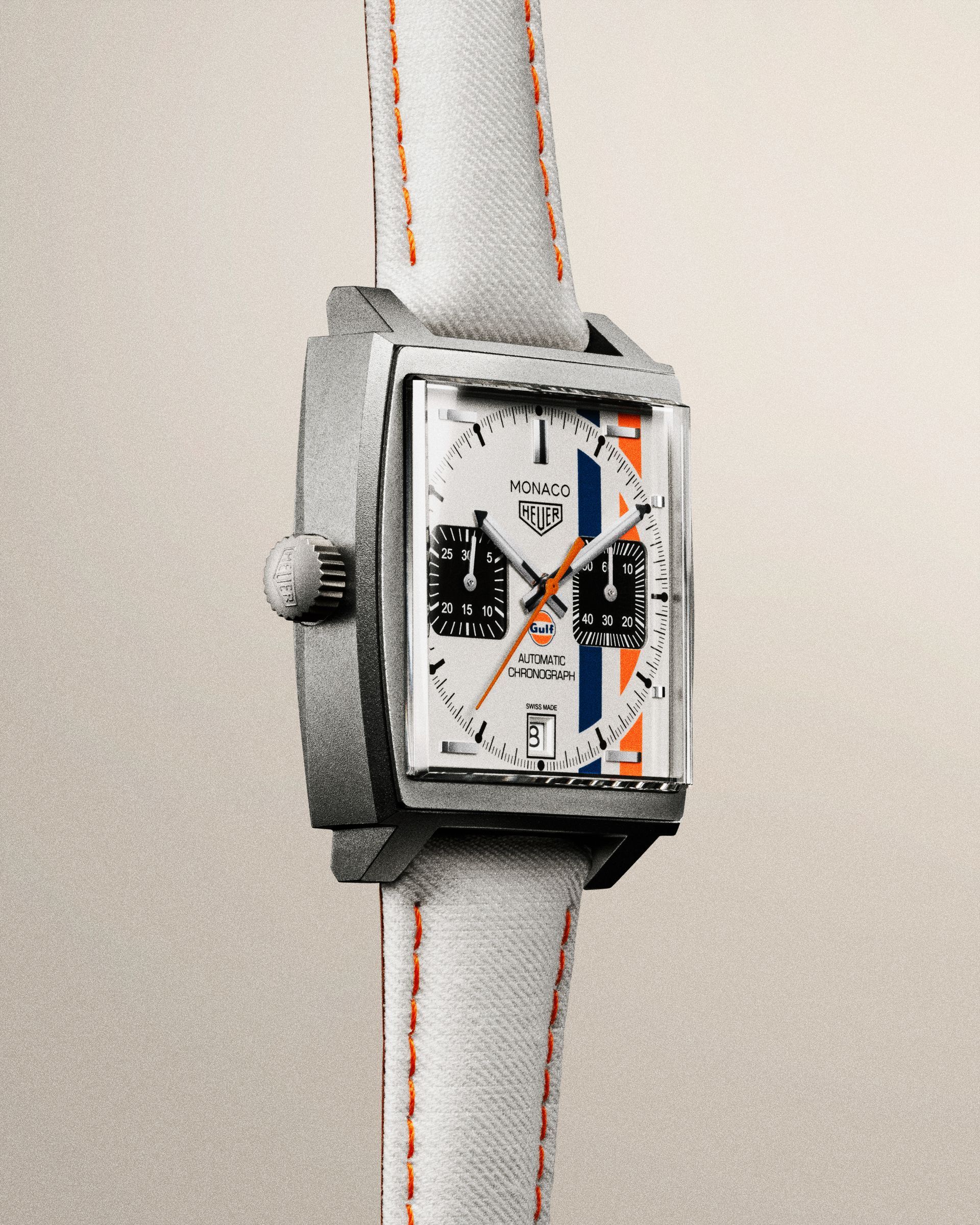
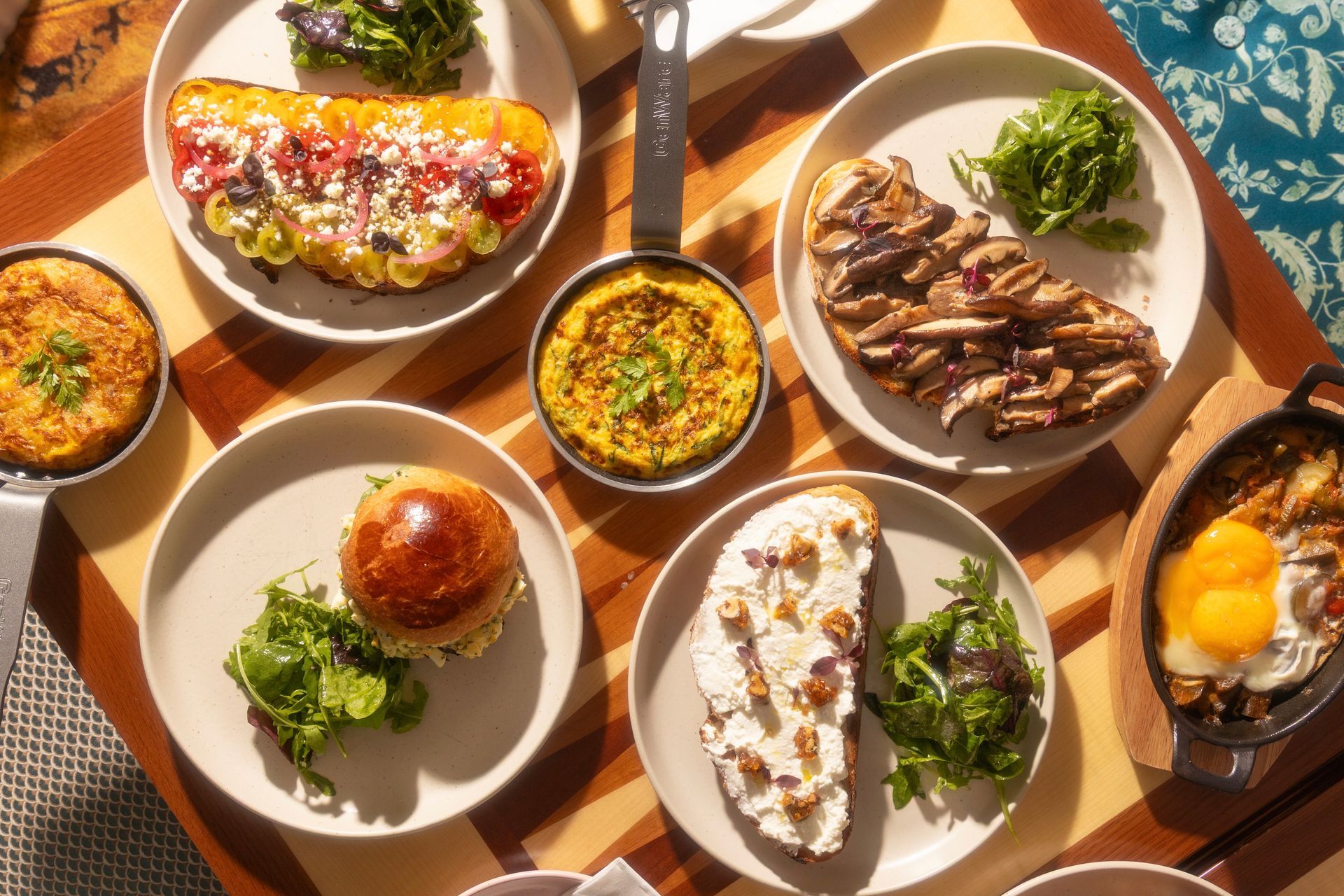
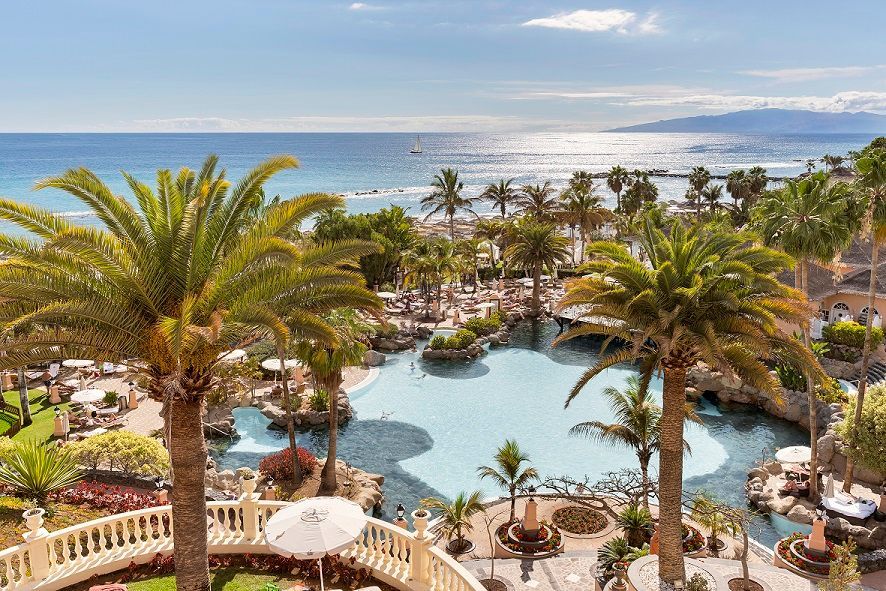
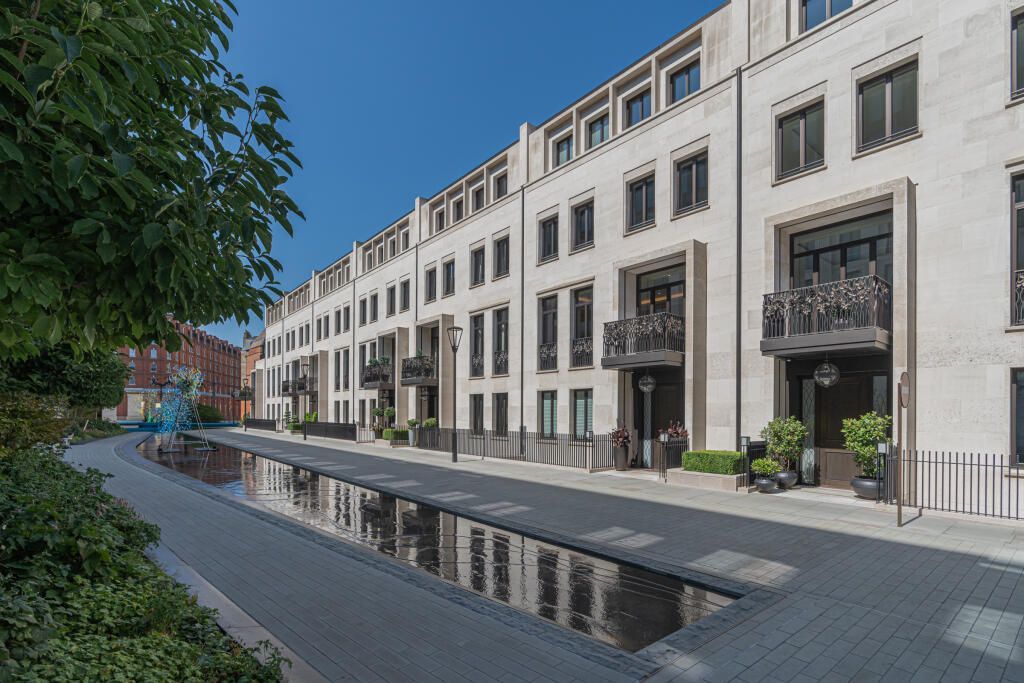
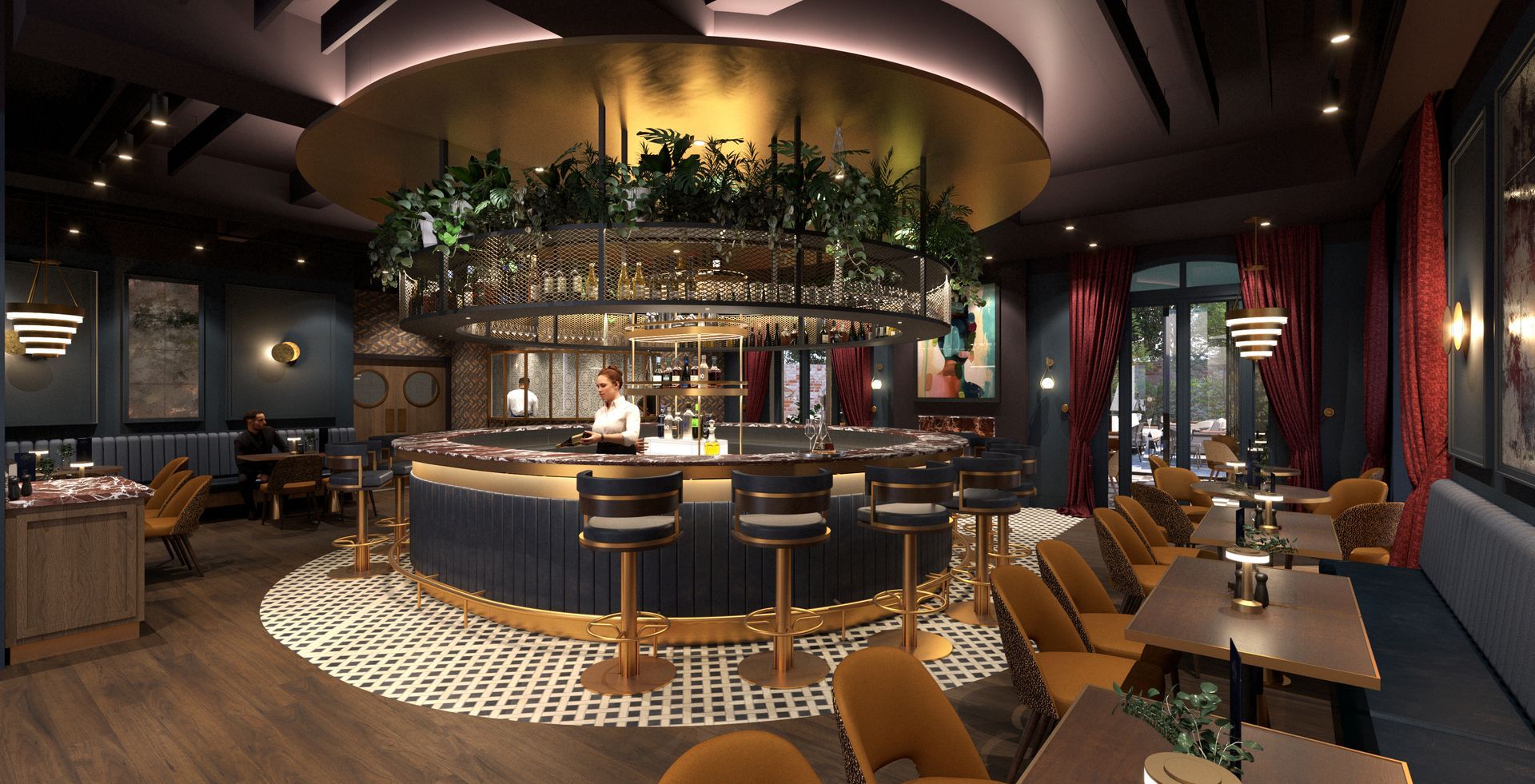
The historic Royal Bell reopens as Bromley’s new multi purpose venue with co-working, private members’ club & boutique hotel
By The Gentleman Magazine

DIVE INTO PARADISE AT THE WESTIN MALDIVES MIRIANDHOO RESORT THIS MANTA RAY SEASON
Button

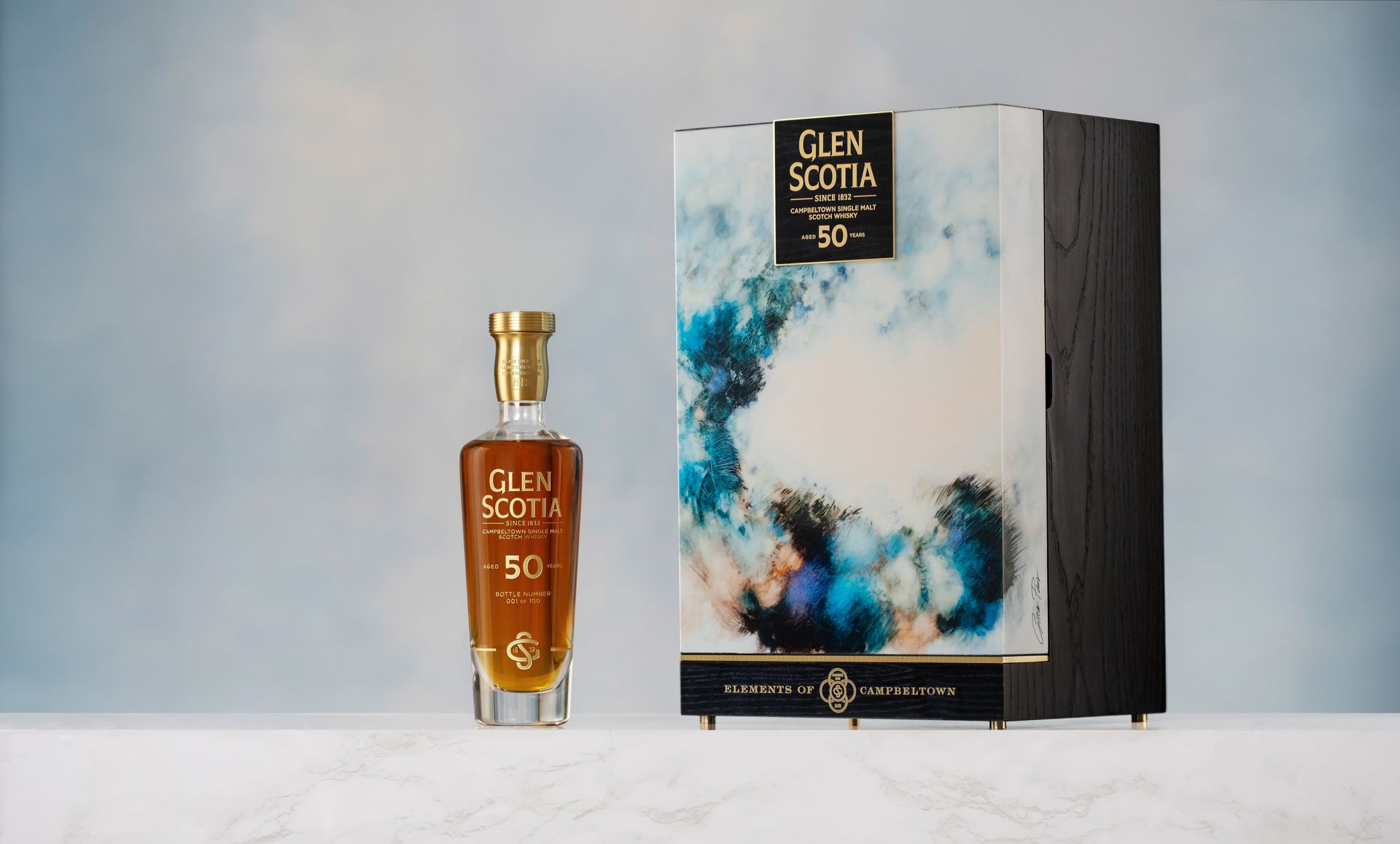
Unveiling Glen Scotia’s Oldest Ever Whisky The Elements of Campbeltown Collection Release Number One: Air
By The Gentleman Magazine
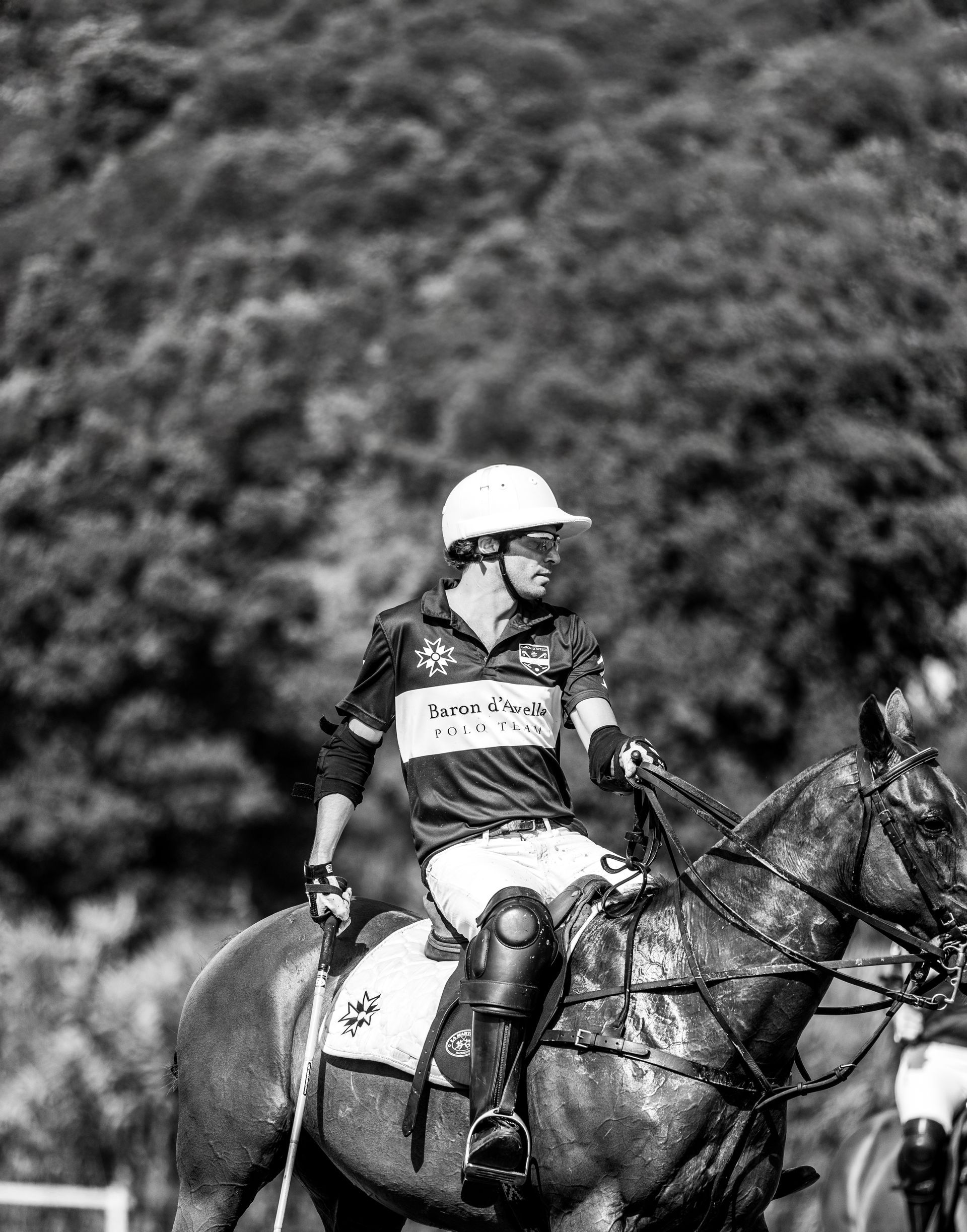
"Inside the world of Baron d'Avella: Handcrafted in Silence, Shared among Collectors."
By The Gentleman Magazine
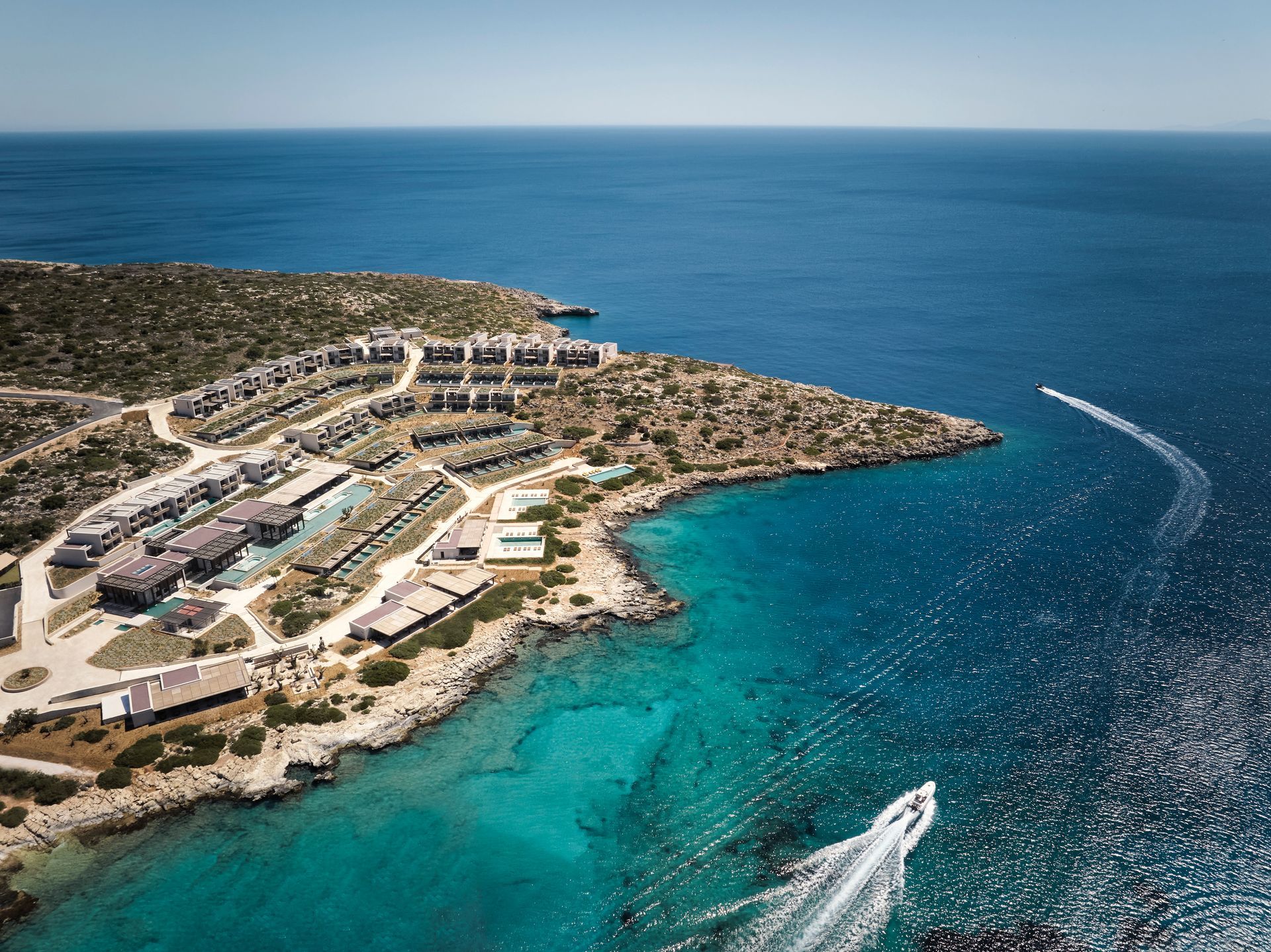

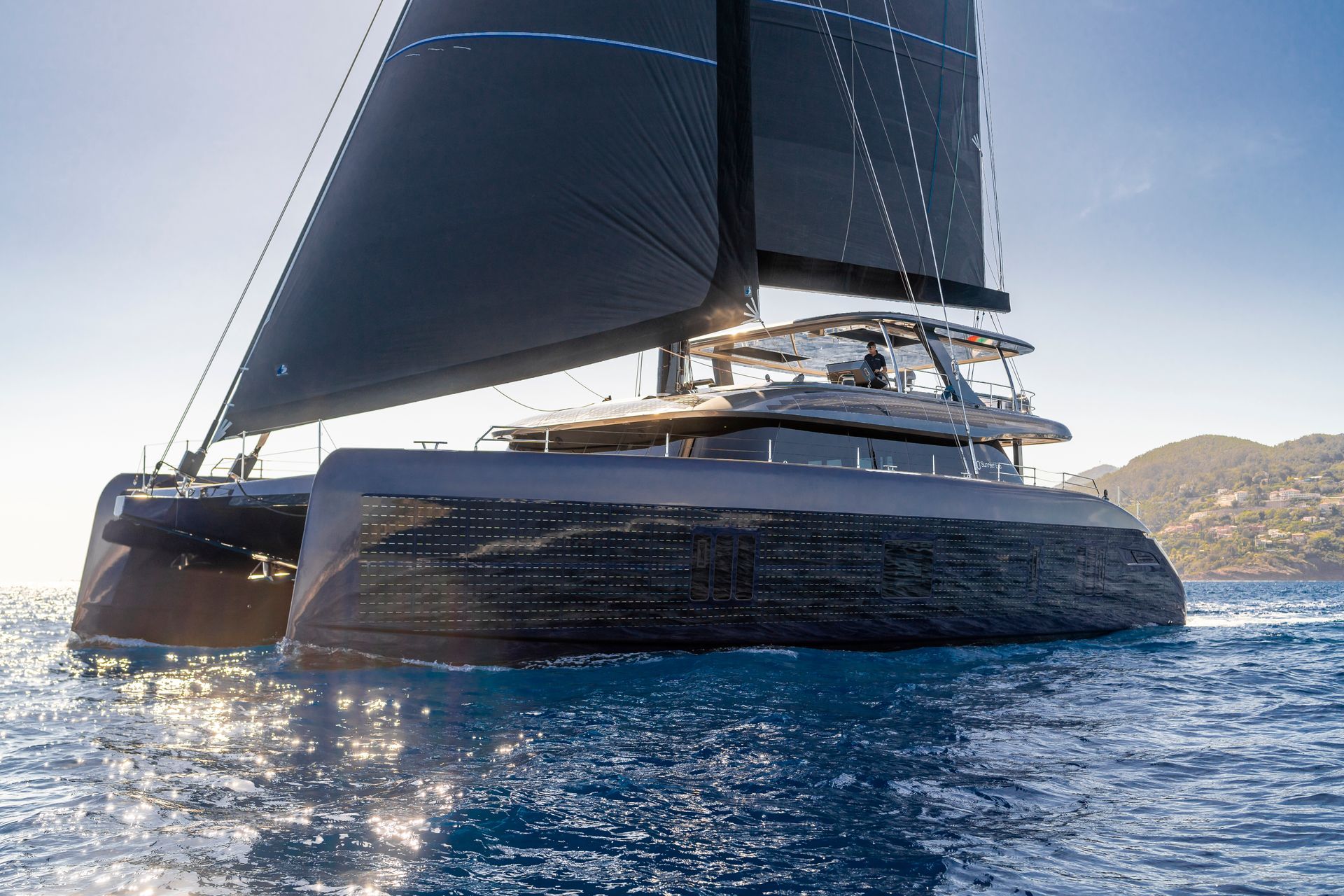
Sunreef Yachts Introduces Solar Skin 3.0 AI-powered solar innovation delivering unmatched efficiency on the water
Button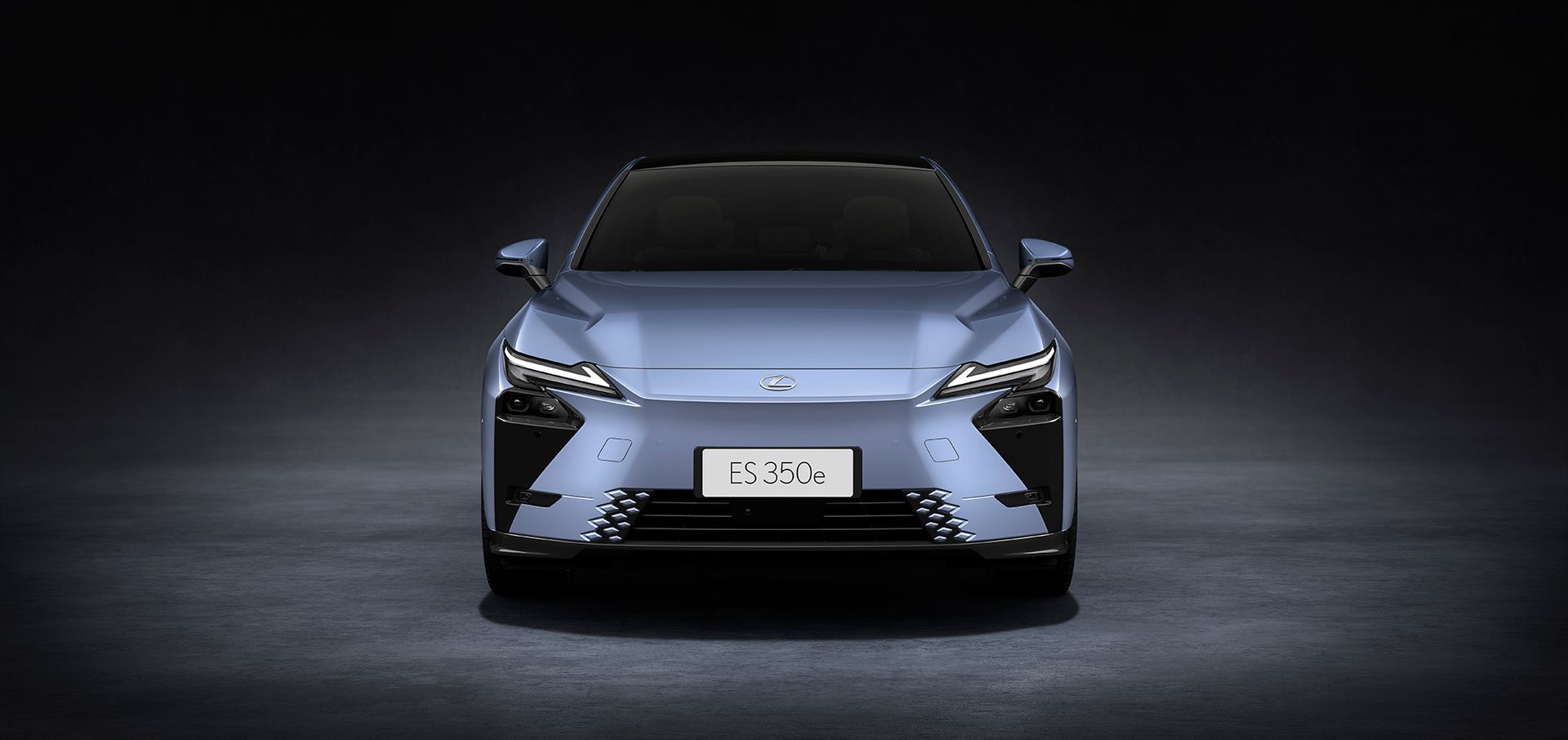
All-new Lexus ES takes saloon styling, luxury and refinement to a higher level
By The Gentleman Magazine
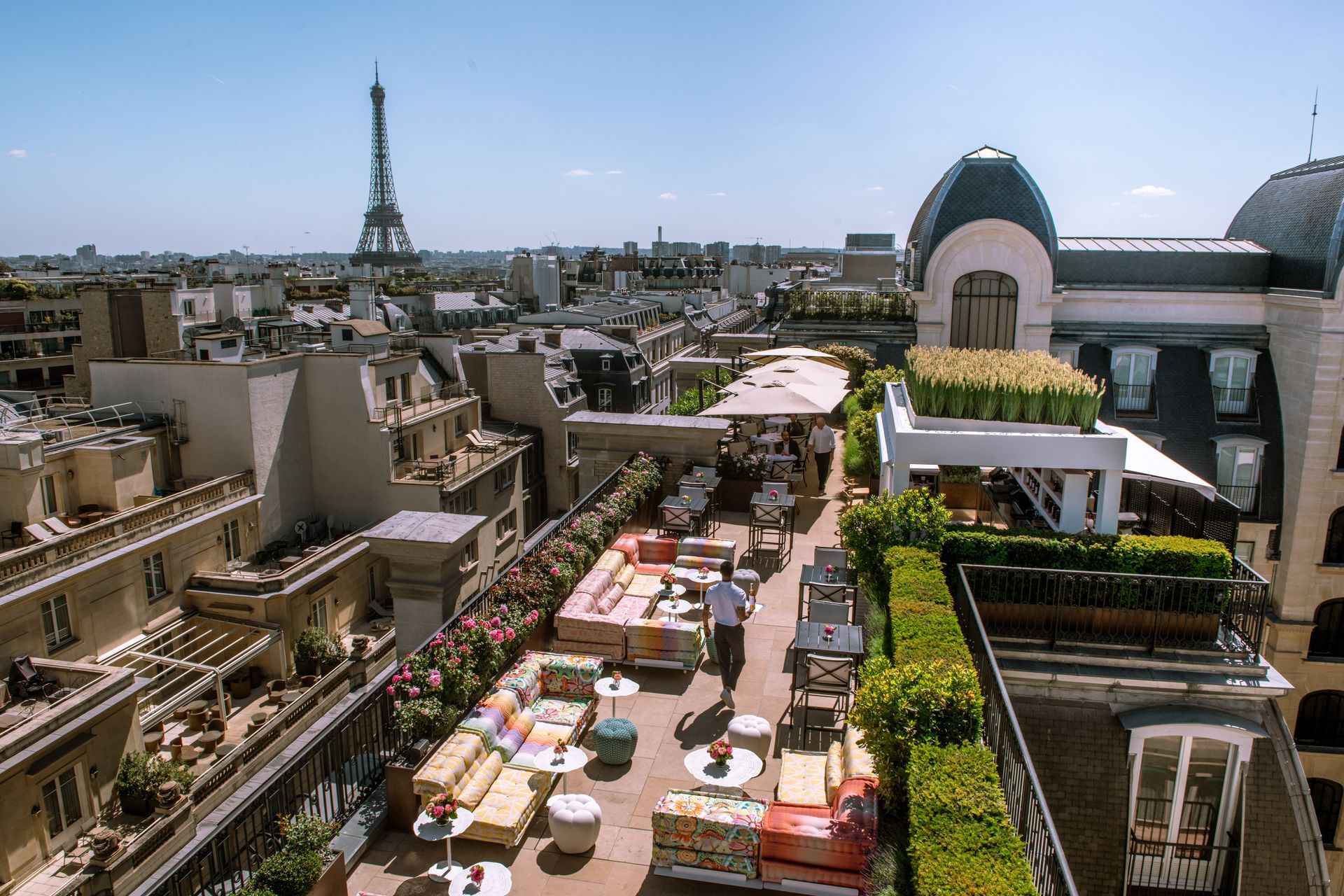


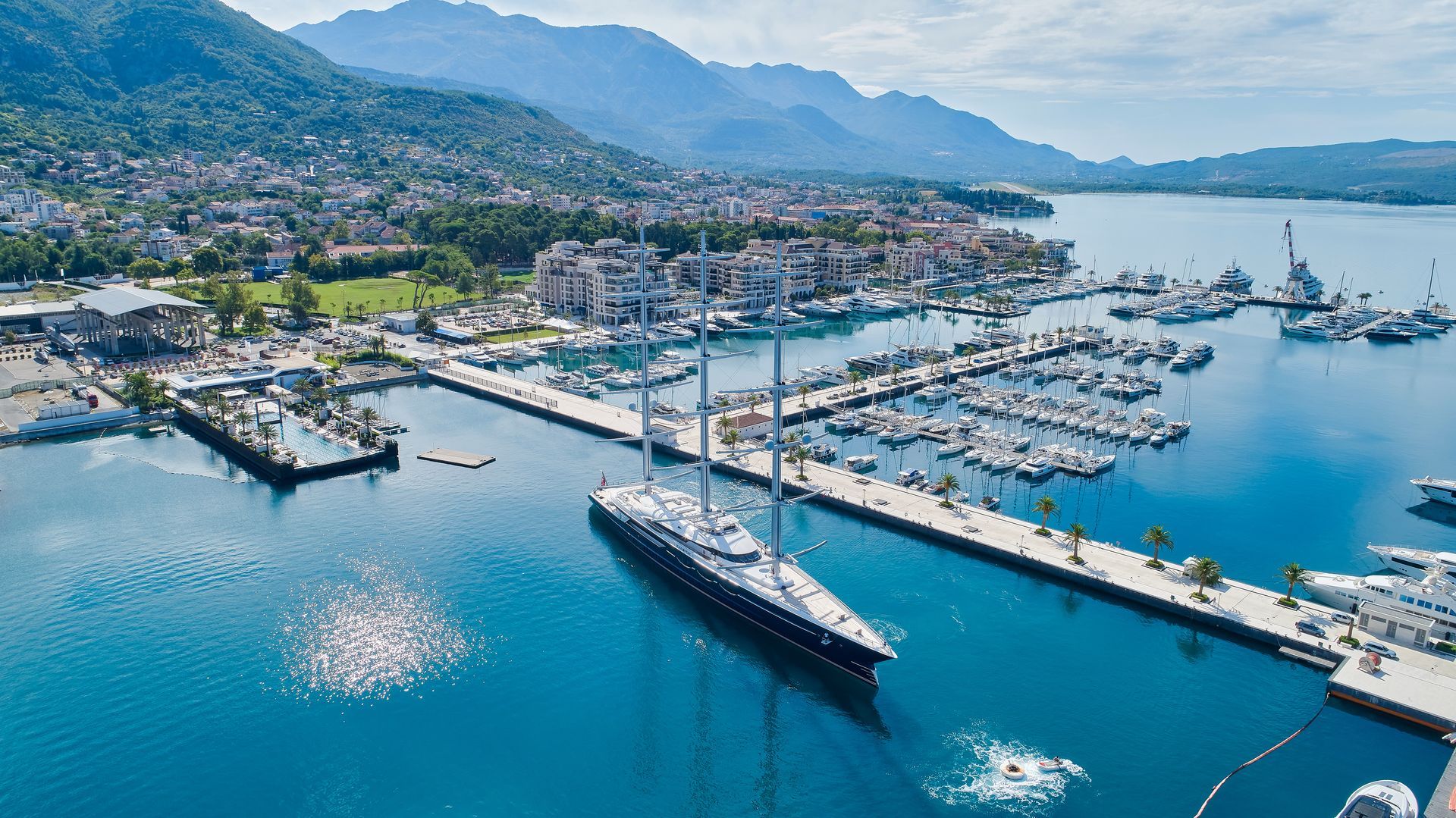
Sunset Hospitality Group Expands to Montenegro with Four New Venues opening in Porto Montenegro
By The Gentleman Magazine

50 years of the iconic Seafood Restaurant in Padstow: The Jack & Charlie Stein Q&A
By The Gentleman Magazine

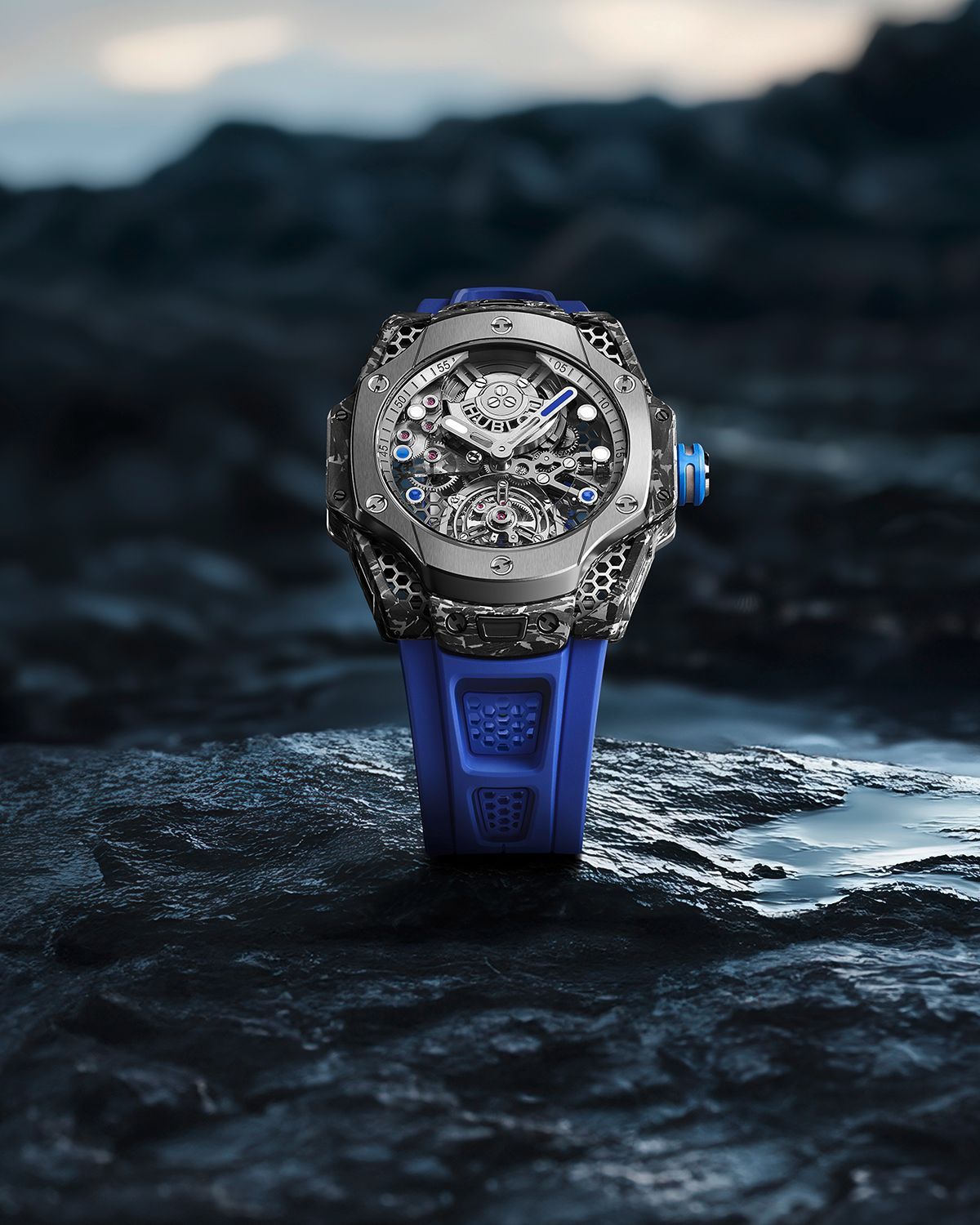

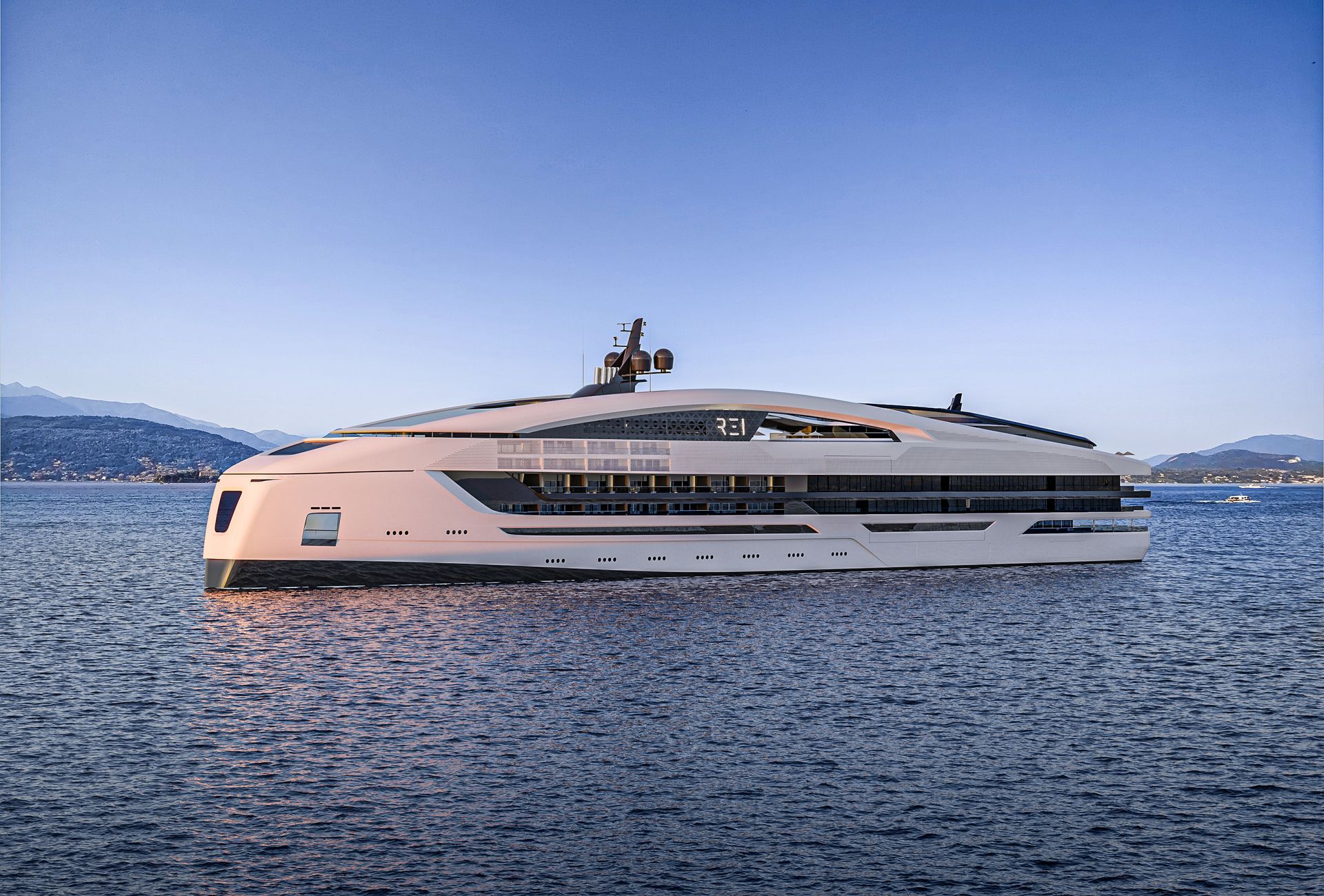

KAMM Announces 912c Targa With Exclusive Launch Model
By The Gentleman Magazine
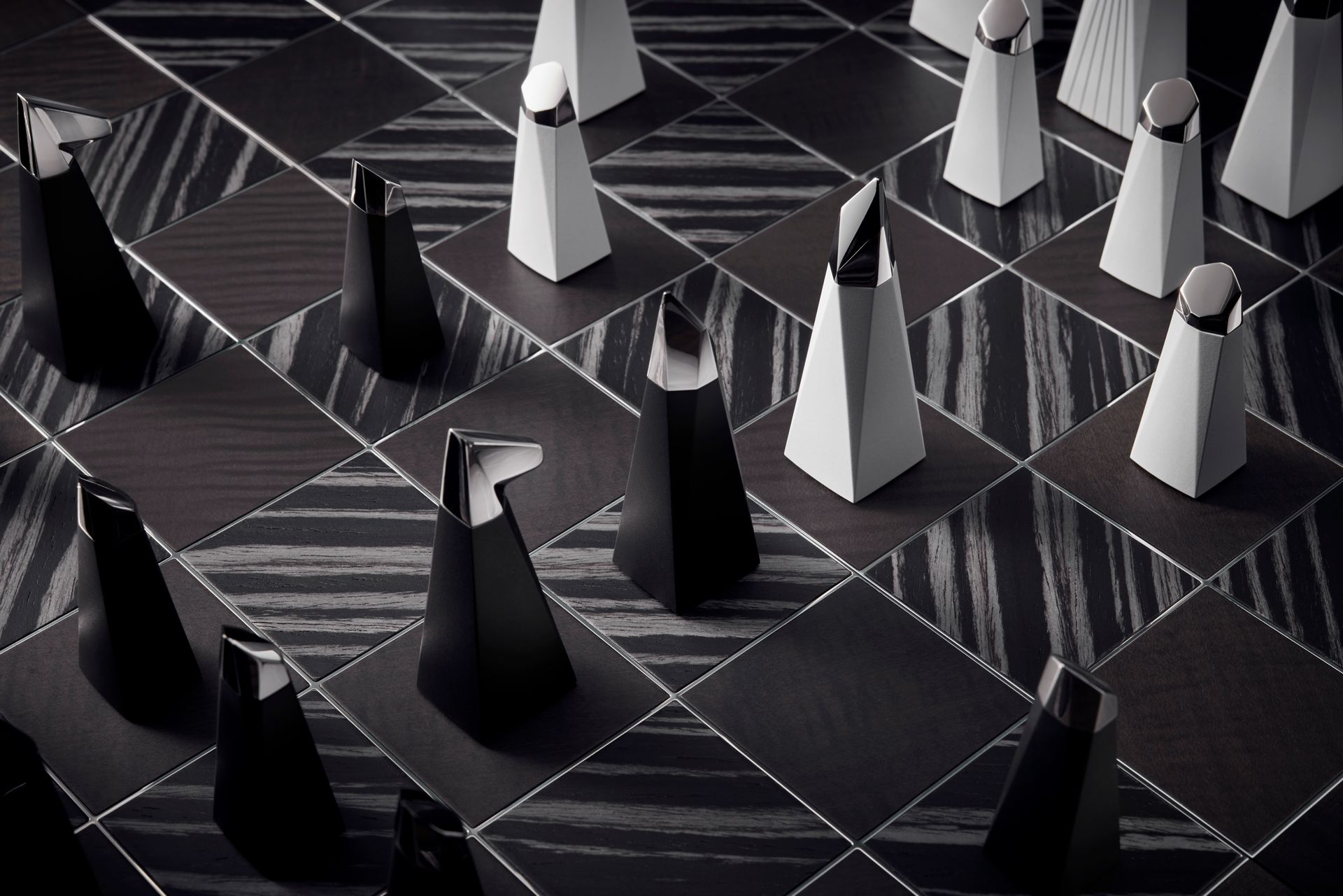
THE GRANDMASTER’S CHOICE: INTRODUCING THE ROLLS-ROYCE CHESS SET
Button
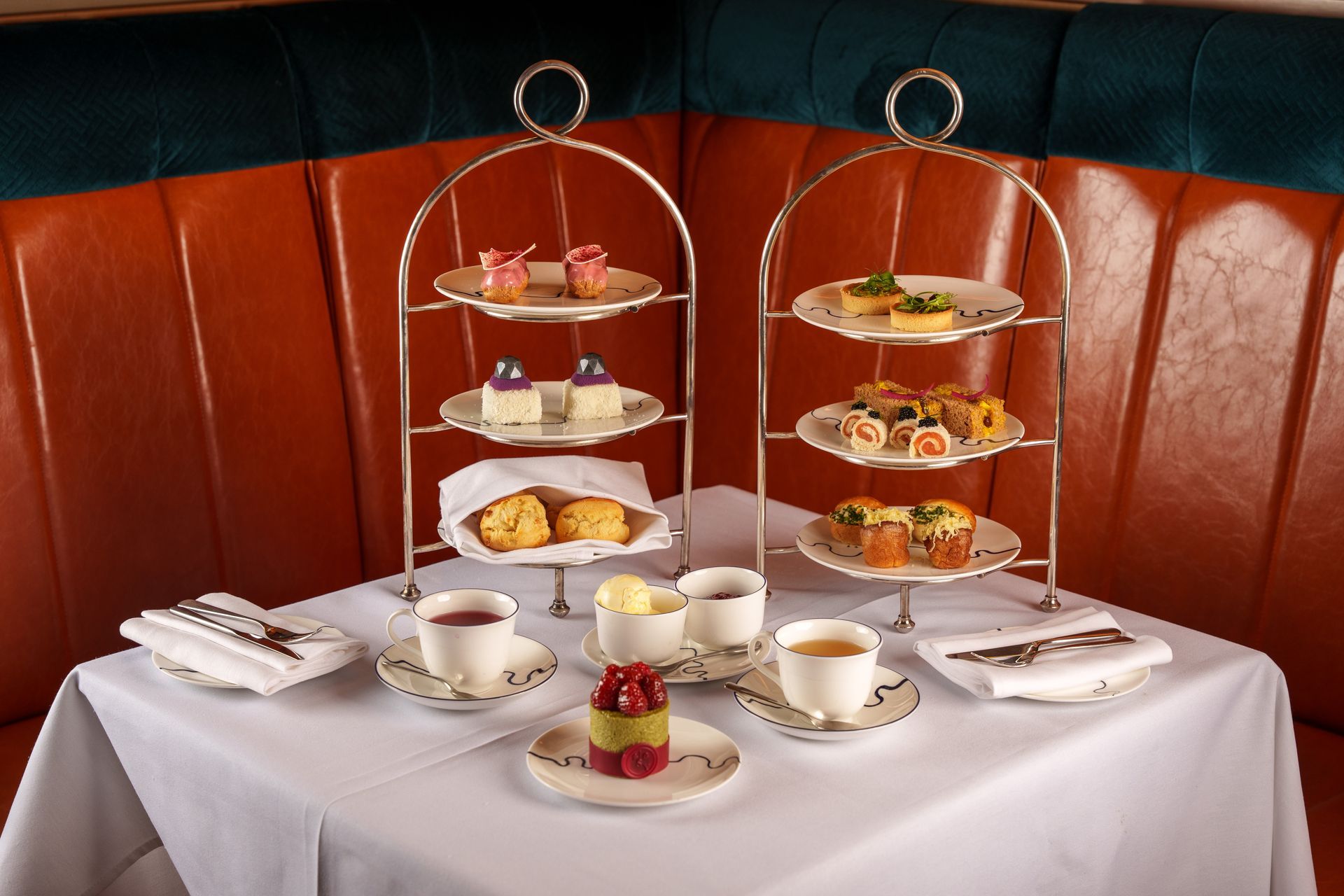
NEW SPRING AFTERNOON TEA AT GREAT SCOTLAND YARD HOTEL, IN PARTNERSHIP WITH JO LOVES & VEUVE CLICQUOT
Button
A Bold Reimagining: The Glenrothes Unveils The 51
Button
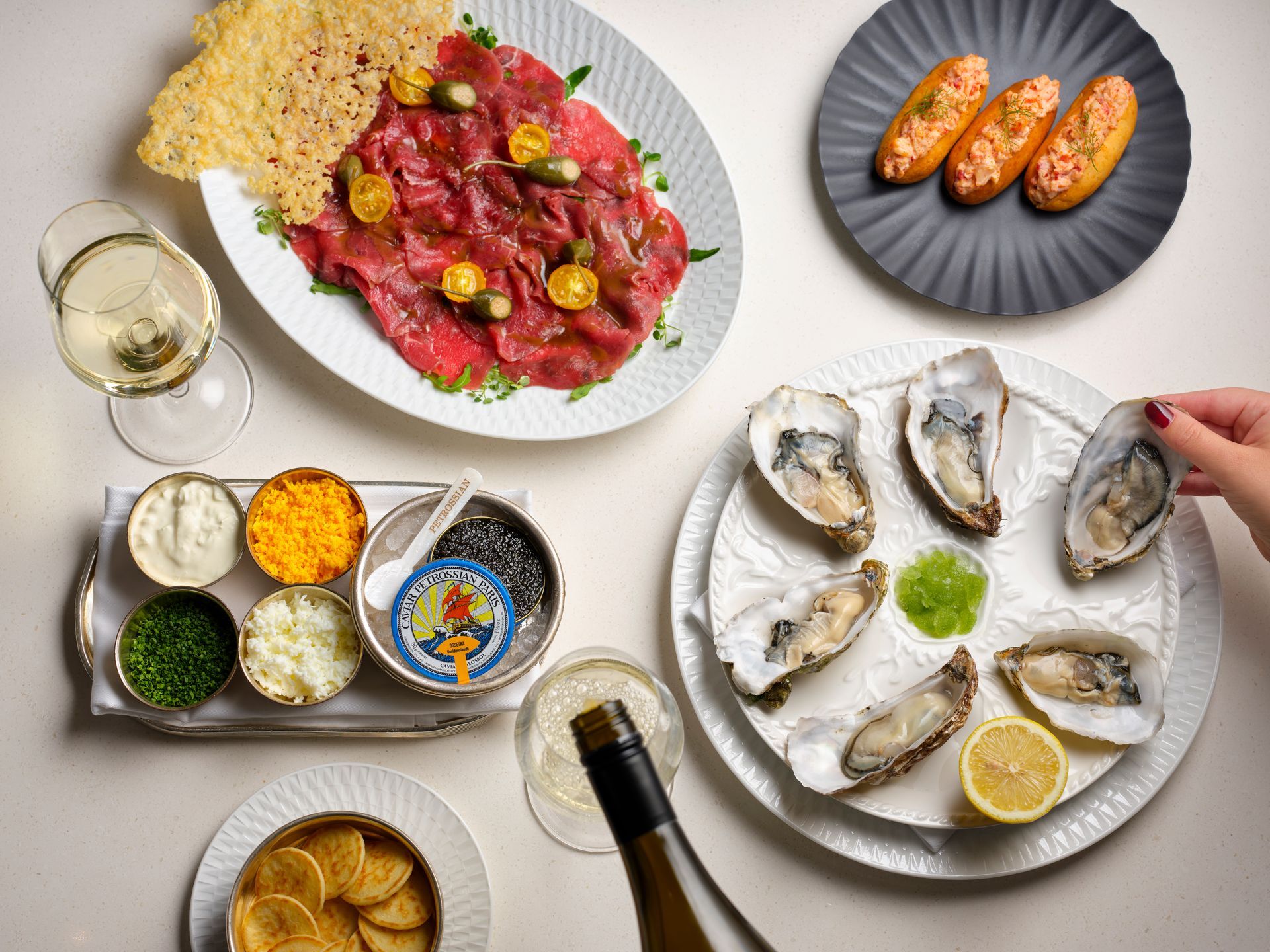

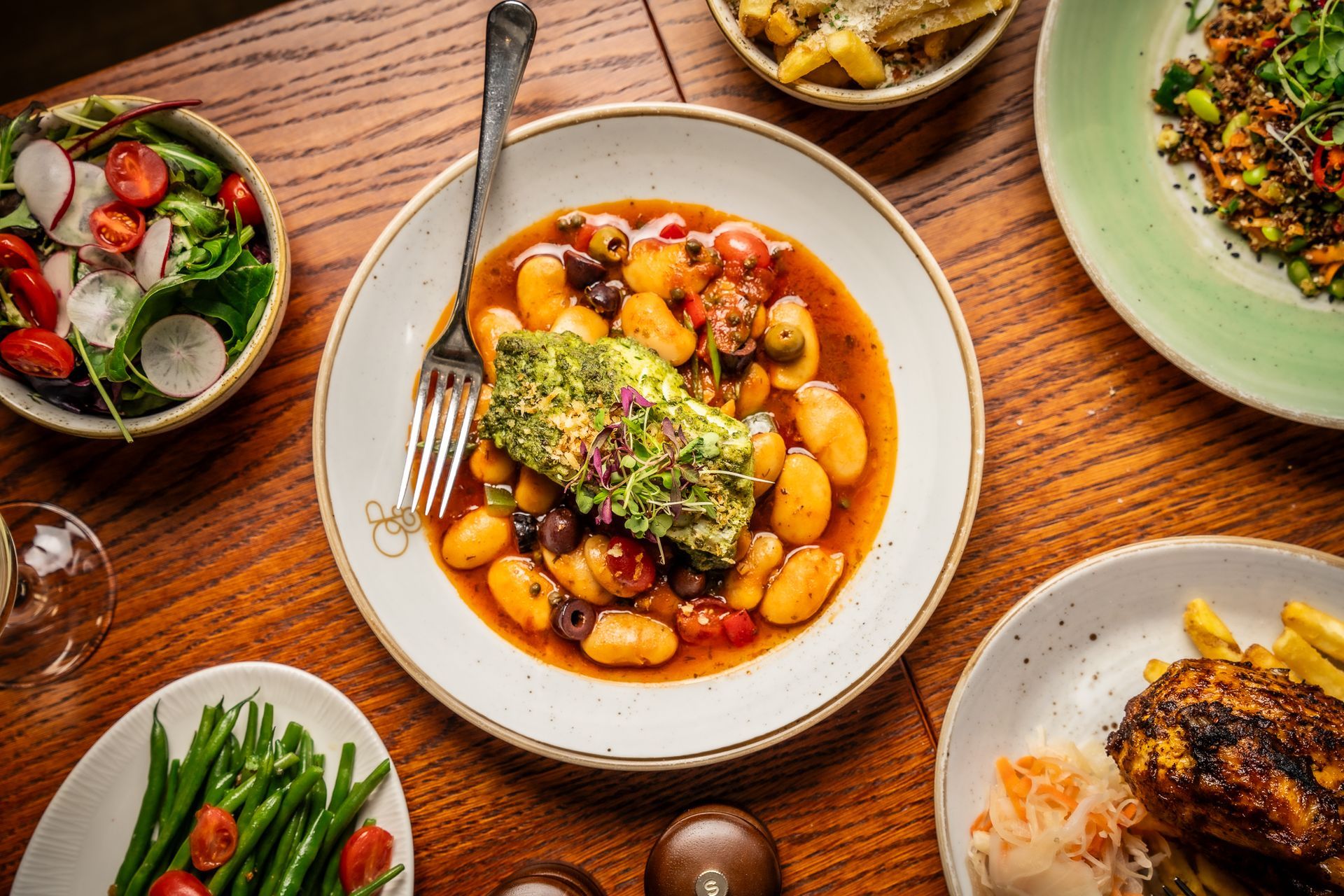
The Cardinal Bar & Kitchen Launches its First Menu Led Exclusively by their New Executive Head Chef, Glen Padiyar
Button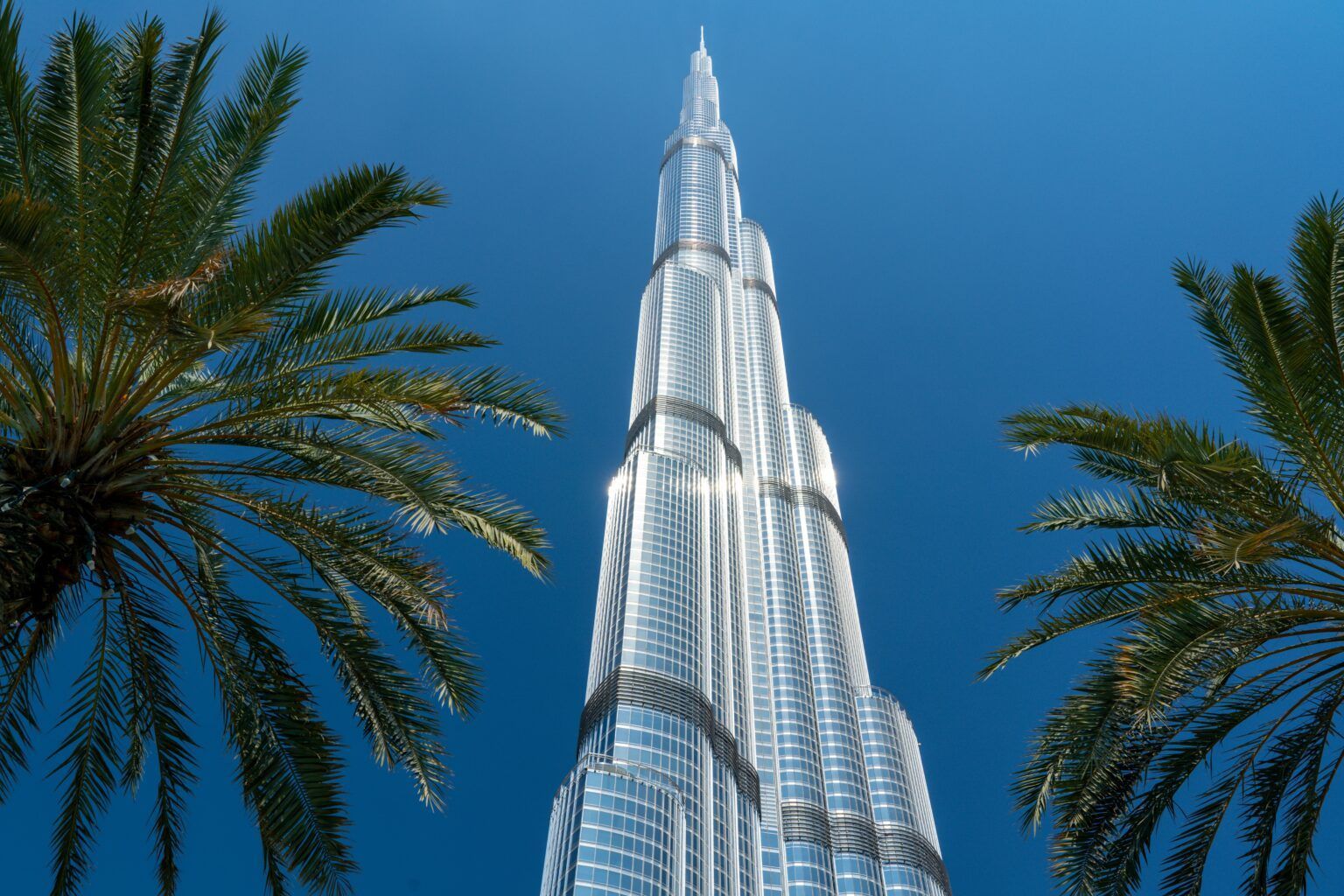
Unveiling the Grandeur of the Burj Khalifa
By The Gentleman Magazine
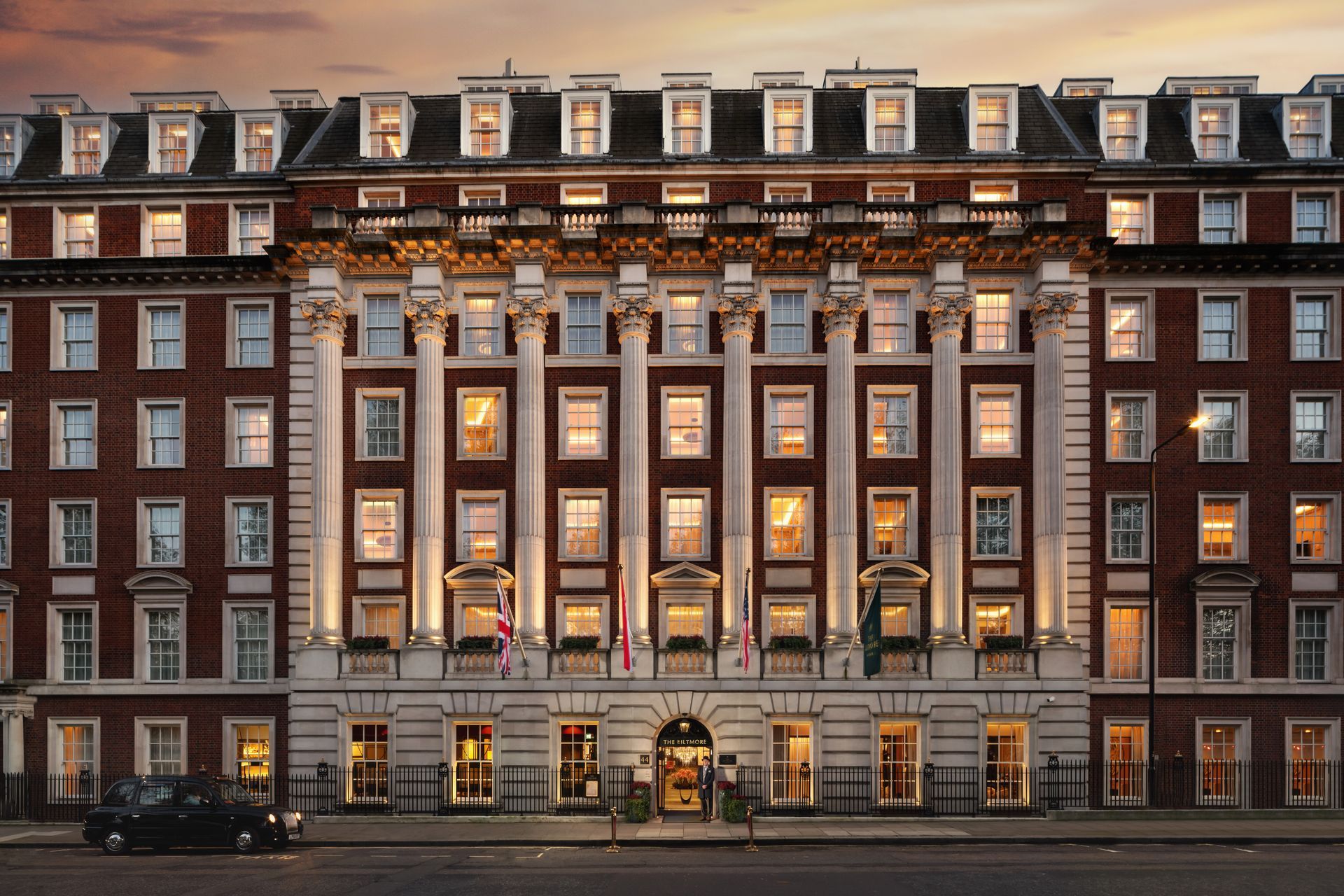
REVIEW OF THE GUARDSMAN
By The Gentleman Magazine

Interview with Executive Chef Fabio De Paolis, at Hithe + Seek
By The Gentleman Magazine
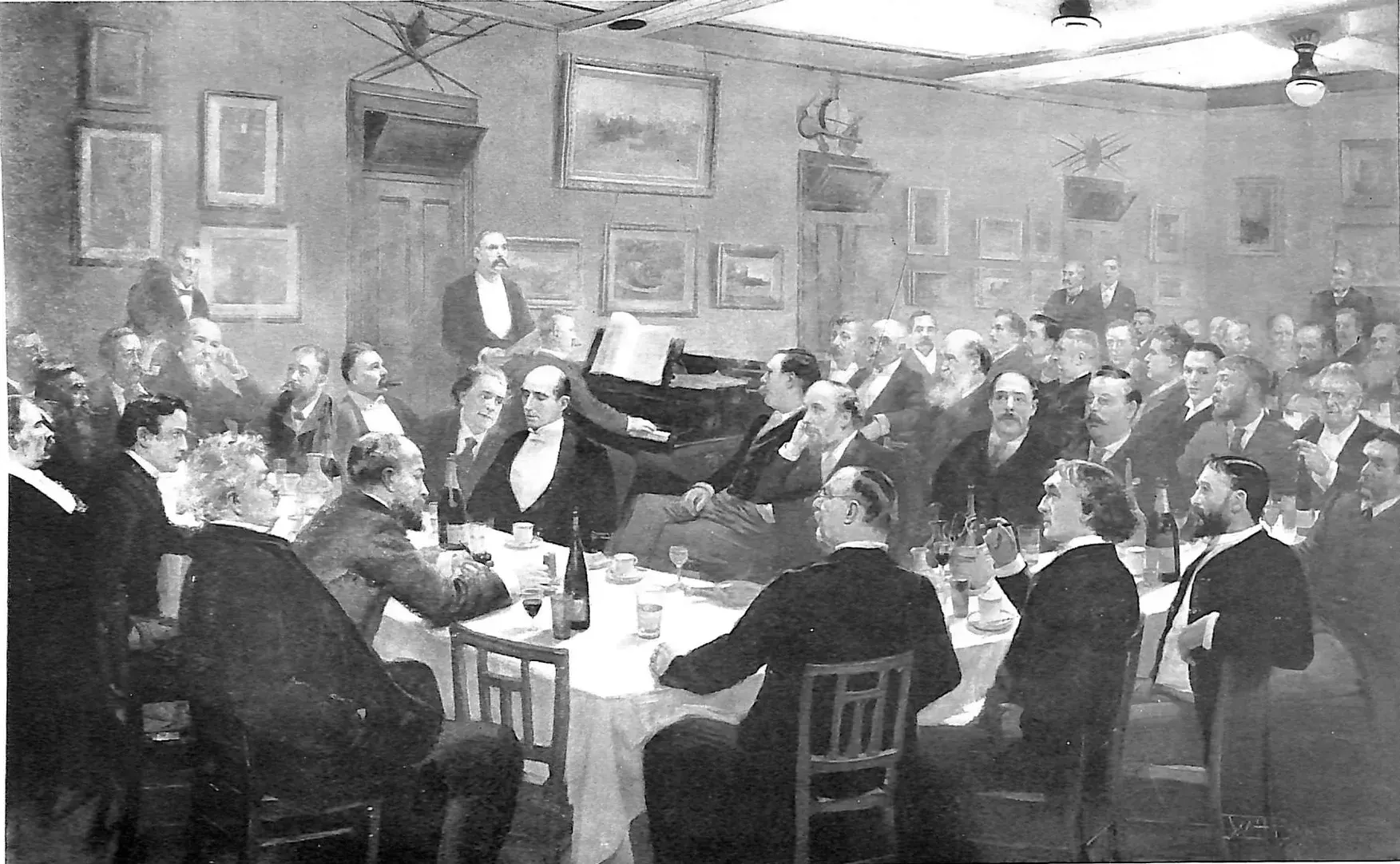
The Savage Club Unveiling the Hidden Gem of London's Bohemian Aristocracy
By The Gentleman Magazine
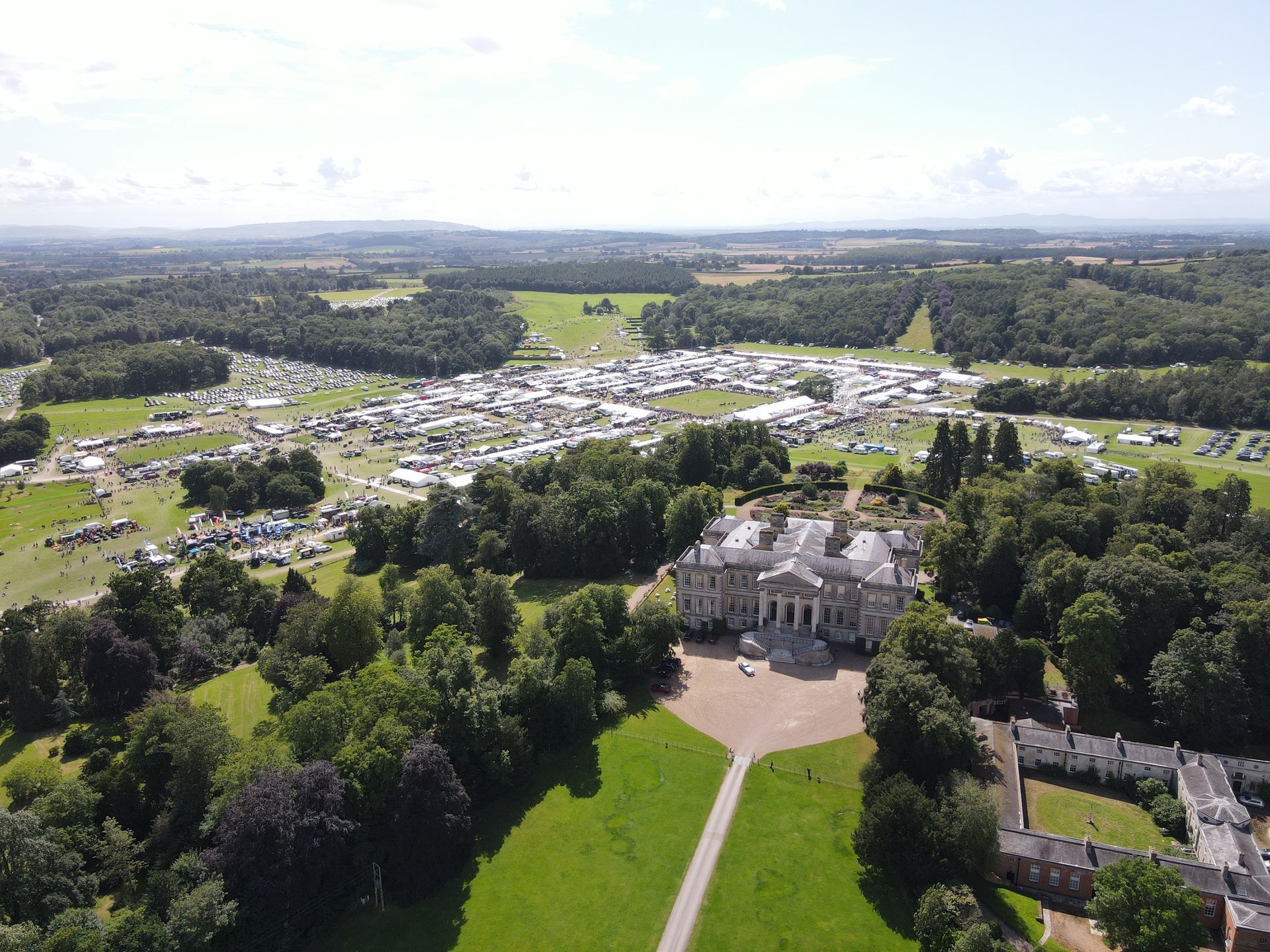
TICKETS ON SALE FOR THE GAME FAIR AS IT RETURNS TO RAGLEY WITH A NEW POP-UP CAMPSITE
By The Gentleman Magazine

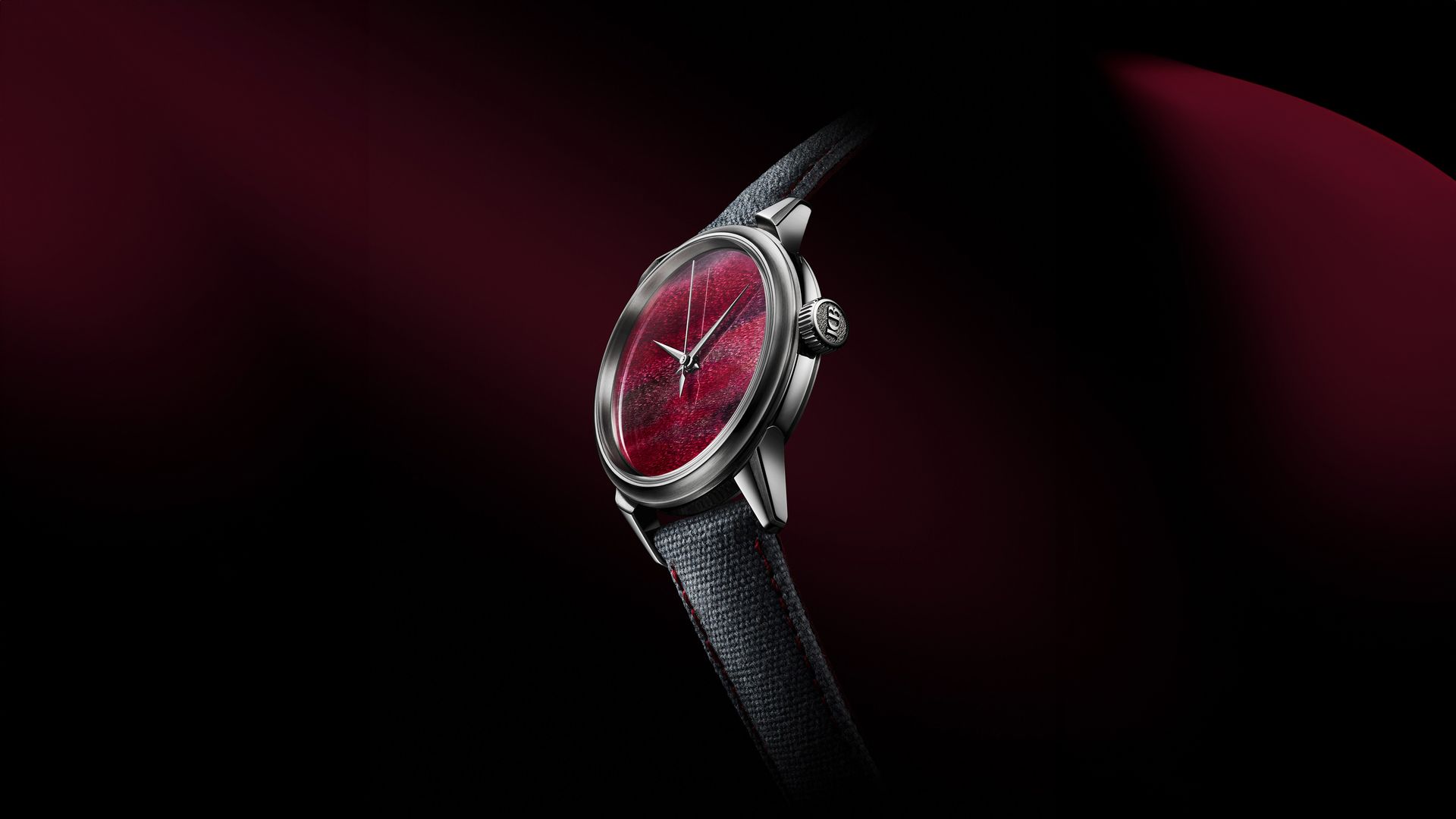
Biver partners with Swiss artist Guillaume Ehinger
By The Gentleman Magazine
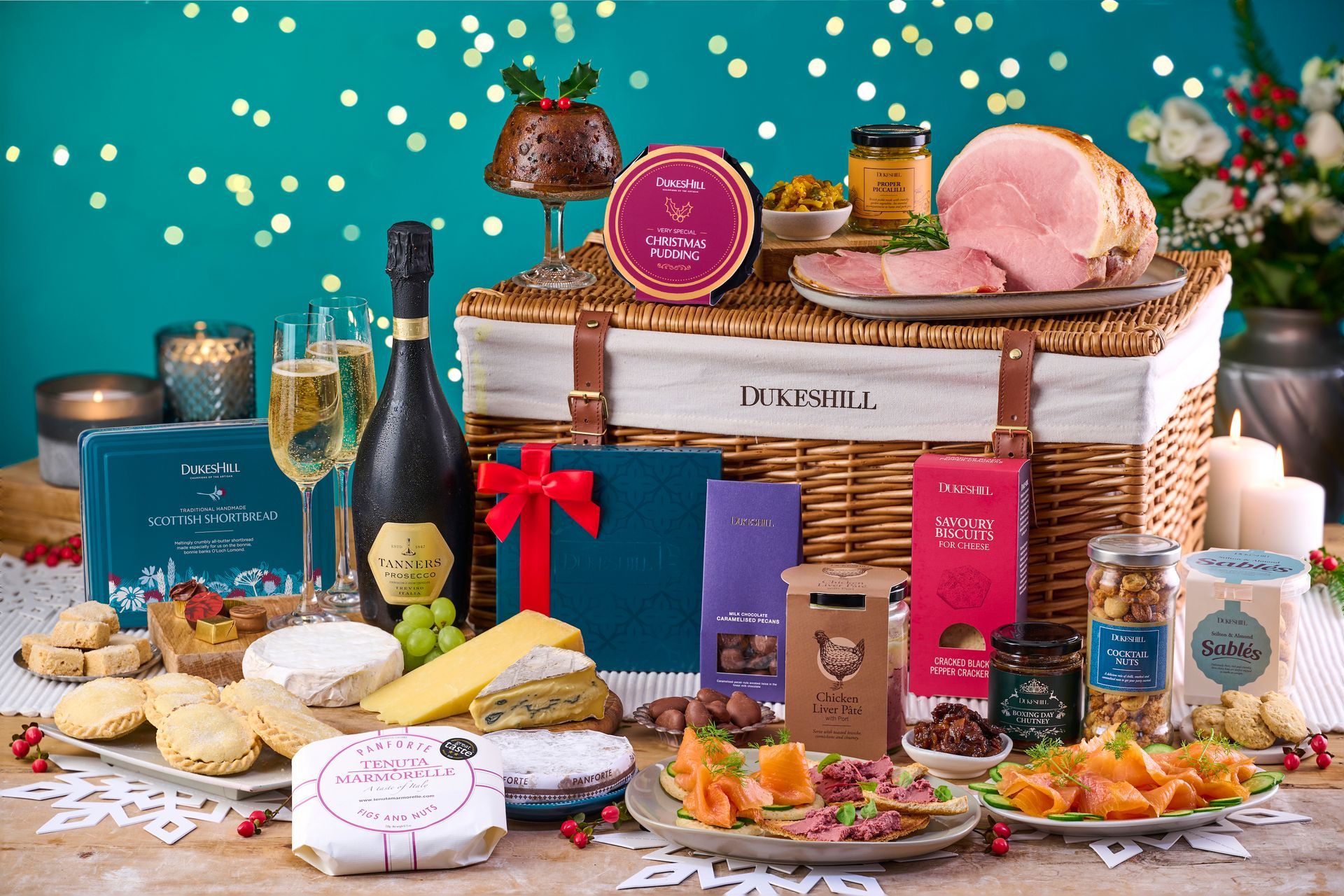
Eat, drink and be merry: Artisan Christmas Hampers from DukesHill
By The Gentleman Magazine
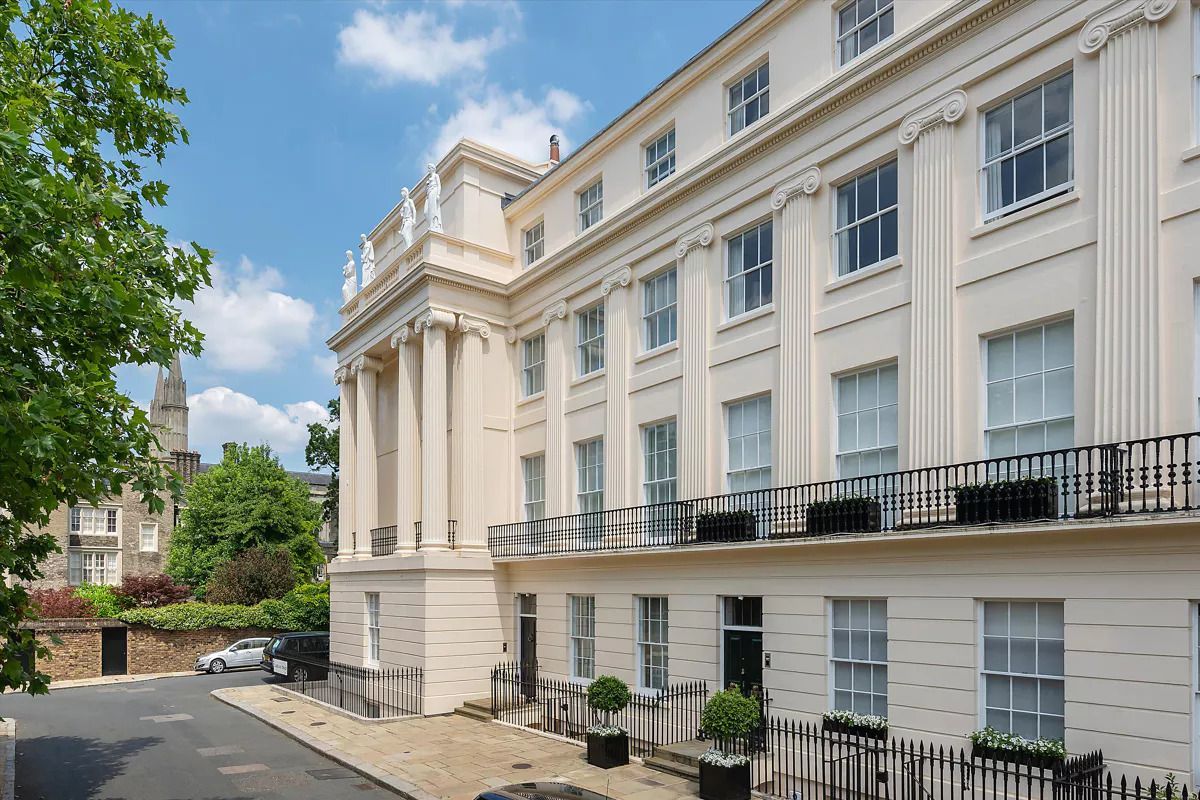


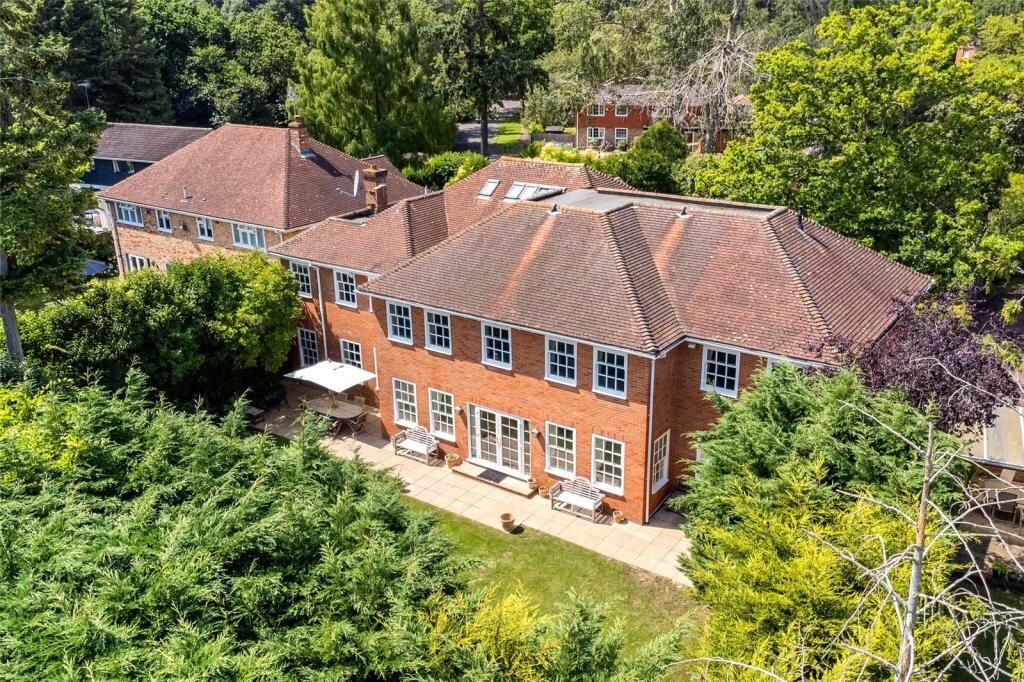
Indulge in Opulent Living at The Bear House, St Leonards Hill, Windsor for £3,500,000
By The Gentleman Magazine
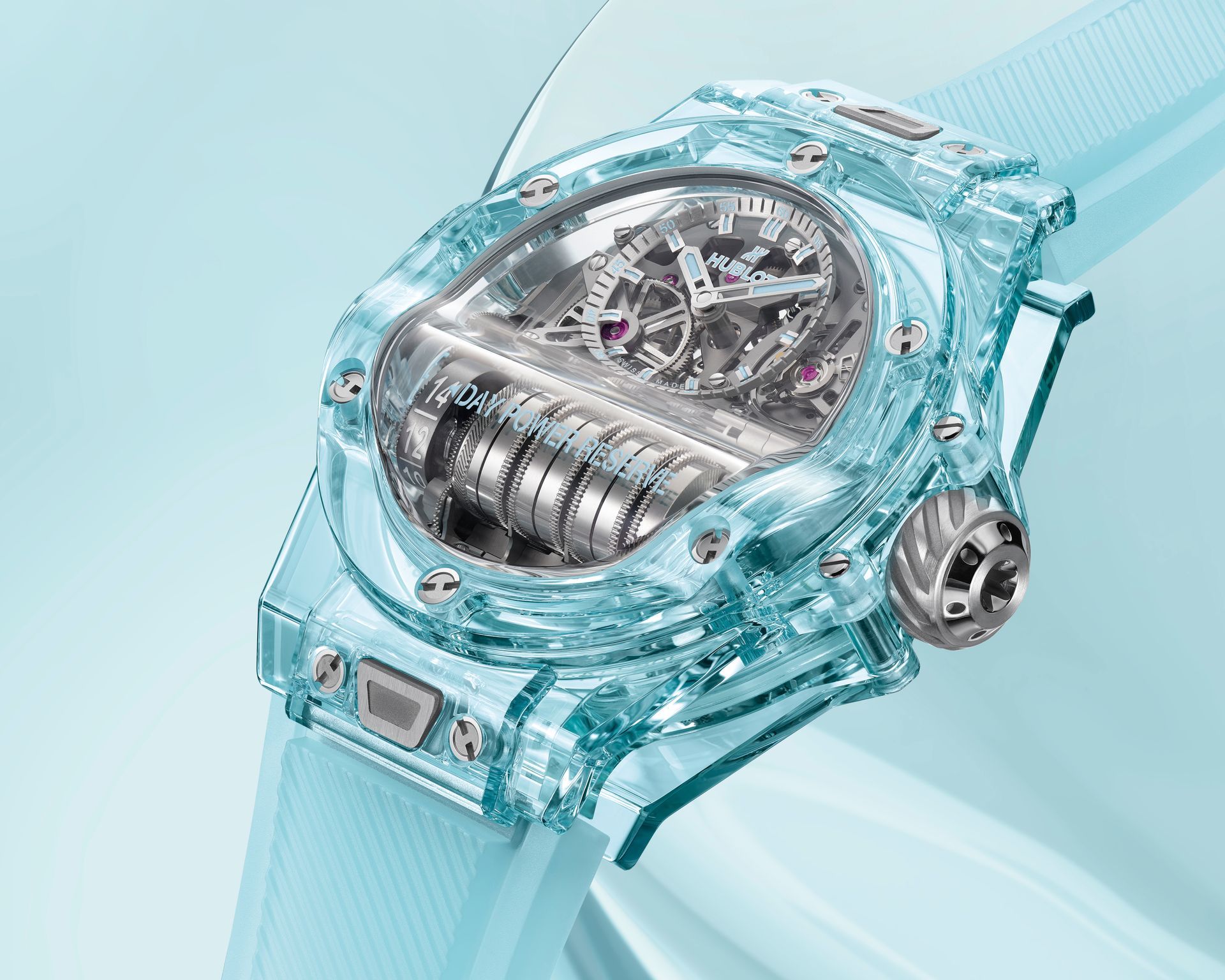
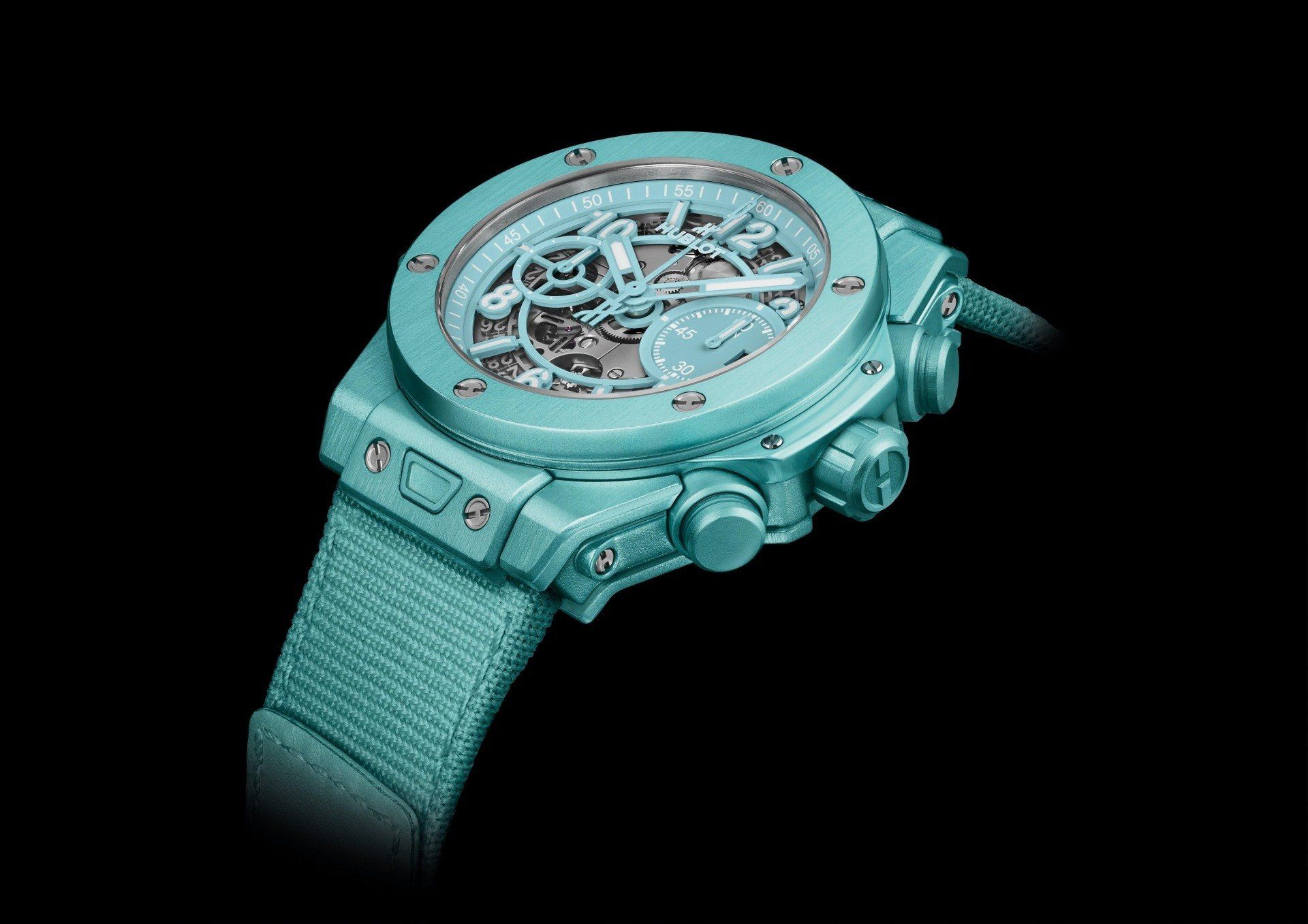
Hublot's Big Bang Mp-11 14-Day Power Reserve Water Blue Sapphire
By The Gentleman Magazine


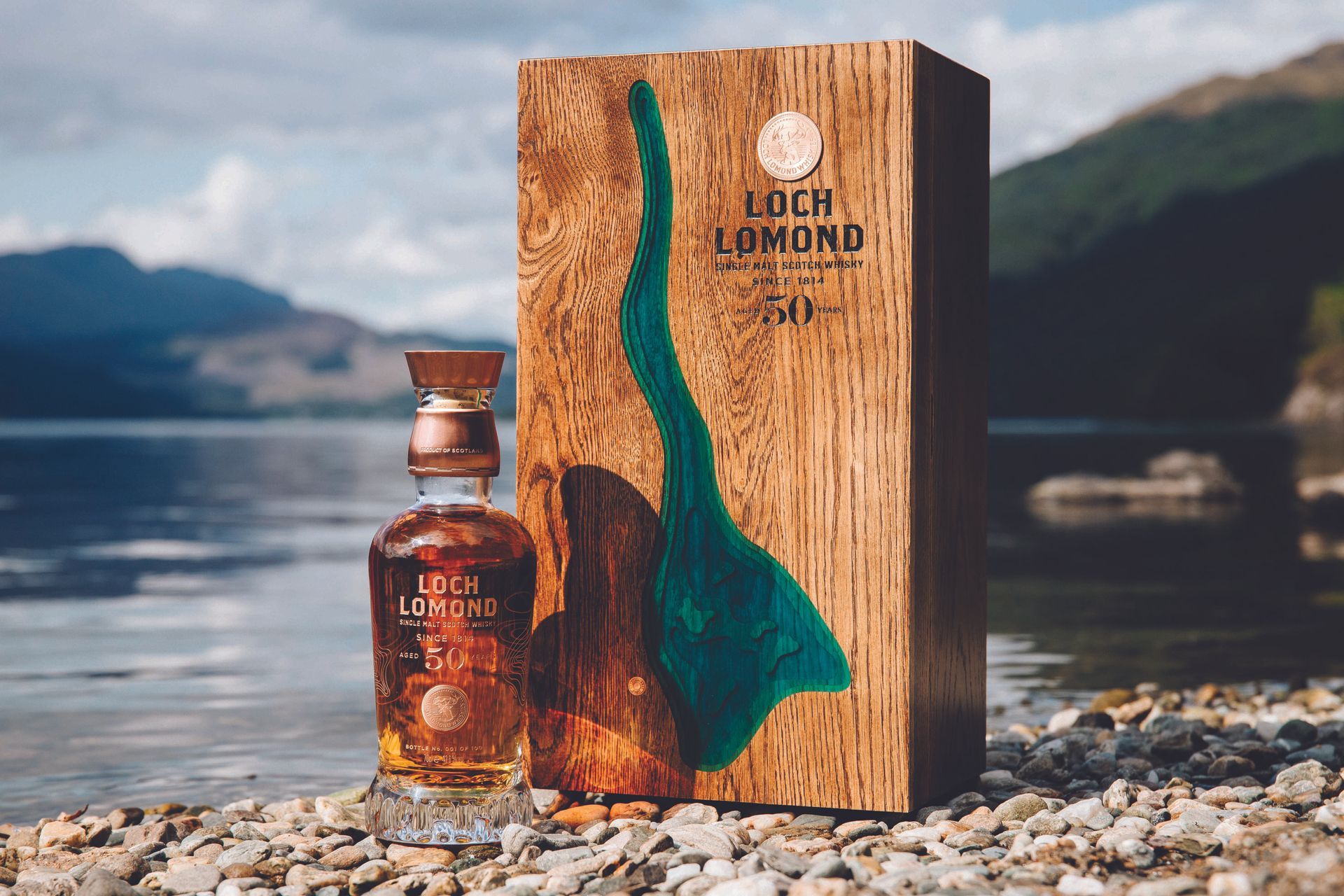
Chapman Lodge, Wimbledon: £2,450,000 A Historic Haven of Elegance and Tranquility
By The Gentleman Magazine

IT’S GOT TO BE BROWN’S
By The Gentleman Magazine


The Chelsea Townhouse An Iconic Escape in the Heart of London
By The Gentleman Magazine

First Bespoke Limited Edition in India curated by Bentley Mulliner
By The Gentleman Magazine


Nobu Hotel London Portman Square Review
By The Gentleman Magazine
The Royal Horseguards Hotel
By The Gentleman Magazine


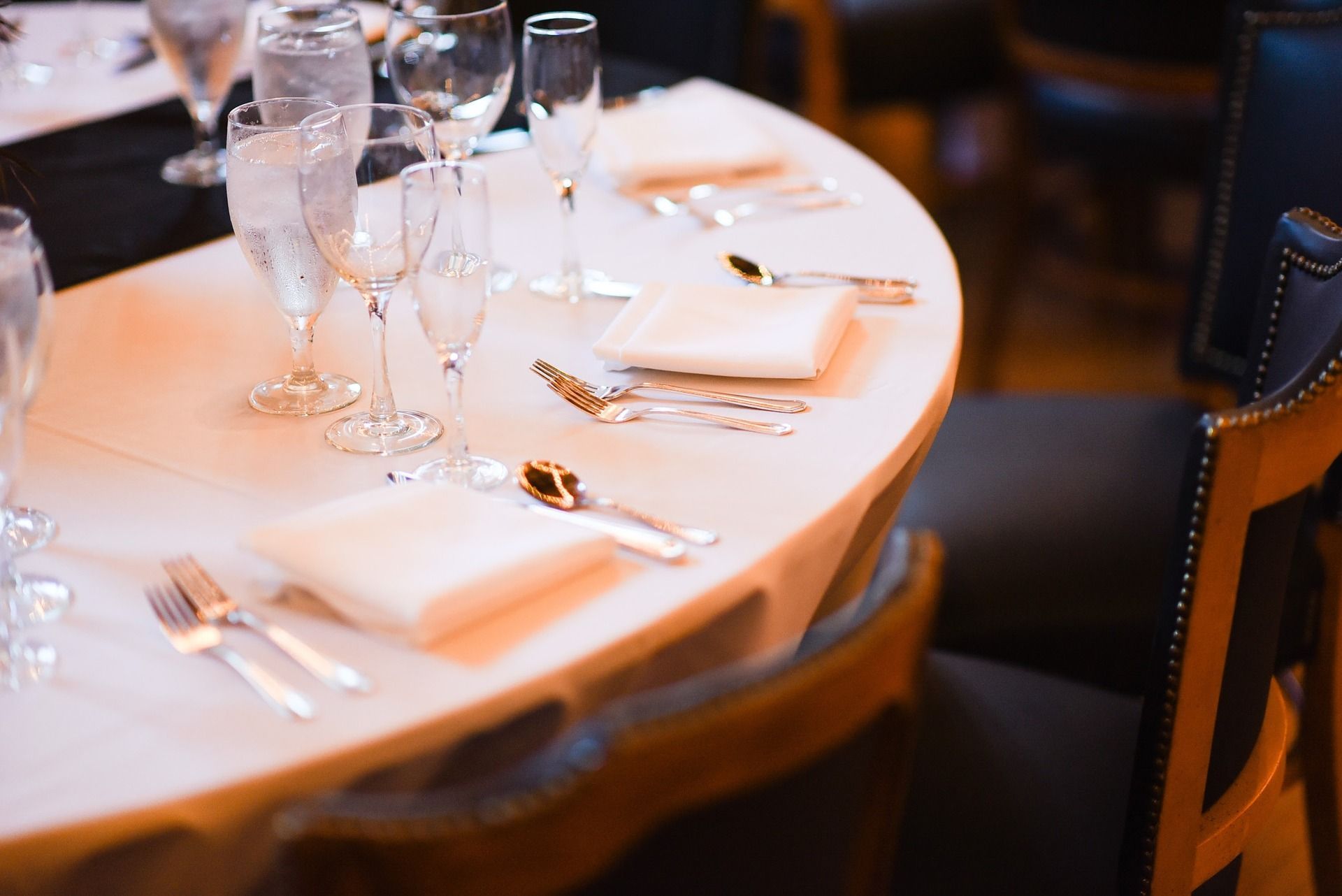
The Gentleman Magazine’s Comprehensive Guide to Impeccable Dining Etiquette
By The Gentleman Magazine

New Maserati GranCabrio
By The Gentleman Magazine


HUBLOT OPENS A DOOR TO THE FUTURE OF WATCHMAKING
By The Gentleman Magazine
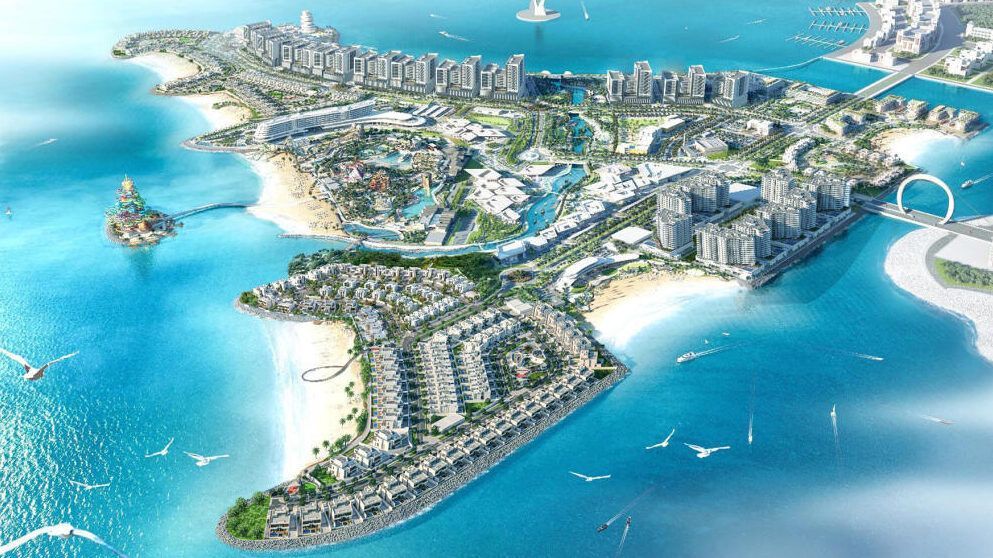
Qatar Real Estate: A Symphony of Luxury and Modernity
Button

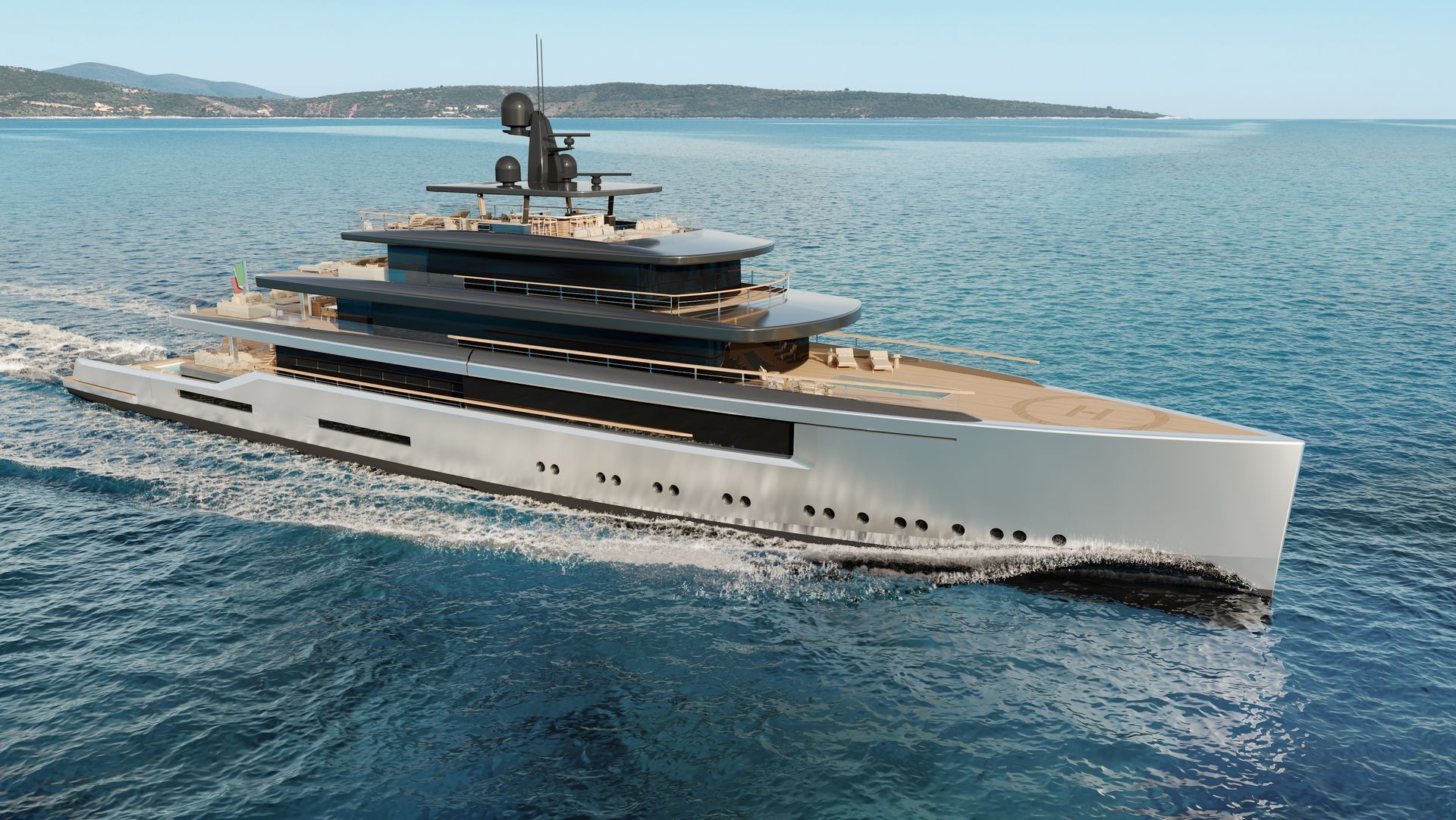

Rolls-Royce presents Cullinan Series II: a bold evolution of the world’s pre-eminent super-luxury SUV
By The Gentleman Magazine
Caspian Monarque: A gift from the Caspian Sea
By The Gentleman Magazine


A Genuine Time Machine: McLaren P1 ‘XP2R’ prototype launches the Sub7 Collection
By The Gentleman Magazine

BENTAYGA JOINS ‘THE PRESERVE’ SPORTING CLUB & RESIDENCES
By The Gentleman Magazine
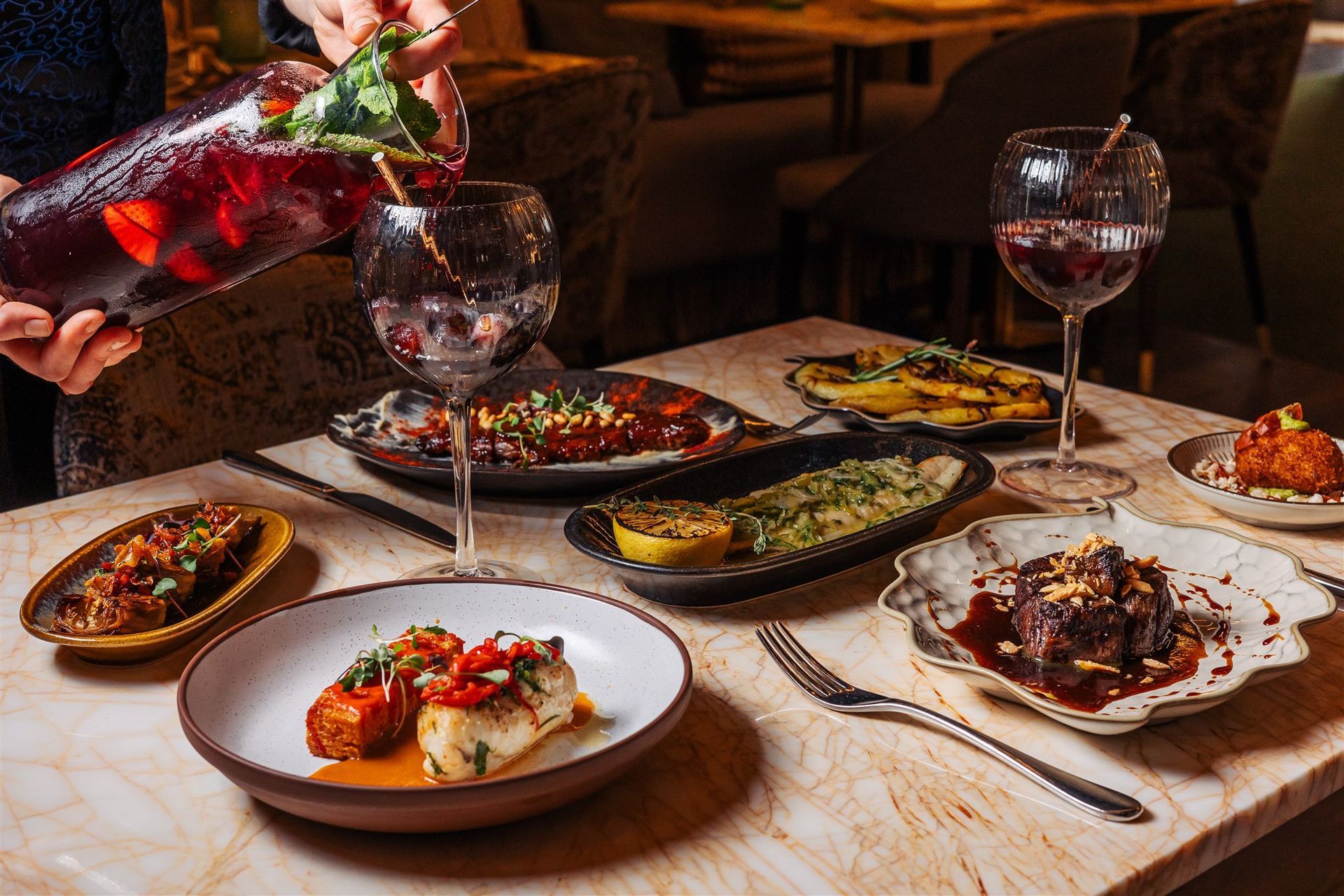
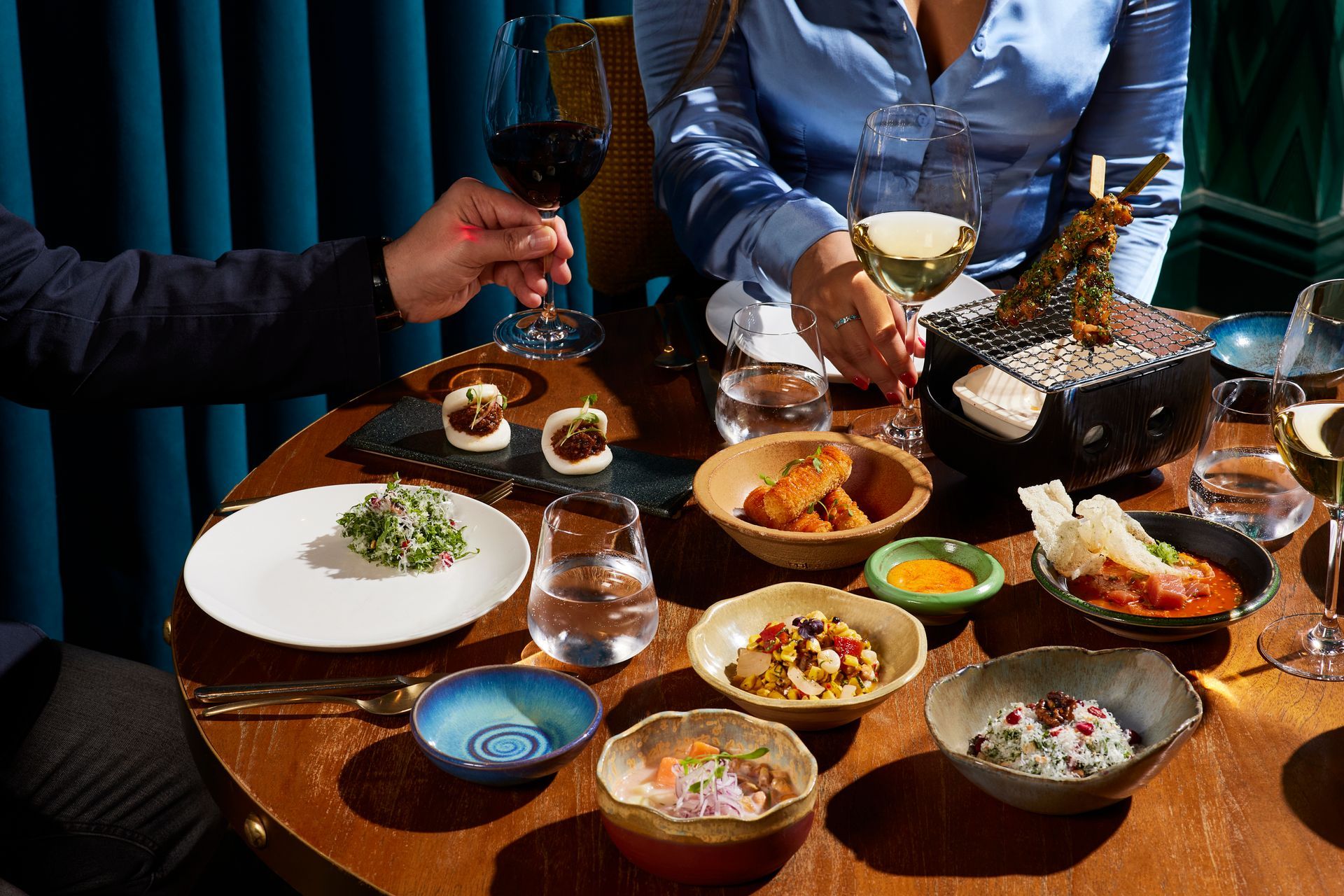
Coya City Review: A Fusion of Sophistication and Peruvian Mastery
By The Gentleman Magazine
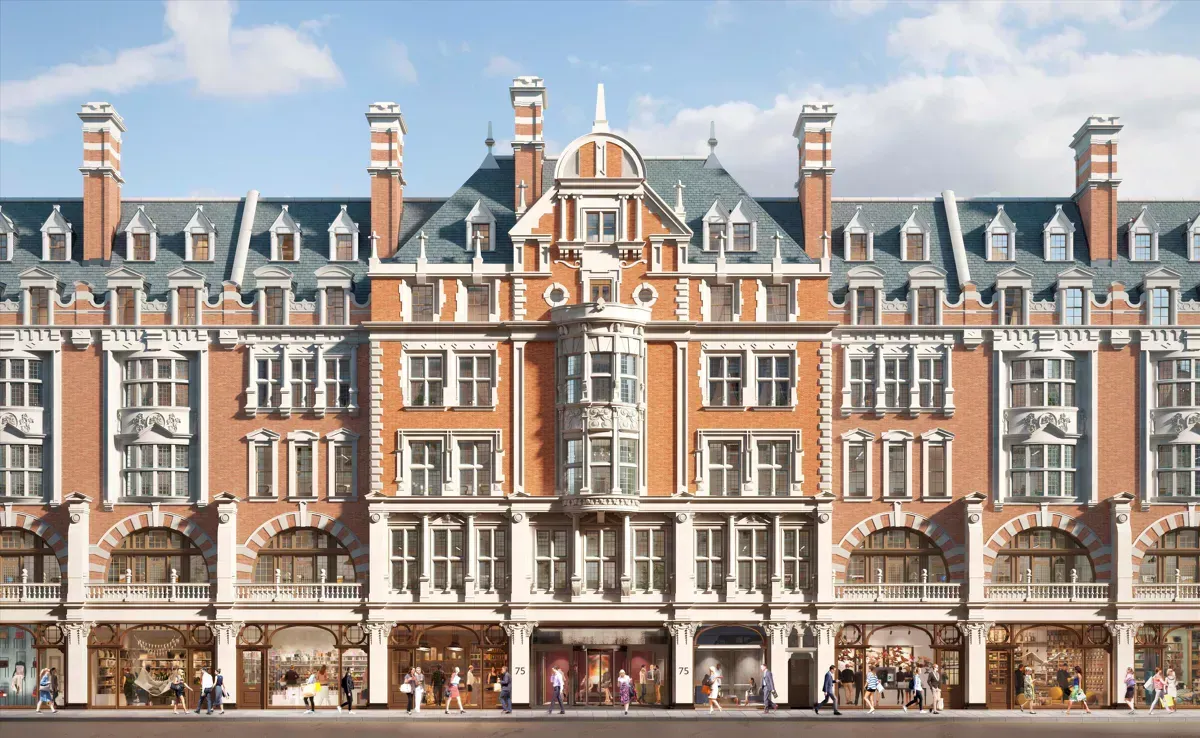
Amazing Knightsbridge 3-bed Apartment for £10,950,000
By The Gentleman Magazine
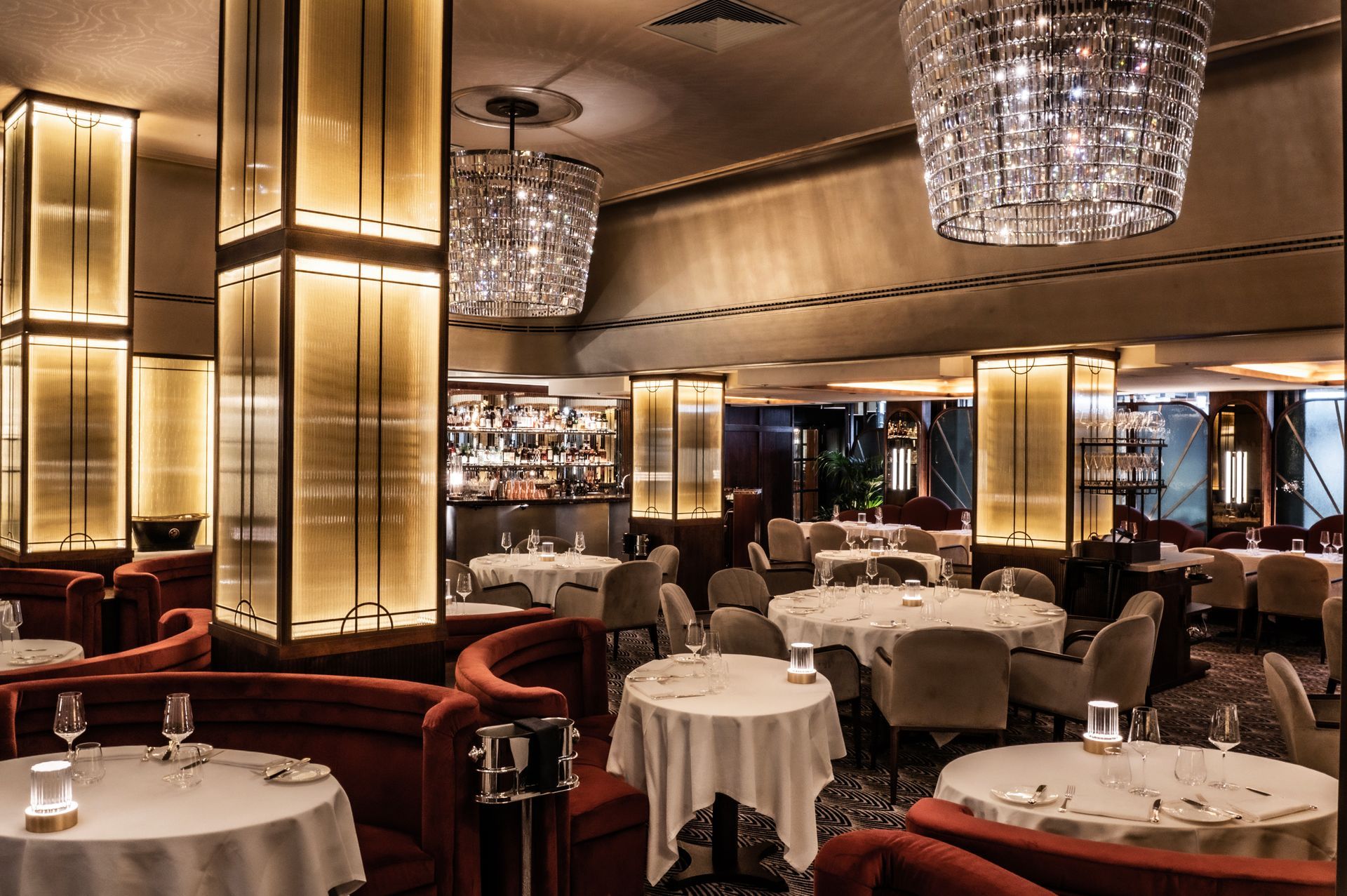
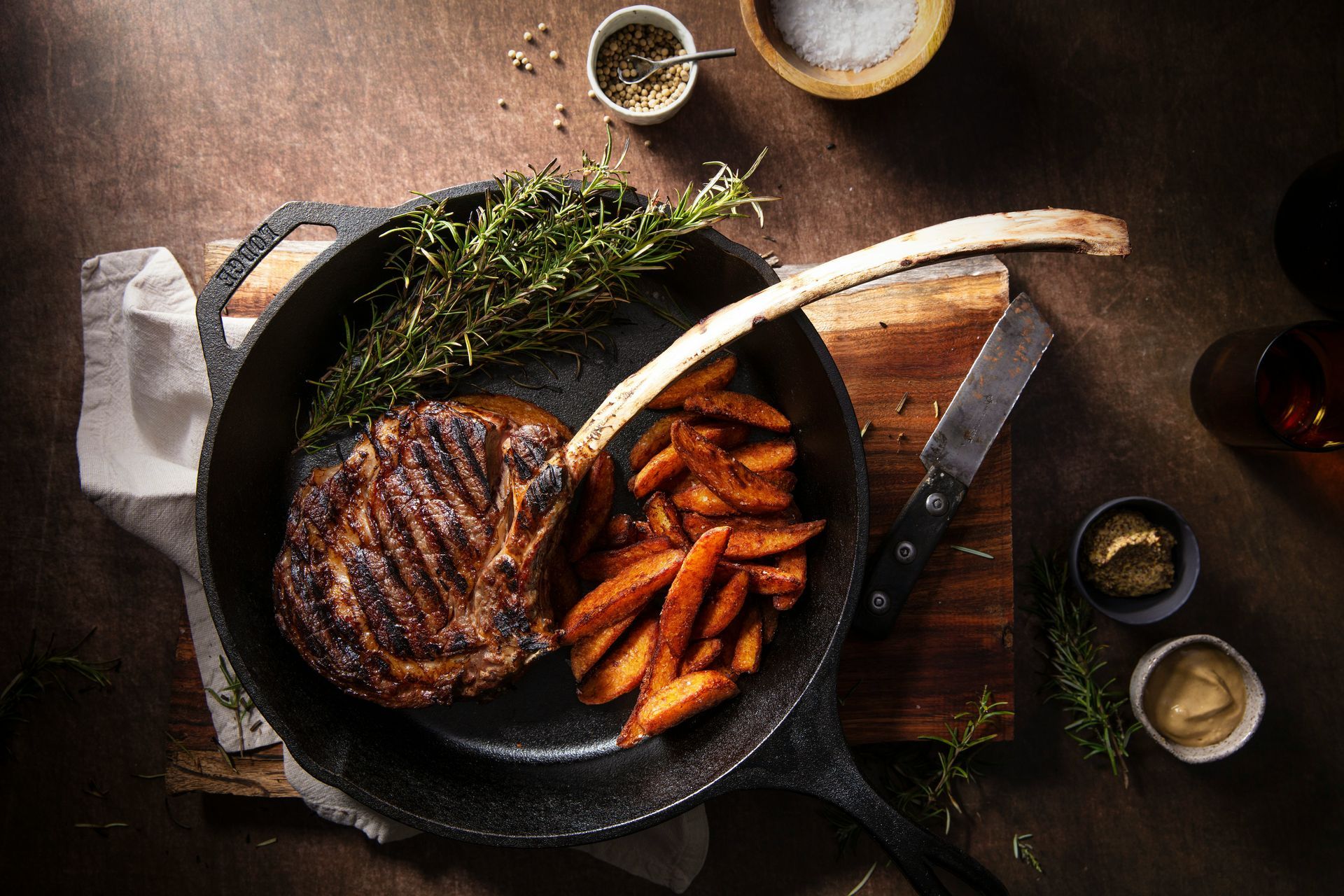

Best electric shaver
By The Gentleman Magazine
What is The Order of the Thistle: Honouring Scotland's Elite
By The Gentleman Magazine

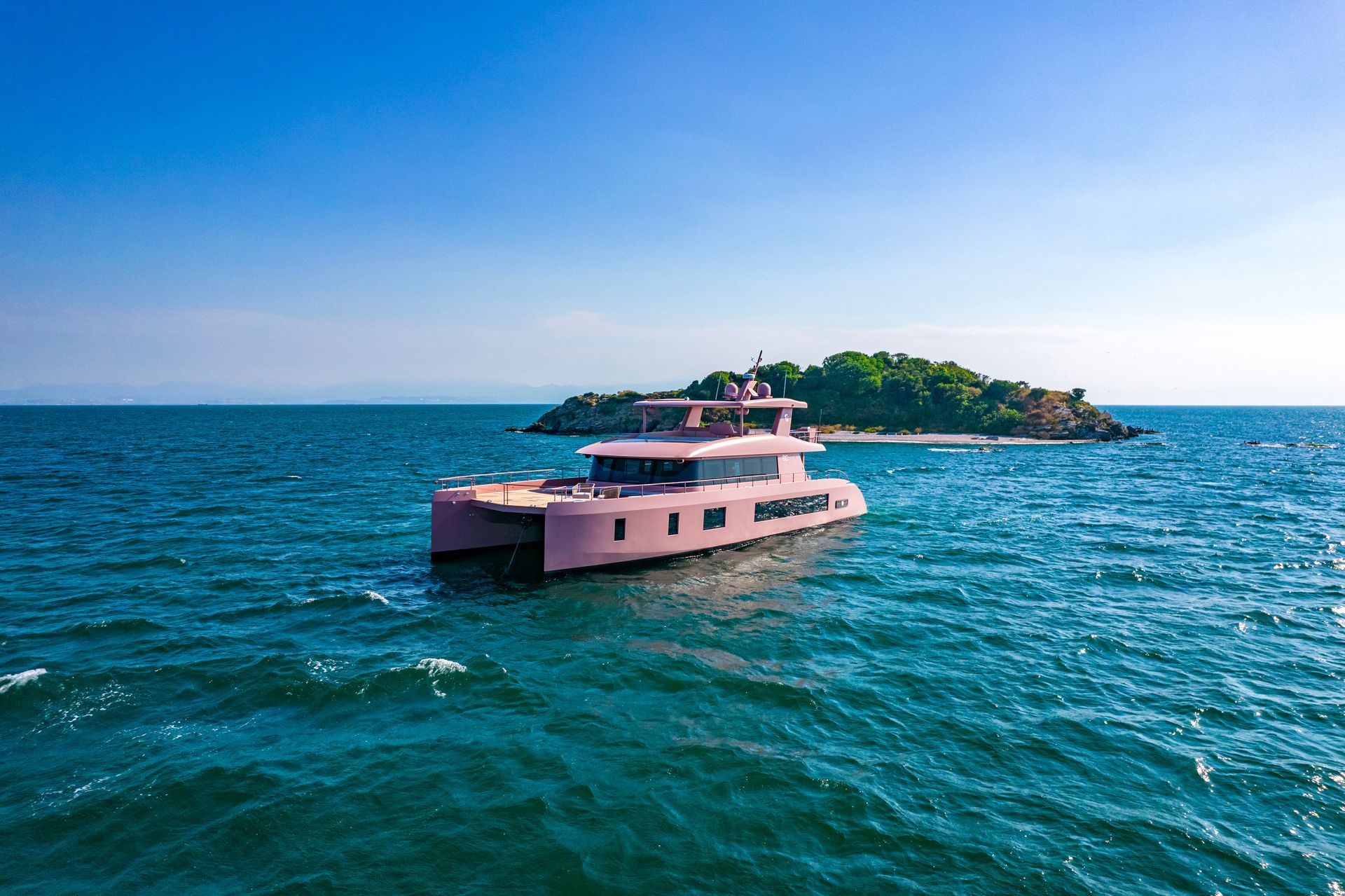
Pretty in Pink: The Catamaran that stands out from the crowd
Button
5 minutes with Daphne Stepheson
By The Gentleman Magazine


Revolution in Mens Luxury Fashion Alexandra Wood reveals all
By The Gentleman Magazine
Discover Aranyani
By The Gentleman Magazine

Ferrari 499P Modificata: A New Kind of Ferrari
By The Gentleman Magazine
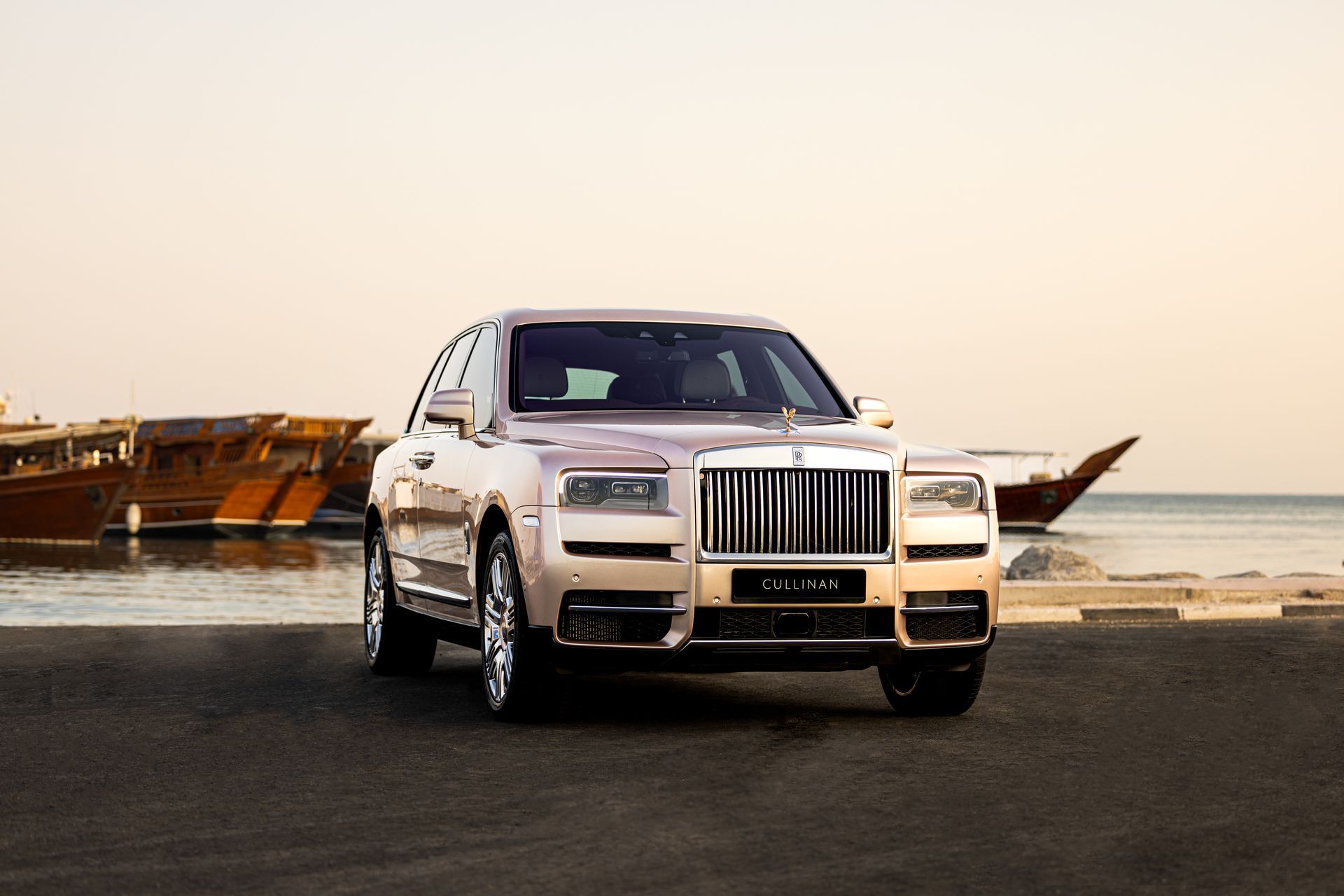
‘THE PEARL CULLINAN’ A BIRTHDAY GIFT LIKE NO OTHER
By The Gentleman Magazine


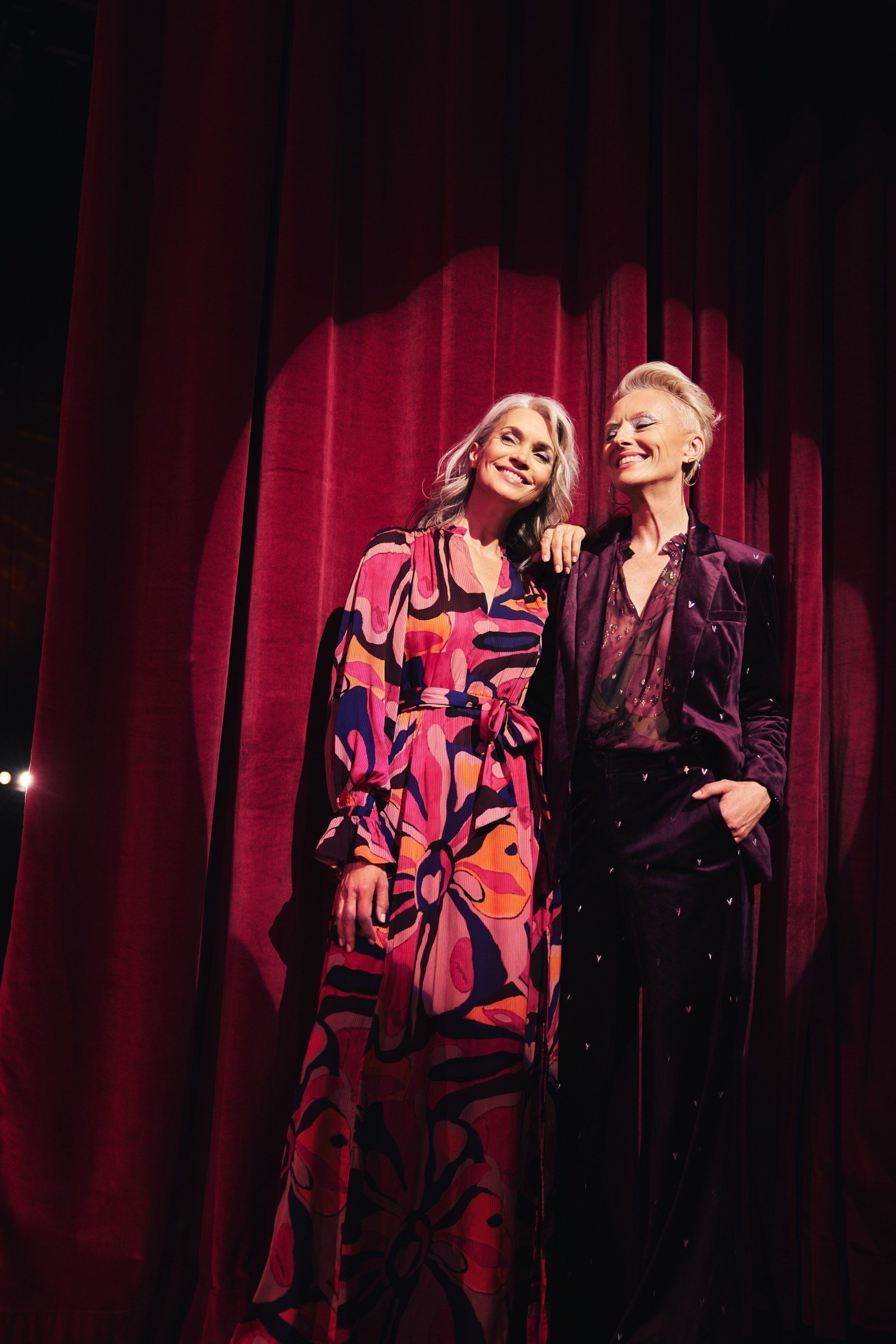
The Bias Cut Introducing the Take The Stage Edit
By The Gentleman Magazine
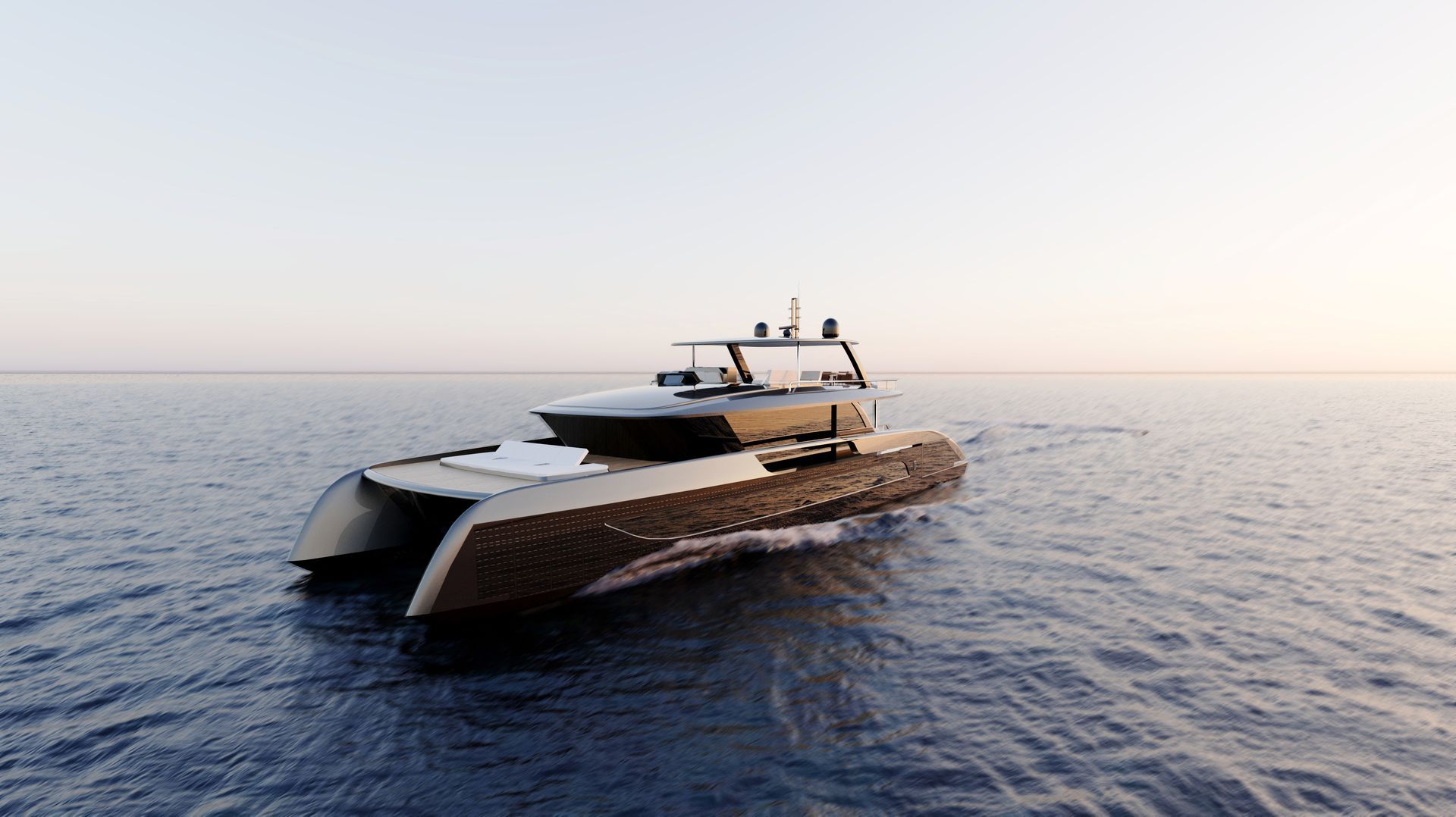
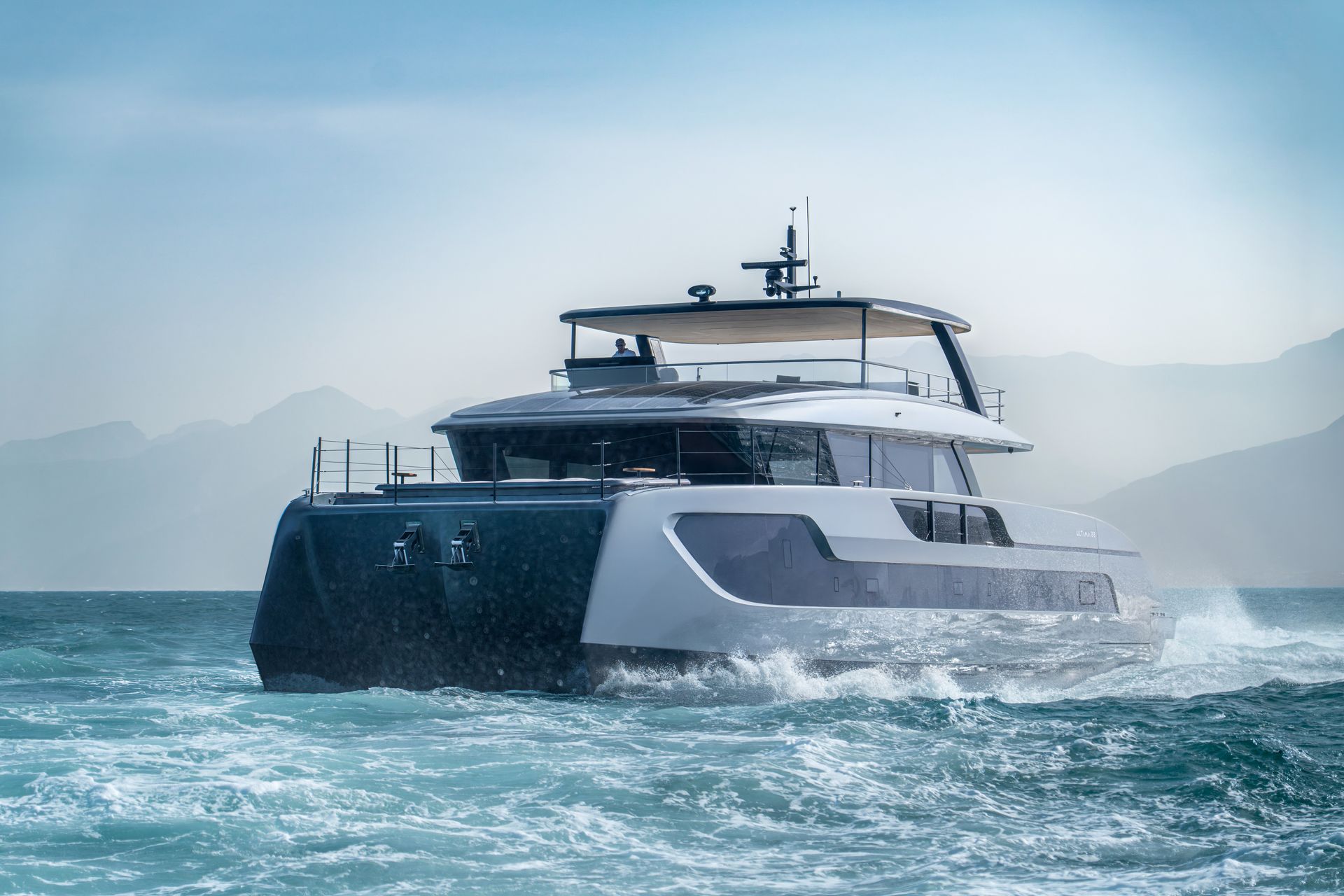
New game changer Sunreef 88 Ultima
By The Gentleman Magazine

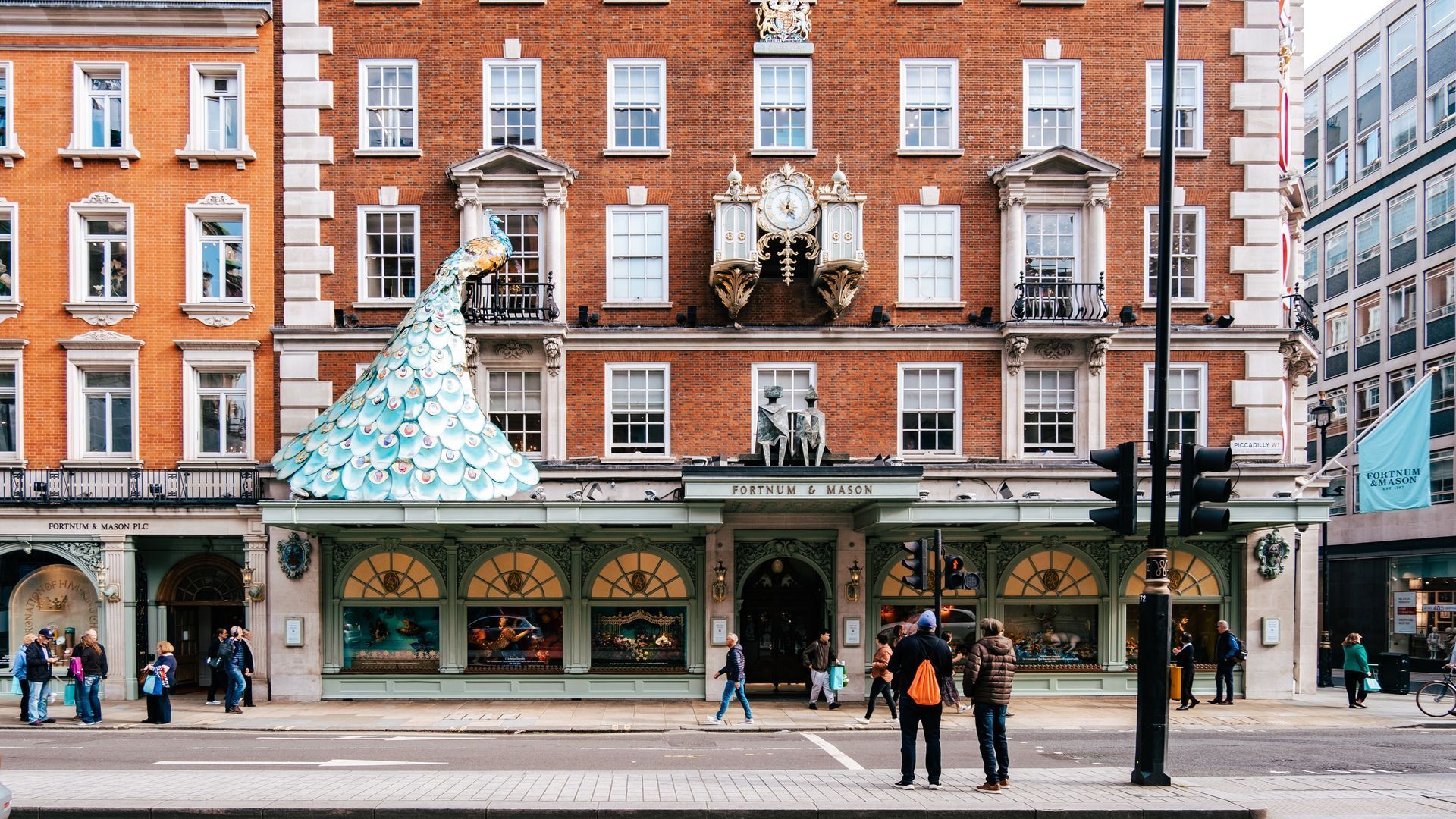
Fortnum & Mason: A Haven for Luxury Connoisseurs
By The Gentleman Magazine

Best Digital Watch
By The Gentleman Magazine

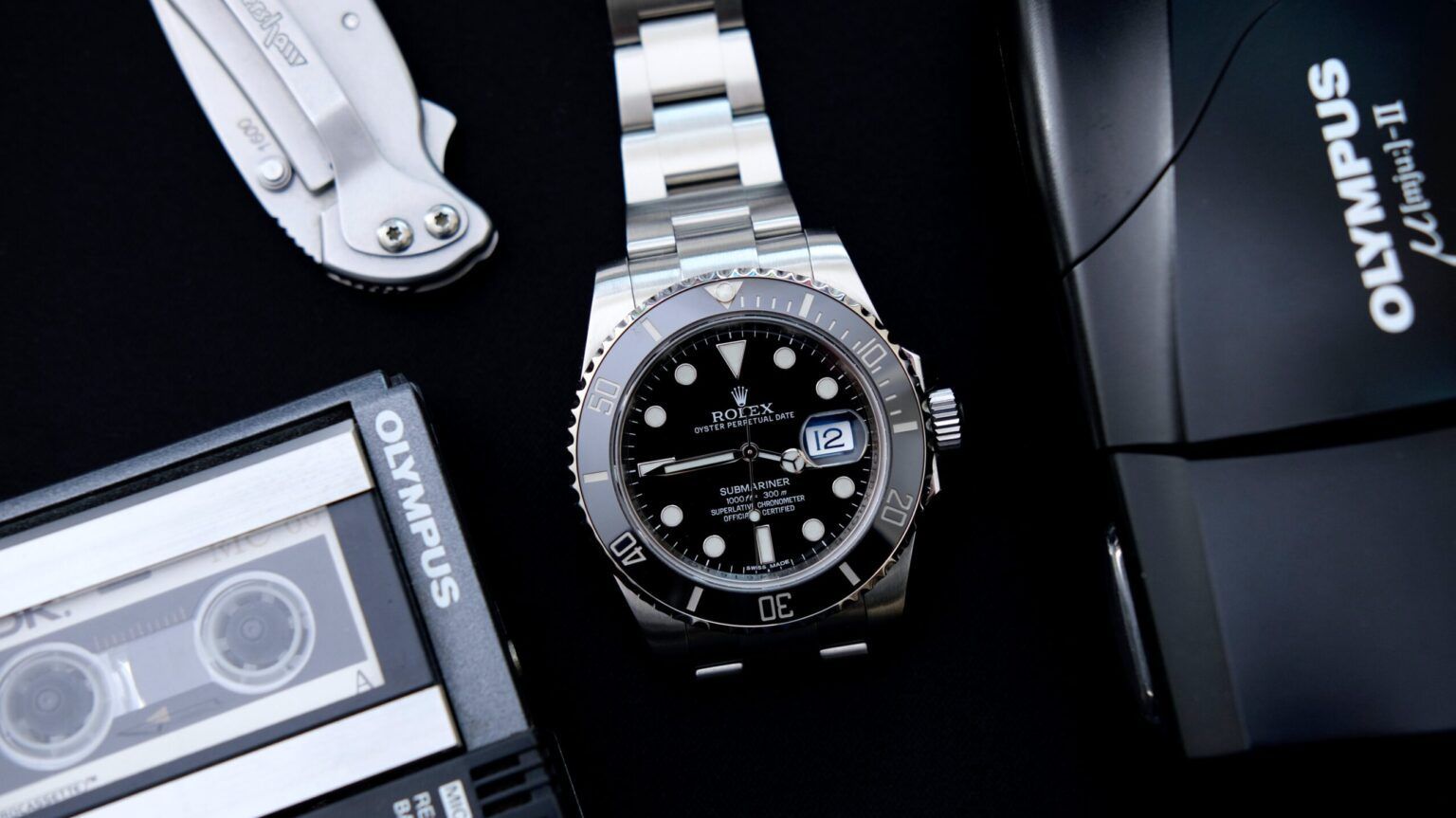
The Art of Time: What Sets Luxury Watches Apart from the Rest
By The Gentleman Magazine
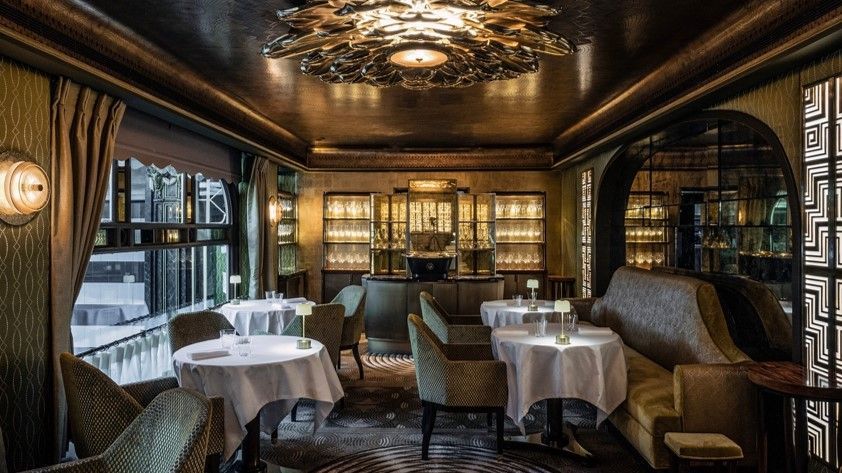
The winning formula behind Gordon Ramsay’s exceptional Restaurant 1890
By The Gentleman Magazine



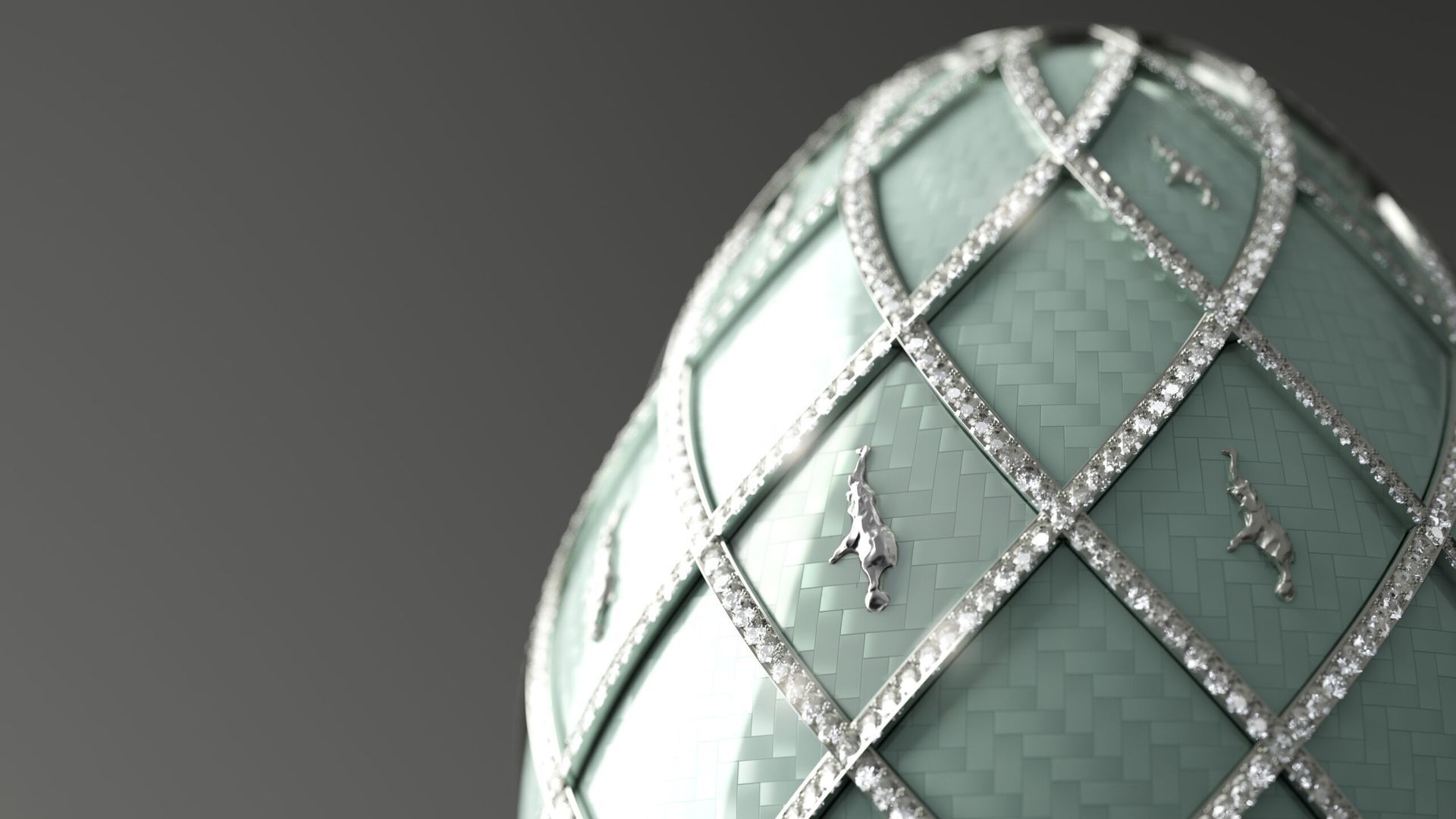
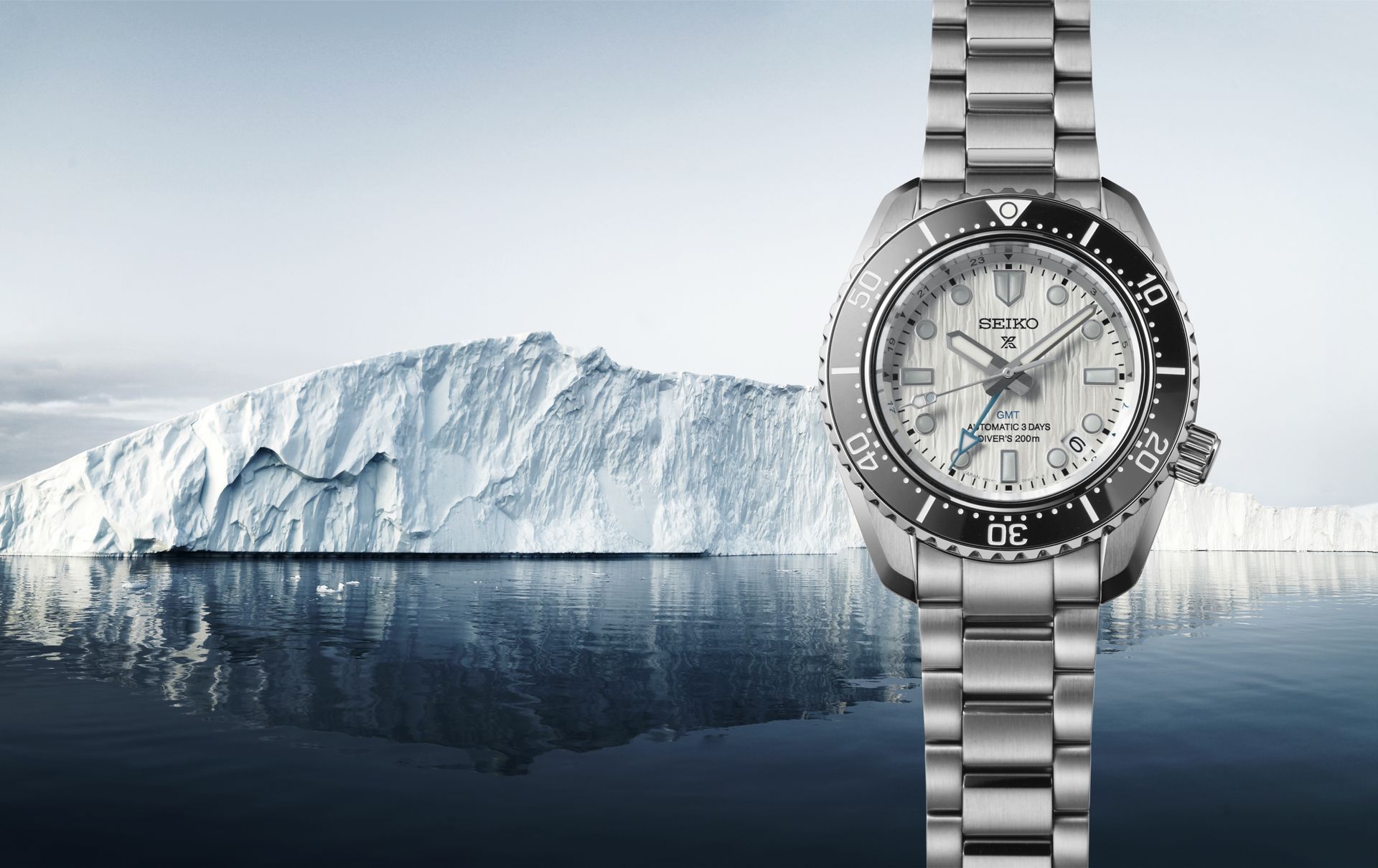
Seiko launch the brand new Prospex 'Arctic Ocean'
By The Gentleman Magazine

Best Soap for Men
By The Gentleman Magazine


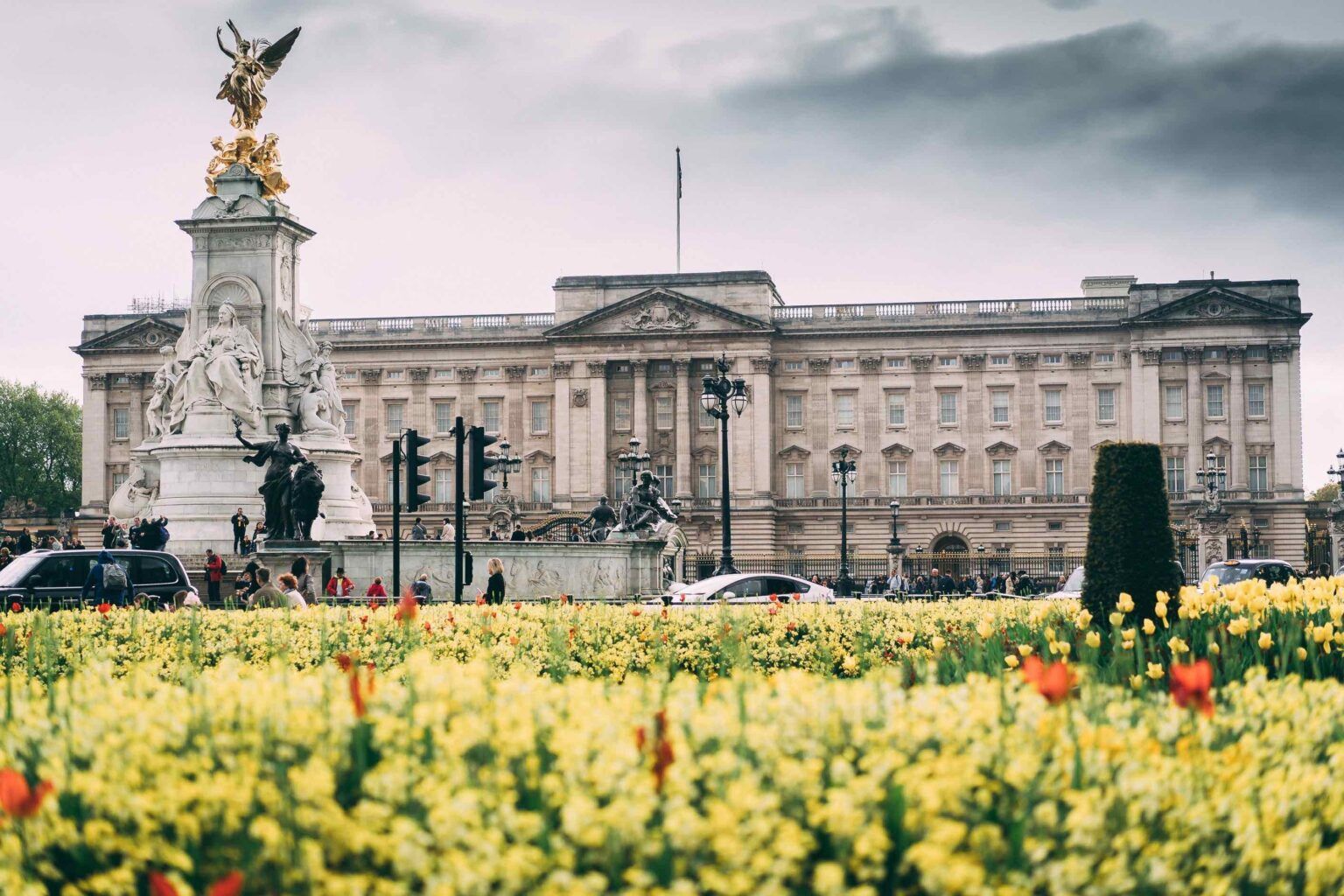
Buckingham Palace: A Glimpse into Royal Luxury and Elegance
By The Gentleman Magazine

MASERATI MC20 NOTTE: A FIERCE CREATURE OF THE NOCTURNAL WORLD
By The Gentleman Magazine
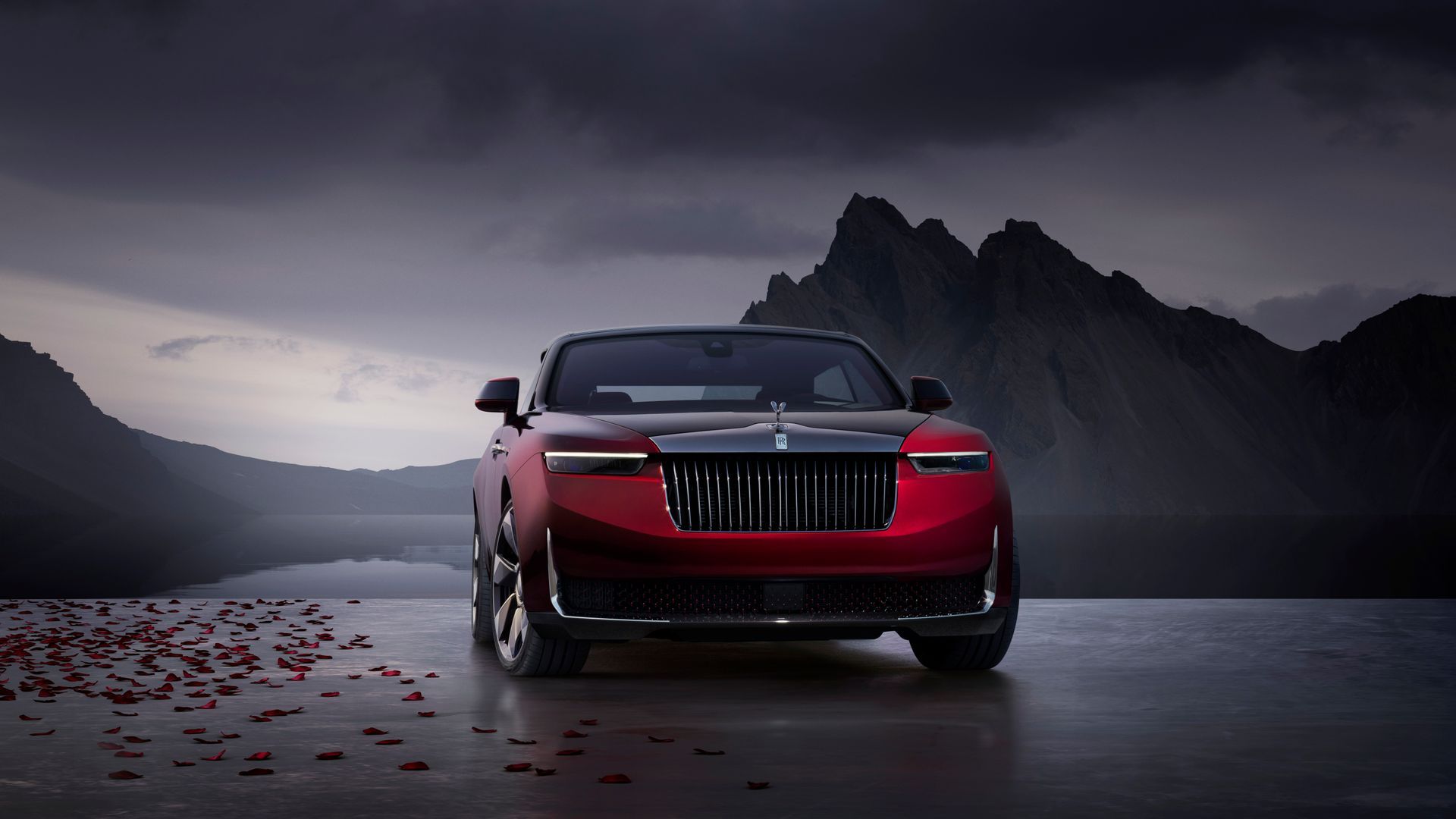
ROLLS-ROYCE LA ROSE NOIRE
By The Gentleman Magazine

BENTAYGA EXTENDED WHEELBASE MULLINER BENTLEY’S NEW FLAGSHIP
By The Gentleman Magazine
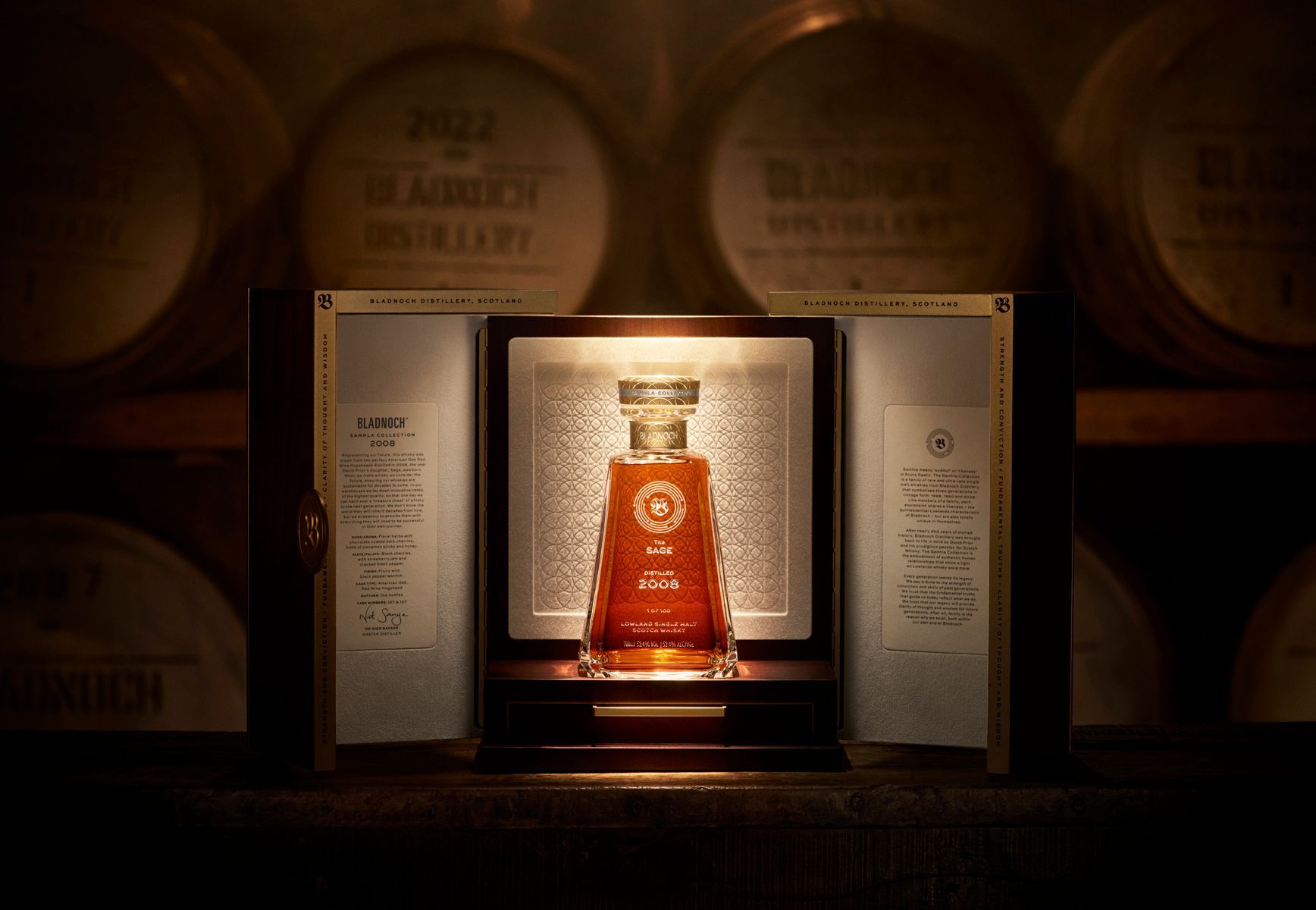



The Best Luxury Fountain Pens
By The Gentleman Magazine
A Luxurious Retreat in the Heart of London The Mayfair Townhouse Hotel
By The Gentleman Magazine



Ford's All-Electric Explorer
By The Gentleman Magazine
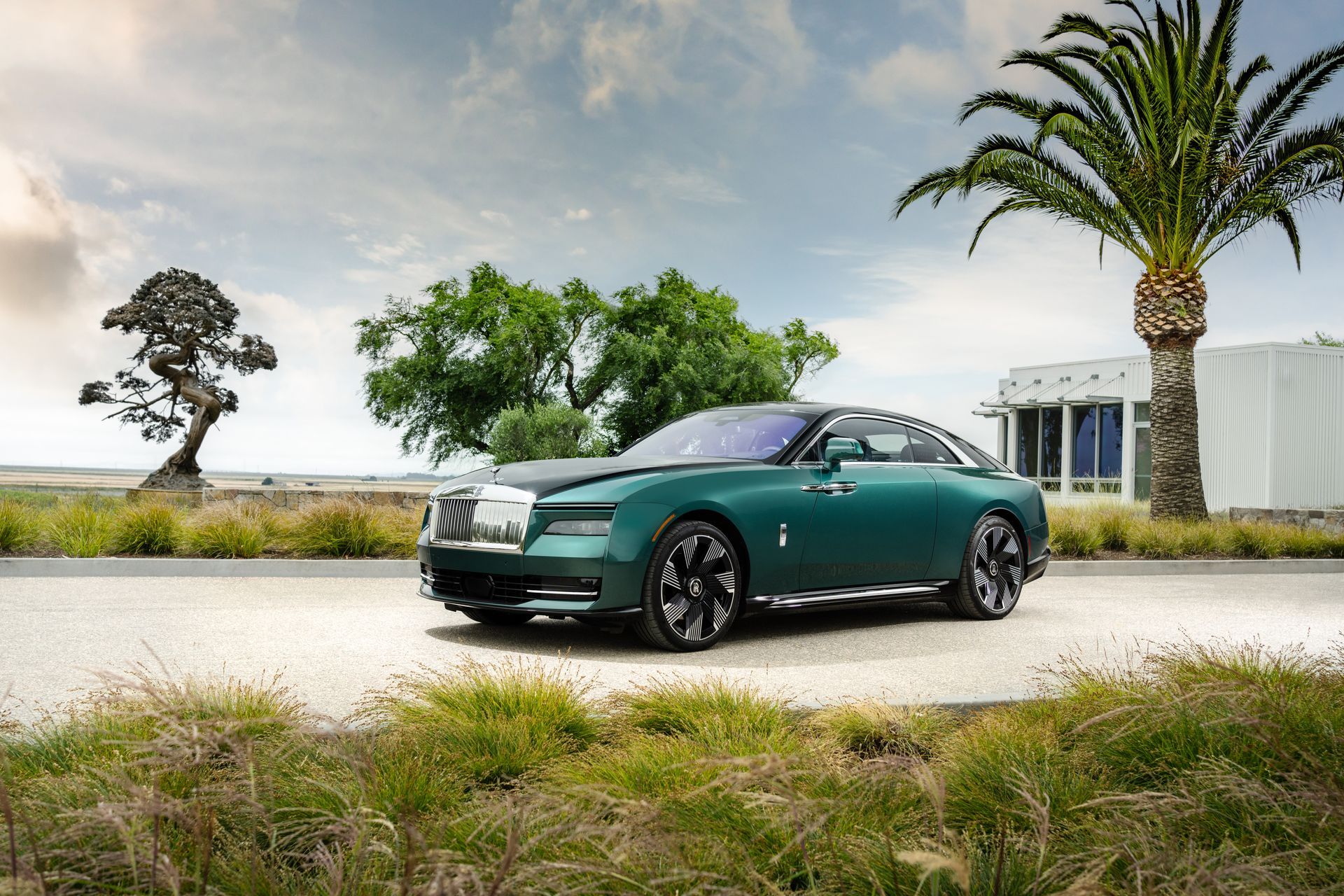
ROLLS-ROYCE SPECTRE
By The Gentleman Magazine


Toyota Aygo X Undercover Review
By The Gentleman Magazine

LANGE 1 TIME ZONE
By The Gentleman Magazine


BENTLEY BRINGS HARMONY TO AZURE, S AND SPEED
By Bentley
Tillberg designs the first 207-metre “yacht liner” for Four Seasons
By The Gentleman Magazine

NOBU BAR LAUNCHES BRAND NEW COCKTAIL MENU
Button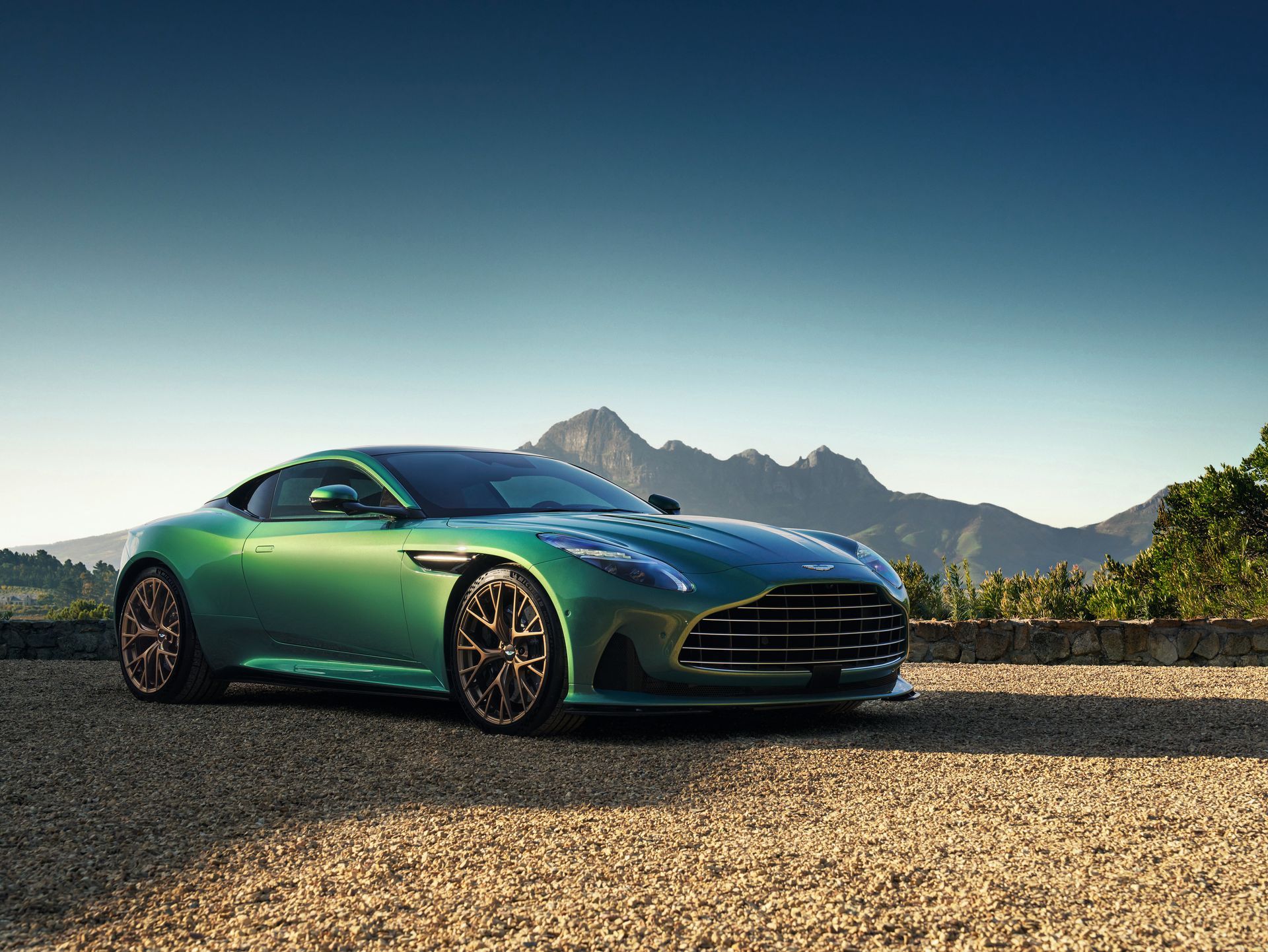
ASTON MARTIN DB12:THE WORLD’S FIRST SUPER TOURER
The Gentleman Magazine


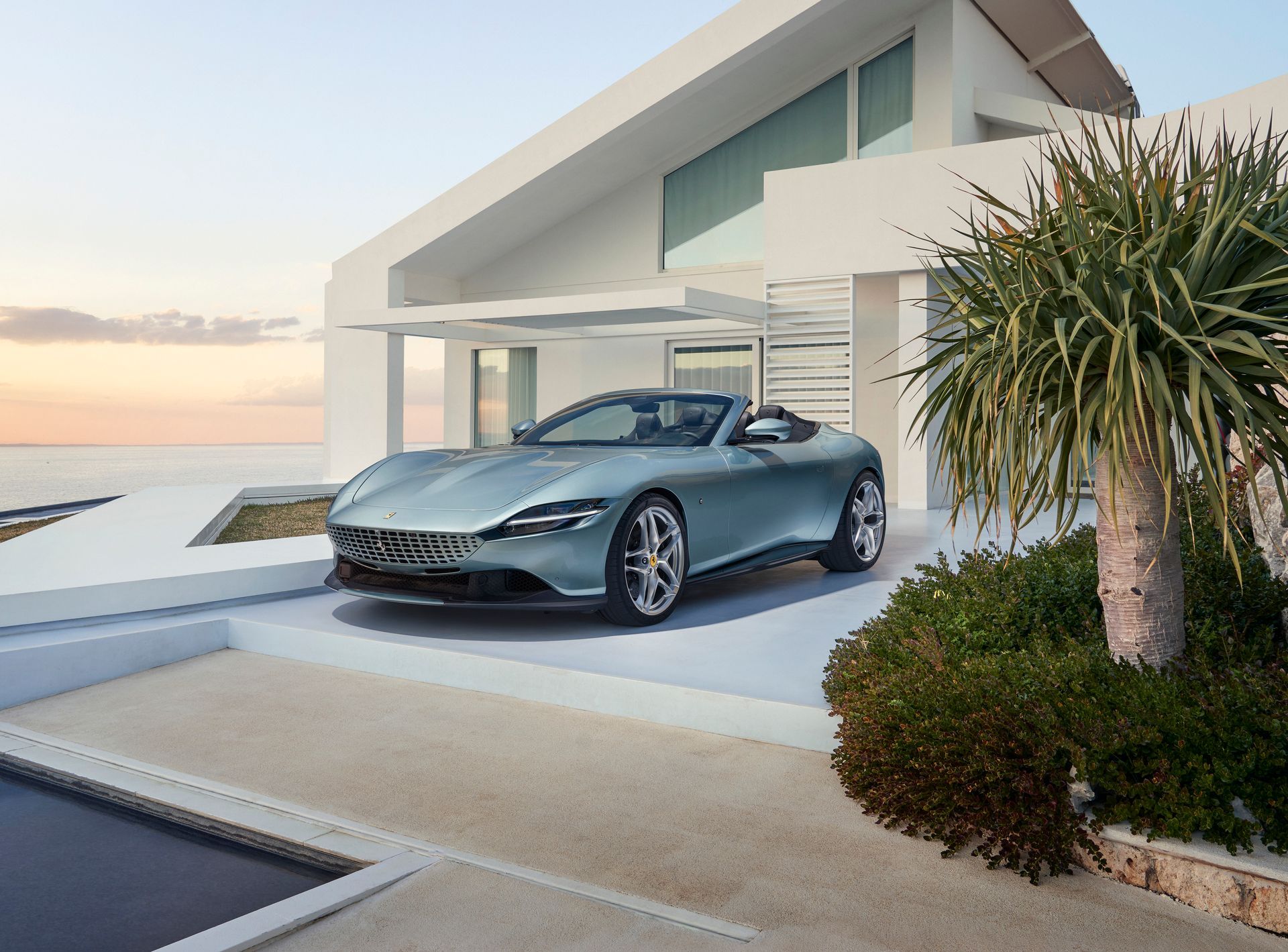
THE FERRARI ROMA SPIDER
By The Gentleman Magazine
LATYMER BY STEVE SMITH AT PENNYHILL PARK
The Gentleman Magazine



BENTAYGA ODYSSEAN EDITION
By Bentley
MOSIMANN’S PASSION FOR EXCELLENCE
By The Gentleman Magazine



STEALTH F-37 REVIEW
By The Gentleman Magazine
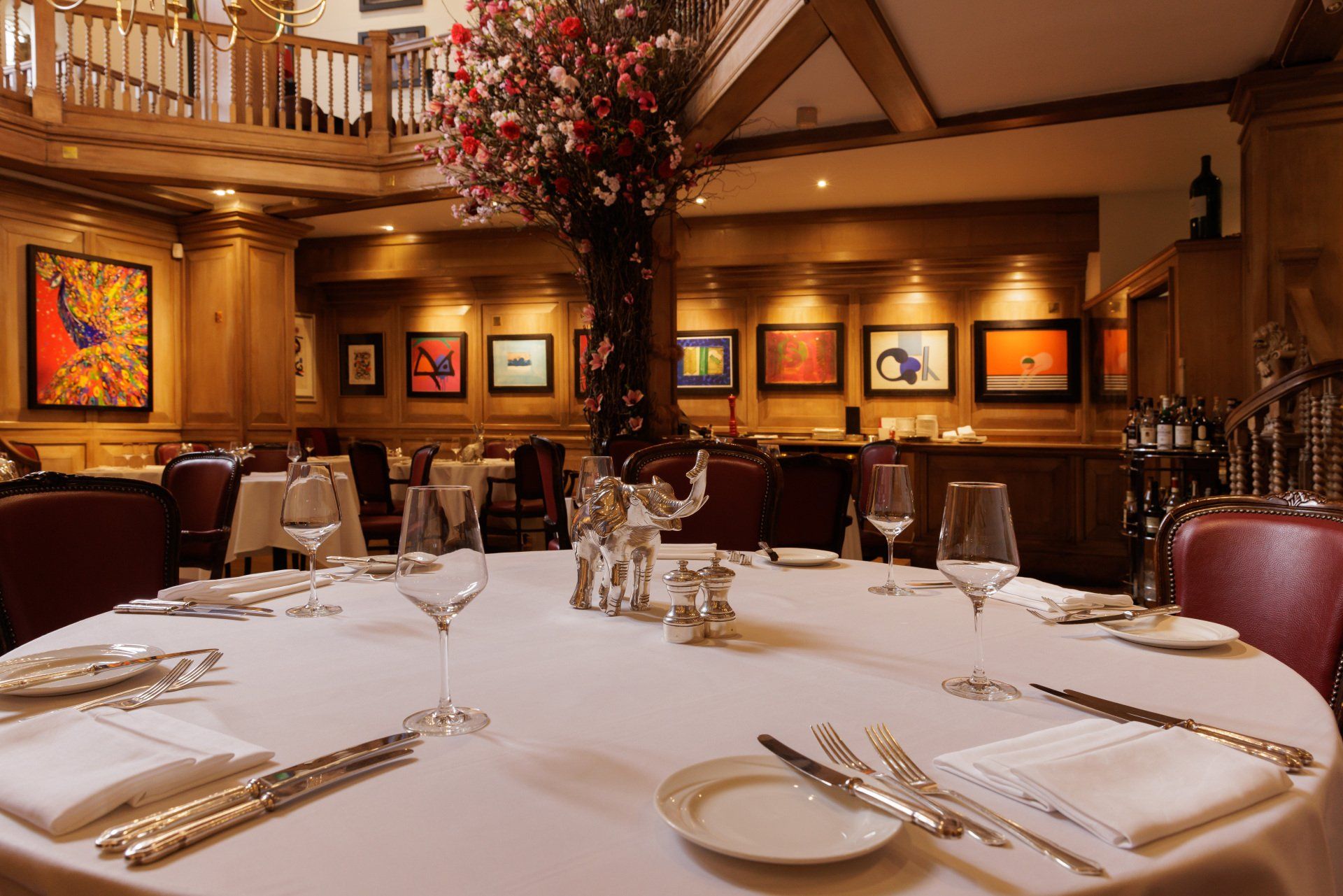
CHRISTMAS 2022 AT MOSIMANN’S LONDON DINING CLUB
By Mosimann's
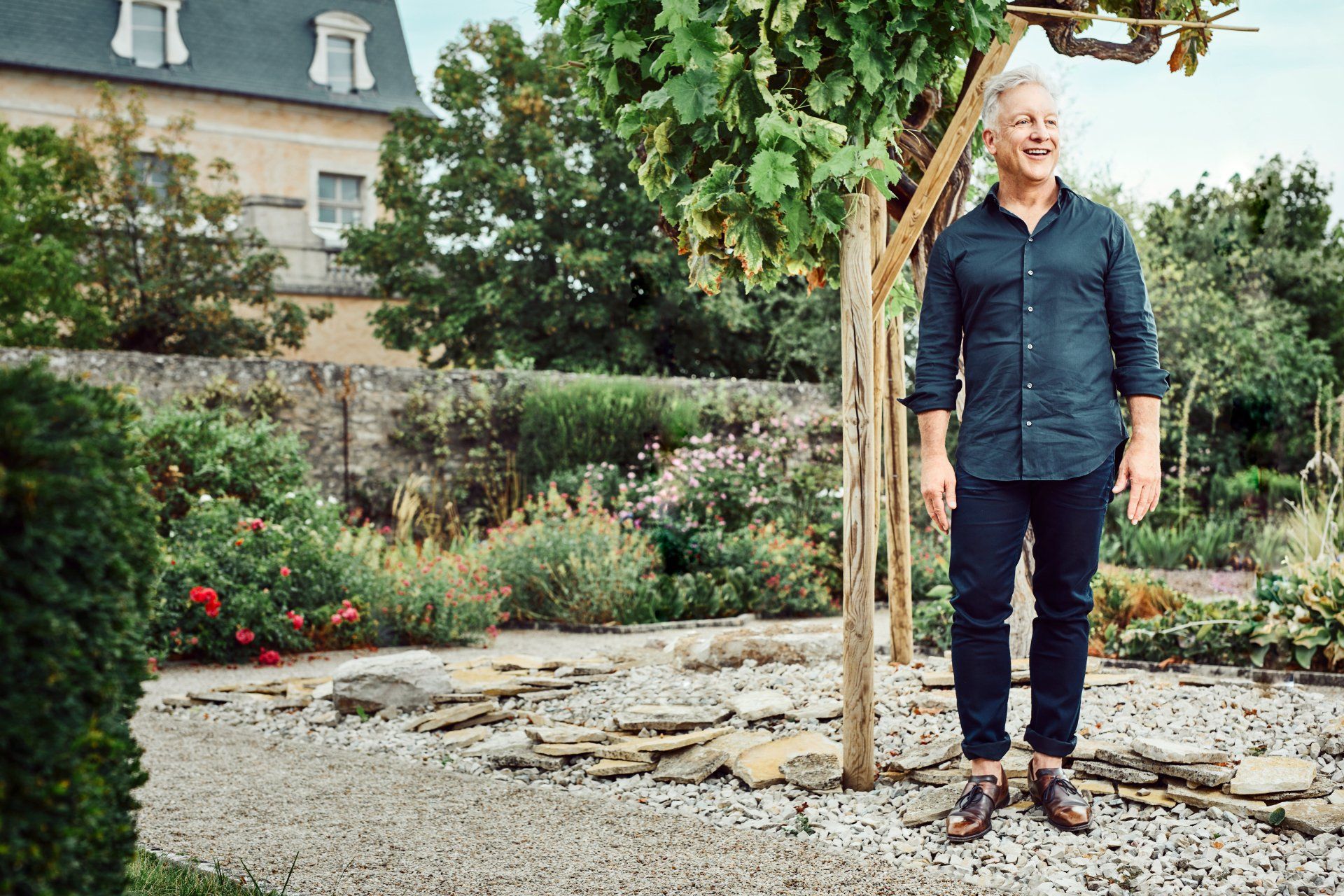
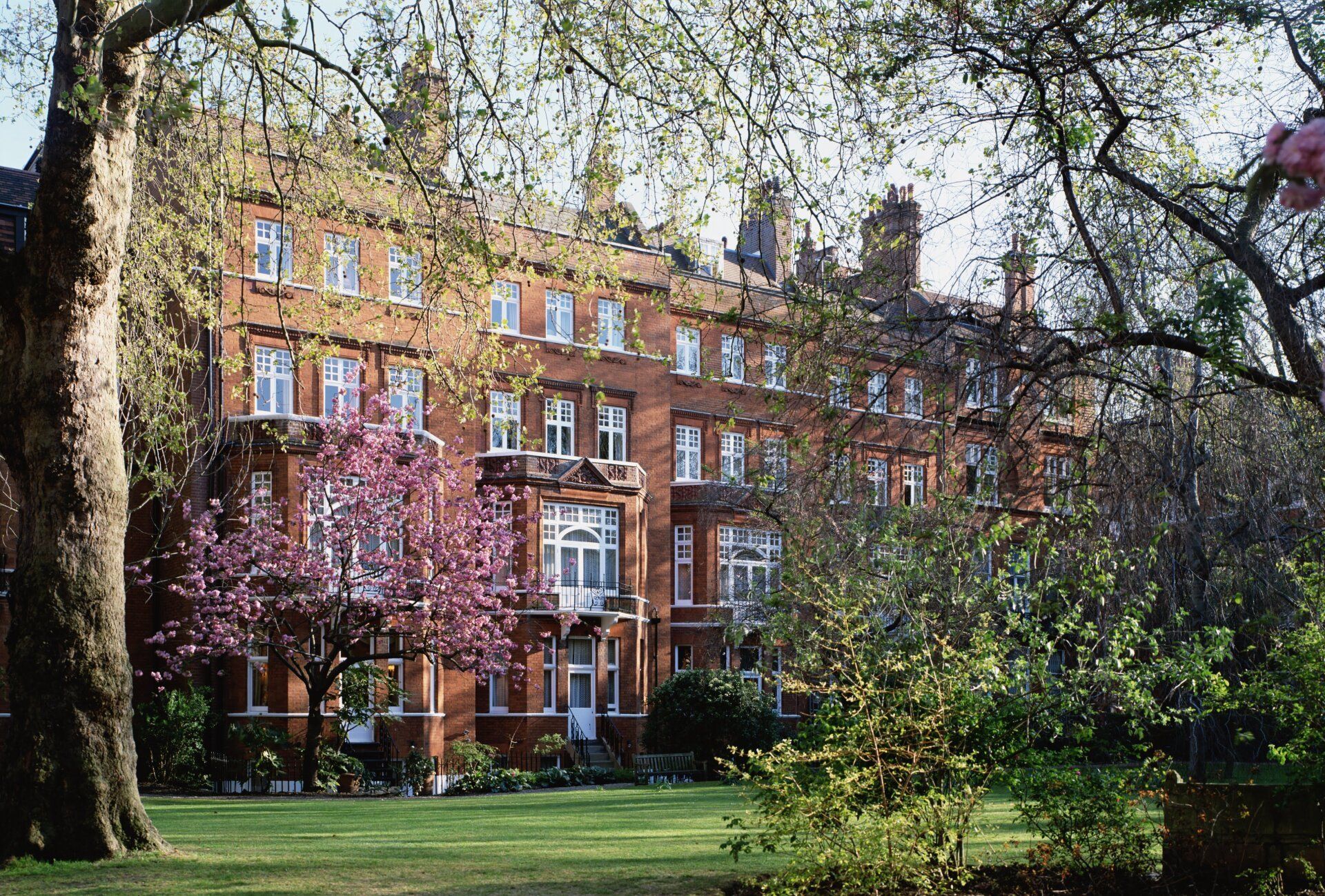
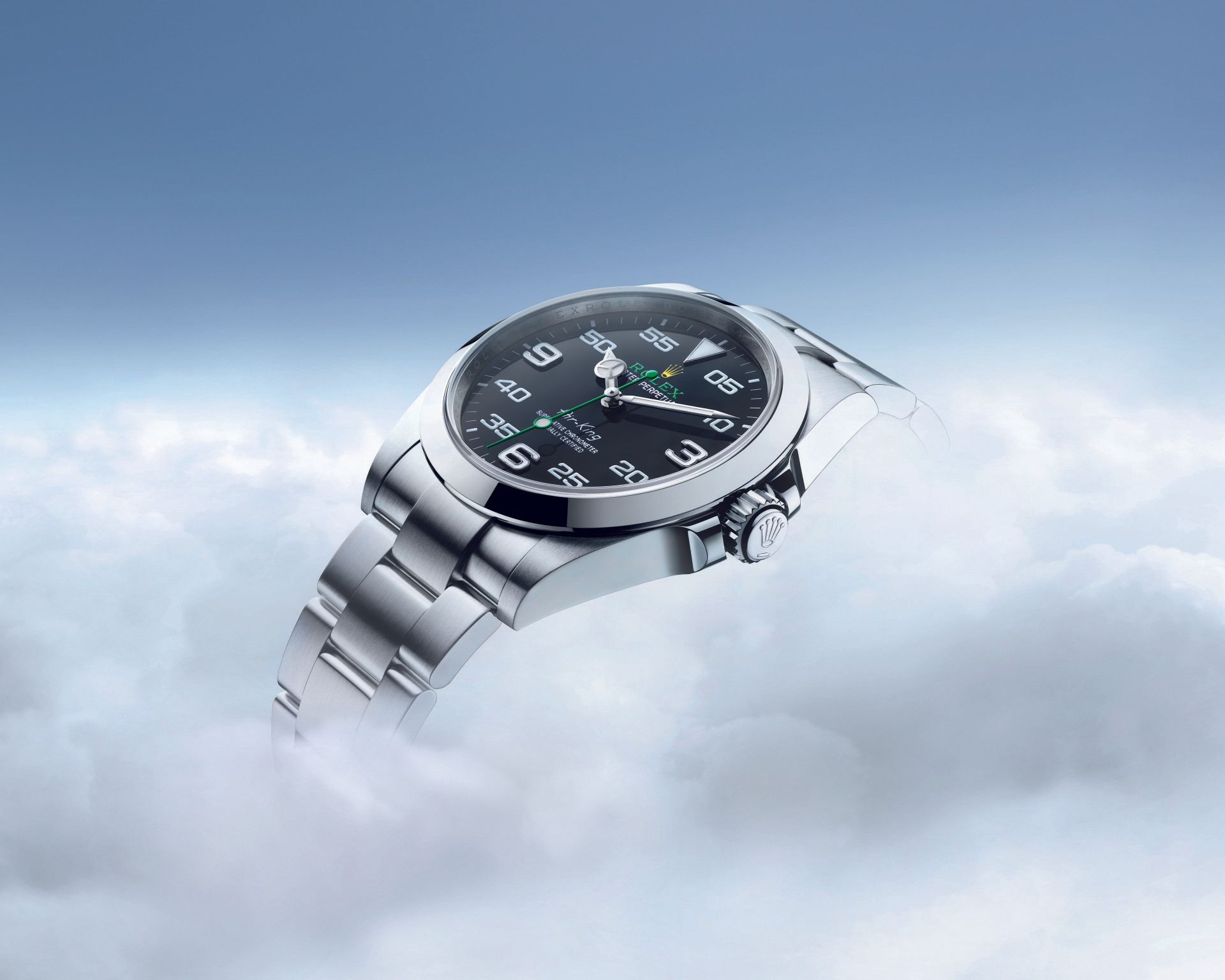

Winter Sun Must Haves From Leoce
By The Gentleman Magazine
ROLLS-ROYCE PHANTOM: A NEW EXPRESSION
By Rolls-Royce

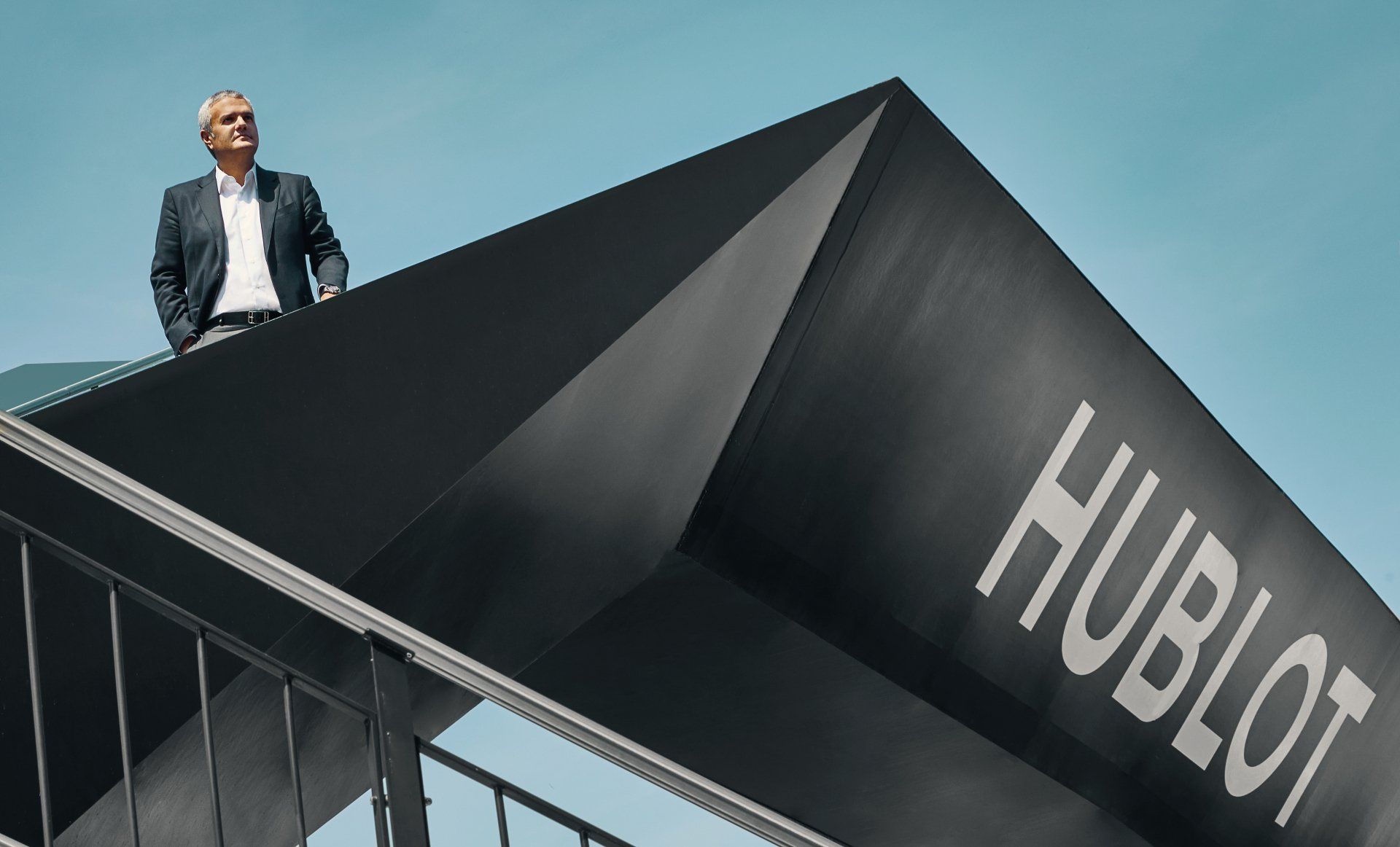
INTERVIEW WITH HUBLOT CEO MR RICARDO GUADALUPE
By The Gentleman Magazine

Cockwells Launches First Hardy Motor Yacht in Cornwall
By Jilly Easterby

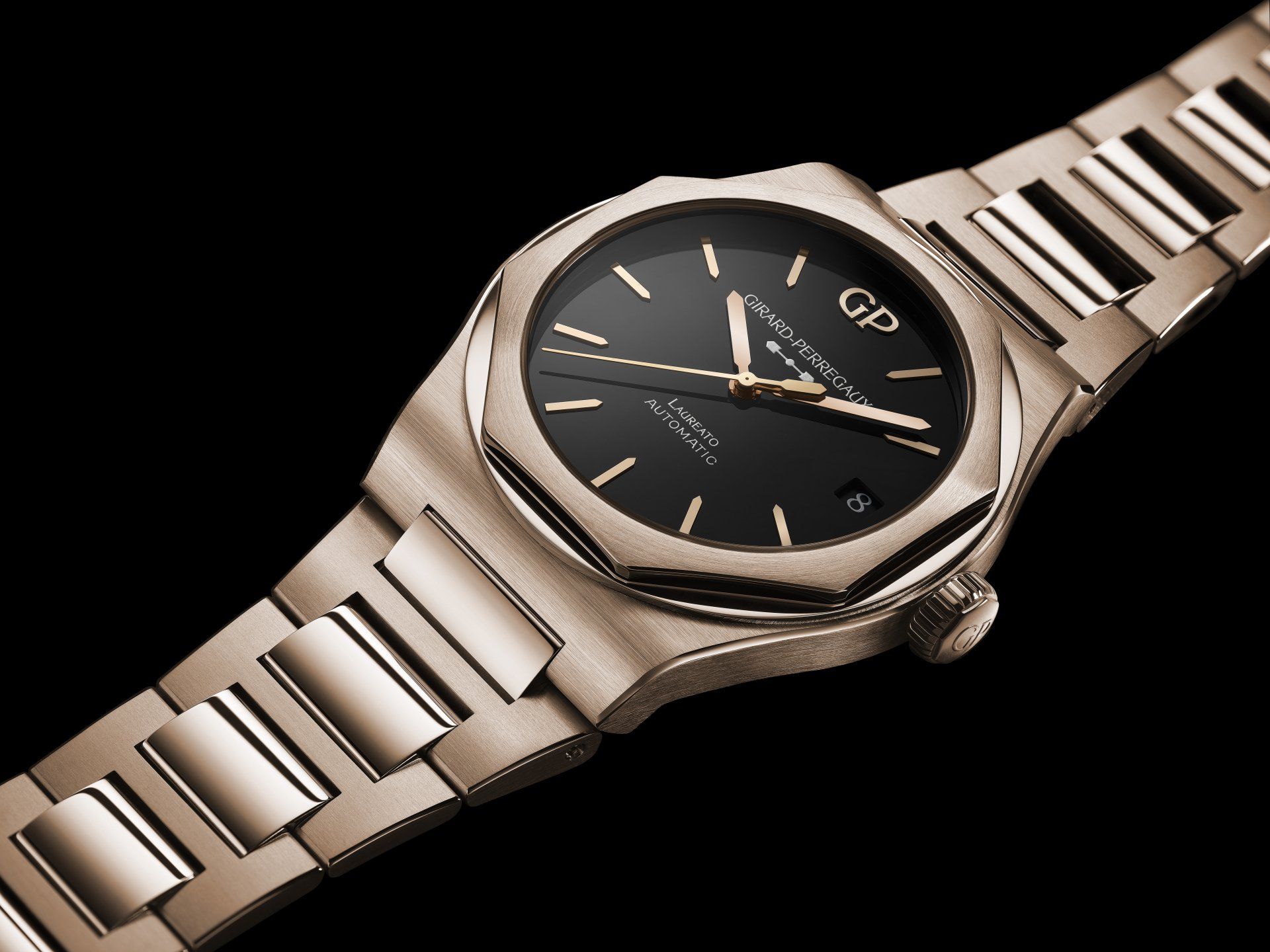

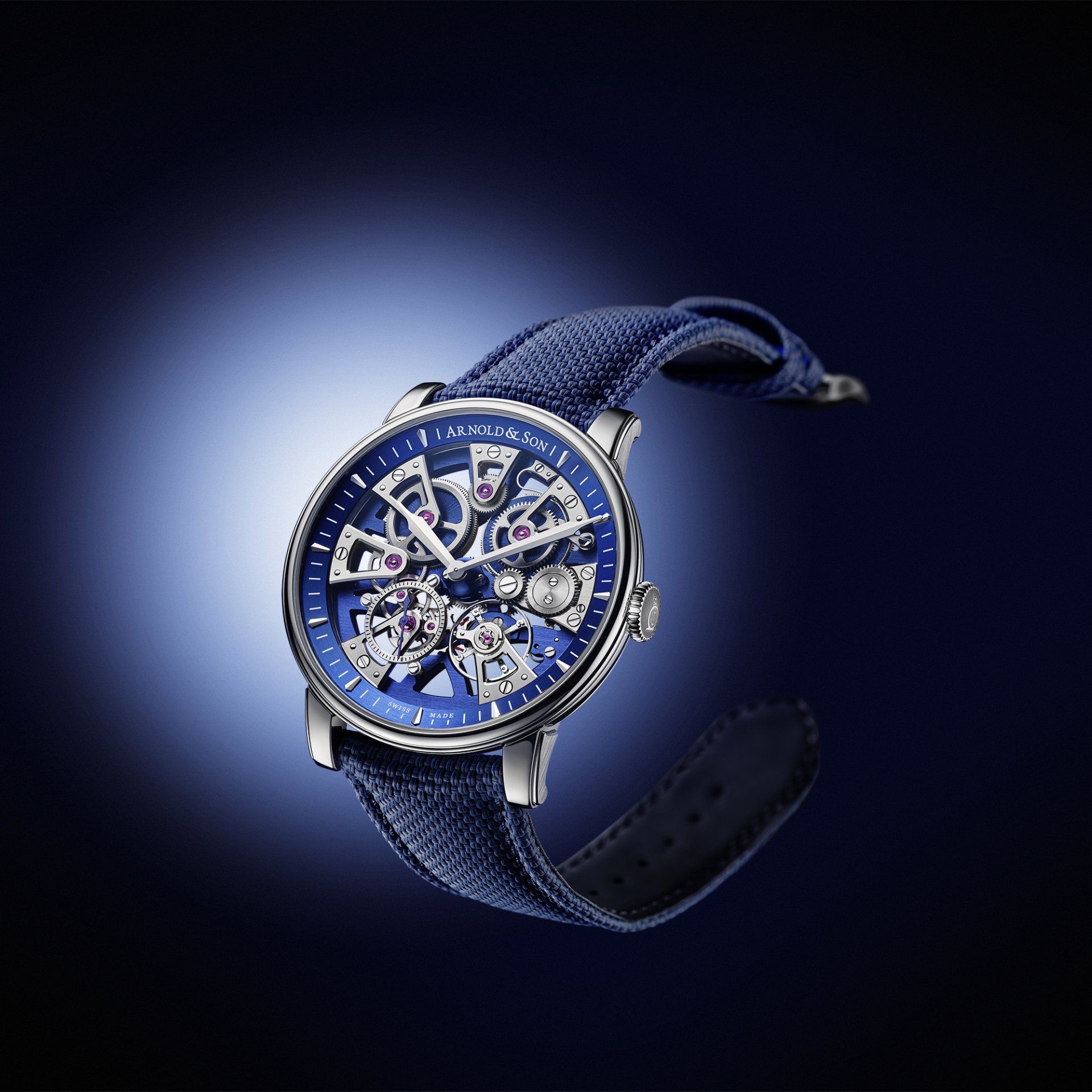
NEBULA 41.5 STEEL BY ARNOLD & SON
By Aronld & Son
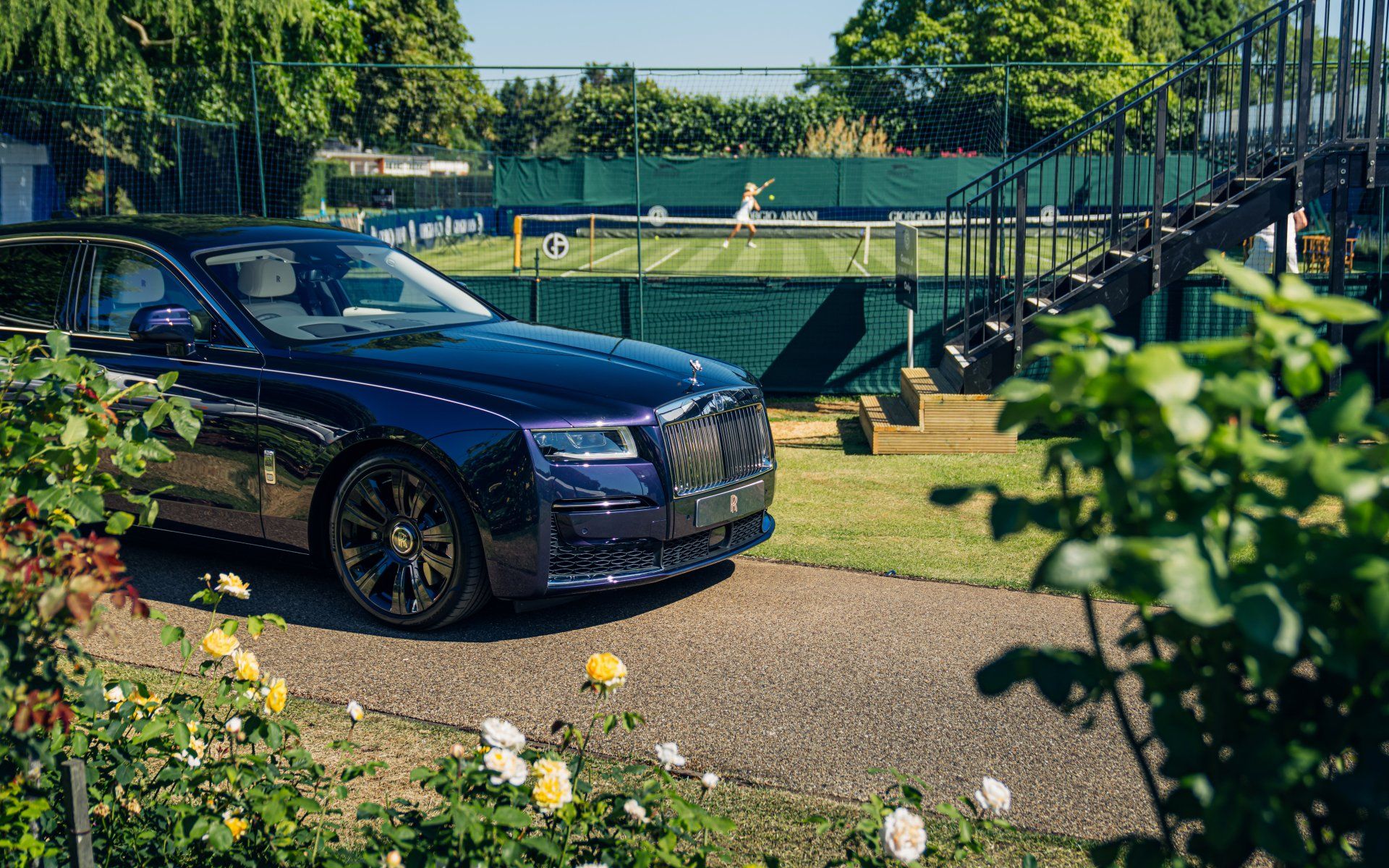
ROLLS-ROYCE MOTOR CARS LONDON CELEBRATES SUMMER PURSUITSB
By Rolls-Royce

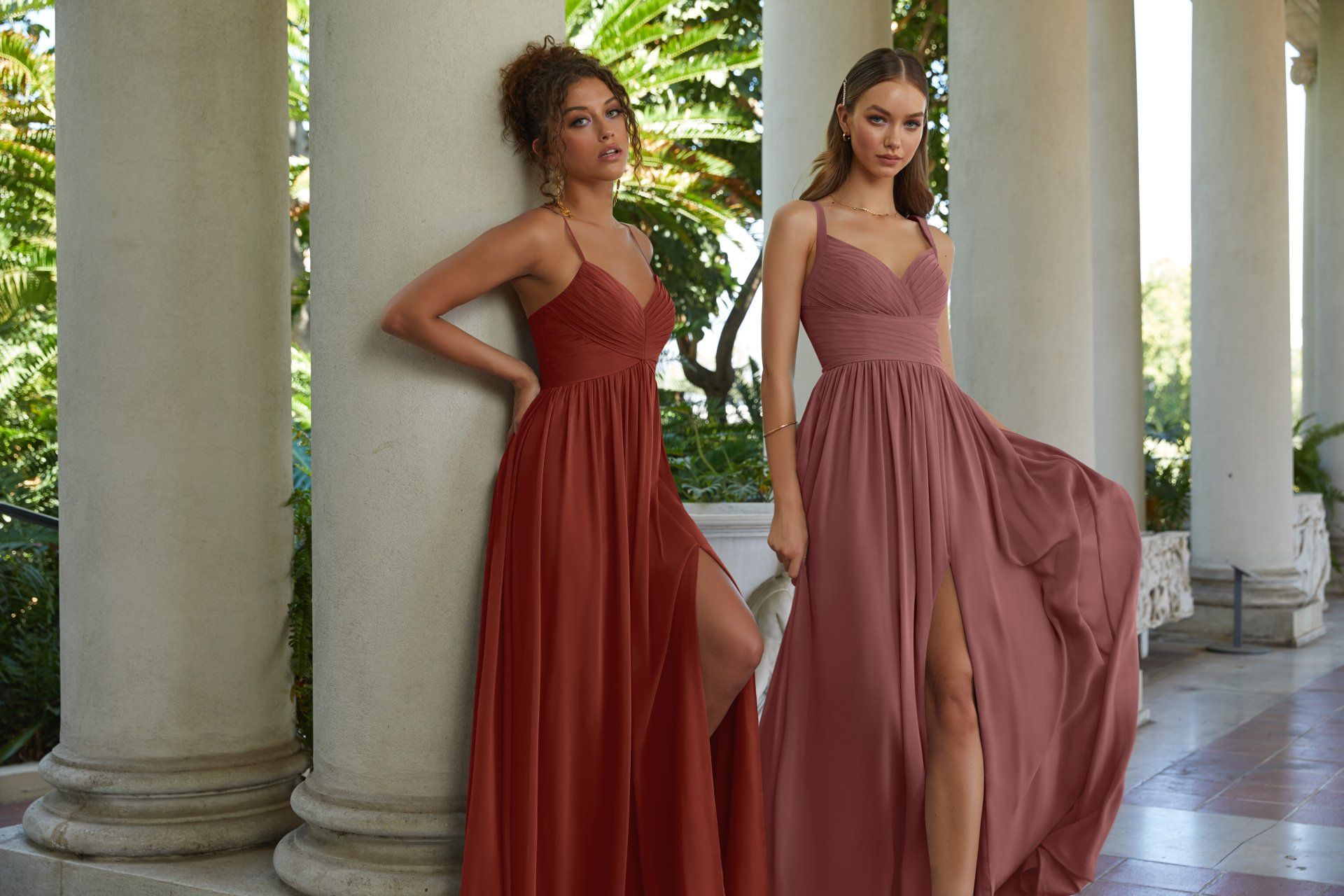
DISCOVER AZAZIE
By Azazie
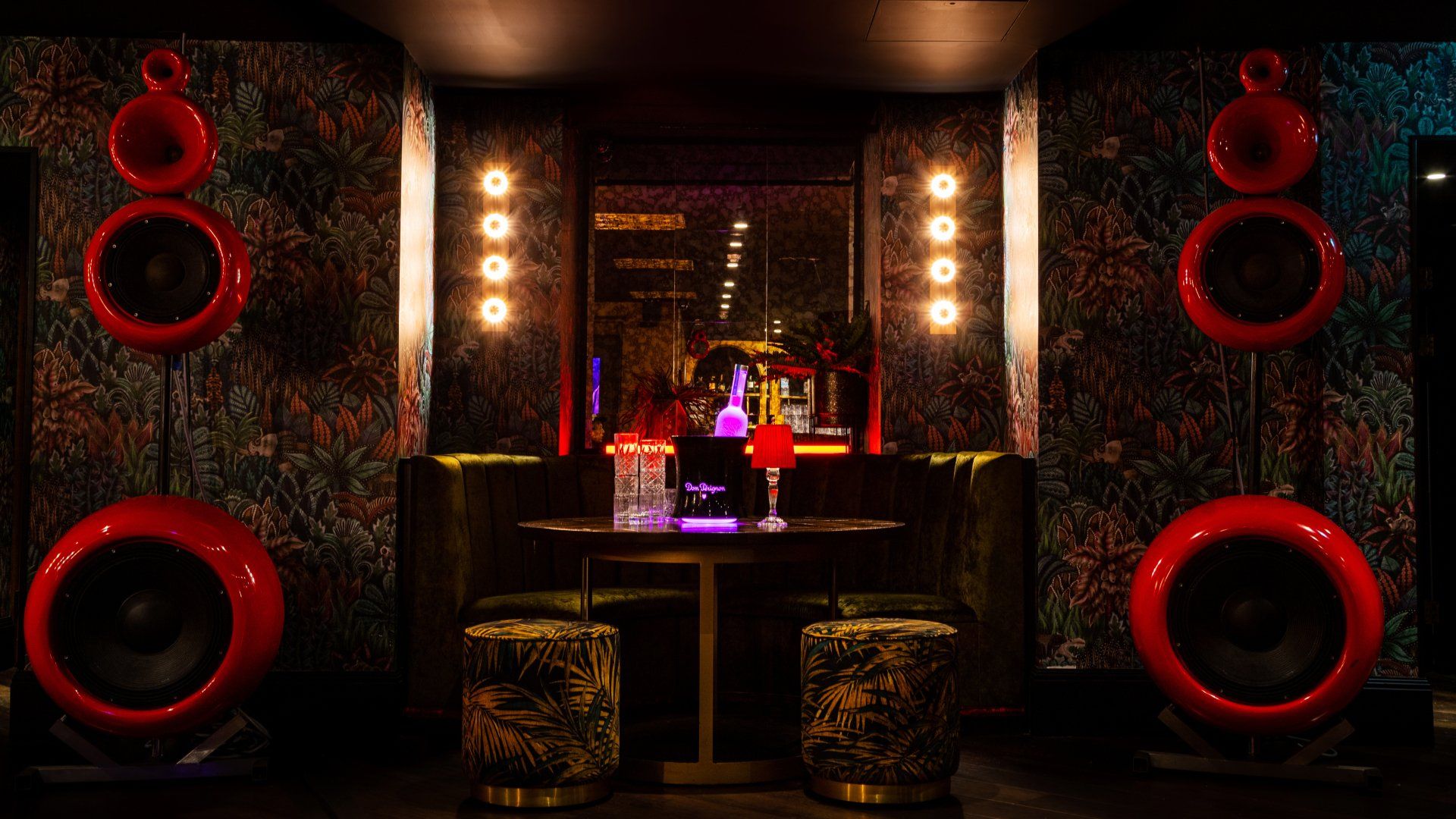
NEW MEMBERS’ CLUB CHRISTABEL’S TO OPEN IN LONDON’S SOHO
By CHRISTABELS
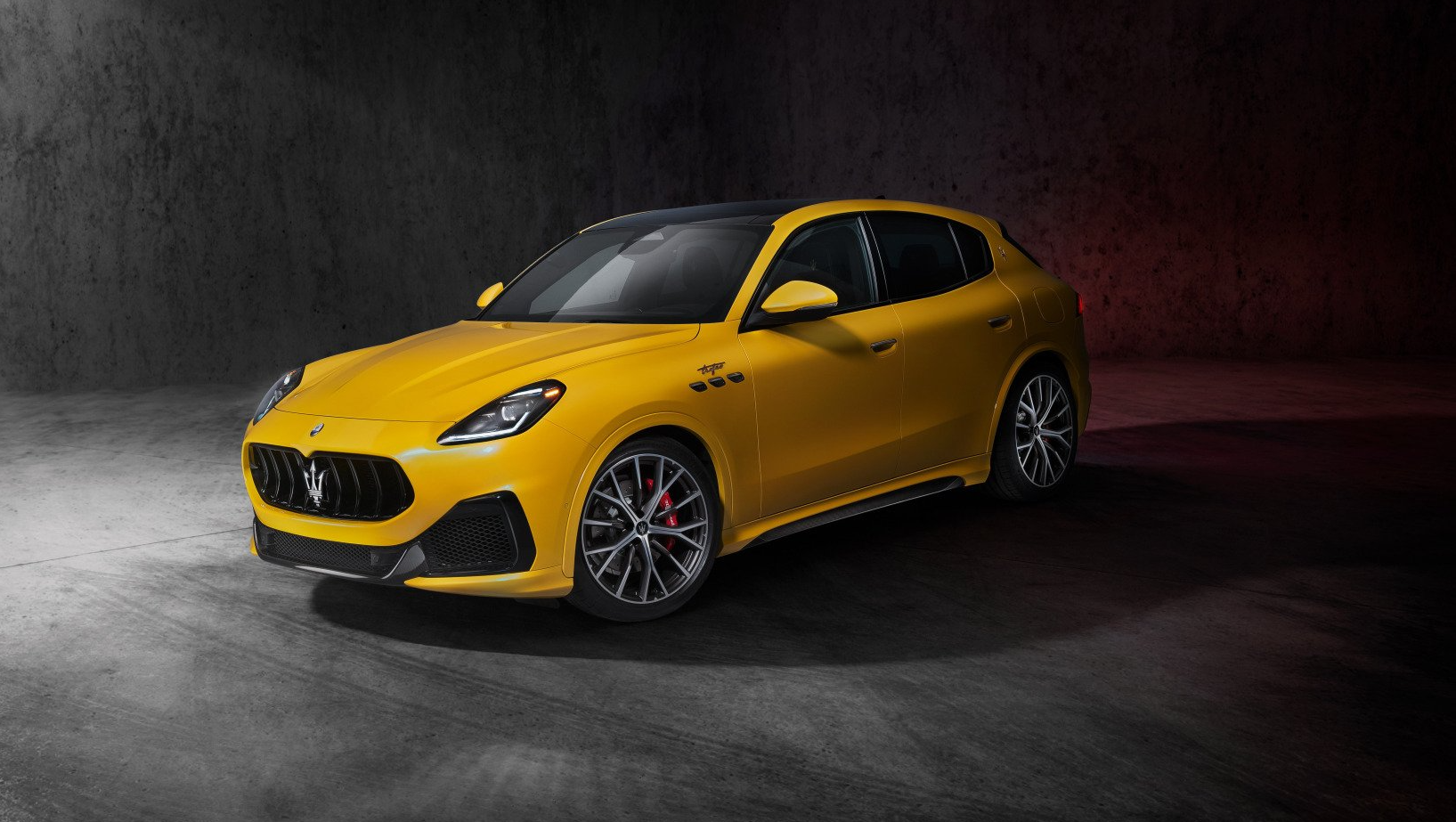

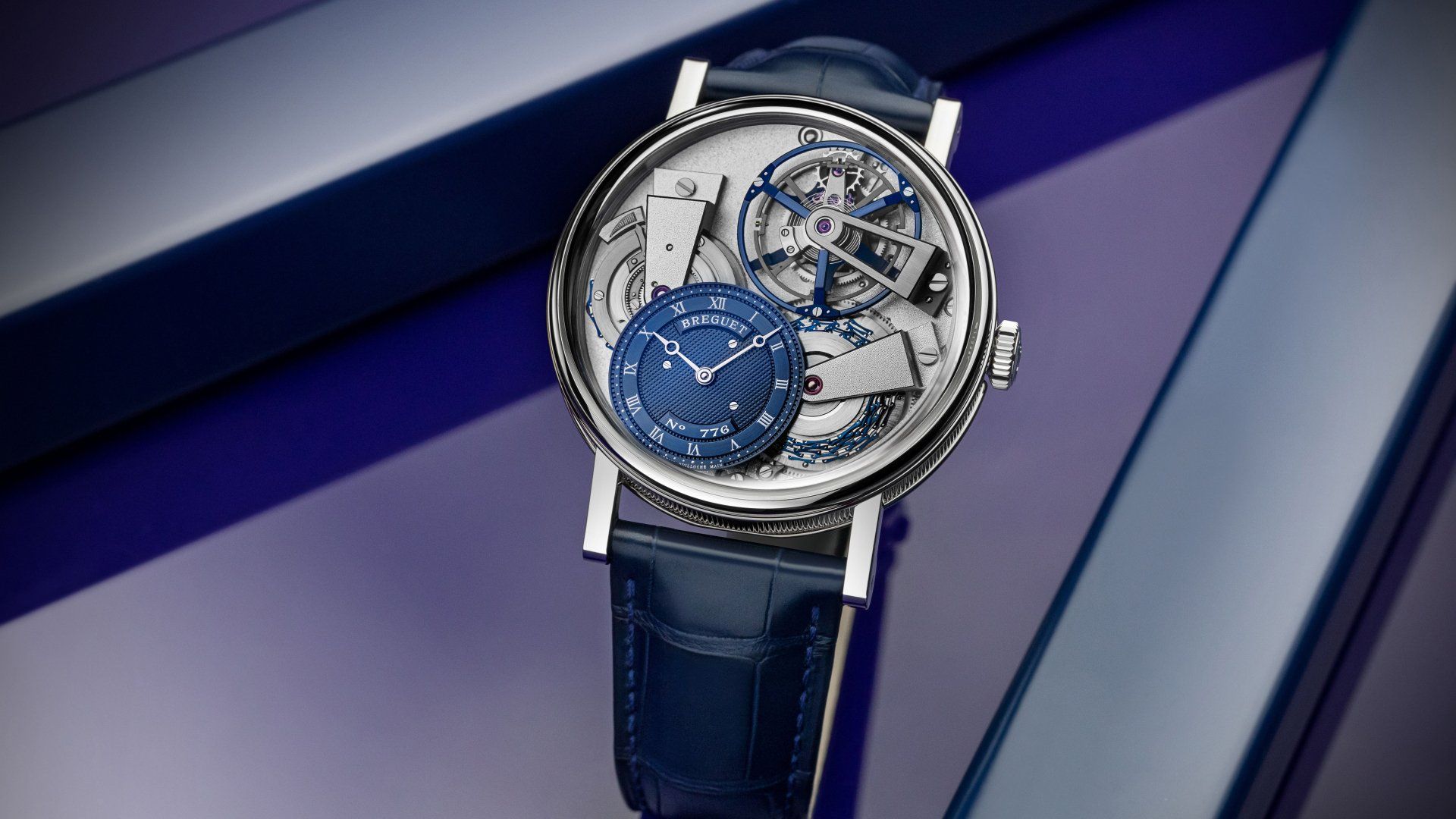
BERGUET TRADITION TOURBILLON 7047
By Berguet
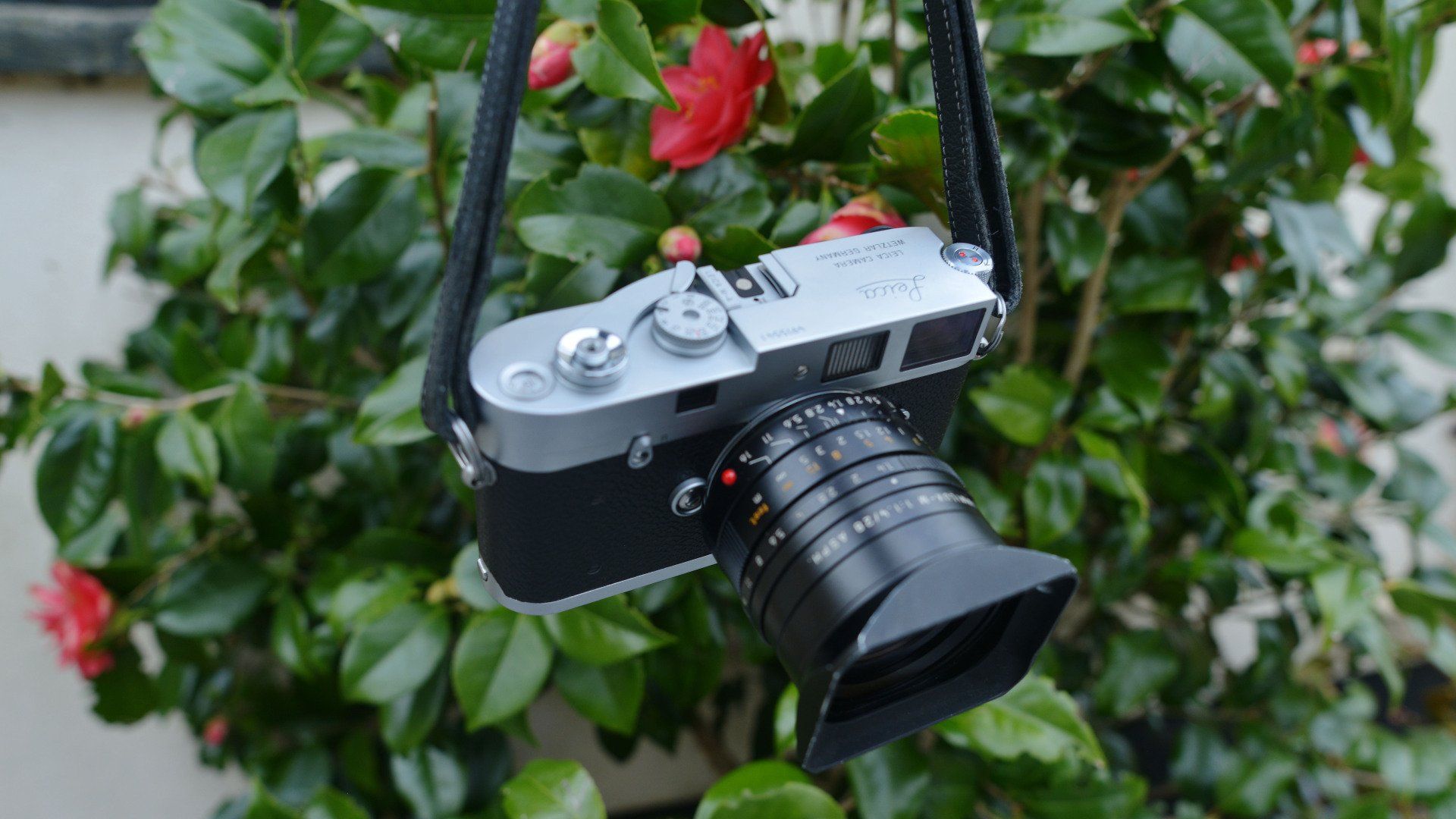
LEICA M-A REVIEW
By The Gentleman Magazine

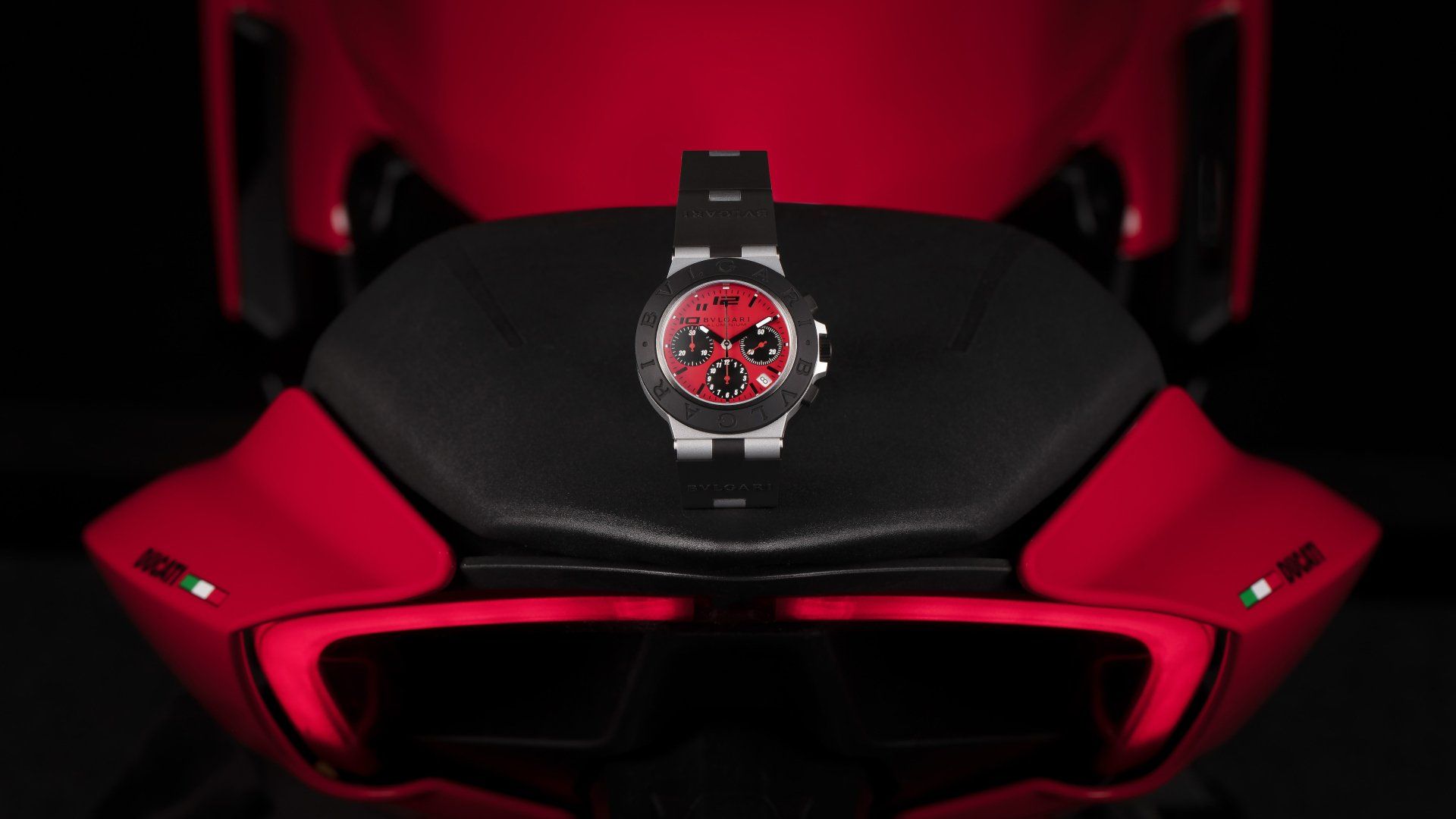
BULGARI X DUCATI: AN EXCLUSIVE COLLABORATION
By Ducati
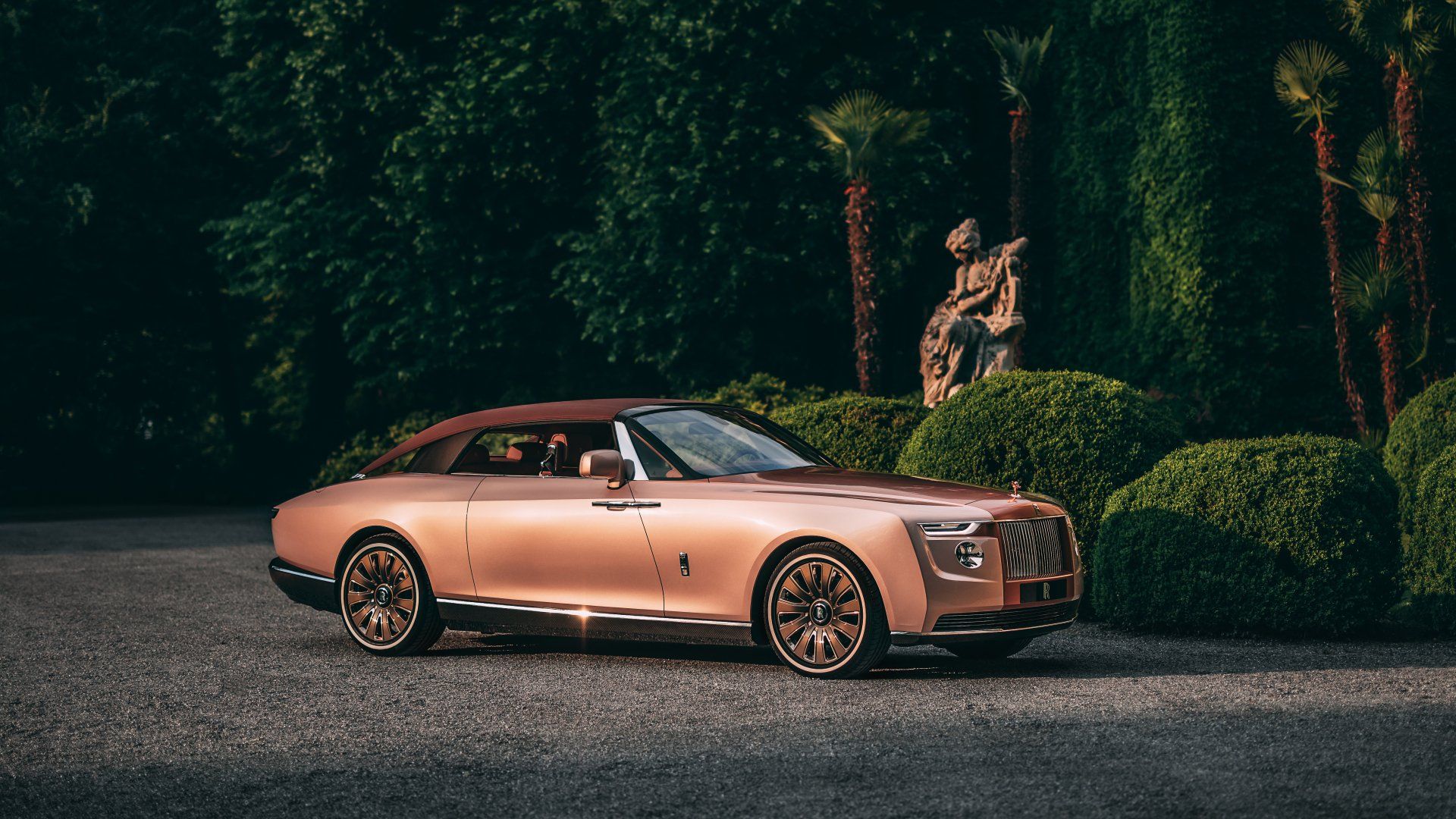
ROLLS-ROYCE ANNOUNCE NEW COACHBUILT BOAT TAIL
By Rolls-Royce
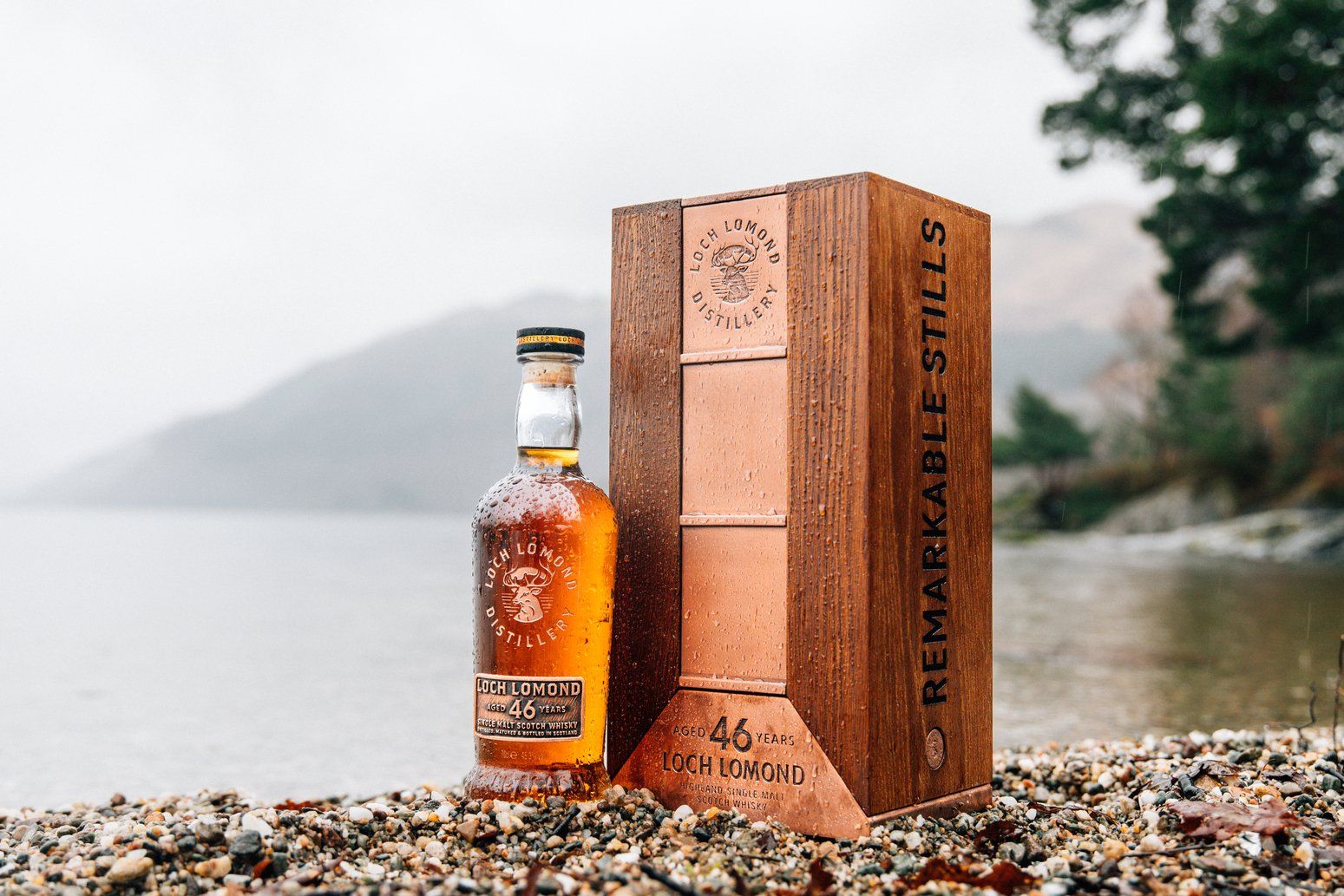


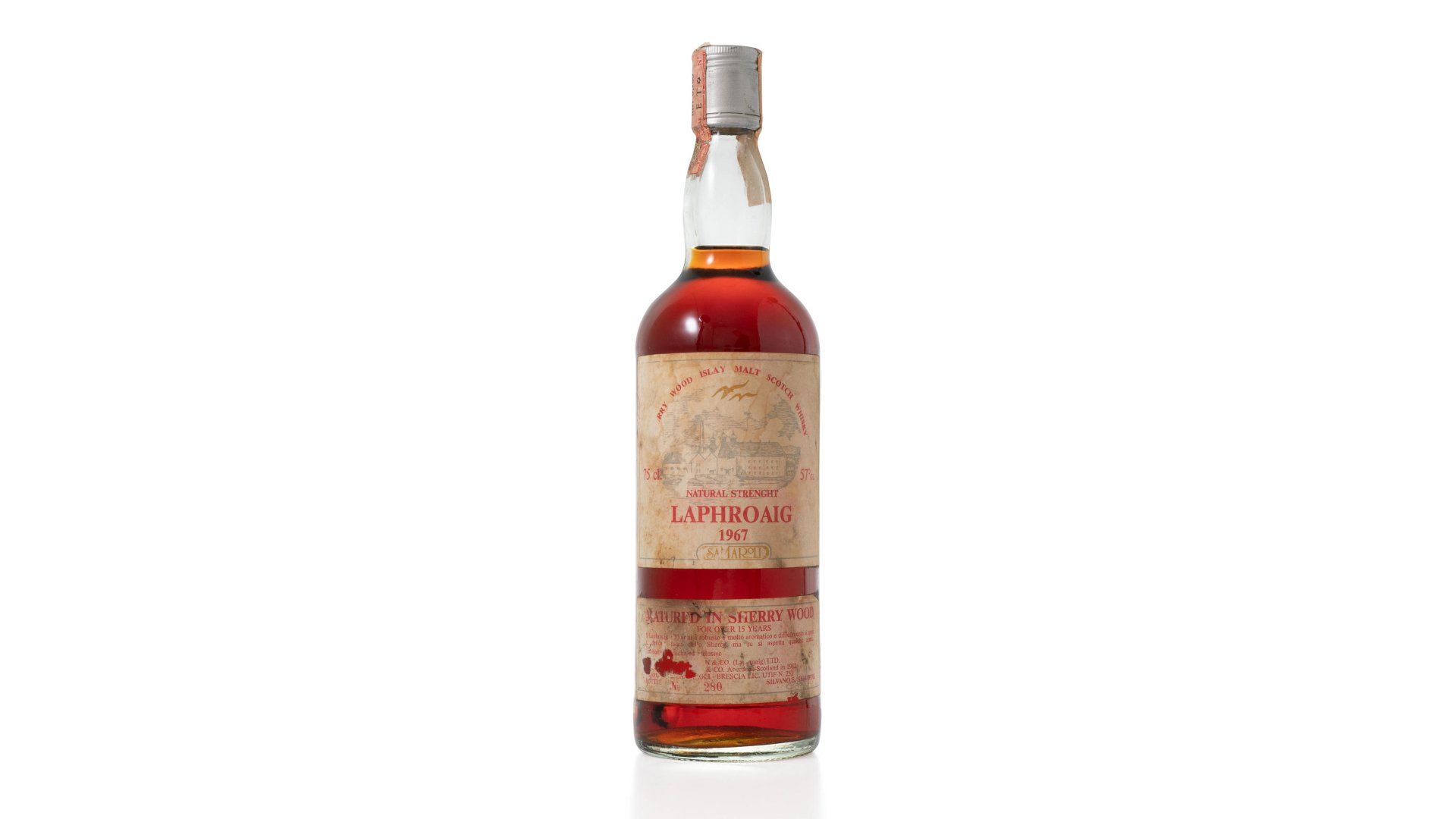
BONHAMS LAUNCHES FIRST WHISKY AND SPIRITS SALE IN PARIS
By Bonhams
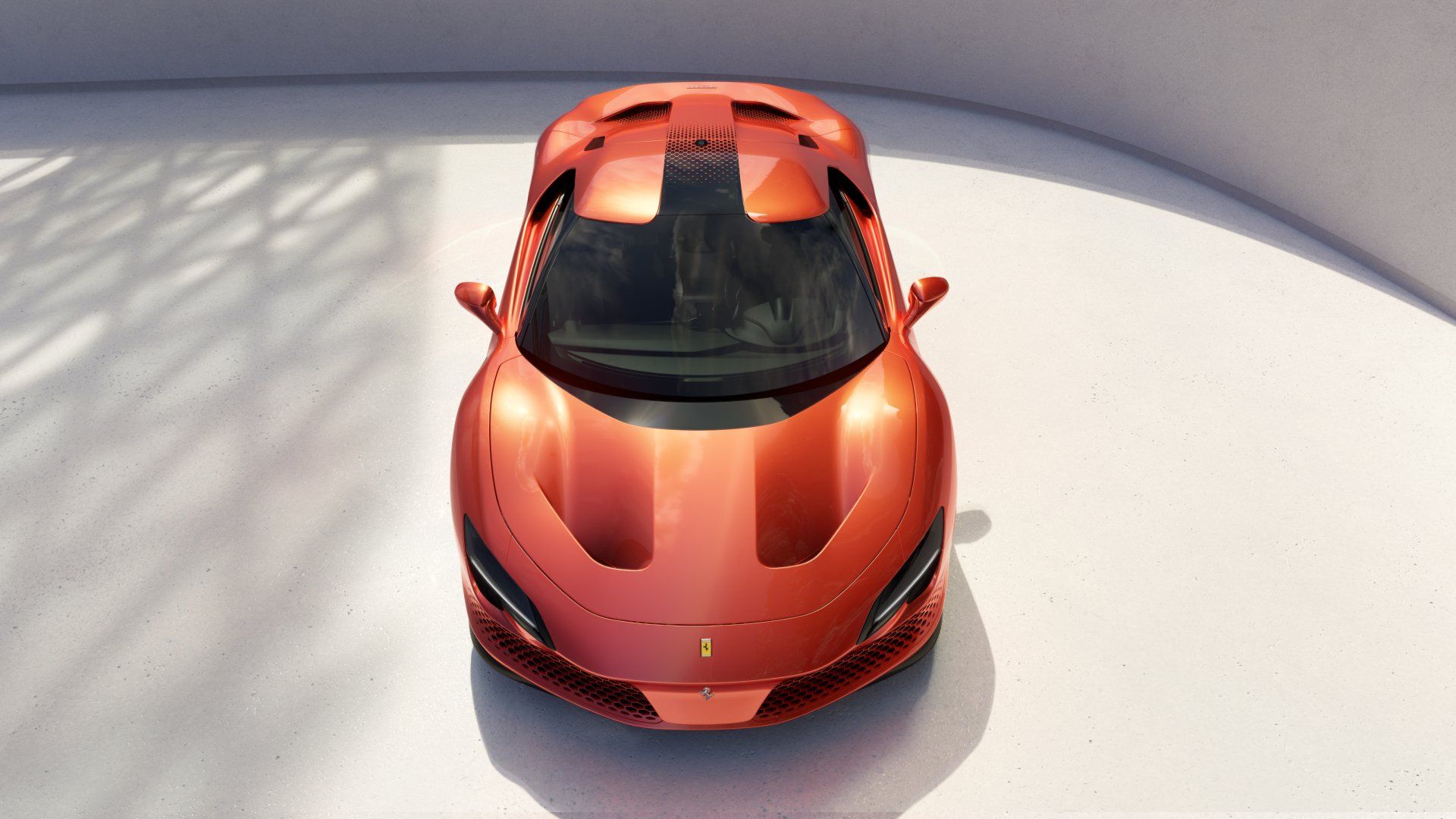
FERRARI SP48 UNICA: A NEW ONE-OFF FROM MARANELLO
By Ferrari
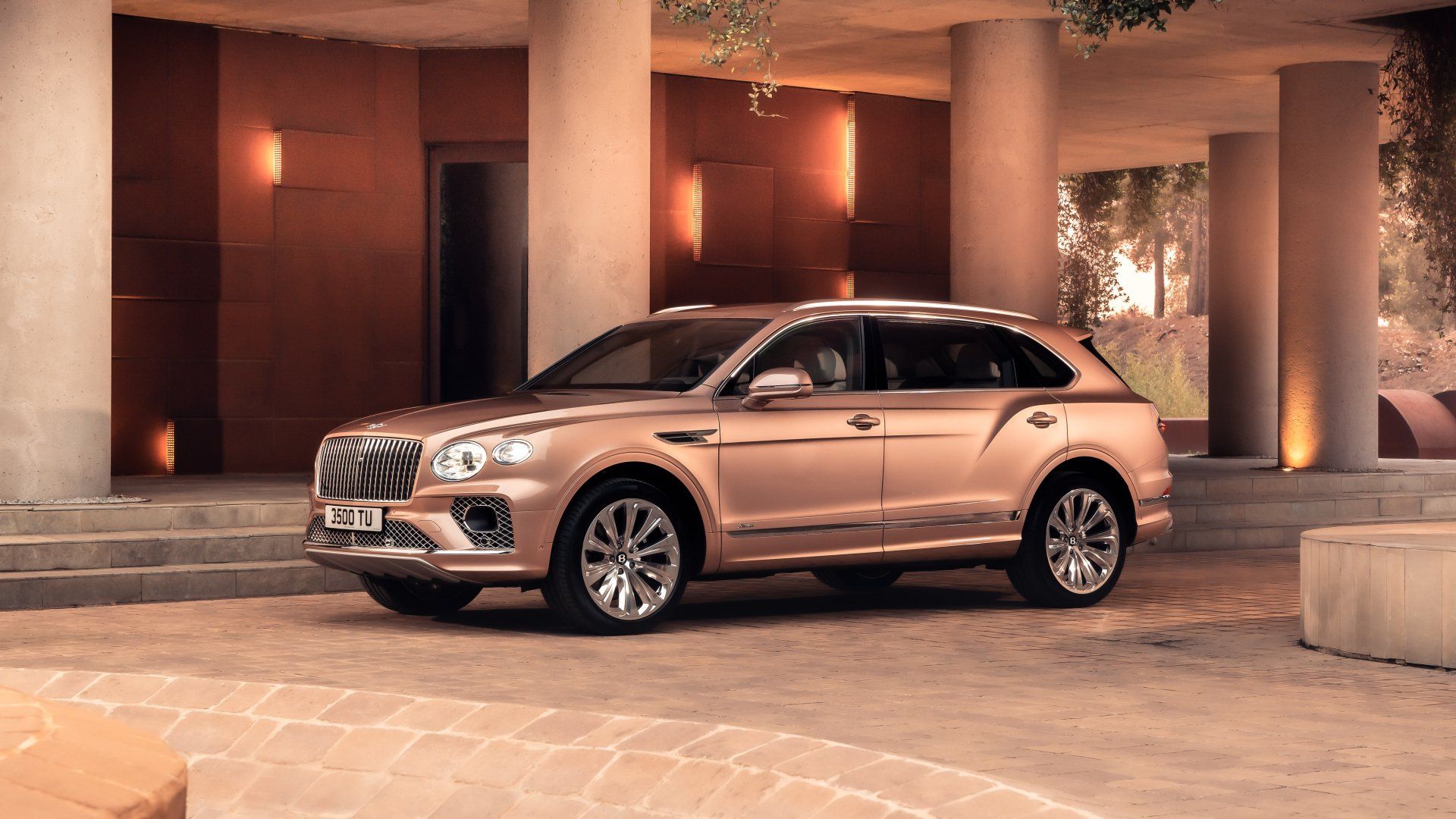




ARES MODENA PRESENTS ITS LATEST OPEN-AIR SUPERCAR: THE ARES S1 SPEEDSTER
By Ares Modena
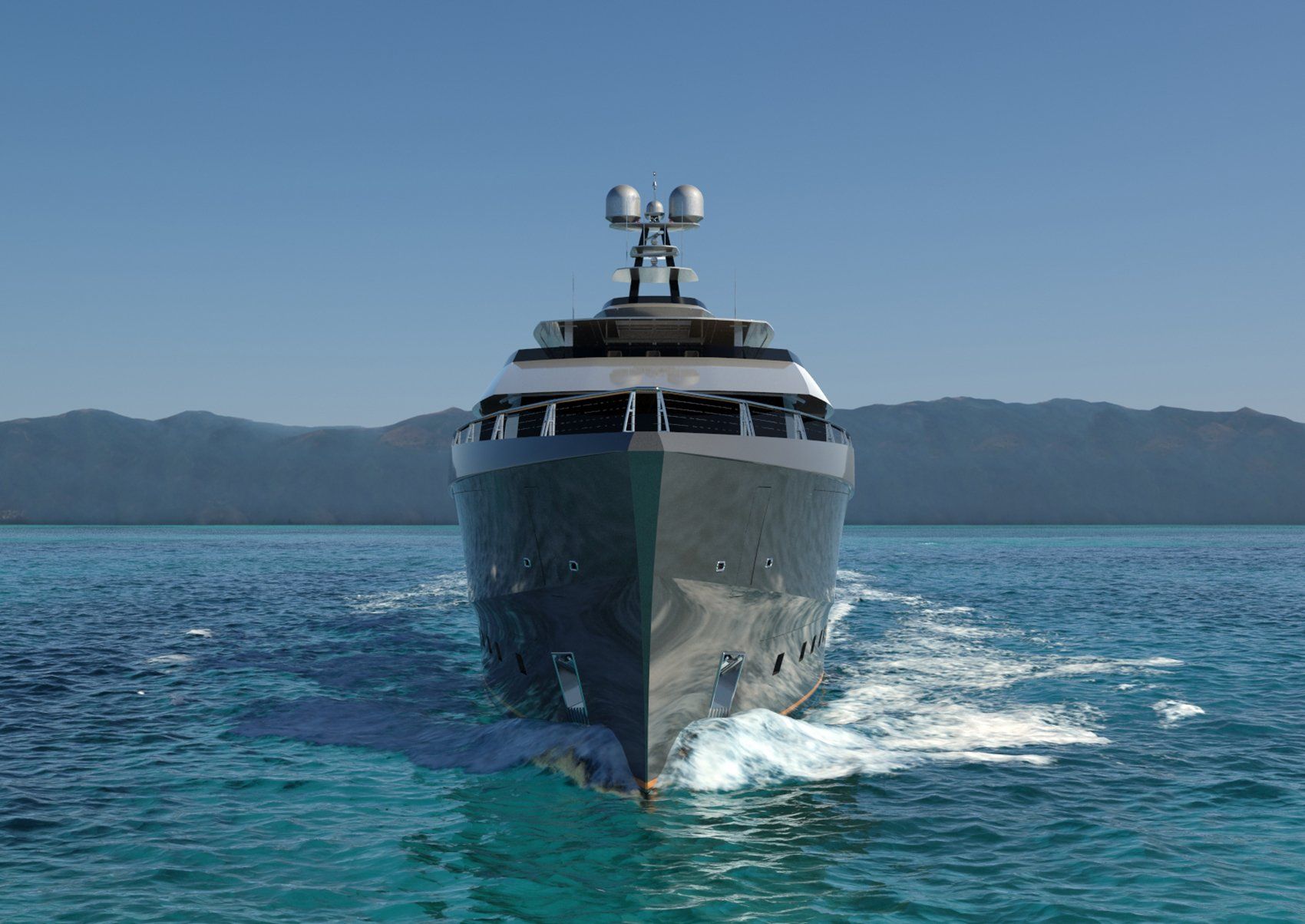
$95,000,000 NFT ON THE MLS* “PROJECT METAVERSE”
By Cloud Yachts
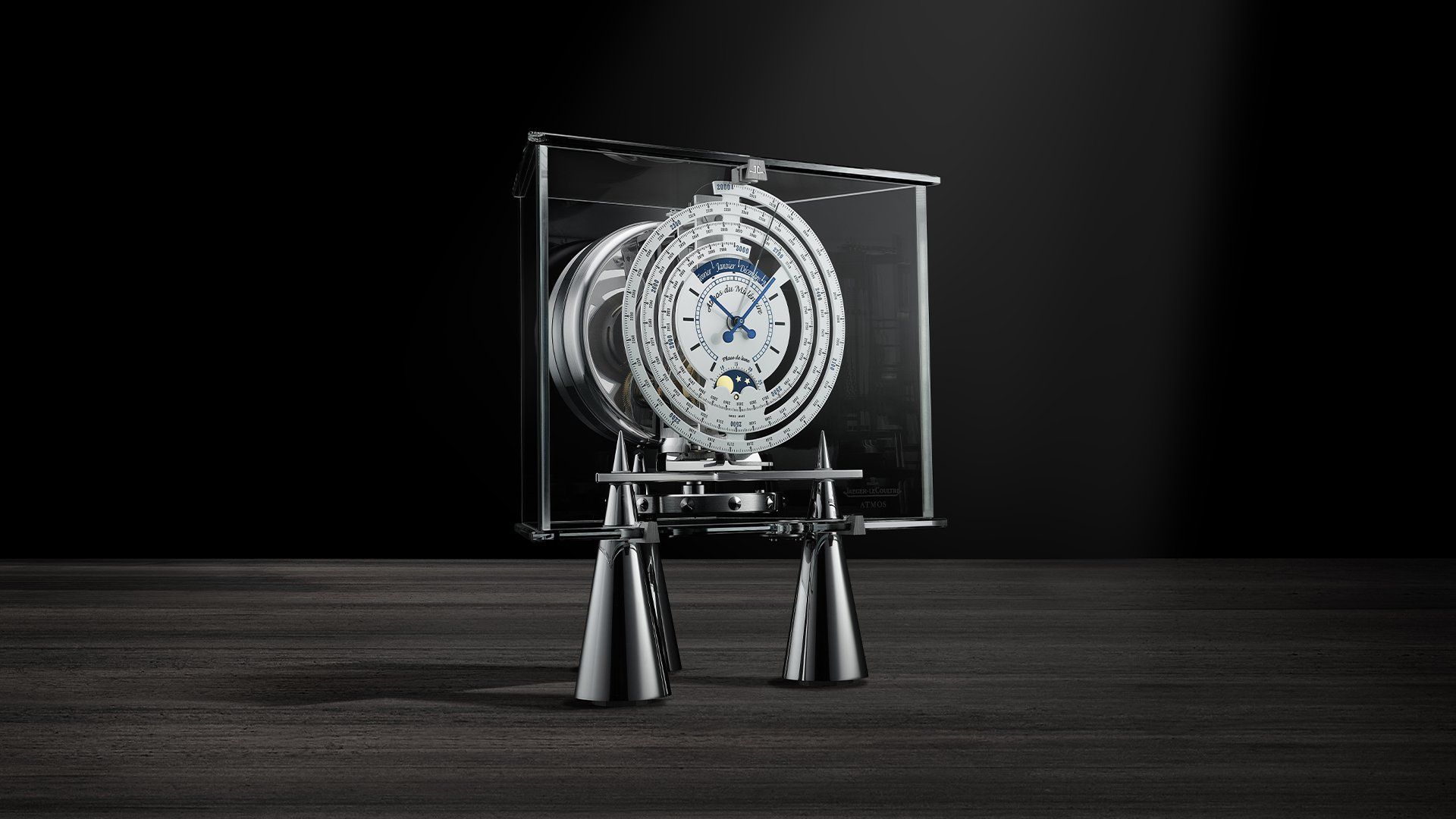

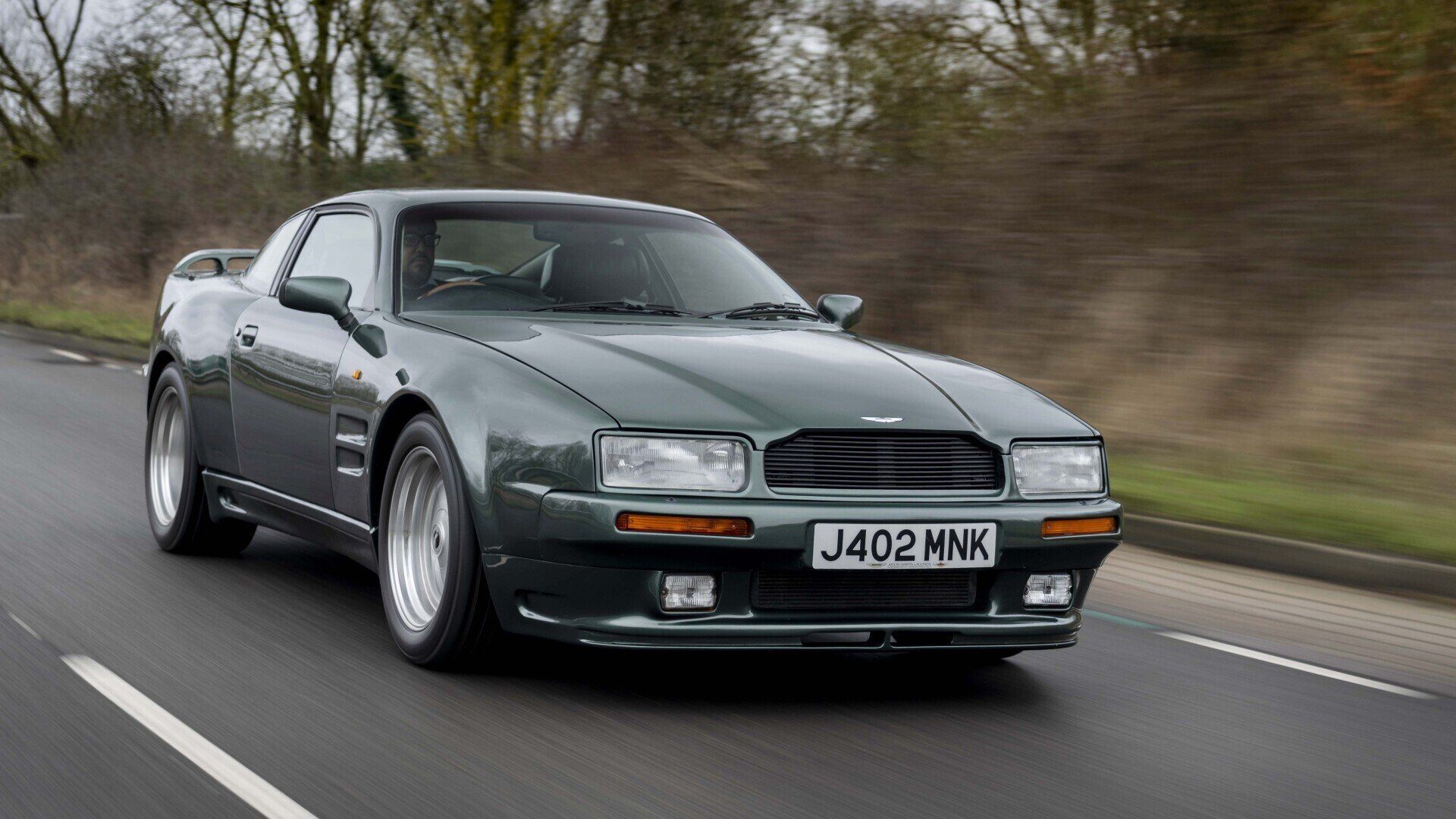
ASTON MARTIN WORKS MARKS THE ANNIVERSARY OF A TRUE BRITISH CLASSIC
By Aston Martin
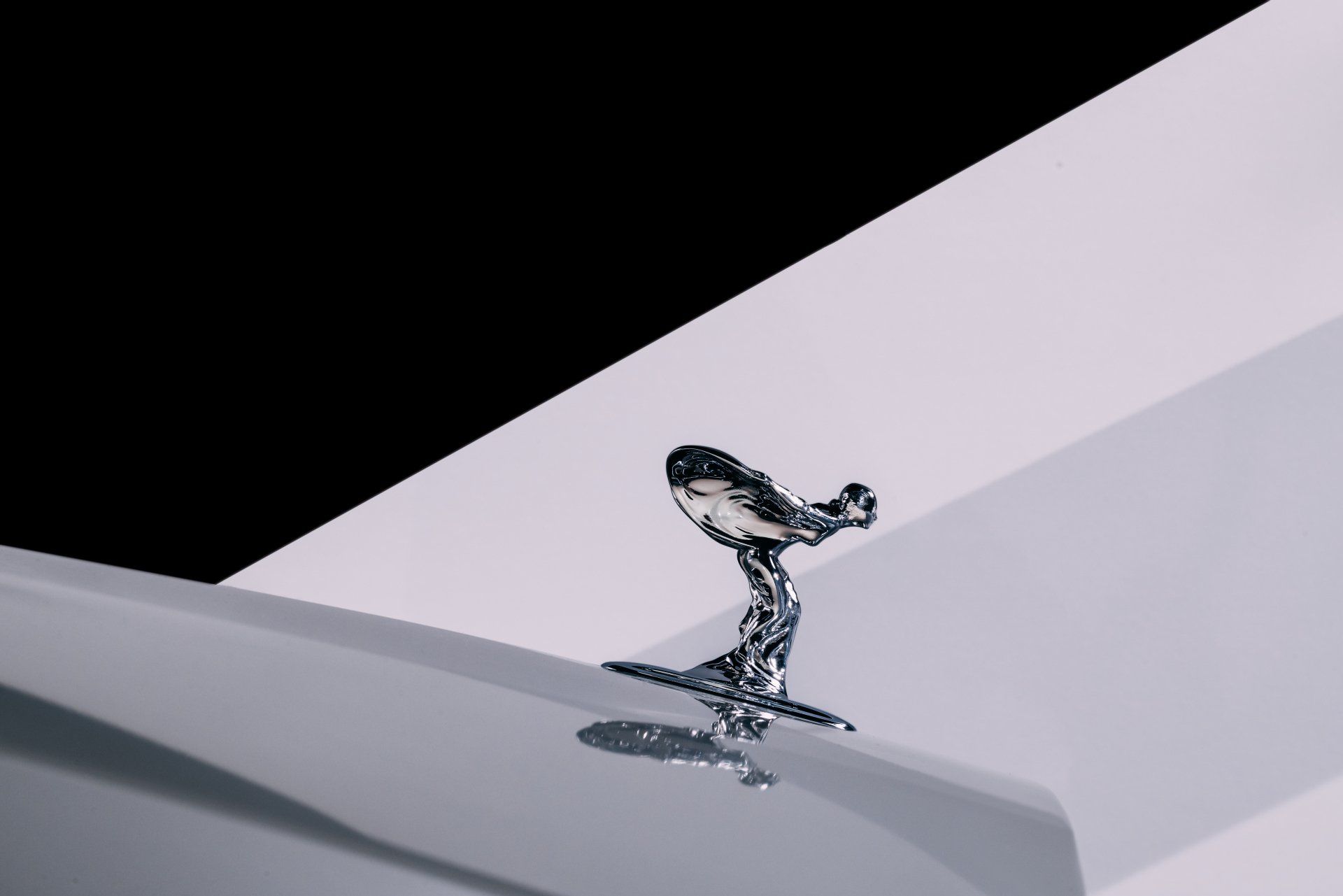
SPIRIT OF ECSTASY REDESIGNED FOR MOST AERODYNAMIC ROLLS-ROYCE EVER
By Rolls-Royce


THE PASSION FOR DUCATI HAS NEVER BEEN GREATER
By Ducati
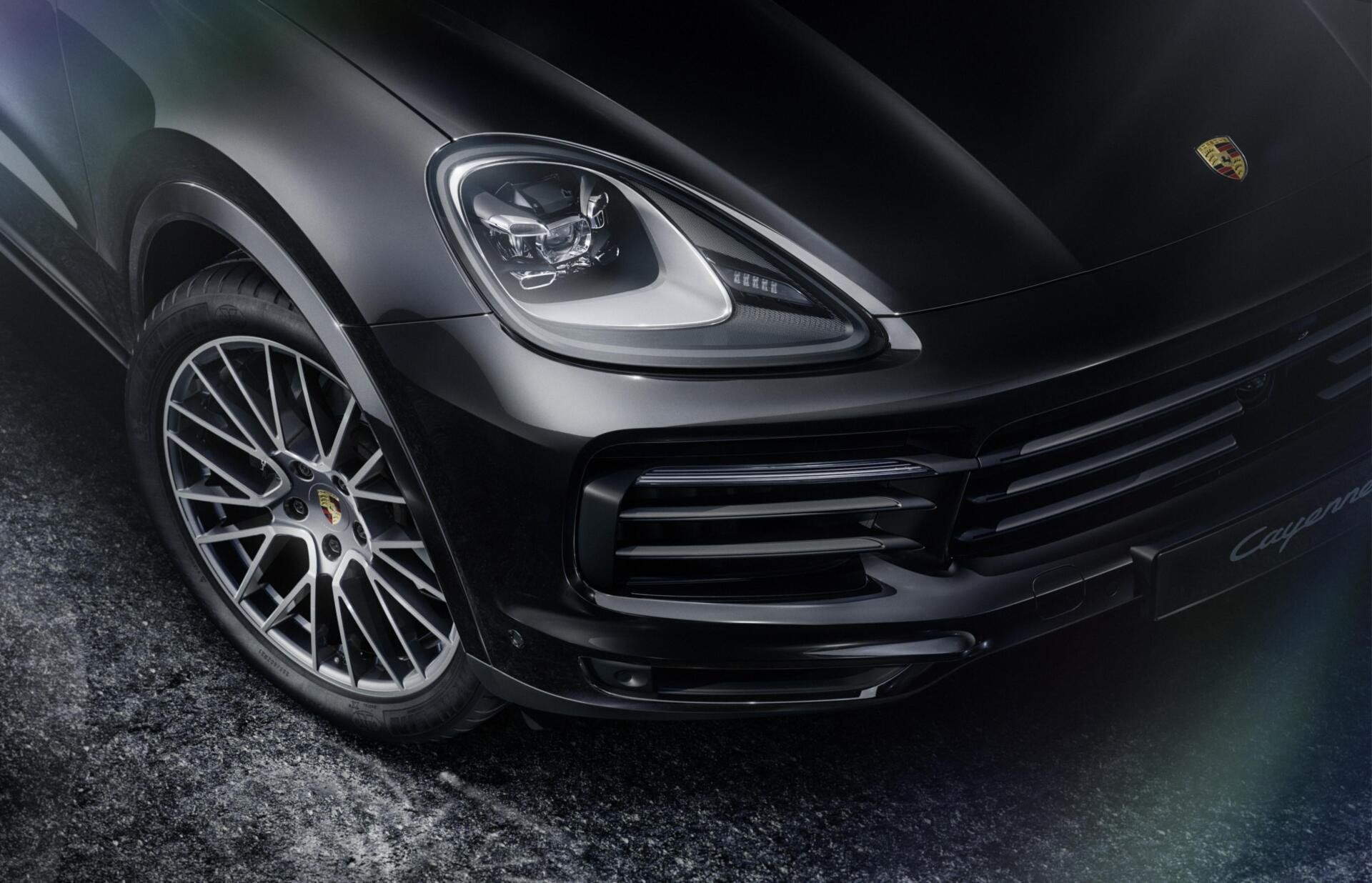
THE NEW PORSCHE CAYENNE PLATINUM EDITION
By Porsche




FLYING SPUR HYBRID CROSSES ICELAND ON RENEWABLE ENERGY
By Bentley
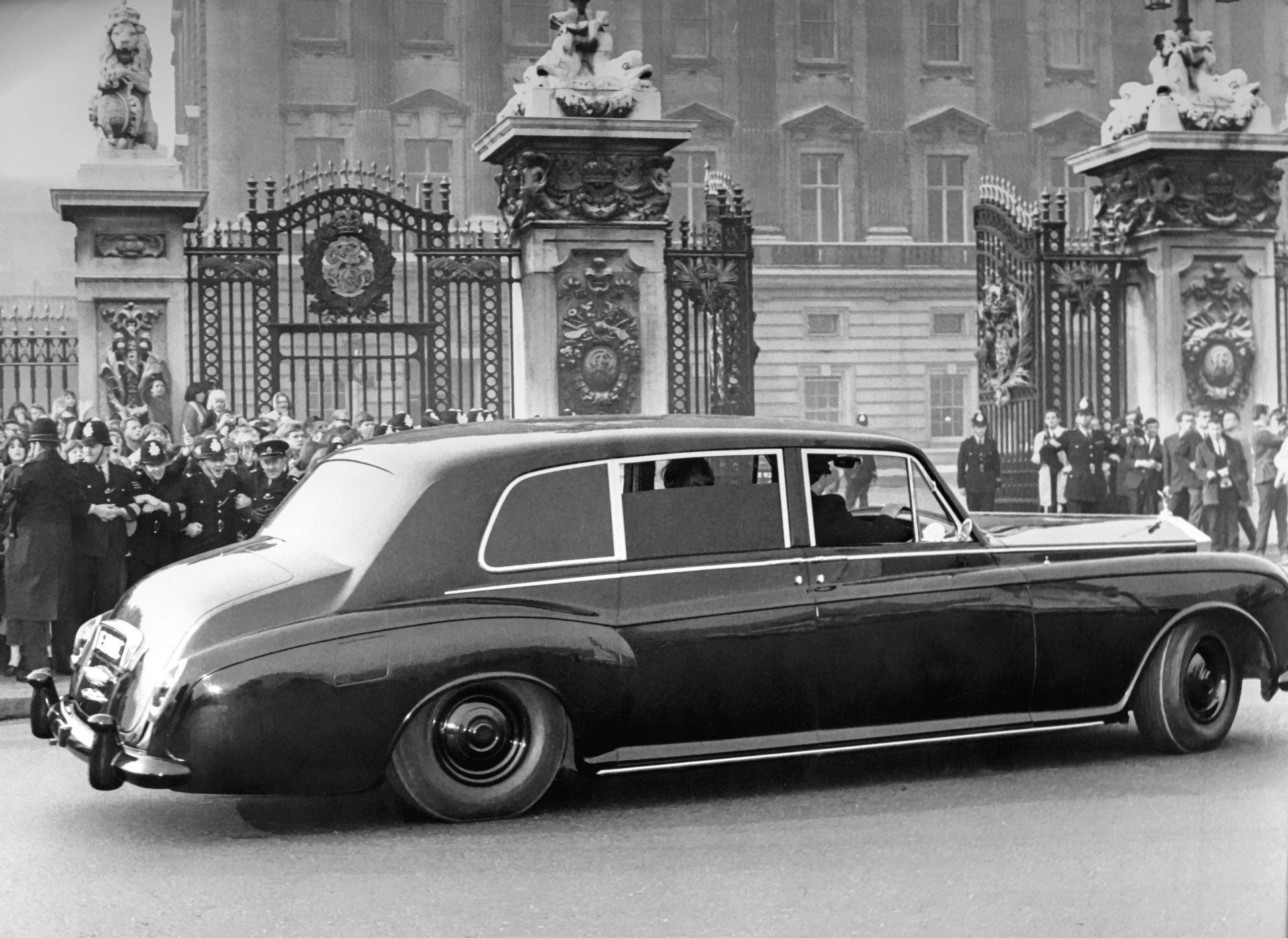
ROLLS-ROYCE BLACK BADGE: BORN FROM HERITAGE
By Dr Sebastian Oakley FRSA


BENTAYGA SPEED TURNS ÉTOILE TO CELEBRATE RUSSIAN BALLET
By Bentley

LEXUS NX ART OF FEELING MORE REPORT REVEALS THE IMPORTANCE OF DANCE FOR WELLBEING
By Lexus


CELEBRATING AN 80-YEAR LEGACY: THE HASSELBLAD 907X ANNIVERSARY EDITION KIT
By Hasselblad
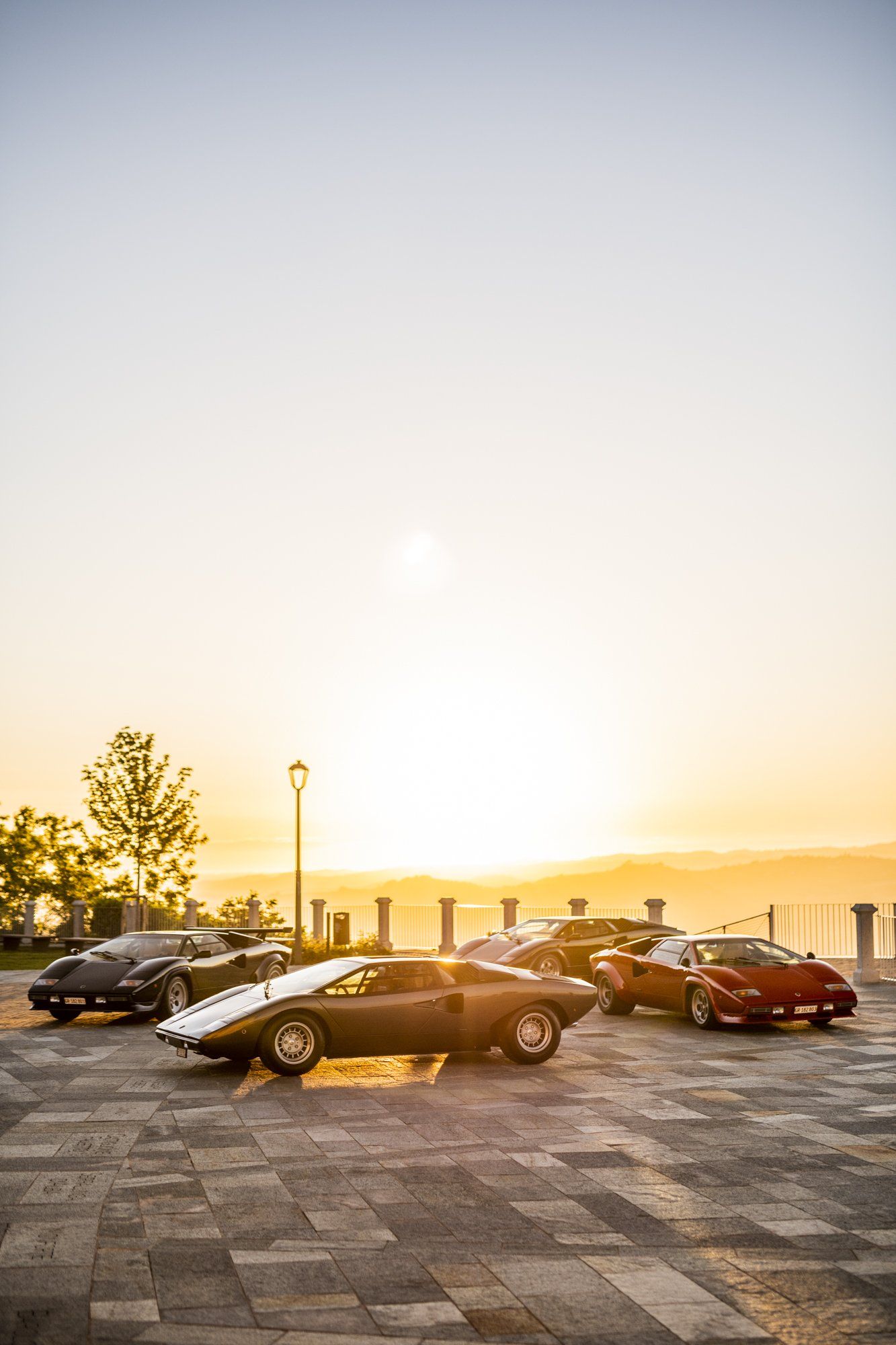
THE LEGACY OF THE LAMBORGHINI COUNTACH IN A VIDEO SERIES
By Lamborghini


BENTLEY ANNOUNCES BOARD OF MANAGEMENT CHANGES
By Bentley
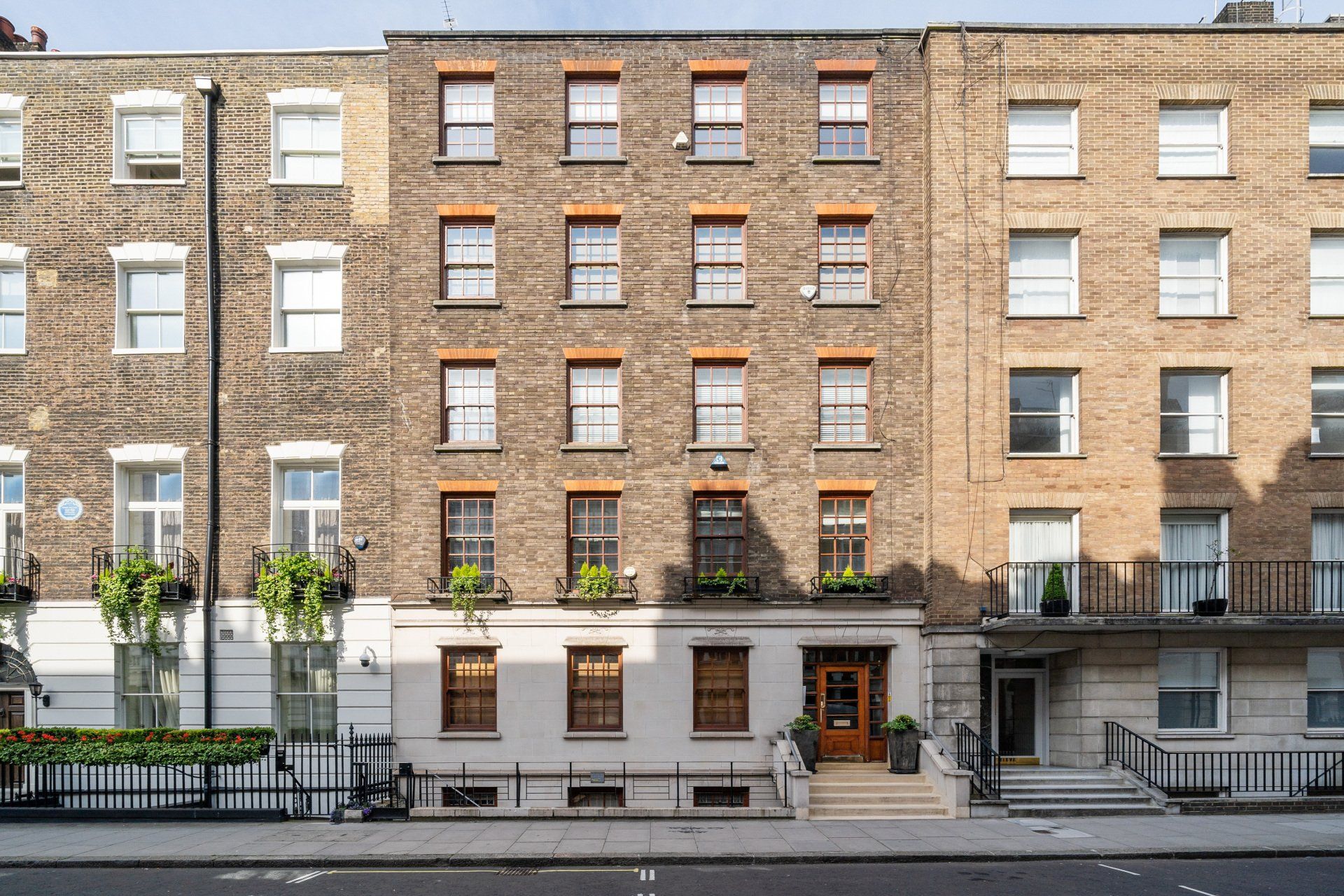
WIMPOLE STREET, W1
By Dr Sebastian Oakley FRSA
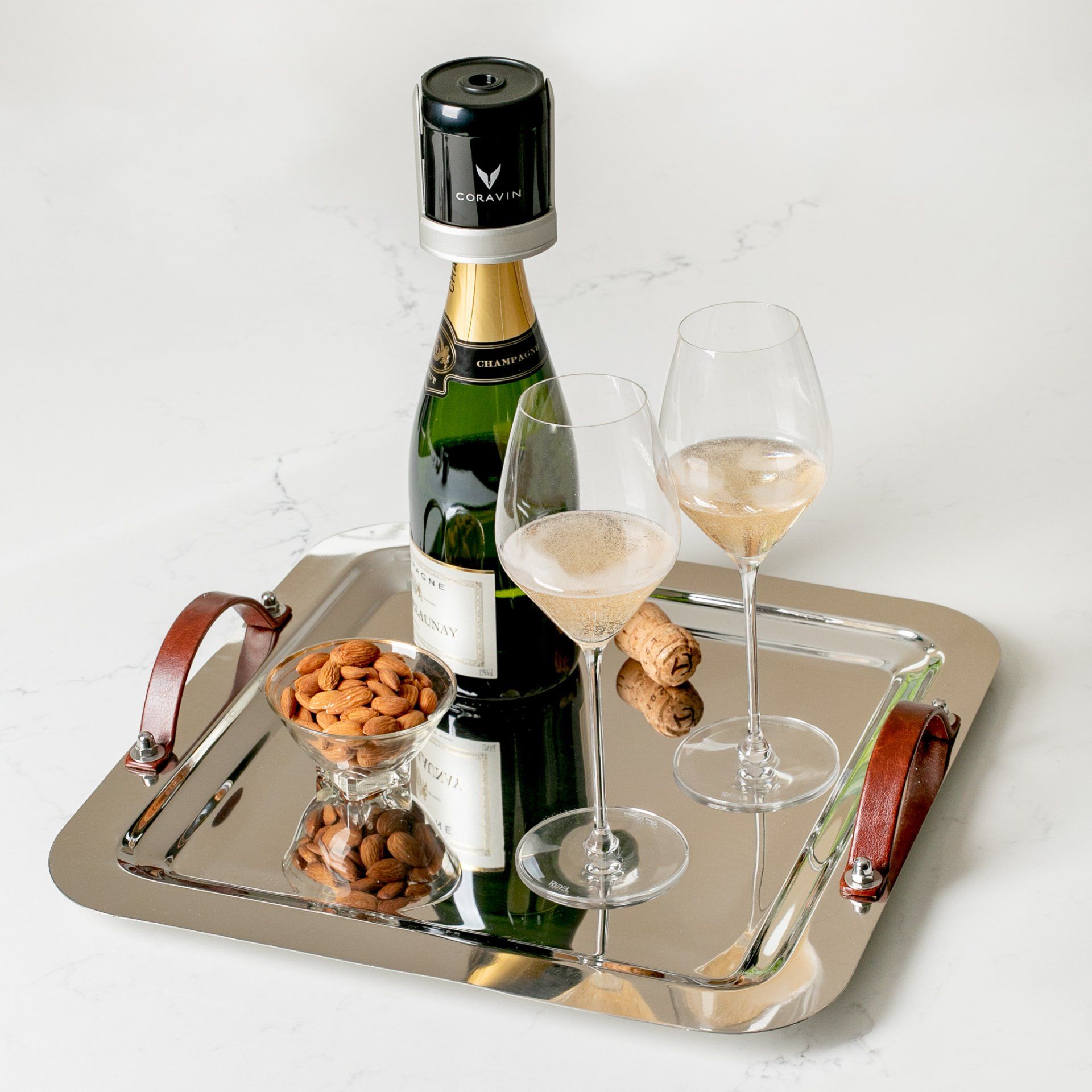

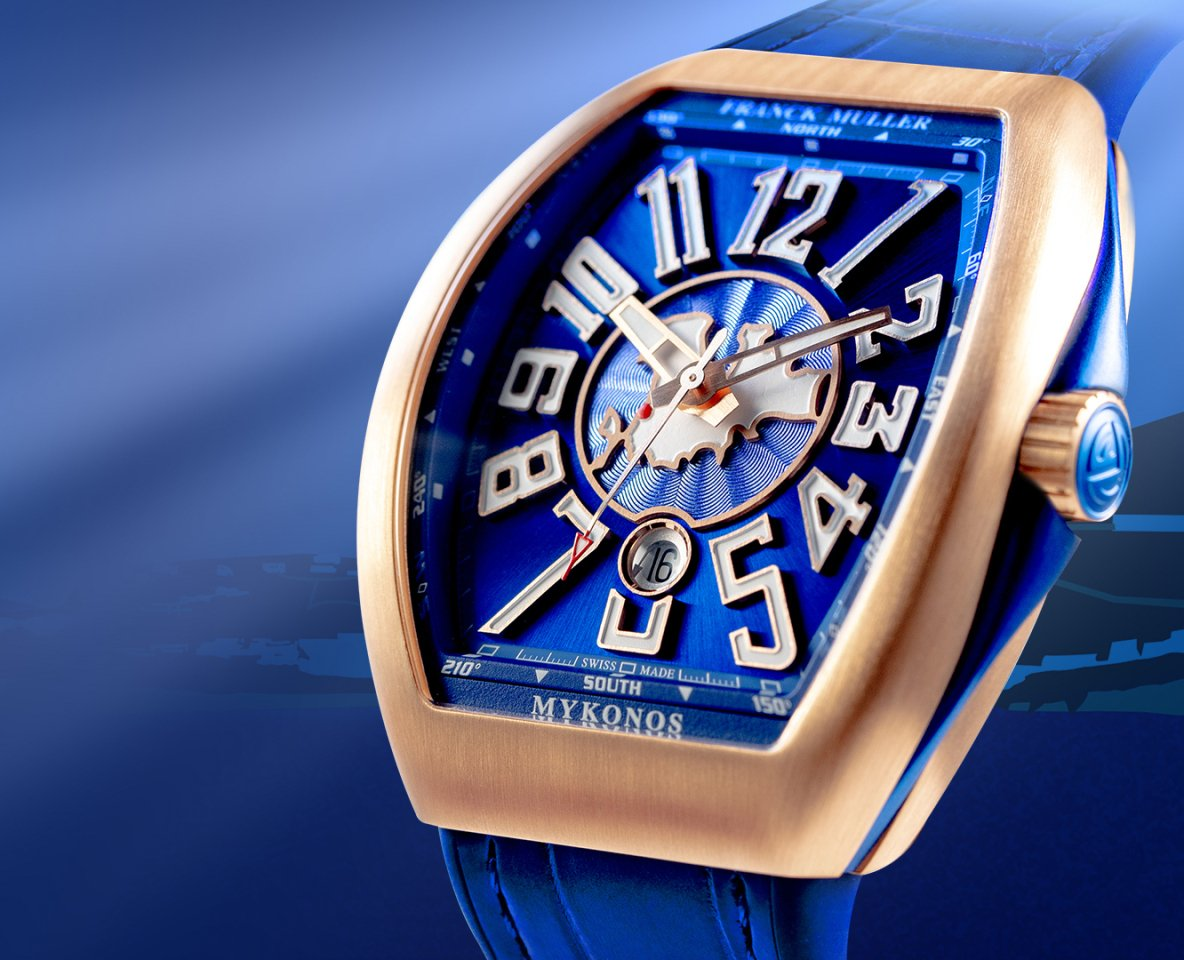
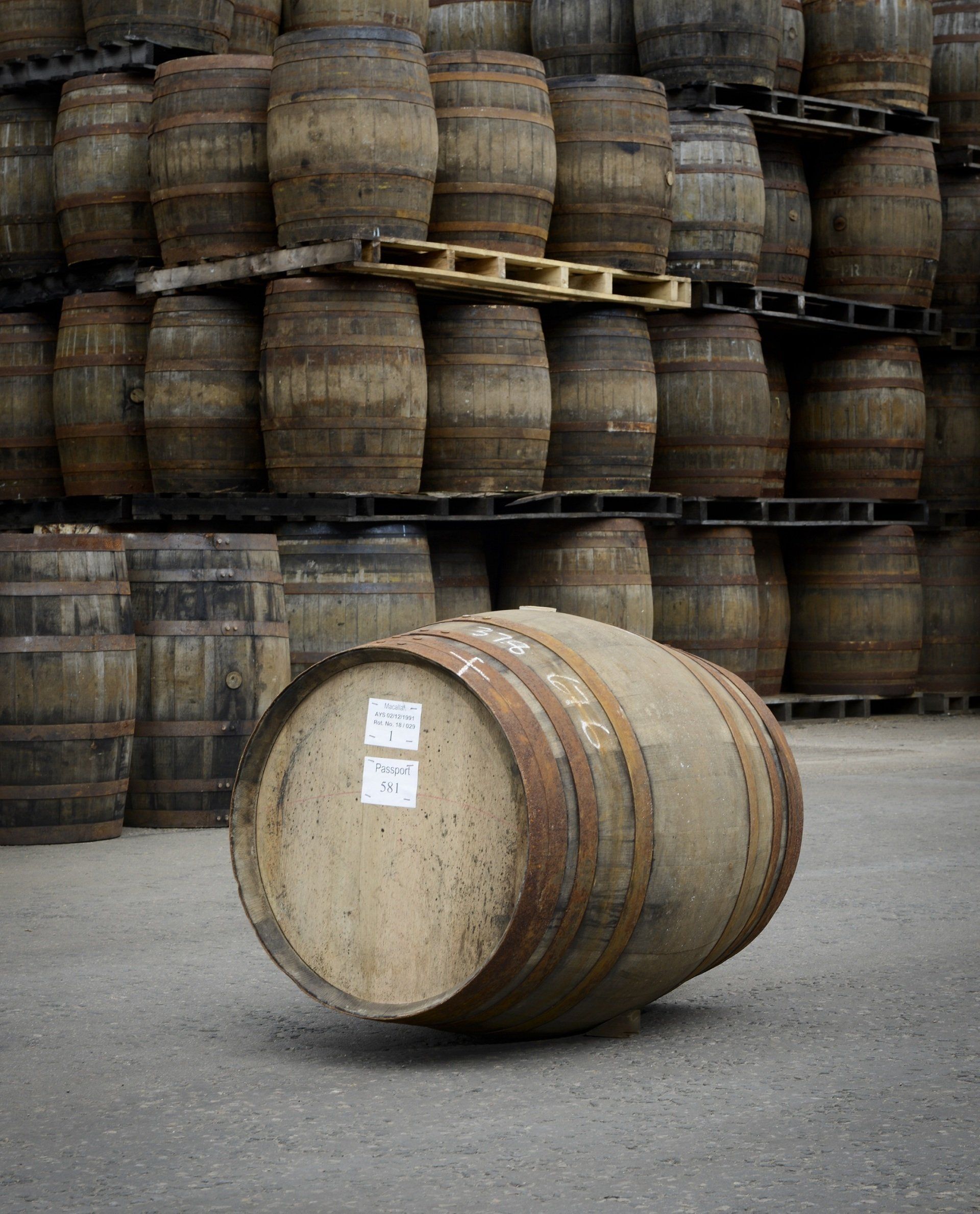
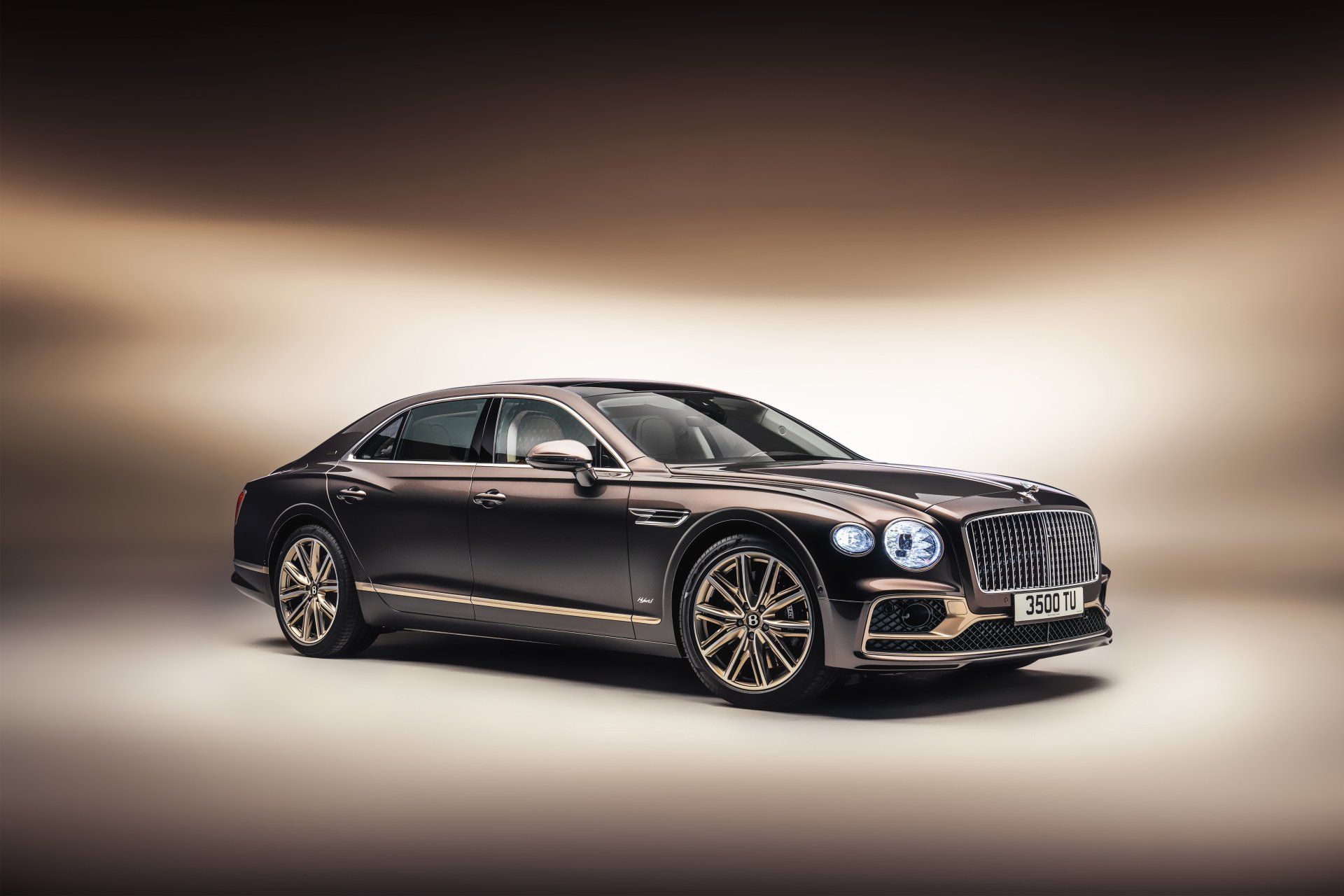
FLYING SPUR HYBRID ODYSSEAN EDITION: A GLIMPSE INTO BENTLEY’S FUTURE
By Bentley
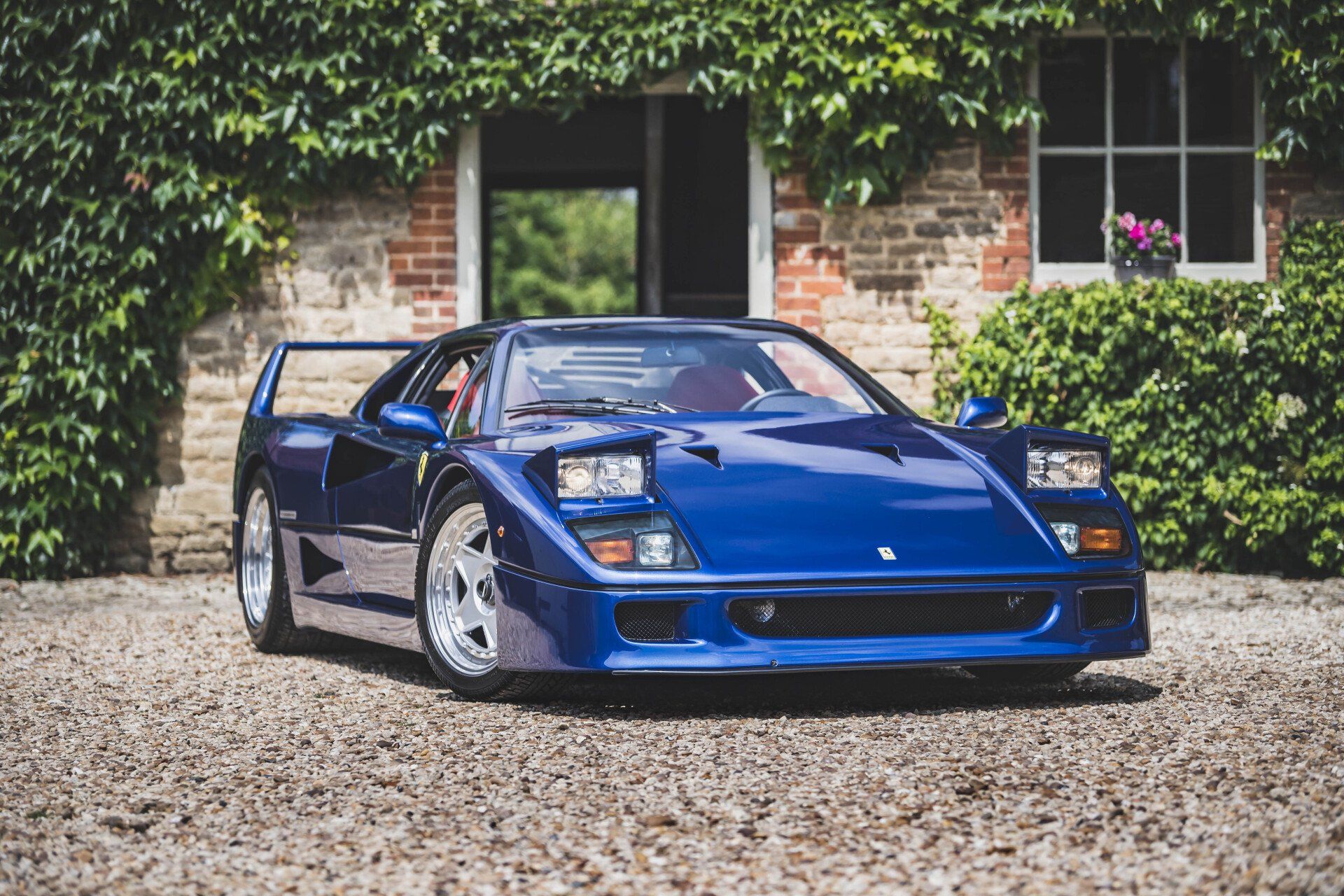
FAMOUS BLUE FERRARI F40 MAKES RECORD-BREAKING £1 MILLION ON THE MARKET ONLINE PLATFORM
By Bonhams



BREGUET ANNOUNCES THE APPOINTMENT OF ITS NEW CEO
By Montres Breguet

RIMAC AND BUGATTI COMBINE FORCES IN HISTORIC NEW VENTURE
By Dr Sebastian Oakley FRSA

Monkey 47 x Henry Poole & Co: Bringing a wunderbar Father's Day
By Lucy Piper

HOUSE OF JÖRO BOUTIQUE HOTEL IN SHEFFIELD LAUNCHES IN TIME FOR A SUMMER OF STAYCATIONS
By ISABELLA DANILCZUK




BUGATTI’S MOST BEAUTIFUL RACER JOINS CONCOURS OF ELEGANCE 2021
By Linden Bray
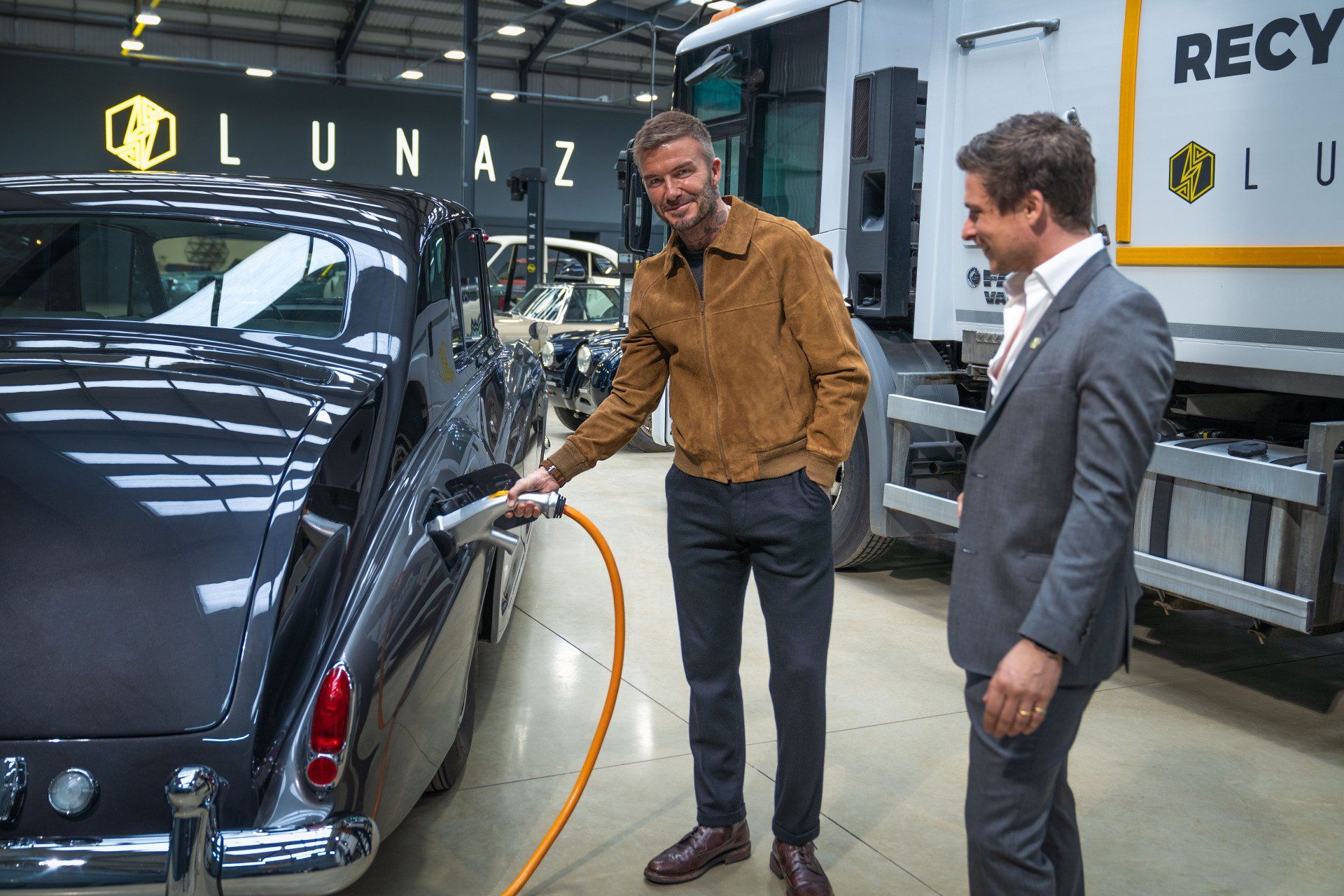
David Beckham Invests in Lunaz
By Lunza




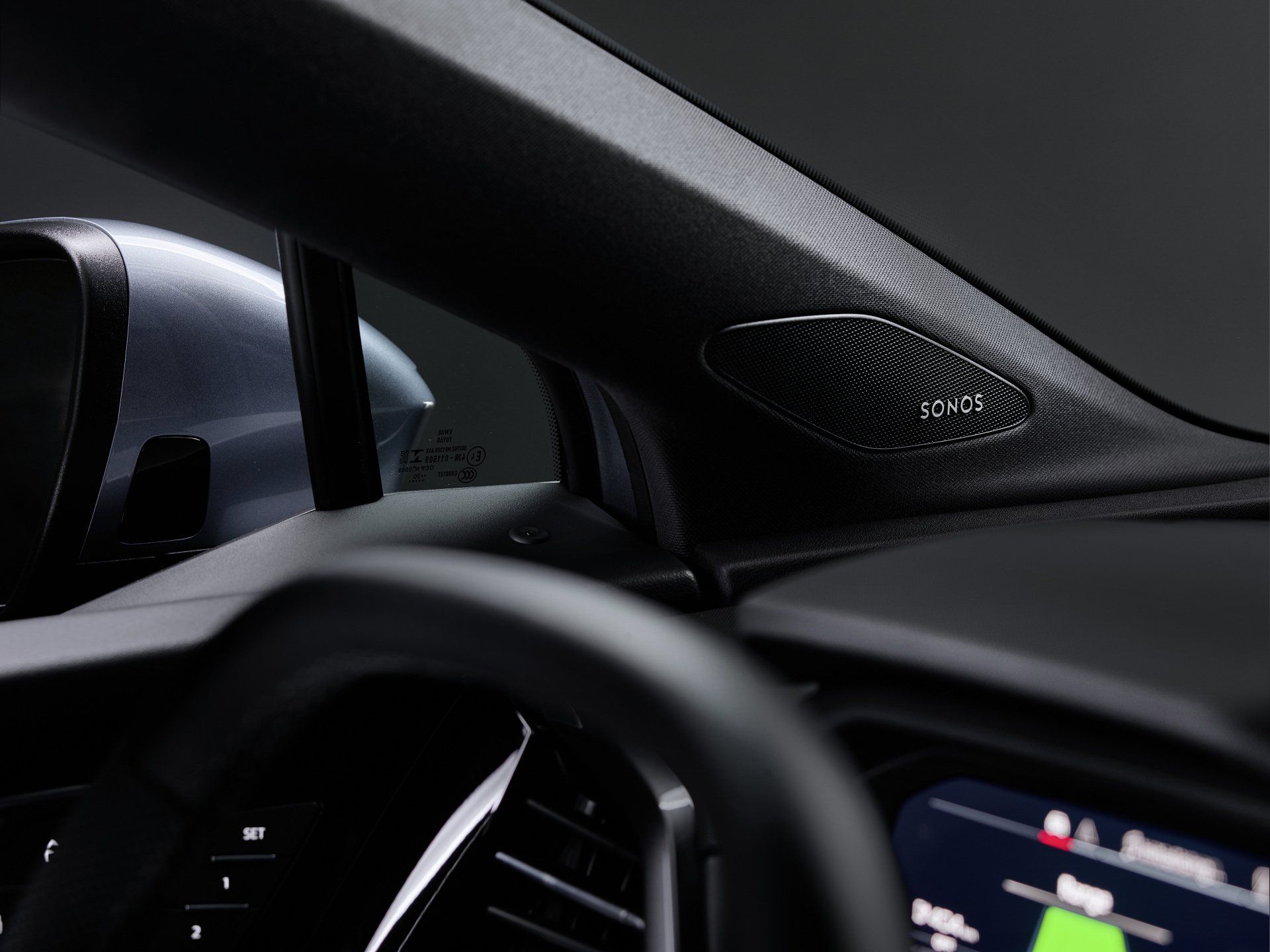
BASS, TREBLE, COLOUR AND CONTRAST – AUDI ADJUSTS ITS SET FOR THE 2022 MODEL YEAR
By Gavin Ward
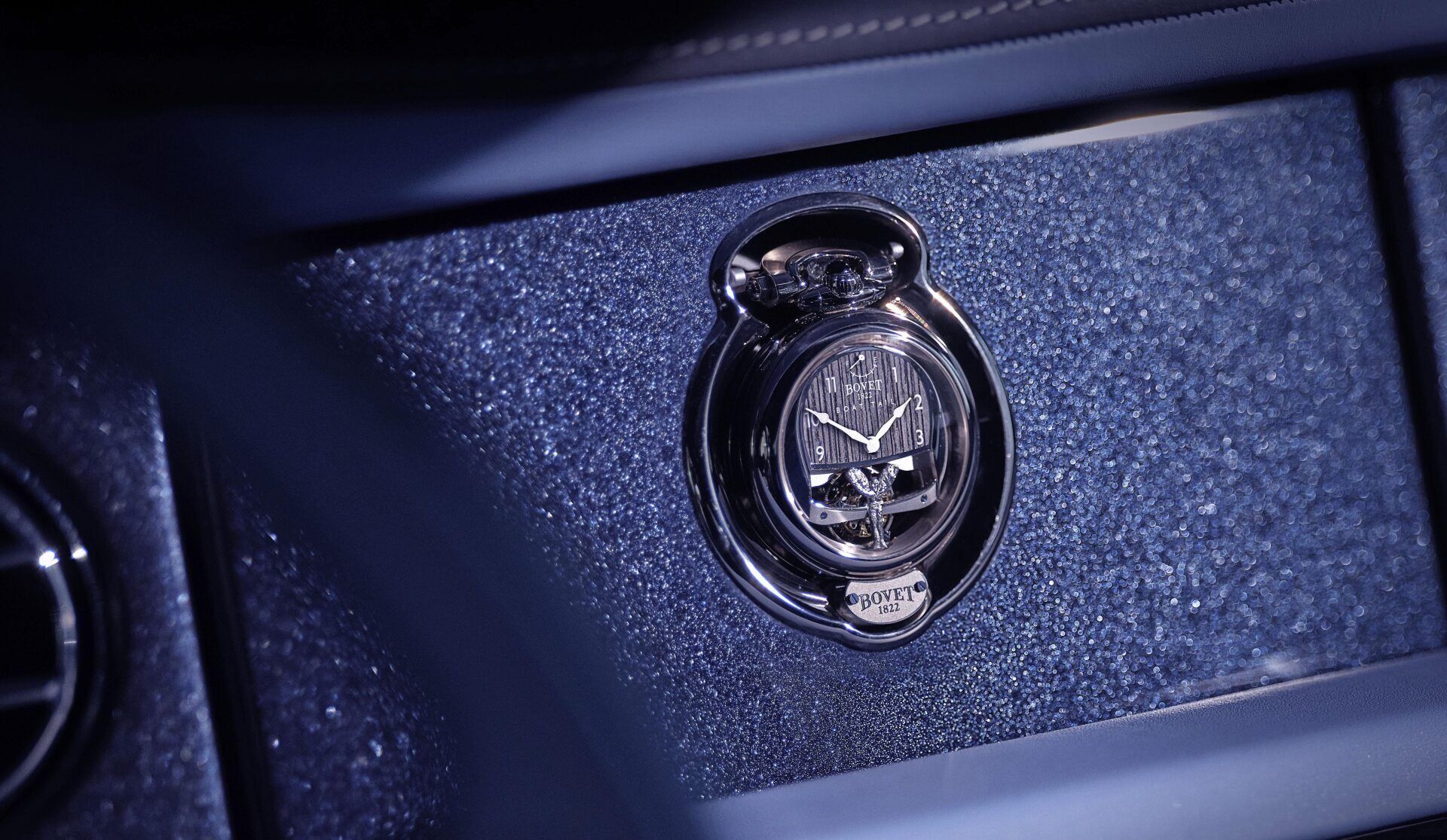
The Rolls-Royce Boat Tail timepieces an artistic collaboration with BOVET 1822
By Rolls-Royce
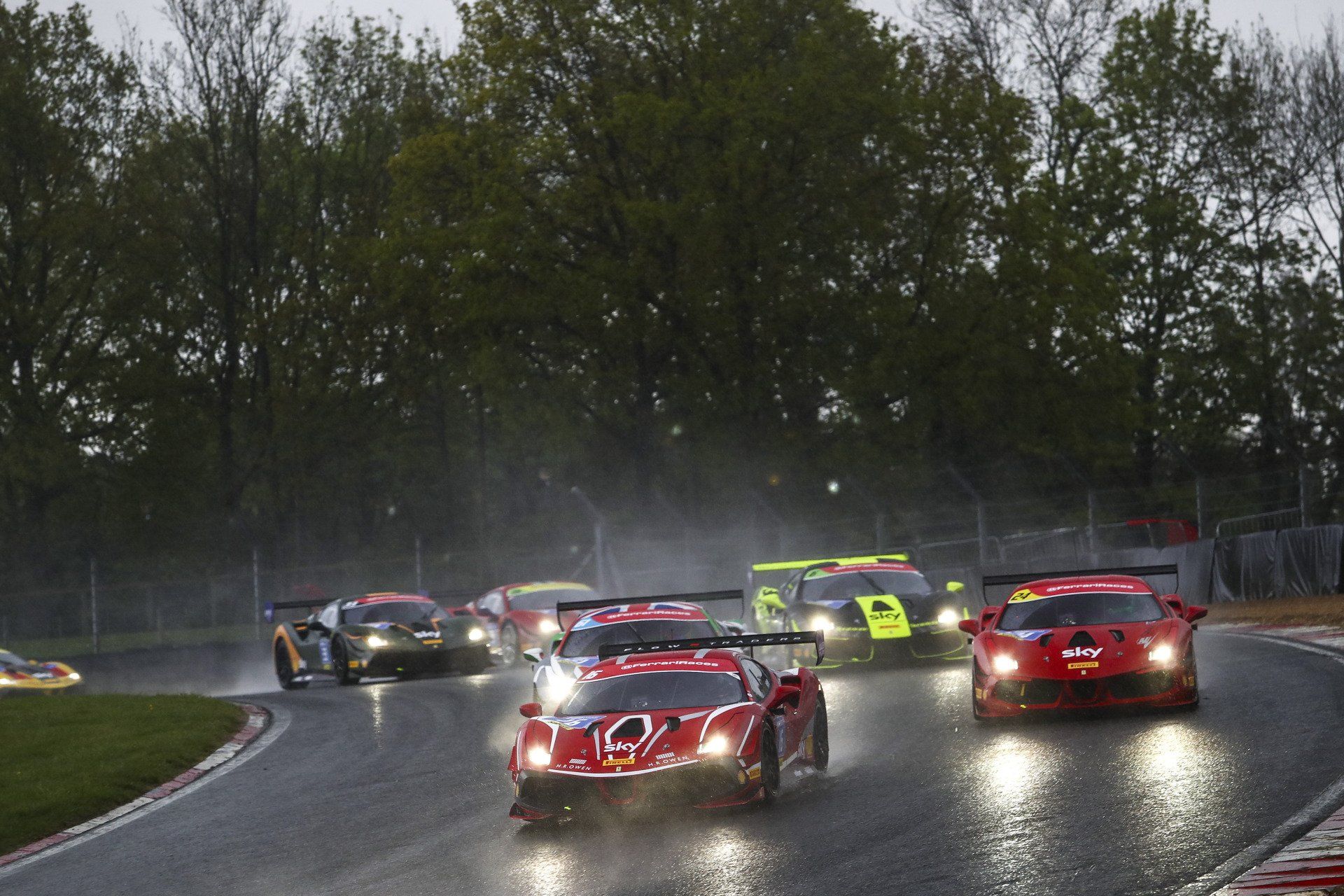
Ferrari Challenge UK 2021 Heads to Donington Park 12-13 June 2021
By Jason Harris
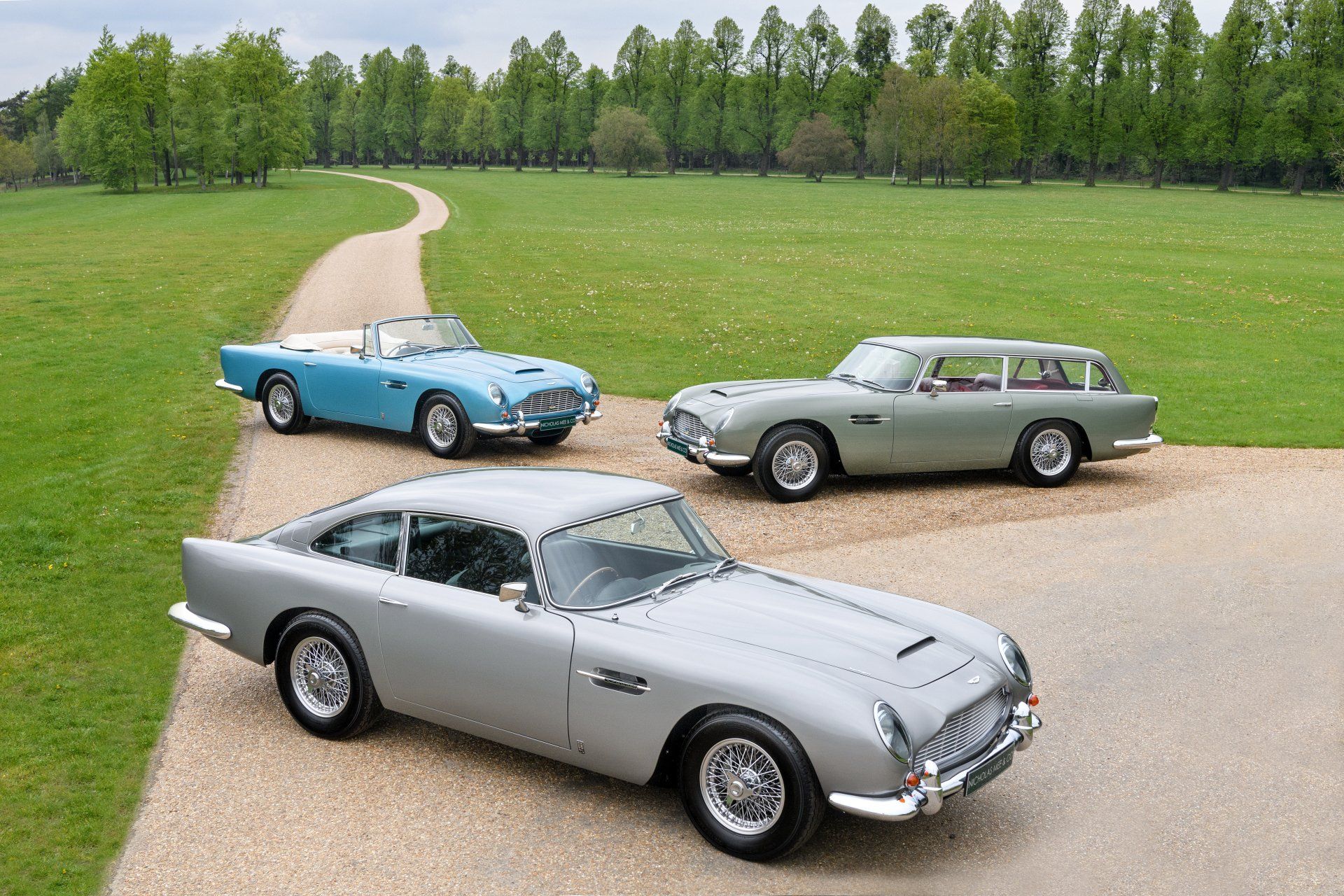
Once-in-a-lifetime Collection of Aston Martin DB5 Vantages Comes to Market
By Ben Lewis

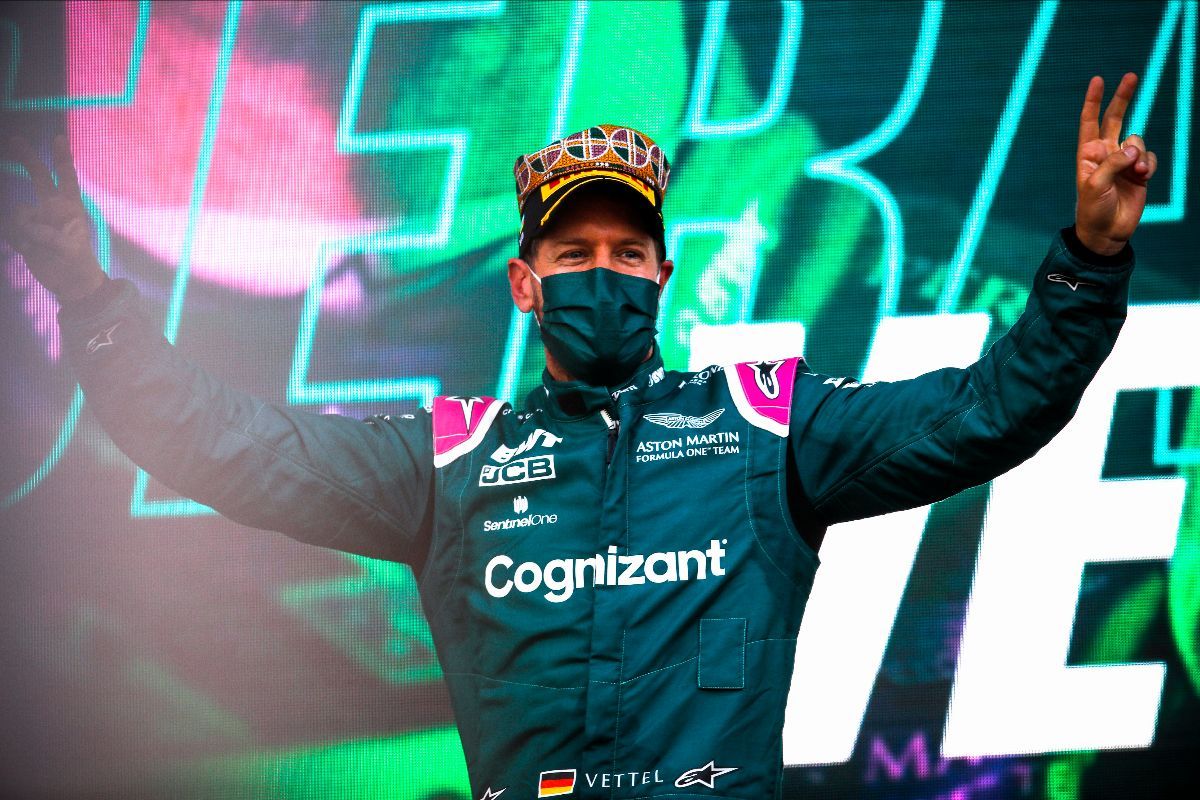
2021 Azerbaijan Grand Prix: Sunday Report
By Aston Martin Cognizant Formula One™ Team
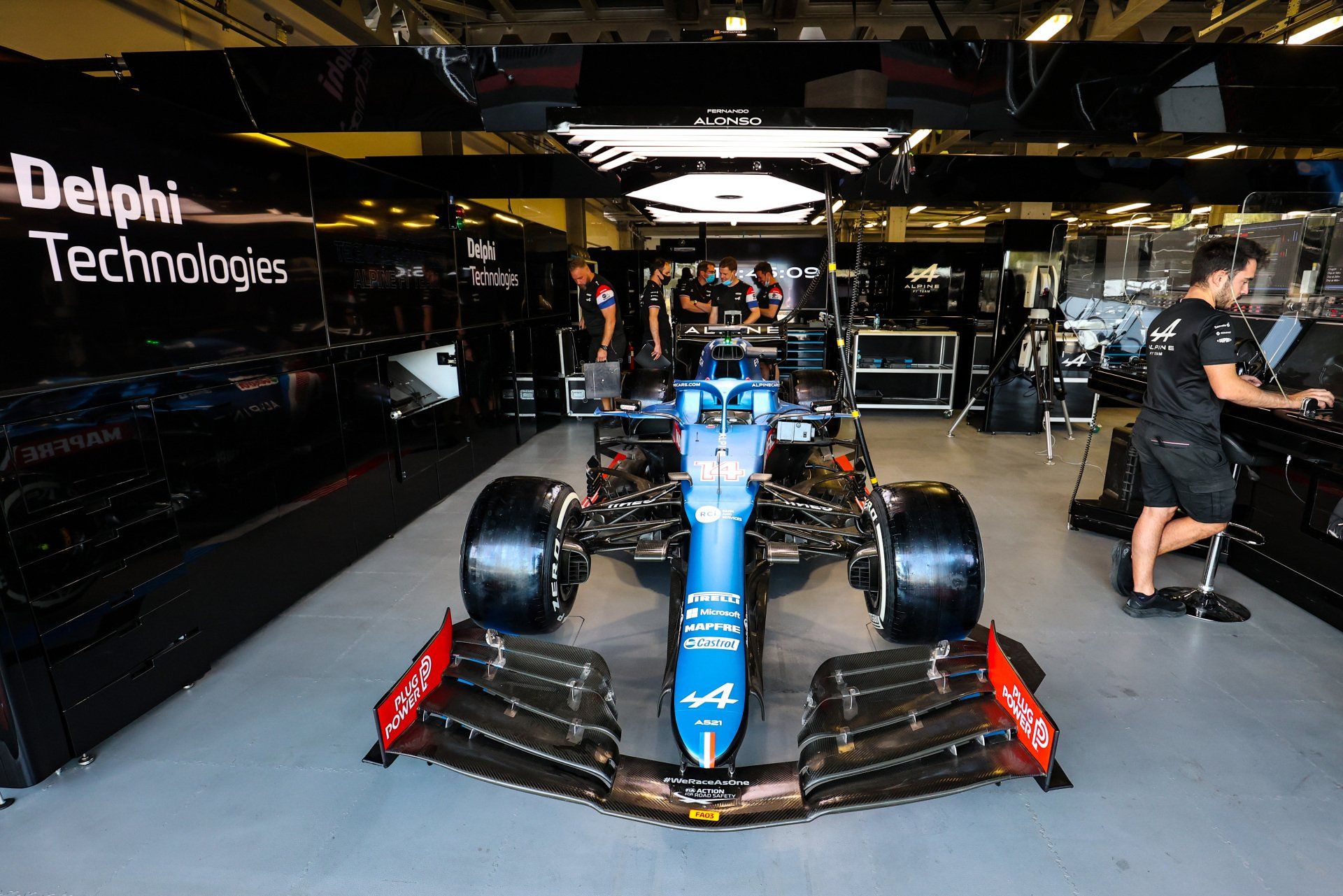
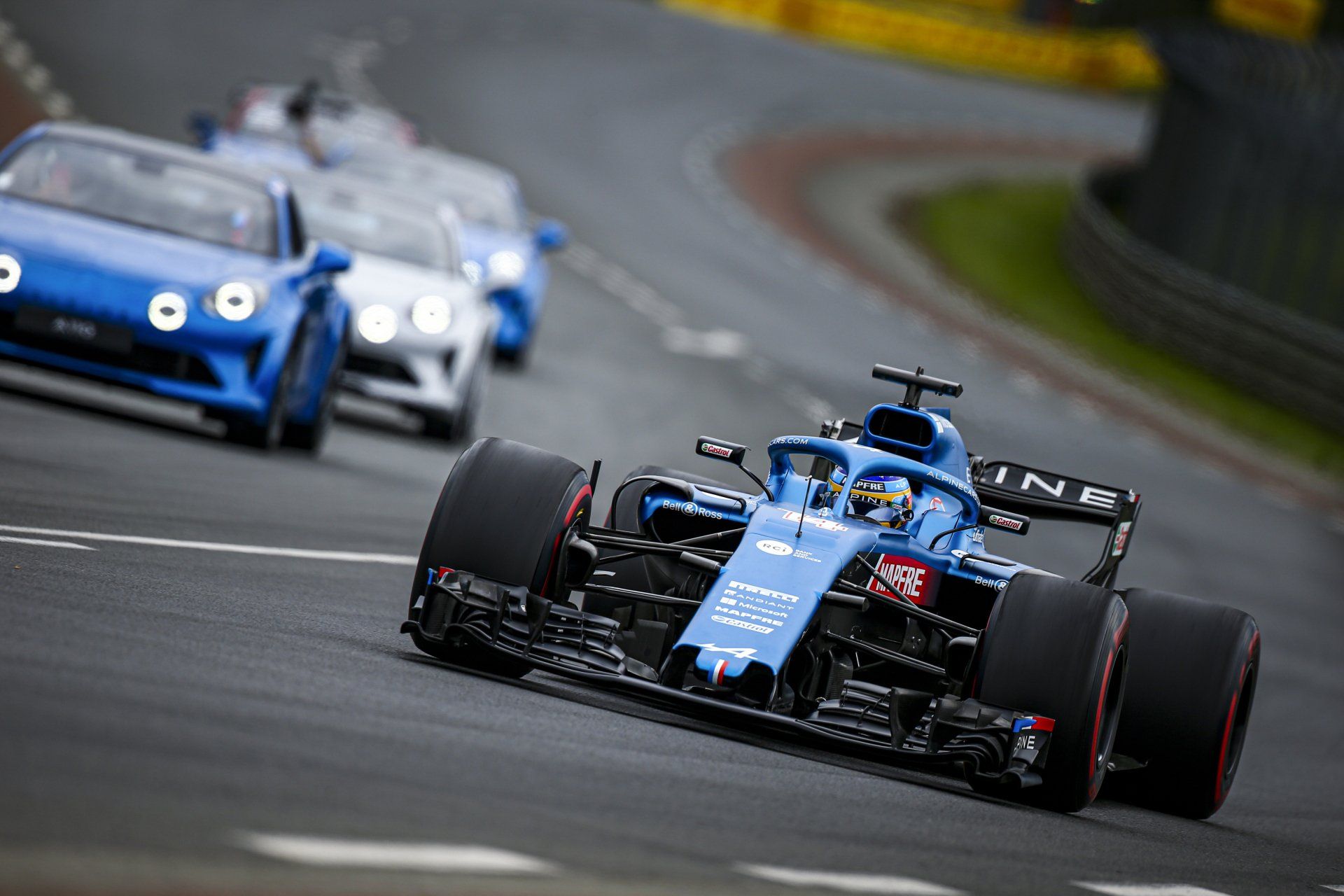
ALPINE F1 TEAM AND BORGWARNER LOOK TO FUTURE WITH NEW PARTNERSHIP
By Dr Sebastian Oakley FRSA
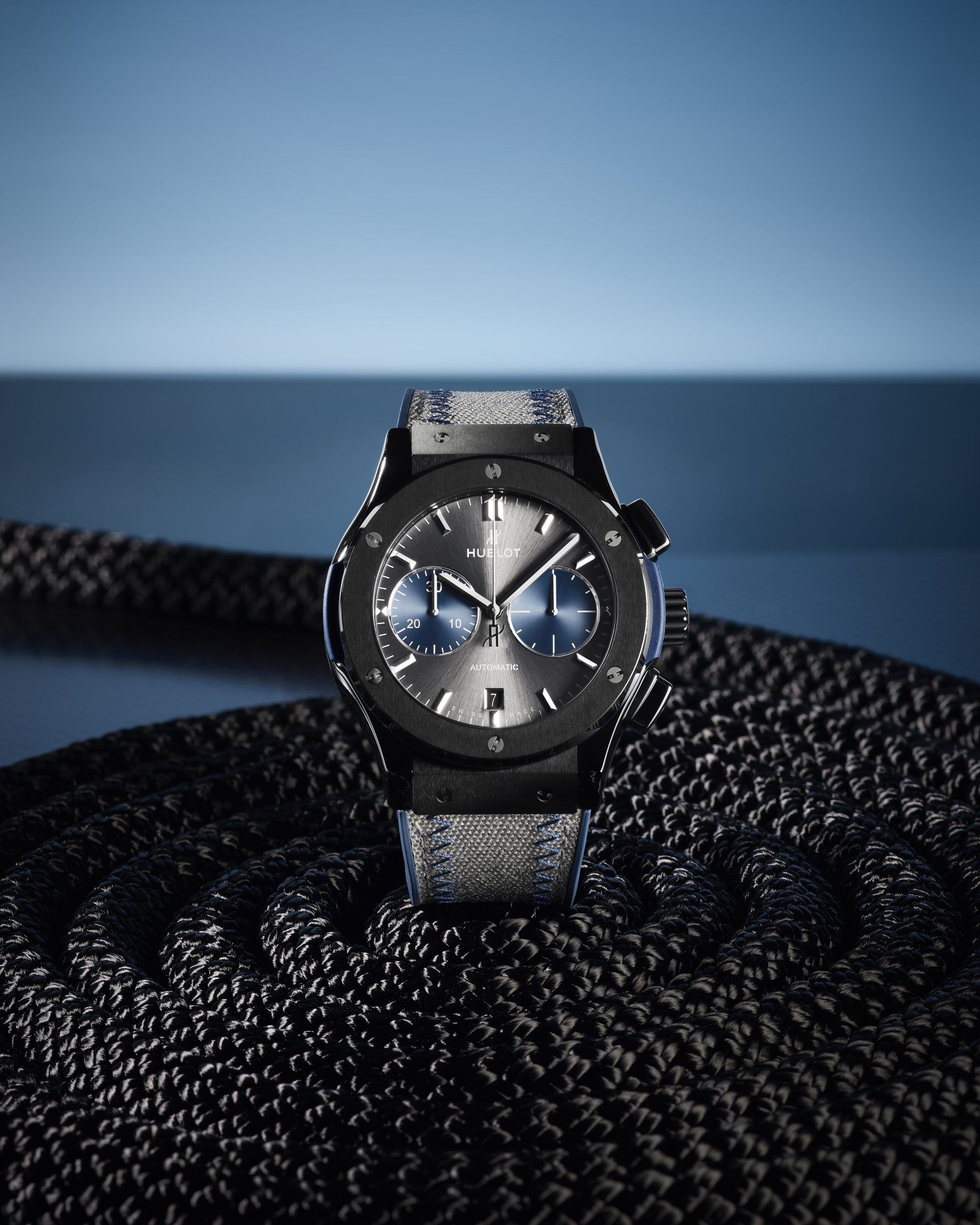
Hublot Confirms its Appointment as Official Timekeepeer of the Bol d’Or Mirabaud
By Hublot
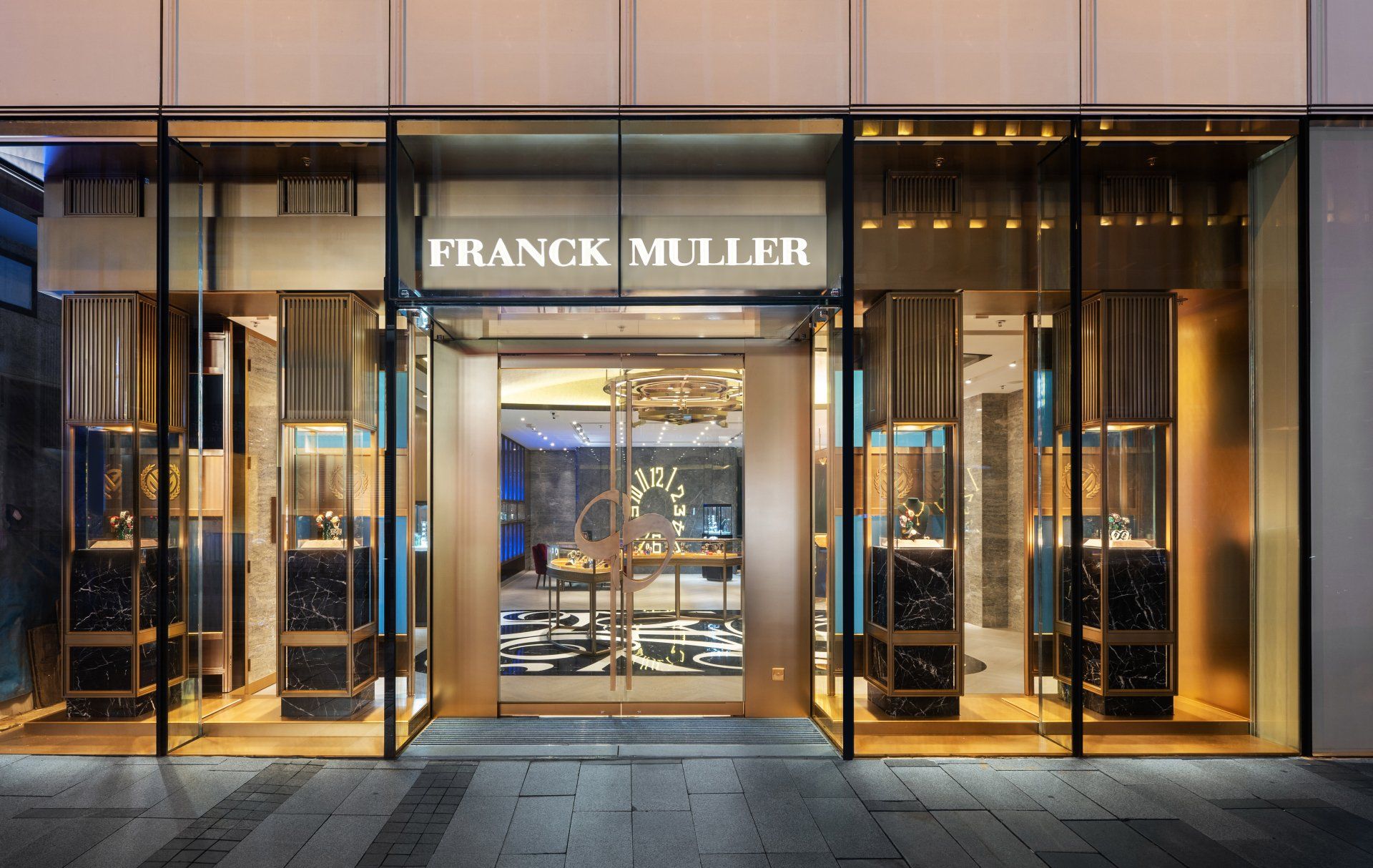
Frank Muller Unveils New Concept Boutique in Central Hong Kong
by Frank Muller

Mitch and Ben Tonks Bring Sustainable Seafood and Timeless Cookery tothe Donovan Bar at Brown’s Hotel
By The Gentleman Magazine

Wingman: The Software Suite That Makes The Foiler Fly
By Alexander Razinkov